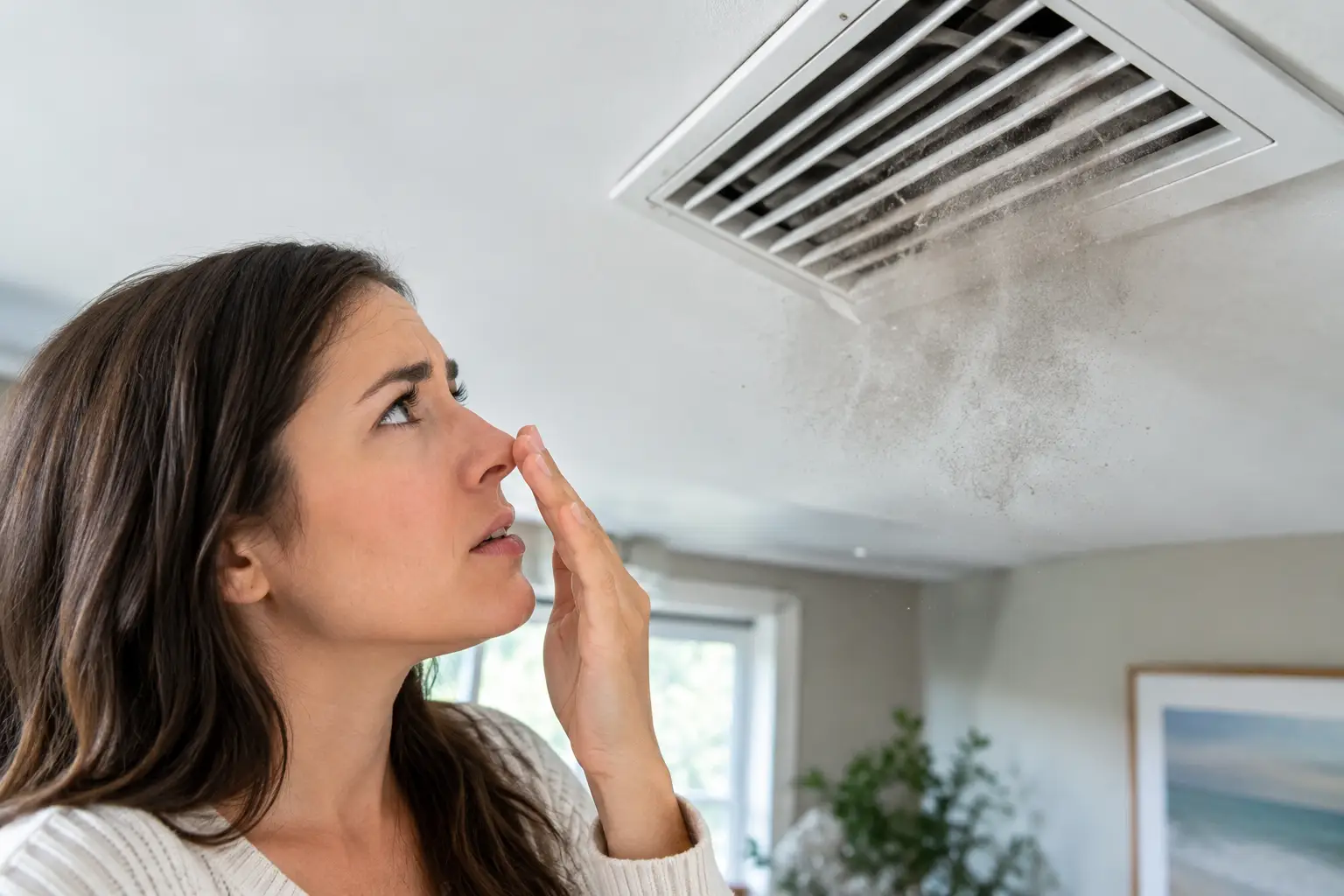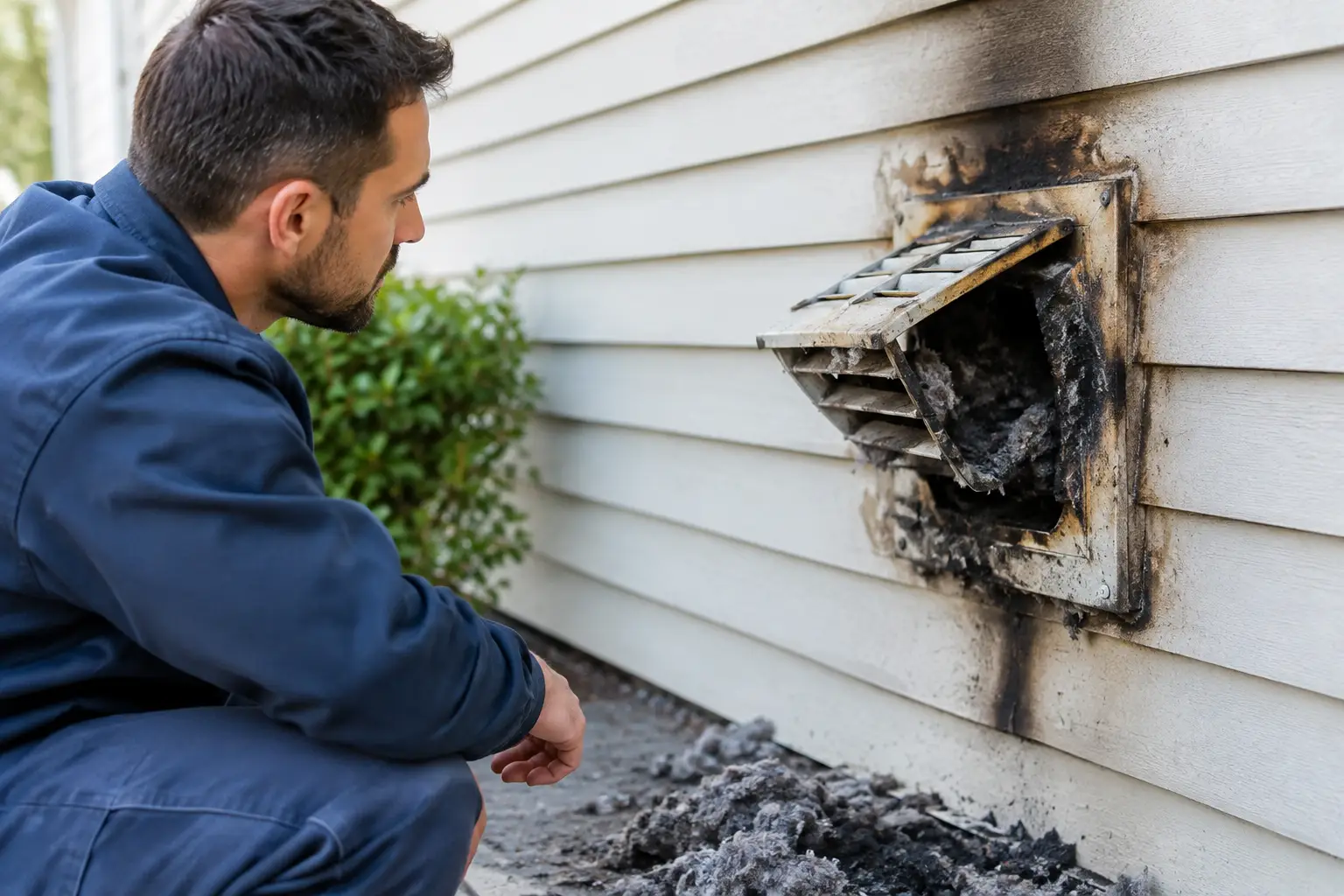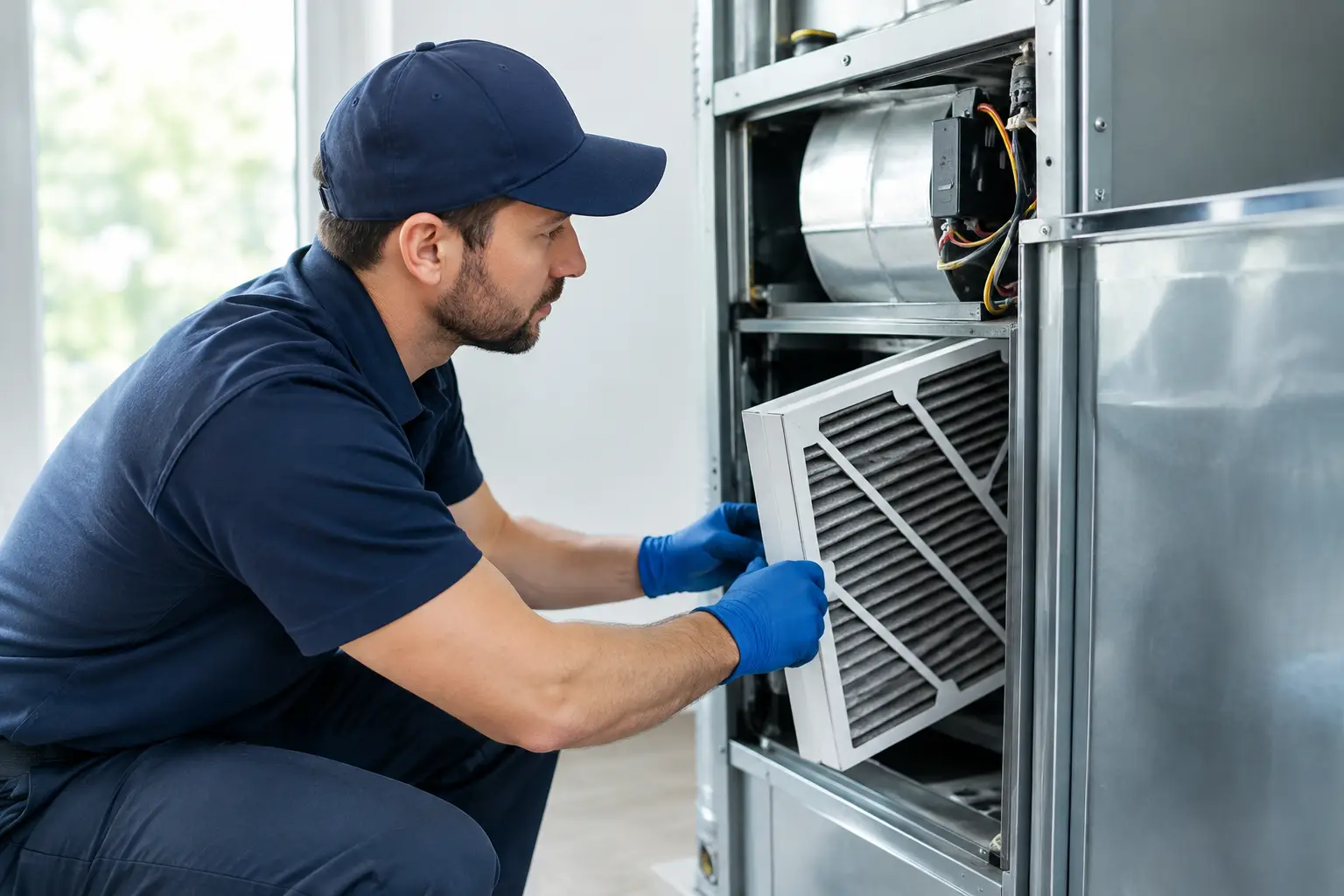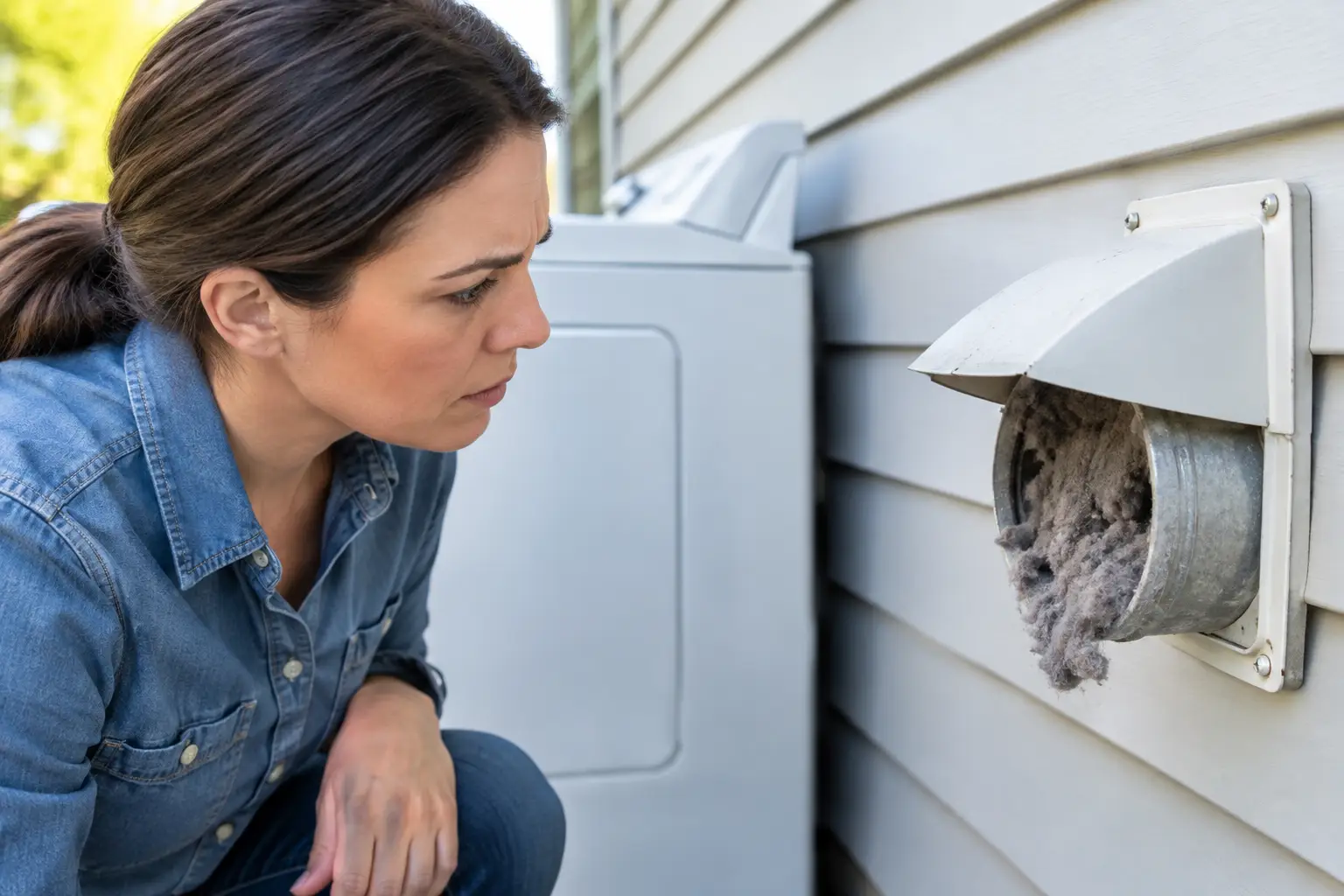
A musty smell when the AC starts is more than an annoyance in a Florida home. With high humidity, long cooling seasons, and frequent moisture around HVAC components, contaminants can build up where you cannot see them. HVAC disinfection is a targeted way to address surface contamination and odor-causing conditions inside parts of the system, but it works best as part of a complete cleaning process, not as a quick spray-and-go service.
For families in Tampa Bay and Central Florida, the goal is straightforward: cleaner air moving through the home, better comfort, and an HVAC system that is not working harder than it should. A professional inspection can show whether disinfection makes sense for your system and whether another issue, such as a dirty coil, clogged drain line, leaking duct, or active mold problem, needs attention first.
What HVAC Disinfection Actually Does
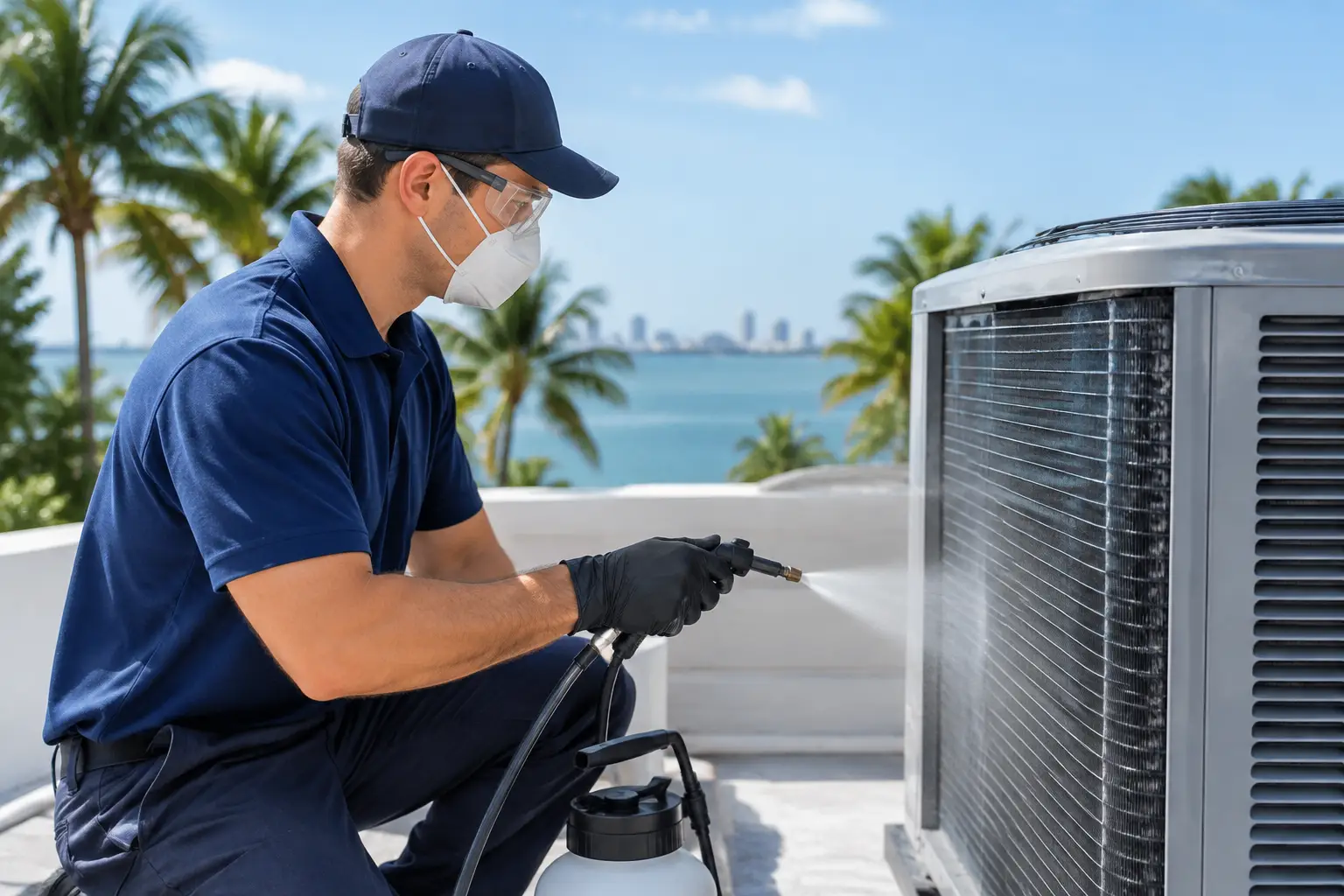
HVAC disinfection, sometimes called HVAC sanitization, involves applying an appropriate antimicrobial product to accessible system surfaces after contaminants have been removed. Depending on the condition of the system, this can include areas around the air handler, evaporator coil housing, drain pan, blower compartment, and interior duct surfaces.
The purpose is not to mask odors with fragrance or make unrealistic promises about indoor air. Proper disinfection is intended to reduce odor-causing bacteria and other surface contaminants where the product is applied. It can be especially helpful after a deep duct cleaning, after water intrusion, or when an inspection identifies contamination in accessible HVAC components.
It does have limits. Disinfection cannot remove layers of dust, construction debris, pet hair, or visible buildup from ductwork. It also cannot repair a moisture problem that keeps feeding microbial growth. If a drain pan overflows, ducts sweat because of poor insulation, or a coil remains dirty, the same conditions can return. Cleaning and moisture control come first.
Why Florida HVAC Systems Need Extra Attention
Florida air conditioners run hard for much of the year. That steady use pulls large amounts of household air through filters, returns, coils, and ducts. Dust, dander, pollen, and fine particles collect over time, particularly when filters are overdue for replacement or return grilles are left unsealed during home projects.
Humidity adds another layer of concern. Condensation is normal around an operating air conditioner, but water must drain correctly. When drainage is restricted or air movement is weak, damp areas can develop around coils and pans. Coastal moisture, storm-related humidity, and closed-up homes can also make musty odors more noticeable.
This does not mean every Florida home needs routine disinfection on a fixed calendar. The right timing depends on the condition of the system, household needs, past water issues, pets, allergies, and how consistently the HVAC equipment has been maintained. A clear inspection should guide the recommendation.
Signs Your System May Benefit From HVAC Disinfection
A professional should inspect the system before recommending treatment, but these signs are worth acting on:
- A persistent musty, sour, or stale odor appears when the AC turns on.
- Visible buildup or discoloration is found near the air handler, coil cabinet, vents, or drain pan.
- The home has had a plumbing leak, roof leak, flooding event, or HVAC drain issue.
- Dust returns quickly after cleaning, or family members notice more irritation when the system runs.
- You have completed major renovations, moved into a previously occupied home, or discovered neglected HVAC maintenance.
These signs do not automatically confirm mold or a serious air-quality hazard. Odors can come from wet insulation, dirty coils, a drain line, or even a plumbing issue near the air handler. That is why a trained technician should explain what they see, document the condition, and recommend the scope of work based on evidence rather than assumptions.
Cleaning First, Then Disinfection
The order of service matters. Applying a disinfectant over a dirty surface is like mopping a floor without picking up the mud first. The product may contact some areas, but it cannot replace mechanical removal of debris.
A thorough service typically starts with an inspection of the accessible HVAC system. Technicians look for dust accumulation, signs of moisture, restrictions around the coil or blower, damaged duct connections, and conditions that may contribute to odors or poor airflow. Photos and a plain-language explanation help you understand what is happening before work begins.
Next comes mechanical cleaning. Professional equipment is used to loosen and capture debris from supply and return ductwork, vents, and accessible HVAC components as appropriate. Coil cleaning may be recommended when buildup is restricting heat transfer and airflow. If the system has a clogged condensate drain, that issue should also be corrected so moisture does not linger.
Only after surfaces have been cleaned should HVAC disinfection be considered. A technician applies a product labeled for the intended HVAC use and follows its directions for application, contact time, and ventilation. The treatment should be targeted, not indiscriminately sprayed throughout the house. You should know what product is being used, where it will be applied, and whether there are any occupancy instructions for children, pets, or sensitive individuals.
When Disinfection Is Not Enough
If there is extensive visible mold growth, damaged insulation, recurring water intrusion, or contamination connected to a building leak, basic HVAC sanitization may not be the full answer. The source of moisture must be identified and corrected. In some situations, affected materials need removal or specialized mold remediation rather than a surface treatment alone.
The same applies to persistent airflow problems. Disinfection will not fix a failing blower motor, undersized return, crushed flex duct, heavily impacted evaporator coil, or poorly sealed duct connection. Those problems require repair or maintenance that restores proper system performance.
A trustworthy recommendation makes those distinctions clear. You should never be pressured into treating every part of the system when an inspection does not support it. The best service is the one that addresses the actual condition of your home.
Can UV Lights Help Keep HVAC Components Cleaner?
UV lights can be a useful add-on for some homes, especially when installed near moisture-prone components such as the evaporator coil. The light is designed to operate continuously and can help limit microbial growth on surfaces within its effective range. It is not a replacement for duct cleaning, coil cleaning, filter changes, or resolving drainage problems.
There are trade-offs to consider. UV systems require proper placement, periodic bulb or lamp replacement, and safe installation. They add an upfront cost, and results depend on the specific unit, the installation location, and the underlying moisture conditions. For a home with recurring coil-area concerns, however, a professionally installed UV light can be a practical part of a longer-term maintenance plan.
How to Keep the Benefits Going
After cleaning and disinfection, simple maintenance protects your investment. Use the filter type recommended for your system and replace it on schedule. A very restrictive filter can reduce airflow if the equipment is not designed for it, so higher filtration is not always better without professional guidance.
Keep supply vents and return grilles open and clear of furniture. Pay attention to new odors, water near the air handler, weak airflow, or unusually high cooling bills. These changes can signal a drain, coil, duct, or equipment issue before it becomes a larger repair.
Annual HVAC maintenance is also valuable in Florida because it gives a technician a chance to inspect the coil, drain system, electrical components, and overall operation. Homes with shedding pets, frequent allergies, recent renovations, or heavy AC use may benefit from more frequent duct and indoor air quality evaluations.
What to Expect From a Professional Visit
A quality provider should not treat your home like an assembly line. Expect an on-time technician who protects the work area, inspects before starting, explains findings in everyday language, and shows you evidence of the work completed. Ask whether the service includes mechanical duct cleaning, coil cleaning, treatment of accessible surfaces, and post-service verification.
At The Ductors, the focus is on identifying the conditions affecting your air, then matching the service to the problem. Whether the concern is a musty AC odor, visible buildup, weak airflow, or a system that has been neglected for years, the right next step starts with a clear look inside.
Clean air is easier to maintain when small warning signs are handled early. If your AC smells off, struggles to move air, or has been through a moisture event, schedule an inspection before the next long stretch of Florida heat turns a manageable issue into a bigger one.