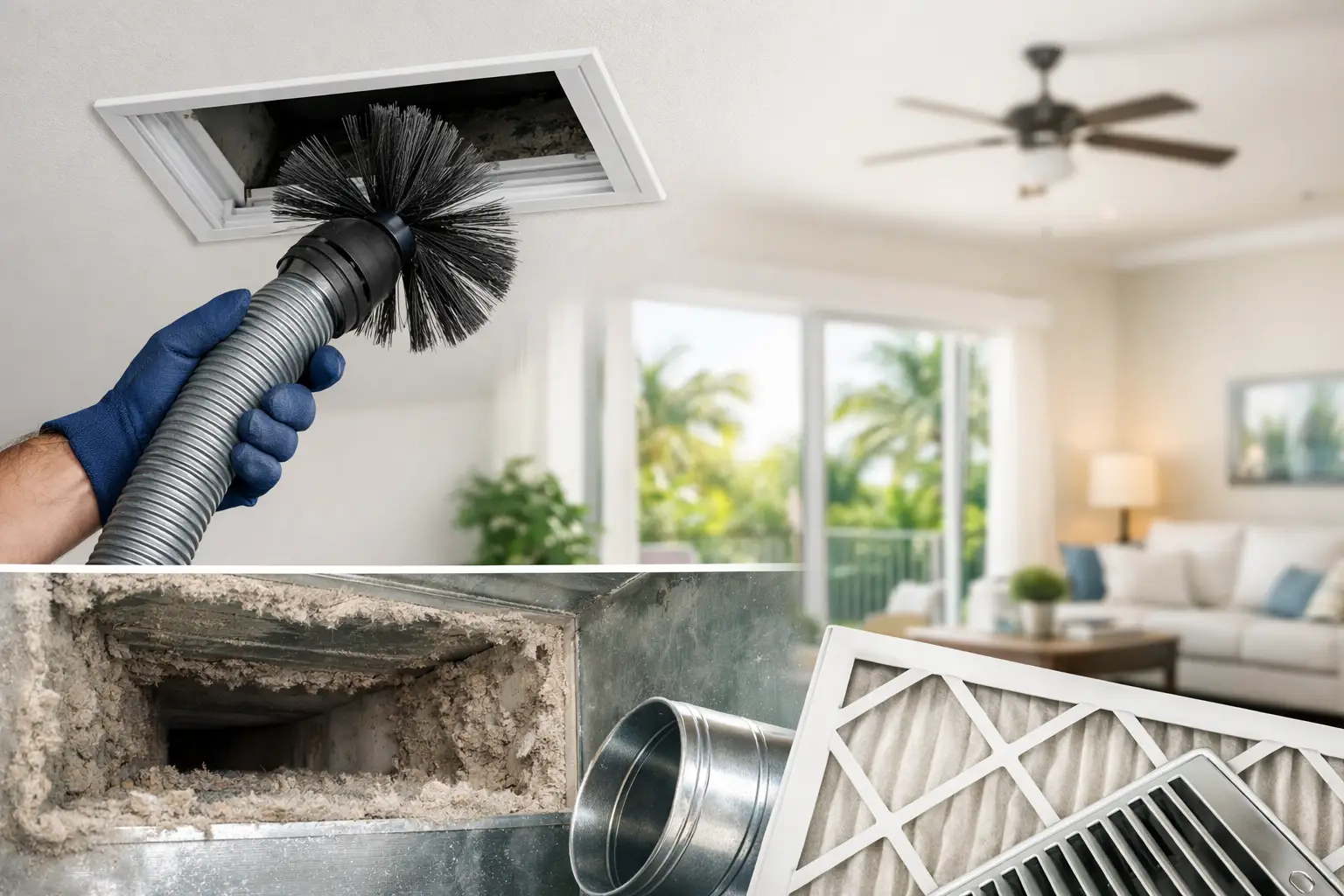
Your AC may be running almost nonstop, yet some rooms still feel dusty, stuffy, or unevenly cooled. In Tampa Bay and Central Florida, duct cleaning can address the buildup hiding beyond the vents – dust, pet dander, construction debris, and moisture-related contaminants that circulate every time your system turns on.
A clean-looking vent cover does not tell the whole story. Your ductwork is a long, mostly hidden pathway, and Florida’s heat, humidity, and heavy air-conditioning use can make it a collection point for particles that affect comfort, odors, airflow, and confidence in the air your family breathes.
When Duct Cleaning Makes Sense
Duct cleaning is not something every home needs on a fixed annual schedule. The right timing depends on what is happening inside your home, how the HVAC system has been maintained, and whether an inspection finds meaningful buildup or contamination.
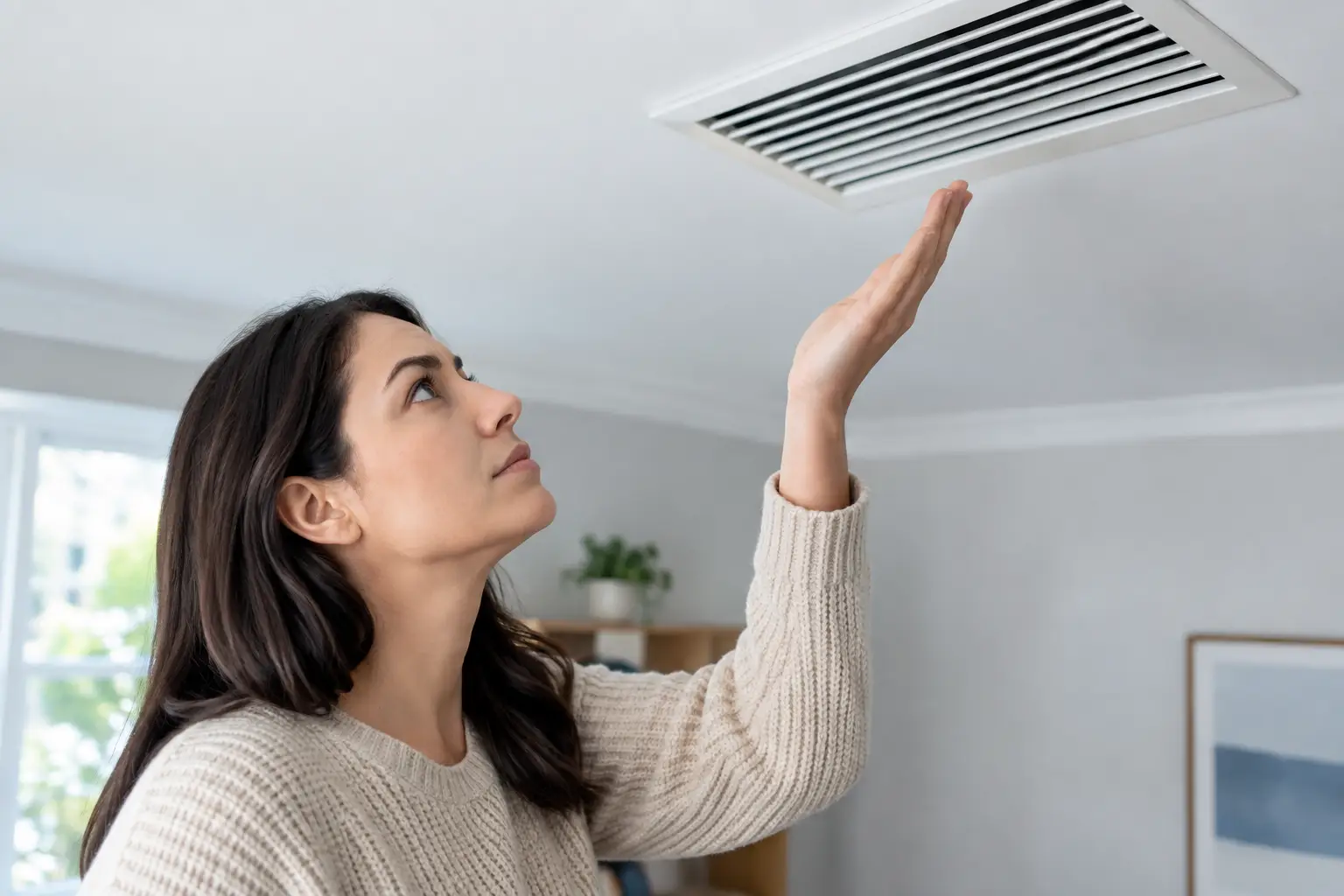
There are clear signs worth taking seriously. If dust returns quickly after you clean, family members notice more allergy-like irritation indoors, or a musty smell appears when the AC starts, your ducts deserve a closer look. Weak airflow from certain vents, visible debris around registers, pest activity, or dark staining near supply vents are also reasons to call a trained professional.
Recent construction or remodeling is another common trigger. Drywall dust, sawdust, insulation fibers, and other fine debris can find their way into return vents even when contractors do their best to contain the work area. Moving into a previously owned home can create similar uncertainty, especially if the system’s maintenance history is unknown.
For Florida households, moisture changes the conversation. High humidity alone does not prove there is mold in the duct system. But when moisture combines with dust, restricted drainage, a poorly sealed duct, or an AC issue, it can create conditions that need professional evaluation. A responsible company should inspect first, explain what it sees clearly, and recommend only the work that fits the condition of your system.
What Professional Duct Cleaning Actually Does
Real duct cleaning is more than putting a vacuum hose near a vent. A complete service focuses on removing loose debris from the sections of the HVAC system that move air through your home, while protecting the equipment and living space along the way.
The process should begin with an inspection. A technician can assess accessible supply and return ducts, registers, the air handler area, and visible signs of buildup, moisture, or damaged components. Photo documentation is especially useful because it lets you see the condition of areas that are normally hidden.
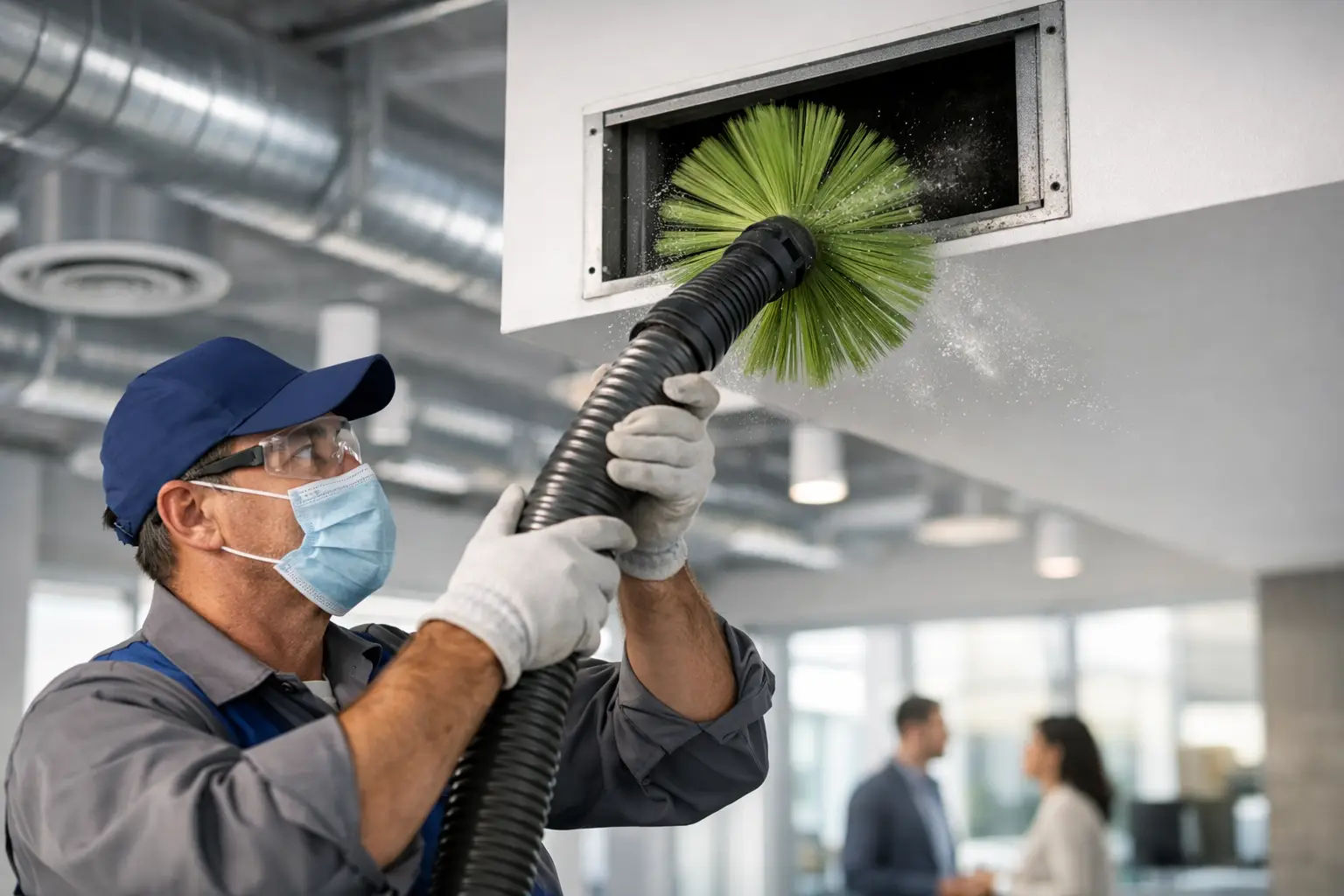
Next comes mechanical cleaning. Professional equipment creates controlled negative pressure so dislodged dust and debris are collected instead of pushed back into the home. Technicians use agitation tools designed for duct interiors, then clean key accessible components such as vent covers and return areas. The exact approach varies by the home’s duct material, layout, accessibility, and condition.
If conditions call for it, sanitization may be recommended after physical debris removal. Sanitizing is not a substitute for cleaning, and it cannot correct an active moisture source. It is a targeted step that may help address odors or microbial concerns when paired with proper cleaning and a plan to resolve the underlying issue.
Some homes may also benefit from UV-light installation near the HVAC system. UV lights can be useful in the right application, particularly where moisture management and coil-area cleanliness are recurring concerns. They are not a magic fix for dirty ductwork, leaky ducts, or an oversized AC system. A good recommendation starts with your actual system, not a one-size-fits-all add-on.
The Comfort and Efficiency Benefits of Cleaner Ducts
The most immediate benefit homeowners often notice is less visible dust and a fresher-feeling home. That result varies, since dust can also come from pets, carpeting, outdoor air leaks, and everyday activity. Still, removing accumulated debris from the HVAC pathway can reduce one source of recirculating particles.
Airflow can improve when dirt and debris are contributing to restrictions at registers, returns, or accessible system components. Better airflow helps rooms cool more consistently and can reduce the strain placed on your AC equipment. In a Florida summer, that matters. An HVAC system that runs longer than necessary may increase energy use and wear down sooner.
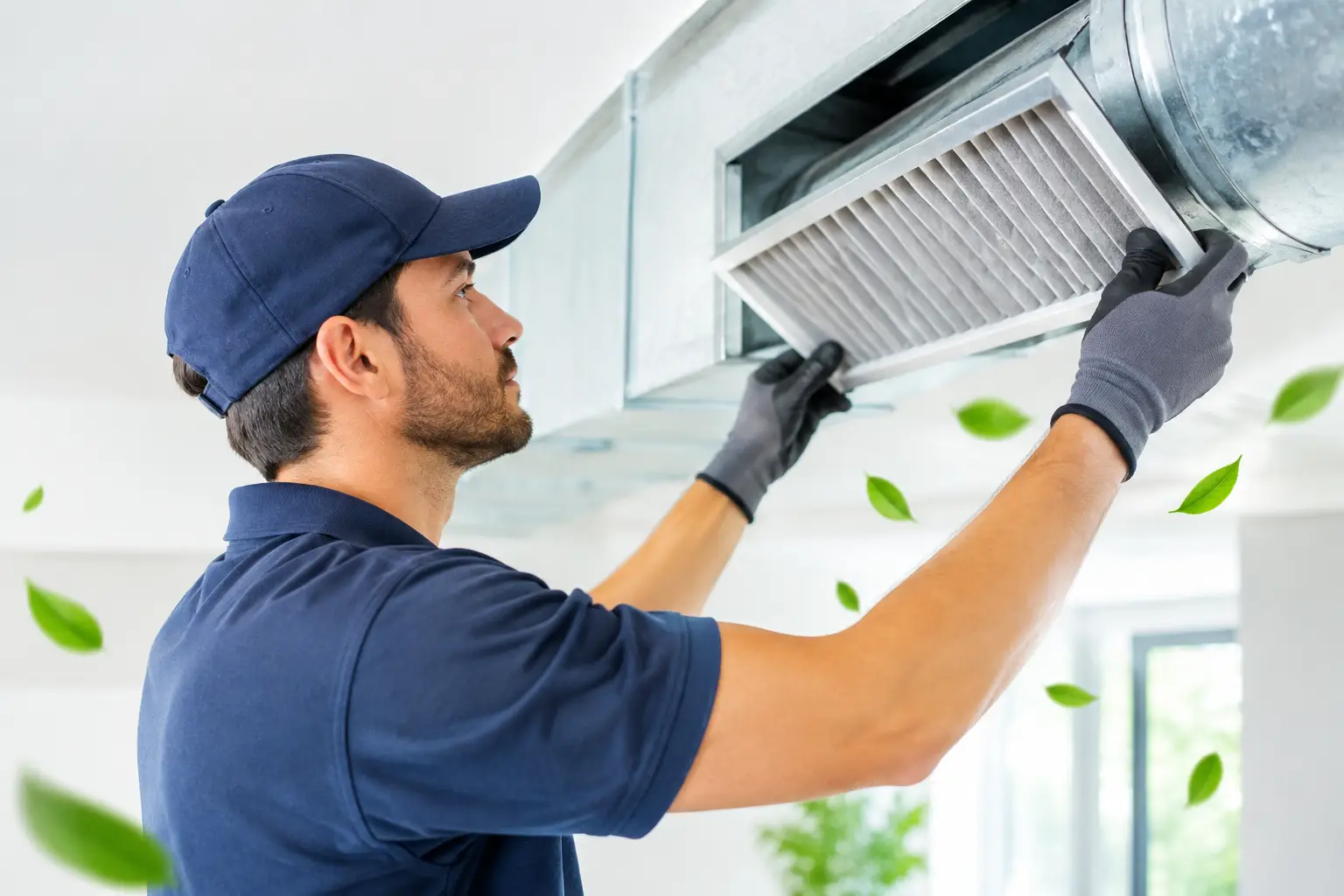
Duct cleaning also creates an opportunity to spot related problems that deserve attention. A technician may find disconnected ducts, damaged insulation, excessive return-air leakage, signs of pests, or a coil that needs cleaning. Those findings are valuable because cleaning alone will not solve every airflow or air-quality concern.
For families managing allergies, asthma, or sensitivity to odors, cleaner ducts can be part of a broader indoor air quality plan. Regular filter changes, proper humidity control, coil maintenance, and addressing water intrusion are just as important. The goal is not to promise perfect air. It is to reduce avoidable contaminants and make your home more comfortable to live in.
Duct Cleaning vs. AC Coil and Dryer Vent Cleaning
These services support different parts of your home, and combining them can make sense when inspection shows more than one issue.
Your AC coil is part of the equipment that cools and dehumidifies indoor air. When the coil becomes coated with dirt, it can reduce heat transfer, limit airflow, and make the system work harder. Coil cleaning is an HVAC performance service, while duct cleaning focuses on the pathways that distribute air throughout the home.
Dryer vent cleaning is a safety-focused service. Lint buildup can restrict drying performance, cause clothes to take longer to dry, and create a serious fire risk. Unlike HVAC ducts, a dryer vent carries hot, moist exhaust outside. If your dryer is hot to the touch, laundry takes multiple cycles, or you notice a burning smell, do not wait for a routine maintenance visit.
A qualified provider should explain each recommendation separately, so you understand what is being cleaned, why it matters, and what result to expect.
How to Choose a Duct Cleaning Company
Be cautious with unusually low offers that turn into high-pressure sales calls at the door. Duct systems differ widely, and a legitimate quote should account for the number of systems, returns, vents, accessibility, and any special concerns found during inspection.
Look for a company that communicates before work begins and provides evidence when it is complete. The best experience includes punctual technicians, respectful protection of your home, clear answers to questions, professional equipment, and before-and-after photos when practical. You should never feel rushed into sanitizers, UV lights, mold work, or expensive upgrades without an explanation of the condition that supports the recommendation.
At The Ductors, the goal is straightforward: help Florida homeowners breathe cleaner air with a documented process that addresses what is actually in the system. That means inspecting first, removing contaminants with professional cleaning equipment, explaining any concerns in plain language, and verifying the work before the team leaves.
A Practical Maintenance Plan for Florida Homes
Start with the basics between professional visits. Use the correct HVAC filter and replace it on the schedule recommended for your household and system. Keep supply and return vents unobstructed, and do not close off too many vents in an attempt to force more air into one room. Make sure the area around the indoor air handler stays clean and dry.
If you see water near the system, notice repeated musty odors, or experience a sudden drop in cooling performance, schedule an inspection quickly. Waiting can allow a small drainage, coil, or duct issue to become a larger repair.
For a home with pets, smokers, frequent renovations, allergy concerns, or heavy year-round AC use, periodic professional assessment is especially worthwhile. For other homes, inspection after a major event or when symptoms appear may be the more sensible approach. The right plan is based on evidence, not a calendar gimmick.
Clean air starts with knowing what your HVAC system is carrying through your home. If dust, odors, weak airflow, or moisture concerns are disrupting your comfort, a professional inspection can give you clear answers and a practical next step.