A dryer that suddenly needs two or three cycles to dry a normal load is not just wasting your afternoon. It may be telling you that heat, moisture, and lint are no longer moving safely out of your home. Knowing the top dryer vent warning signs gives Tampa Bay and Central Florida homeowners a chance to correct a restricted vent before it becomes a fire risk, damages the appliance, or sends utility costs climbing.
Florida homes put dryers through demanding conditions. High humidity means laundry already carries more moisture, while exterior vent hoods can collect lint, nesting material, and moisture-related buildup. Add long vent runs, bends behind the appliance, or a vent that exits through the roof, and a small blockage can become a serious airflow problem.
Top Dryer Vent Warning Signs to Watch For
Clothes take longer than usual to dry
Long drying times are one of the clearest warnings. If towels, jeans, or a standard mixed load used to dry in one cycle but now require a second cycle, restricted exhaust airflow is a likely cause. The dryer is still producing heat, but the wet air cannot escape efficiently through the vent.
Do not assume the dryer itself is automatically failing. A clogged lint screen, overloaded drum, worn heating component, or incorrect cycle setting can also affect performance. But when the lint screen is clean and the problem keeps happening, the vent path needs attention.
The dryer or laundry room feels unusually hot
A working dryer creates warmth, but it should not turn the laundry room into a hot, stuffy space. When the exhaust duct is restricted, heat backs up around the appliance rather than moving outside. You may notice the top or sides of the dryer feel much hotter than normal, especially near the end of a cycle.
This is a warning worth acting on quickly. Excessive operating heat puts unnecessary strain on the dryer’s components and raises the risk associated with accumulated lint. Move clothes out, allow the appliance to cool, and avoid running repeated cycles until the airflow issue is identified.
A burning smell appears during operation
A faint burning odor from the laundry area is never a sign to wait and see. Lint is highly combustible, and it can collect inside the dryer cabinet, transition duct, wall vent, and exterior termination point. Overheating electrical parts or a slipping dryer belt may also create an odor.
Turn off the dryer if you smell burning, smoke, or see any unusual heat. Do not keep running loads to test whether the smell goes away. A qualified inspection can determine whether lint buildup, damaged ductwork, an appliance issue, or another condition is causing the problem.
The outside vent hood has little or no airflow
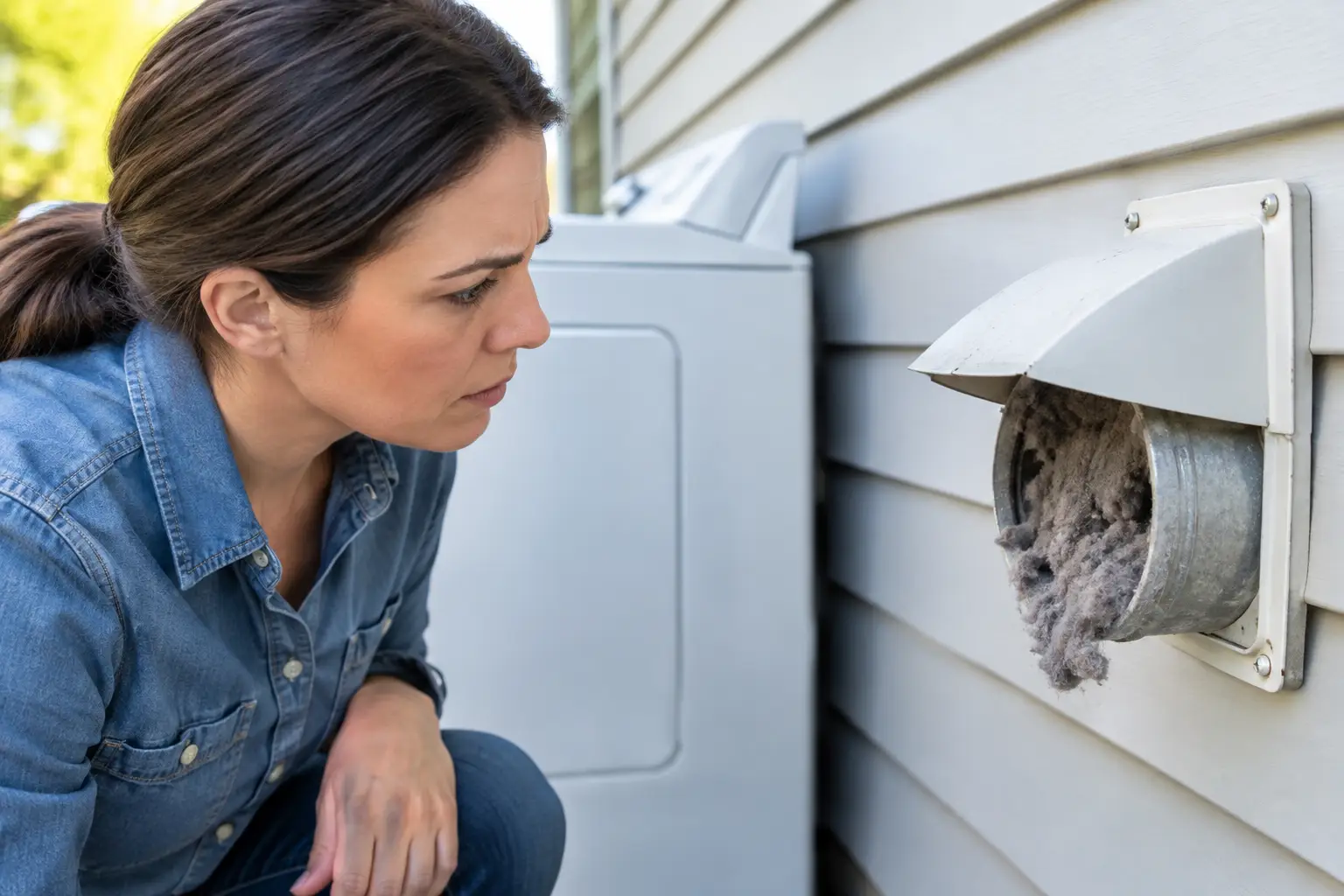
With the dryer running, you should generally feel a steady flow of warm, moist air coming from the exterior vent hood. If airflow is weak, intermittent, or absent, the vent may be clogged or disconnected. A stuck exterior flap can also prevent proper exhaust.
Check from a safe position only. Do not reach deep into a vent opening or climb onto a roof to inspect a high termination point. In Central Florida, outdoor hoods can also be affected by landscape debris, insects, small animal nests, and weather exposure. What looks like a minor exterior issue may point to buildup farther inside the line.
Lint is collecting around the dryer or outdoor vent
The lint screen catches a lot, but it does not catch everything. Visible lint around the dryer connection, behind the appliance, or on the exterior vent cover suggests that air is escaping where it should not or struggling to exit the system. You may also find lint on the floor after every load.
A loose or crushed transition duct behind the dryer is common, particularly after a new appliance is installed or the dryer has been pushed too close to the wall. Flexible plastic or foil-style ducting can sag, tear, and trap lint. A professional can assess the full route, not just the portion visible behind the machine.
Laundry comes out hot but still damp
When clothes feel very hot yet remain damp at the end of a cycle, the dryer may be overheating while moisture stays trapped in the drum. That combination often points to poor exhaust ventilation. The dryer is working harder, but it cannot remove humid air efficiently.
This issue can be especially frustrating during Florida’s humid months, when laundry may already take slightly longer to dry. Still, a noticeable change from your usual drying time should not be dismissed as weather. Your dryer vent should be able to handle normal household laundry without repeated cycles.
The dryer stops mid-cycle or displays an error
Many newer dryers have sensors designed to prevent overheating. If your dryer shuts off before the load is dry, runs unusually short cycles, or displays an airflow-related warning, restricted venting may be part of the problem. These safety features are helpful, but they do not remove the blockage.
An error code can also relate to the appliance itself, so it depends on the make, model, and specific message. Start with the manufacturer’s guidance, clean the lint screen, and make sure the exterior hood is not visibly blocked. If the warning continues, have the vent system inspected rather than repeatedly resetting the machine.
Why Dryer Vent Problems Get Worse So Quickly
A dryer vent is not just a pipe that carries air outside. It carries heat, humidity, fine lint, and residue from laundry products. Over time, lint sticks to the interior of the duct, especially at elbows, long horizontal runs, and areas where the duct has been crushed or improperly joined.
Restricted airflow creates a cycle: the dryer runs longer, produces more heat, and moves more lint into an already narrowed pathway. That means higher energy use, more wear on the dryer, and a greater chance that lint near a heat source can ignite. The U.S. fire risk associated with dryers is one reason vent maintenance deserves the same practical attention as changing HVAC filters or checking smoke alarms.
What You Can Safely Check at Home
Homeowners can handle a few simple maintenance tasks between professional cleanings. Empty the lint screen before every load, and wash the screen occasionally with warm water and mild soap if dryer sheets or fabric softener leave a film that limits airflow. Vacuum carefully around the lint-screen housing and behind the appliance if it is safe to pull the dryer forward.
You can also look at the visible transition duct for crushing, kinks, tears, or loose connections. Keep the area around the dryer clear of boxes, cleaning supplies, and combustible clutter. If your dryer is gas-powered, do not attempt to disconnect it yourself. Gas connections require extra care and should be handled by a trained professional.
Avoid relying on short brush kits as a complete solution for a long or complex vent. They may reach only part of the line, compact lint farther into an elbow, or damage fragile duct material. Roof exits, multi-story runs, and vents with several turns are better evaluated with professional equipment and a full airflow check.
When to Schedule a Professional Dryer Vent Cleaning
For many households, annual dryer vent cleaning is a sensible baseline. You may need service sooner if you do frequent laundry, have a large family, use pet bedding and towels regularly, or notice any of the warning signs above. A home with a long vent route or multiple bends may also need more frequent attention because lint has more places to gather.
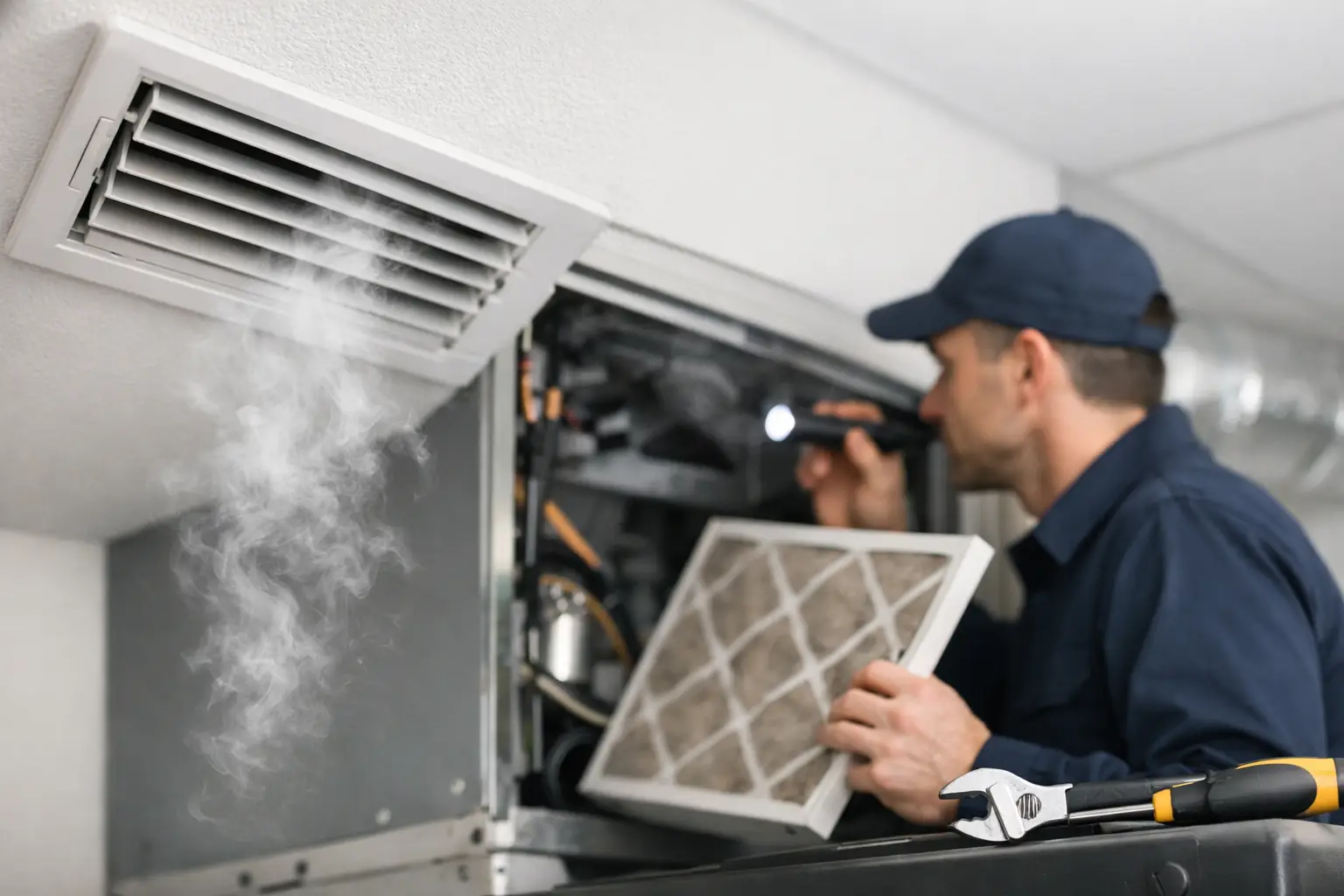
A complete service should go beyond removing lint from the screen. The technician should inspect accessible connections, clean the vent path using appropriate mechanical equipment, address visible restrictions, and verify airflow when the work is complete. Clear explanations and photo documentation help you understand what was found and what was corrected.
The Ductors approaches dryer vent service with that practical goal: remove the buildup, restore proper airflow, and give homeowners a clear picture of their system’s condition. For families in Tampa, Largo, Sarasota, Lakeland, and nearby Central Florida communities, that can mean shorter dry times, less strain on the appliance, and more confidence each time the dryer runs.
If your dryer is taking longer, running hotter, or sending out a burning smell, treat it as a maintenance priority rather than an inconvenience. A clean, open vent lets the appliance do its job efficiently while helping keep heat and lint from building up where they do not belong.