
A bedroom can feel stuffy long before the thermostat says there is a problem. You may notice warm air collecting near the bed, a musty smell after the door has been closed overnight, or one family member waking up congested while the rest of the house feels comfortable. Knowing how to improve bedroom airflow starts with identifying whether the issue is the room itself, the HVAC system, or Florida humidity working against both.
In Tampa Bay and Central Florida, bedrooms often become comfort trouble spots because air conditioning runs hard for much of the year. Closed doors, dirty filters, blocked vents, dust inside ductwork, and moisture can all limit the clean, conditioned air reaching the room. A few practical changes can make a noticeable difference. Persistent airflow problems, however, deserve a closer inspection before they turn into higher utility bills, mold concerns, or unnecessary strain on your AC system.
Start With the Air Path Into and Out of the Room
Conditioned air needs a complete path to move. Supply vents deliver cooled air into the bedroom, but that air also needs a way to leave and return to the HVAC system. When the bedroom door is shut tightly and there is no adequate return-air path, pressure can build inside the room. The result is weak airflow, uneven temperatures, and a room that feels stale by morning.
Check that supply vents are fully open and not covered by a bed, dresser, rug, curtain, or laundry basket. It is common for homeowners to close vents in unused rooms to save money, but closing multiple vents can create pressure problems and may reduce system performance. Leave them open unless an HVAC professional has advised otherwise.
Next, look at the return vent. Some homes have a return grille in each bedroom, while others rely on a central return in a hallway or living area. If your bedroom has no return, a closed door can restrict circulation. Leaving the door slightly open at night may help. A properly sized door undercut, transfer grille, or professionally designed return-air solution may be worthwhile if the problem is ongoing.
Use Ceiling Fans the Right Way
A ceiling fan does not lower the room’s actual temperature, but it can make a bedroom feel more comfortable by moving air across your skin. During Florida’s long cooling season, set the fan to rotate counterclockwise. Standing beneath it, you should feel a gentle downward breeze.
Fan placement matters, too. A portable fan can help move cooled air from a supply vent toward the sleeping area, especially in a room with an awkward layout. Avoid aiming a powerful fan directly at a dusty vent or cluttered corner, where it may stir particles into the air. The goal is steady circulation, not a blast of air that makes sleeping uncomfortable.
If the room feels humid even with the AC running, a fan alone will not solve the underlying issue. It may improve comfort temporarily, but high indoor humidity can point to an oversized AC unit, drainage concern, dirty coil, duct leak, or system that is not removing moisture as it should.
Replace the Filter and Check the Vents
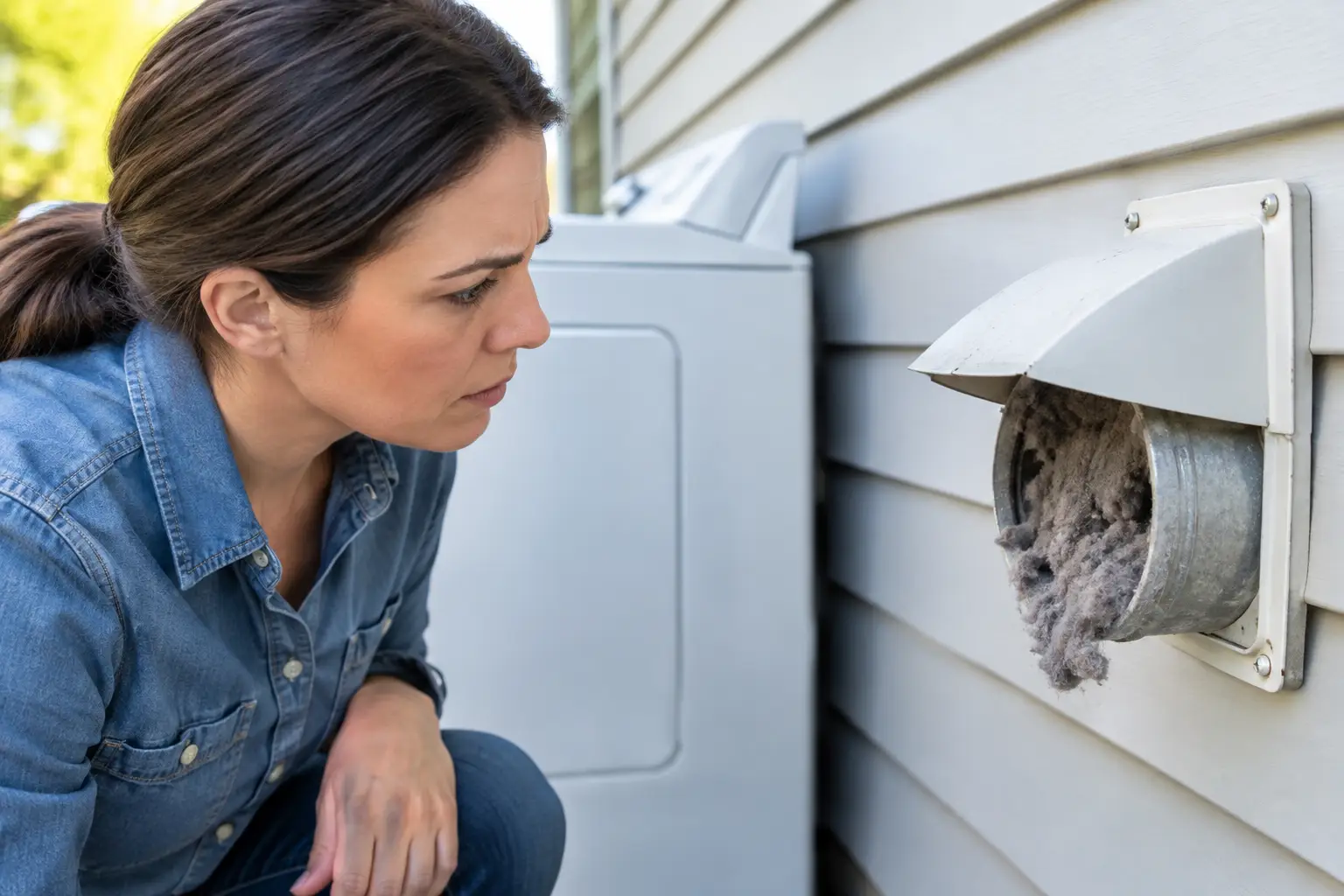
A loaded HVAC filter is one of the simplest and most common reasons for weak bedroom airflow. As a filter collects dust, pet dander, fibers, and other particles, it can restrict the amount of air the system pulls through. That restriction affects rooms at the far end of the duct run first, which is why bedrooms often reveal the problem before central areas of the home do.
Check your filter monthly during heavy AC use and replace it based on its condition and the manufacturer’s guidance. A very high-efficiency filter is not always the best choice for every system. Filters with tighter filtration can create too much resistance if the equipment was not designed for them. If you are unsure which filter rating fits your system, ask a qualified HVAC professional rather than guessing.
While you are checking the filter, inspect the visible vent covers. Remove surface dust with a vacuum brush attachment or a damp cloth, then make sure the louvers are open. This small task will not fix a heavily contaminated duct system, but it can remove an easy obstacle to airflow.
Reduce Heat Buildup Around the Bedroom
Some airflow complaints are actually heat-gain problems. A sunny bedroom, especially one on the west side of the home, can absorb enough afternoon heat to overwhelm the amount of cool air entering the room. Large electronics, lamps, and even an overcrowded closet can add to the feeling that the space never cools down.
Close blinds or thermal curtains before direct sun hits the windows. Keep furniture a few inches away from supply vents and avoid placing large pieces directly against walls that contain ductwork. If you have a window AC unit in addition to central air, make sure it is sized correctly and maintained. An oversized unit may cool the air too quickly without removing enough humidity.
Bedroom temperature is also affected by the rest of the house. If a nearby room has a major air leak, poor insulation, or a constantly open exterior door, your bedroom may be receiving less conditioned air than it needs. The best fix depends on the full airflow pattern, not just what is happening near the bed.
Look for Signs of a Duct or HVAC Problem
When simple adjustments do not improve comfort, the issue may be inside the ventilation system. Dust buildup, crushed or disconnected flex ducts, duct leaks, a dirty evaporator coil, and blower problems can all reduce airflow. Florida’s humidity makes the situation more urgent because moisture and organic debris can contribute to musty odors and microbial growth in the system.
Pay attention to warning signs such as these:
- One bedroom is consistently warmer or more humid than the rest of the home.
- Air coming from the vent feels weak even when the system is running.
- Dust returns quickly after cleaning, particularly around vent covers.
- You notice musty odors when the AC starts or after the room has been closed.
- Your energy bill rises while comfort drops.
- Family members report more irritation from dust or allergy triggers indoors.
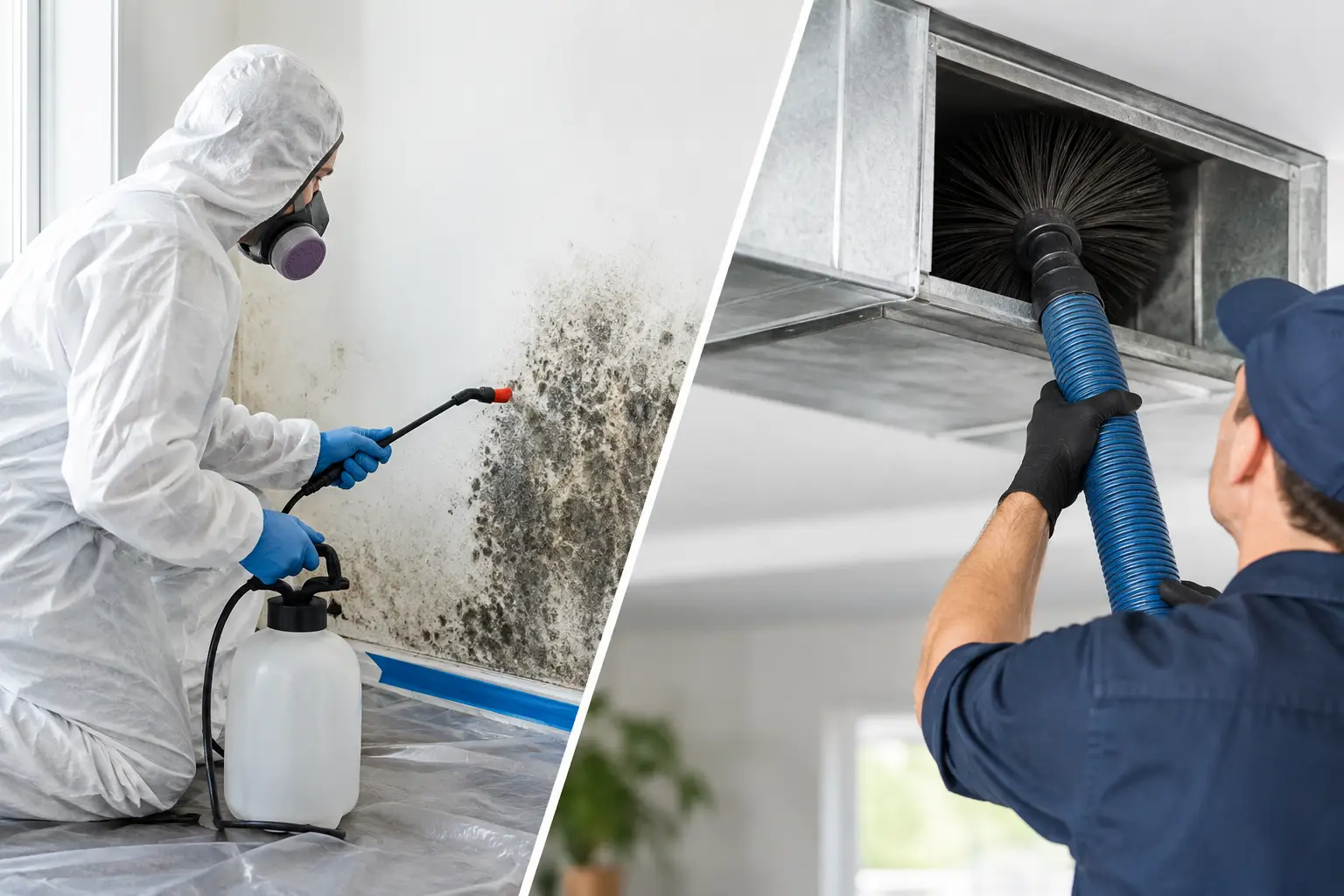
These signs do not automatically mean you need duct cleaning. A professional inspection should identify the actual cause first. For example, a duct leak requires sealing, while a dirty evaporator coil may need coil cleaning. If dust, debris, or contamination is present in the ductwork, deep mechanical cleaning and appropriate sanitization may be part of the solution.
How to Improve Bedroom Airflow in Humid Florida Homes
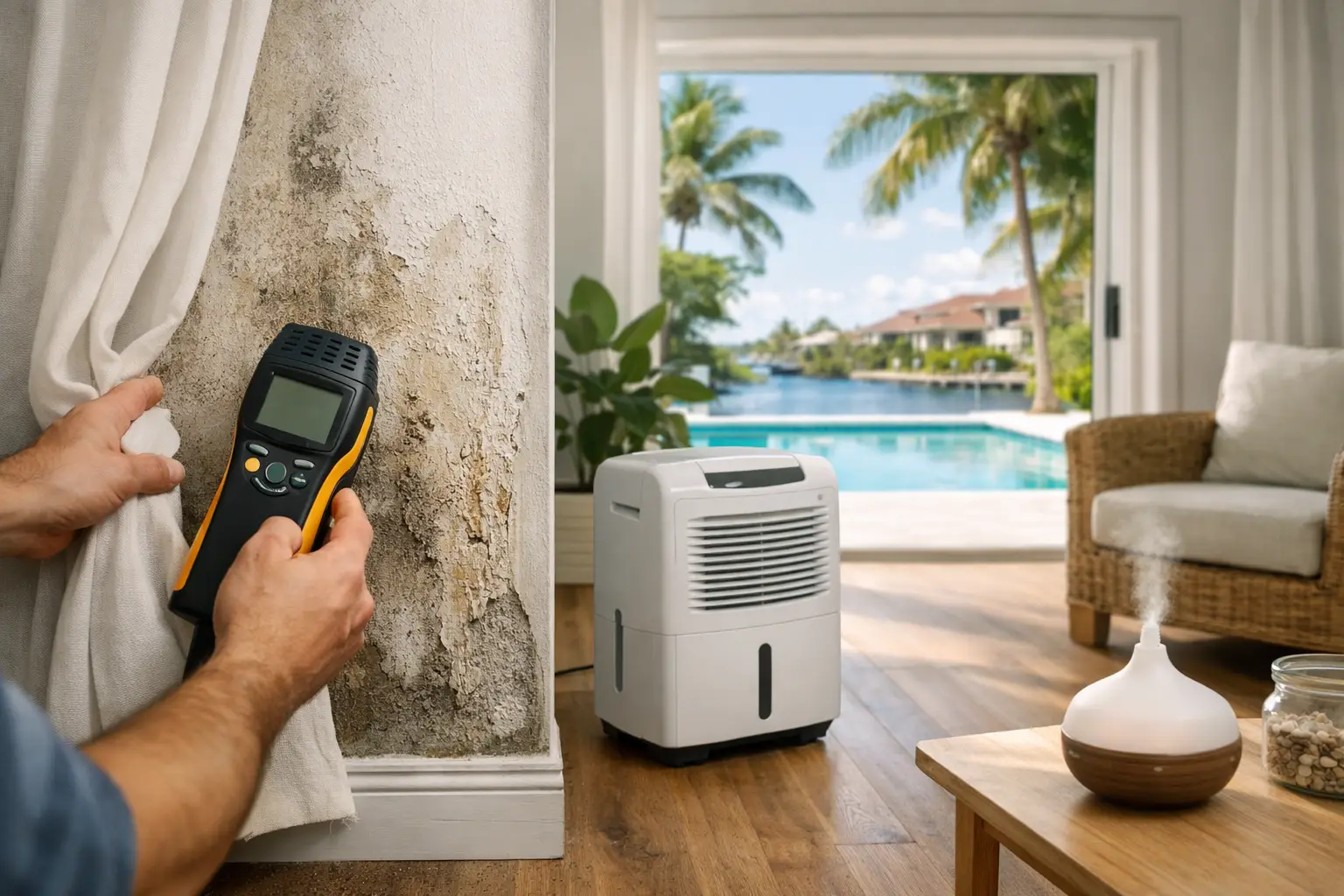
Humidity changes the way a bedroom feels. At the same thermostat setting, air with excess moisture feels warmer, heavier, and less comfortable. It can also encourage mold growth on surfaces where condensation forms. For most homes, indoor relative humidity is generally best kept around 30% to 50%, although the right setting depends on the home and equipment.
Avoid setting the thermostat extremely low just to make a humid room feel better. That can increase energy use and may not address moisture removal. Instead, check that bathroom exhaust fans vent outdoors and run them during showers. Use a properly sized dehumidifier if one room has a recurring moisture issue, but do not treat it as a substitute for correcting an HVAC or building-envelope problem.
If you see visible mold, water staining, or wet insulation near a vent, act quickly. Do not simply spray fragrance or close the vent. The moisture source needs to be found and corrected, then affected materials should be evaluated and remediated as needed.
Know When Professional Service Is Worth It
A bedroom that suddenly loses airflow can be more than an inconvenience. Restricted airflow makes your AC work longer, raises operating costs, and may shorten the life of components that are already under heavy demand in Florida. It can also leave your family breathing air that feels dusty or stale night after night.
A thorough service visit should begin with an inspection, not a sales pitch. Ask for a clear explanation of what the technician finds, including photo documentation when conditions inside ducts, vents, coils, or equipment cabinets need attention. The right recommendation may involve duct cleaning, AC coil cleaning, duct repair, sanitization, or a separate HVAC repair. It depends on the source of the restriction.
The Ductors helps homeowners identify airflow and indoor air quality concerns with a straightforward process: inspect the system, remove the buildup or contamination that is present, and verify the work so you can see what changed. That kind of evidence matters when the problem is hidden behind walls and ceilings.
Your bedroom should not be the room everyone avoids at bedtime. Start with open vents, a clean filter, proper fan direction, and a clear return-air path. If the room still feels warm, damp, dusty, or musty, treat that discomfort as useful information. A professional inspection can turn a frustrating nightly problem into a cleaner, calmer place for your family to rest.