A musty smell when the AC turns on can make any Florida homeowner think the same thing: mold. But the right fix is not always the same. Mold remediation versus duct cleaning is not a choice between two versions of one service. They solve different problems, and choosing the wrong one can leave the source of moisture or contamination behind.
In Tampa Bay and Central Florida, air conditioners work hard for much of the year. High humidity, coastal moisture, clogged condensate drains, roof leaks, and poorly insulated spaces can all create conditions where mold can grow. At the same time, everyday dust, pet dander, insulation fibers, and debris can collect inside a duct system. A professional inspection helps separate a dirty-airflow problem from an active mold problem so your family is not left breathing through the same issue after service.
Mold Remediation Versus Duct Cleaning: The Core Difference
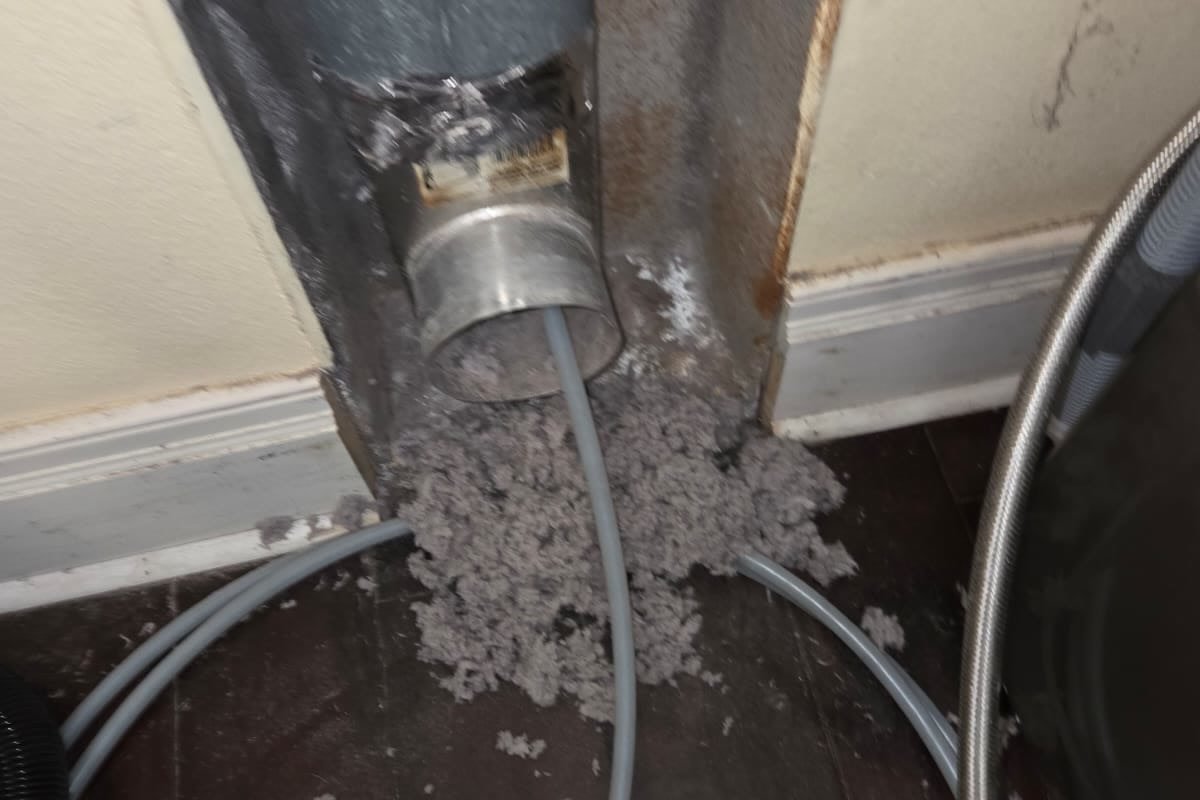
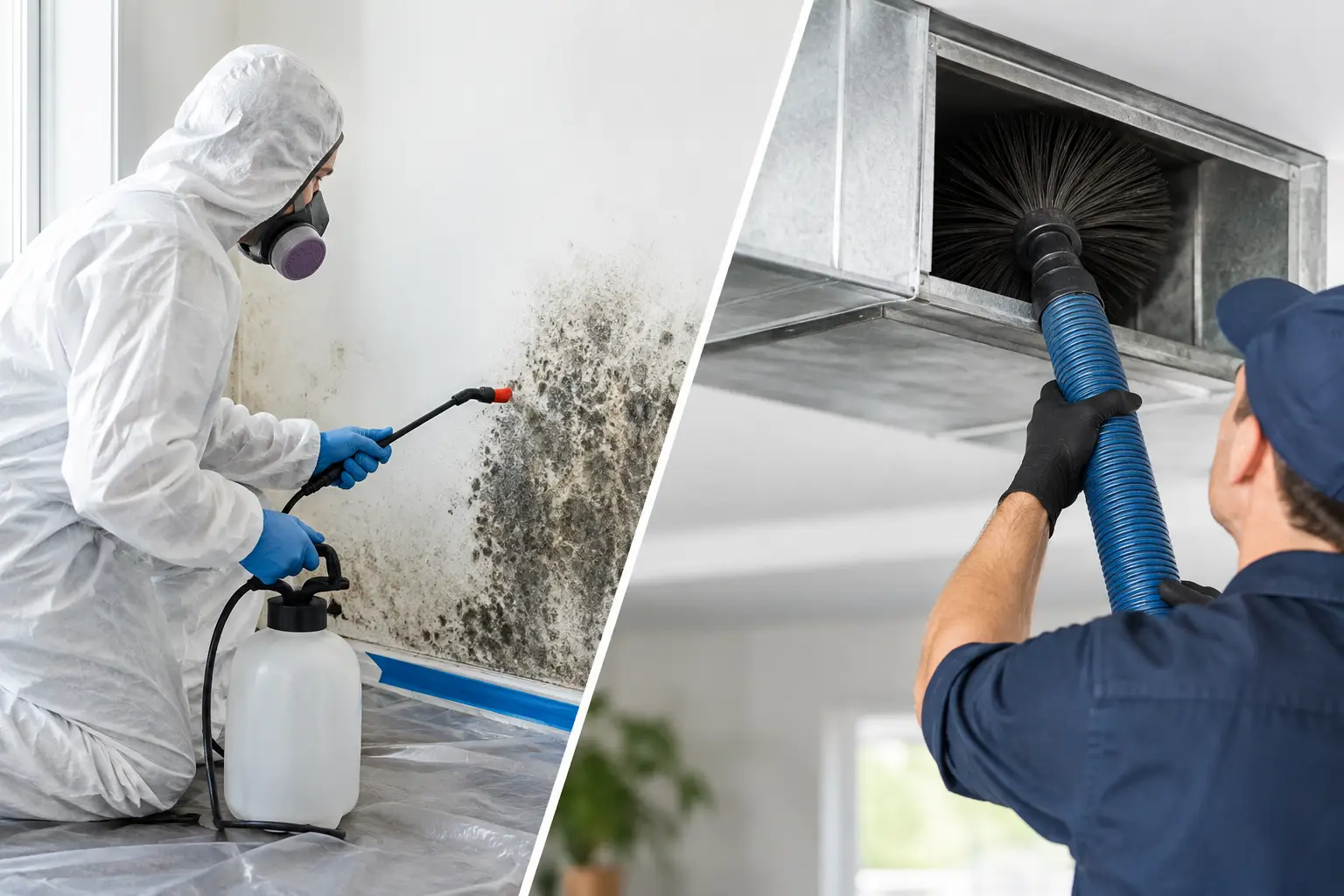
Duct cleaning is the mechanical removal of accumulated dust and debris from the HVAC system’s supply ducts, return ducts, registers, and other accessible components. Technicians use specialized equipment to dislodge and collect contaminants rather than simply pushing them farther into the system. The goal is cleaner airflow, less circulating dust, and a system that can move air more efficiently.
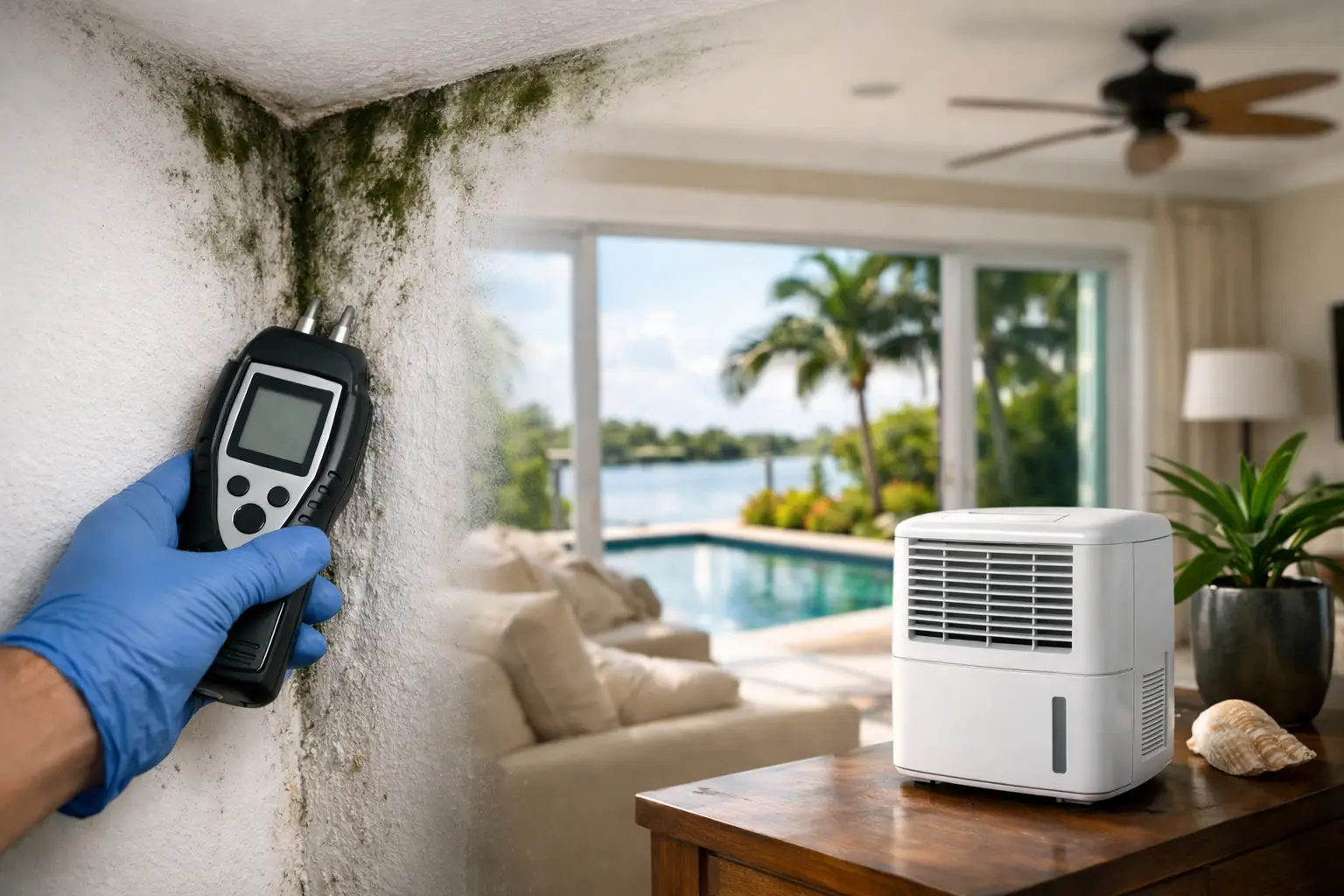
Mold remediation is source control and removal. It addresses visible or confirmed mold growth and, just as critically, the moisture condition allowing that growth to continue. Depending on where the problem is found, remediation may involve containing the affected area, removing contaminated porous materials, cleaning salvageable surfaces, treating affected HVAC components, and correcting a leak, drainage issue, or humidity problem.
Think of it this way: duct cleaning removes what has built up in your ventilation pathways. Mold remediation addresses microbial growth and the conditions feeding it. A duct cleaning alone cannot repair a leaking air handler, wet insulation, or persistent condensation. Likewise, mold remediation focused on a wall, attic, or closet will not automatically remove years of dust from the ductwork.
When Duct Cleaning Is Usually the Better First Step
Duct cleaning may be the practical starting point when your main concerns are dust, stale airflow, debris around vents, or a home that gets dirty again quickly after cleaning. This is common in homes with pets, recent renovations, older duct systems, or long stretches of heavy AC use.
You may also notice uneven cooling, reduced air coming from certain vents, or dust collecting around registers. These symptoms do not prove dirty ducts are the only cause – a clogged filter, failing blower component, crushed duct, or dirty evaporator coil can also affect airflow – but they are good reasons to have the system evaluated.
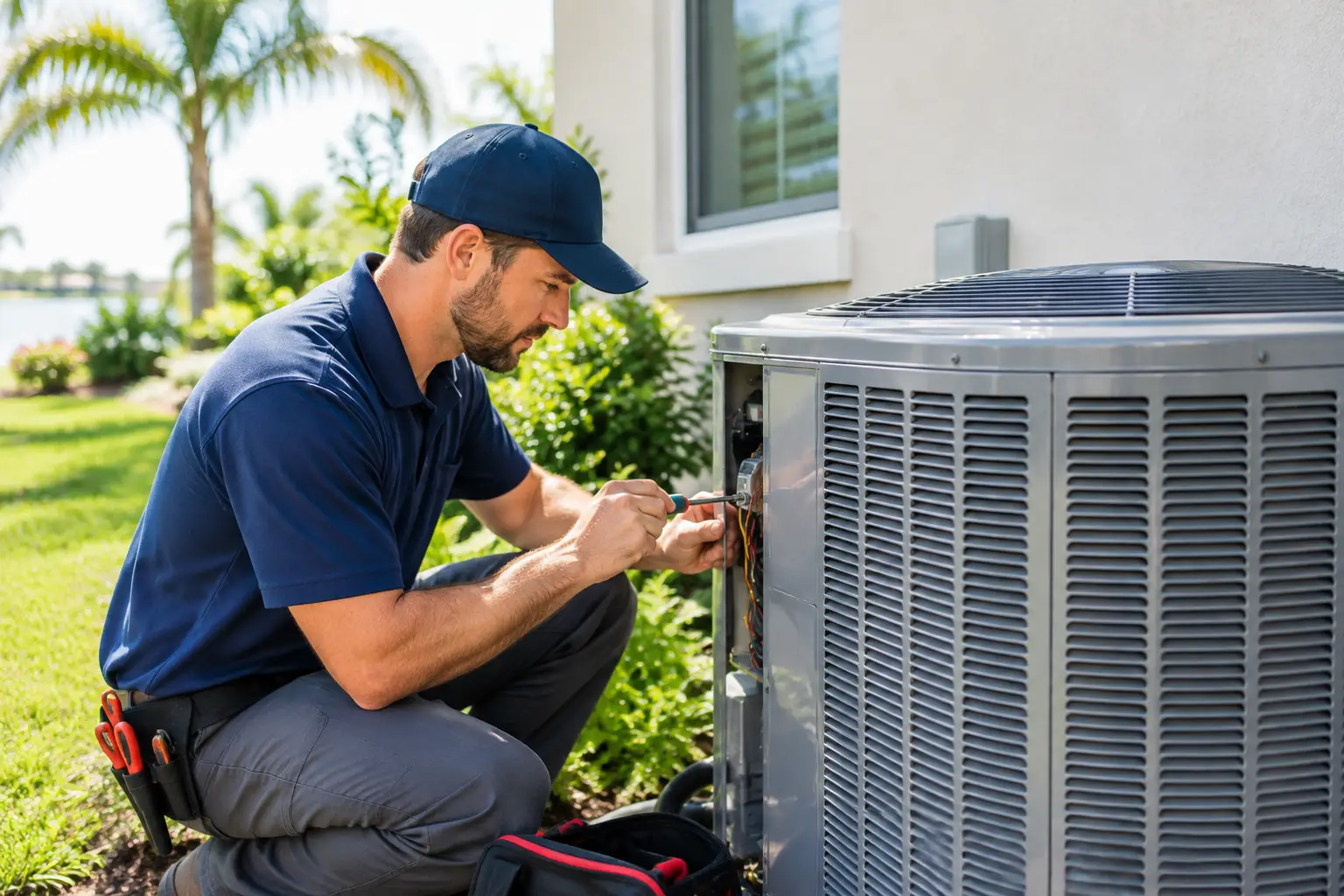
A proper duct cleaning service should begin with a look at the system, not an automatic promise that every concern is mold. The technician should explain what is present, protect the home during the process, use equipment designed to capture loosened debris, and show you what was found. Photo documentation before and after the work gives homeowners a clearer picture than a vague statement that the ducts were “sanitized.”
HVAC sanitization can be useful after cleaning when the system has odor concerns or conditions that call for an added level of treatment. It is not a substitute for mechanical cleaning, and it is not a cure for a moisture problem. If an AC system is dirty and damp, both conditions need attention.
Signs Mold Remediation Should Come First
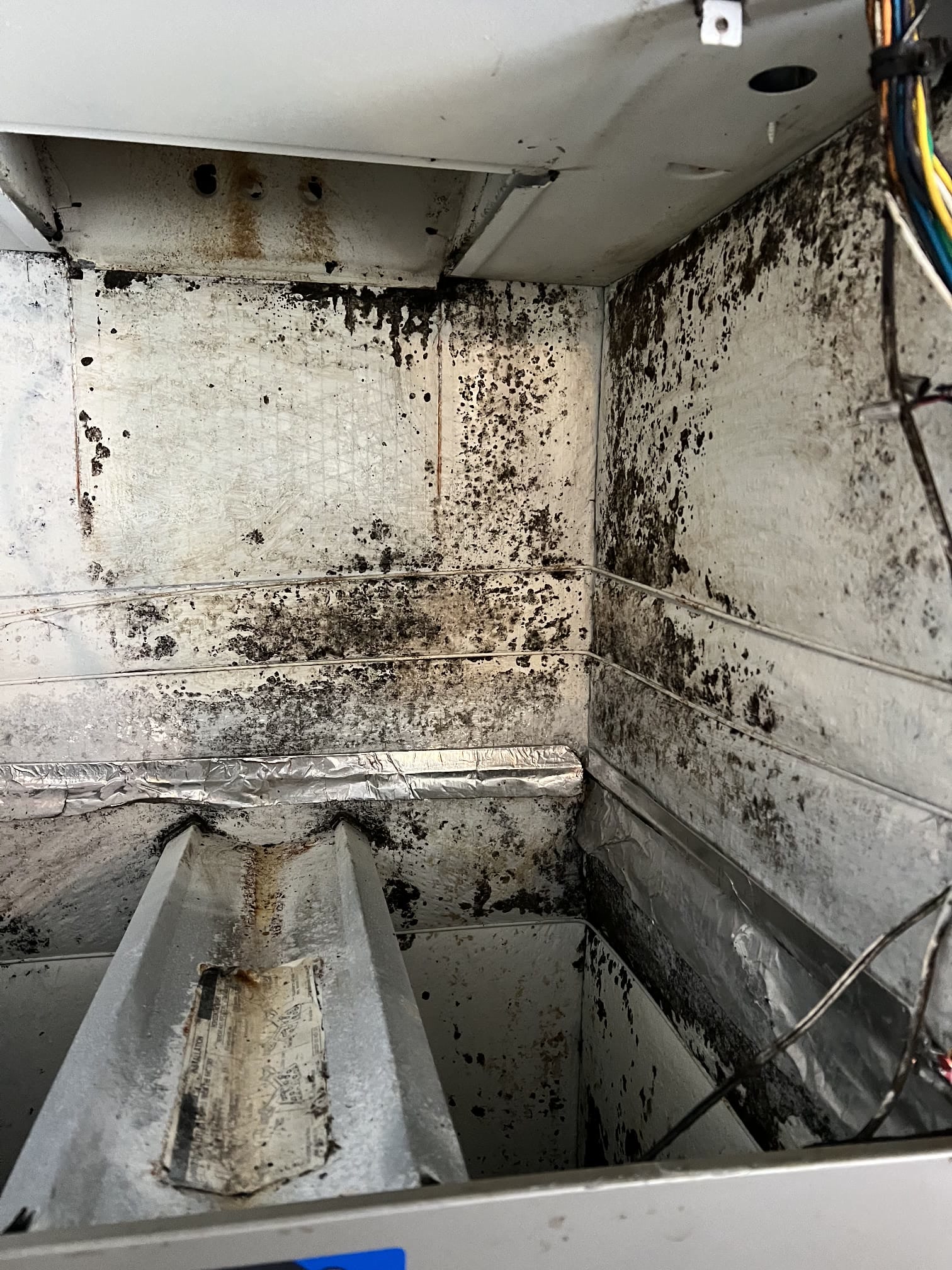
Mold remediation should take priority when there is visible growth, water damage, a known leak, wet building materials, or a strong recurring musty odor that does not go away after routine housekeeping. Mold can grow in areas homeowners rarely inspect, including around an air handler, inside a return chase, near supply vents affected by condensation, or in an attic with roof moisture.
If you can see dark, green, white, or fuzzy-looking growth, avoid disturbing it yourself. Scrubbing or spraying an unknown substance can spread particles, damage a surface, or temporarily mask the issue without addressing the source. The same caution applies to debris inside a vent. What looks like mold may be ordinary dust, staining, insulation fibers, or residue. A trained inspection is the right place to start.
Pay special attention to these situations:
- A drain pan overflows, a condensate line backs up, or the air handler has leaked.
- A roof, plumbing, or window leak has left drywall, flooring, insulation, or framing wet.
- An odor becomes stronger after the system runs or returns shortly after cleaning.
- Household members have persistent allergy-like discomfort that seems worse in one room or area of the home.
These signs do not diagnose mold by themselves. They do signal a moisture-related problem worth investigating promptly. In Florida’s humidity, waiting can turn a small repair into a larger restoration project.
What Happens When Mold Is Inside or Near Ductwork?
This is where the comparison becomes less either-or. If mold growth is confirmed on HVAC components or inside ductwork, the work may require both remediation and duct cleaning, performed in the proper order.
First, the moisture source must be identified. An oversized AC system that short-cycles, a poorly draining unit, duct sweating, or a return leak pulling humid attic air into the system can all create recurring moisture. Cleaning without correcting that condition is like mopping a floor beneath an active leak.
Next, affected materials need to be evaluated. Nonporous HVAC components may sometimes be cleaned and treated appropriately. Heavily contaminated flexible ductwork, wet insulation, or porous materials that cannot be effectively cleaned may need replacement. The correct approach depends on the material, the extent of contamination, accessibility, and whether moisture has reached surrounding building areas.
After the mold issue is contained and the source is corrected, mechanical duct cleaning can remove accumulated debris from the remaining system. Cleaning the blower area and AC coil, when needed, can also support better airflow. Optional UV light may be worth discussing for certain HVAC setups, particularly where humidity and regular system operation create ongoing microbial pressure. It is a maintenance tool, not permission to ignore drainage, filtration, or cleaning.
Why Florida Homes Need a Careful Diagnosis
Florida homeowners hear plenty of broad claims about indoor air quality. The useful question is not, “Do I need every service?” It is, “What is actually happening in my home, and what will prevent it from returning?”
Our climate creates two overlapping challenges. Air conditioning runs often, which means more air moves through the HVAC system. At the same time, outdoor humidity can find its way into attic spaces, return chases, garages, and cooling equipment. Dust can restrict airflow while moisture creates an environment where mold may develop. One problem can make the other harder to spot.
That is why a visual inspection, clear explanation, and documented findings matter. Be cautious with any provider who declares there is toxic mold without inspecting the area, pressures you to approve expensive work immediately, or relies on a quick fogging treatment as the entire solution. A responsible professional explains what they can see, what they cannot confirm without additional assessment, and what work is genuinely necessary.
A Smart Order of Operations for Homeowners
If you are unsure whether the issue is mold or dirty ducts, start by documenting the symptoms. Note where you smell odors, whether they change when the AC starts, and whether you have noticed leaks, stains, wet drywall, or condensation. Replace a loaded HVAC filter if needed, but do not assume a new filter resolves a persistent odor or moisture issue.
Then schedule a professional HVAC and indoor air quality inspection. Ask the technician to show you the areas of concern and explain whether the system needs cleaning, coil service, sanitization, remediation, repair, or a combination. You should know what problem each recommended service is intended to solve.
For many households, the path is straightforward: clean ducts and service the HVAC components when dust buildup is the issue. For a confirmed moisture or mold problem, control the water source first, remediate affected materials, and clean the system as part of a broader plan. The Ductors helps homeowners understand that difference with professional inspections, deep mechanical cleaning, and clear before-and-after evidence.
A clean-looking vent is reassuring, but the real goal is a home that feels dry, fresh, and comfortable when the AC turns on. If musty odors, visible growth, or recurring moisture are part of the picture, acting early gives you the best chance to protect your air, your HVAC system, and the people who call your home theirs.