A musty smell that returns every time the AC starts is not something Tampa Bay homeowners should simply cover with air freshener. In a humid Florida home, an HVAC sanitization service can be a practical next step when moisture, biological growth, and odor-causing contaminants affect the system. But sanitization works best as part of a complete cleaning plan, not as a quick spray-and-go substitute for removing buildup.
Your air conditioner may run for most of the year. That constant use pulls household dust, pet dander, pollen, and moisture through the system day after day. When those materials collect inside ducts, around coils, or near the air handler, they can affect air quality, airflow, and the way your home smells.
What HVAC Sanitization Actually Does
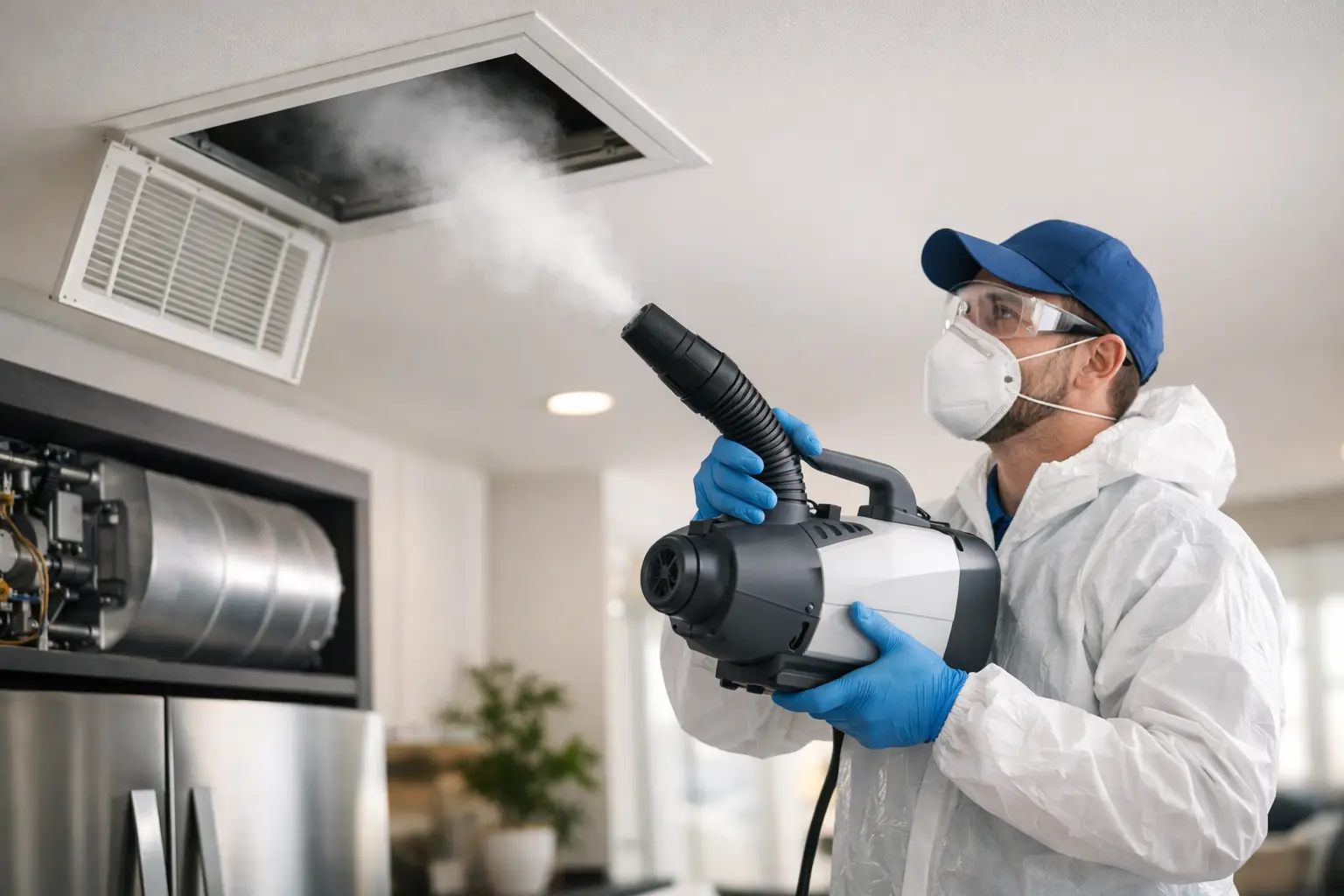
HVAC sanitization is the professional application of an approved antimicrobial or disinfecting treatment to appropriate HVAC components after they have been inspected and cleaned. The goal is to address odor-causing bacteria, mildew, and other microbial concerns that may remain on accessible surfaces.
The key word is after. Sanitizing a dirty duct system does not remove dust mats, pet hair, construction debris, or visible residue. Those materials can continue to hold moisture and contaminants, which is why deep mechanical cleaning comes first. A professional team should remove the source material, then determine whether sanitization is appropriate for the conditions found.
For homeowners, the benefit is straightforward: cleaner system surfaces can support fresher-smelling air and help reduce the conditions that allow odors and contaminants to linger. It is not a promise that every allergy symptom will disappear or that a sanitizing treatment can solve every indoor air problem. Your home’s humidity level, filtration, duct condition, and any active water issue all matter.
Signs Your Home May Need HVAC Sanitization
A sanitization recommendation should come from an inspection, not a fear-based sales pitch. Still, certain problems are worth checking sooner rather than later, especially in Central Florida’s long cooling season.
You may want a professional evaluation when you notice:
- A persistent musty, sour, or damp odor when the AC turns on
- Dark residue, visible growth, or moisture around vents, the air handler, or drain components
- Heavy dust that returns quickly after cleaning the home
- Increased allergy-like irritation or stale indoor air with no obvious source
- A recent leak, flooding event, roof issue, or extended period of high indoor humidity
- A property that has been vacant, renovated, or occupied by pets or smokers
These signs do not automatically mean mold is throughout your ductwork. A musty odor can come from a dirty evaporator coil, a clogged condensate drain, wet insulation, a plumbing issue, or humidity that is too high inside the home. That is why a clear inspection and explanation matter more than guessing.
Why Florida HVAC Systems Need Extra Attention
Florida air conditioning systems manage two jobs at once: cooling the home and removing moisture from the air. When either function is compromised, humidity can build up where it should not. Coastal moisture, frequent storms, high outdoor humidity, and nearly year-round AC use create more opportunities for condensation and biological growth than homeowners in drier climates may face.
A dirty coil can reduce efficiency and hold moisture. Leaky or poorly insulated ducts can draw humid attic or crawlspace air into the system. An oversized AC unit may cool a home quickly but fail to run long enough to remove adequate moisture. Sanitization can help address contaminated surfaces, but it cannot correct these underlying conditions by itself.
That distinction protects your investment. If a technician finds an active water source, damaged duct insulation, a drain problem, or significant visible mold, the right solution may include HVAC repair or targeted mold remediation before any sanitizing treatment is applied.
A Proper HVAC Sanitization Service Starts With Cleaning
A reliable service should feel methodical, not mysterious. At The Ductors, the process begins with looking at the system and explaining what is actually present. Homeowners deserve to see the conditions that support a recommendation, whether that means photos of buildup, problem areas around the air handler, or evidence of restricted airflow.
1. Inspect the system and identify the source
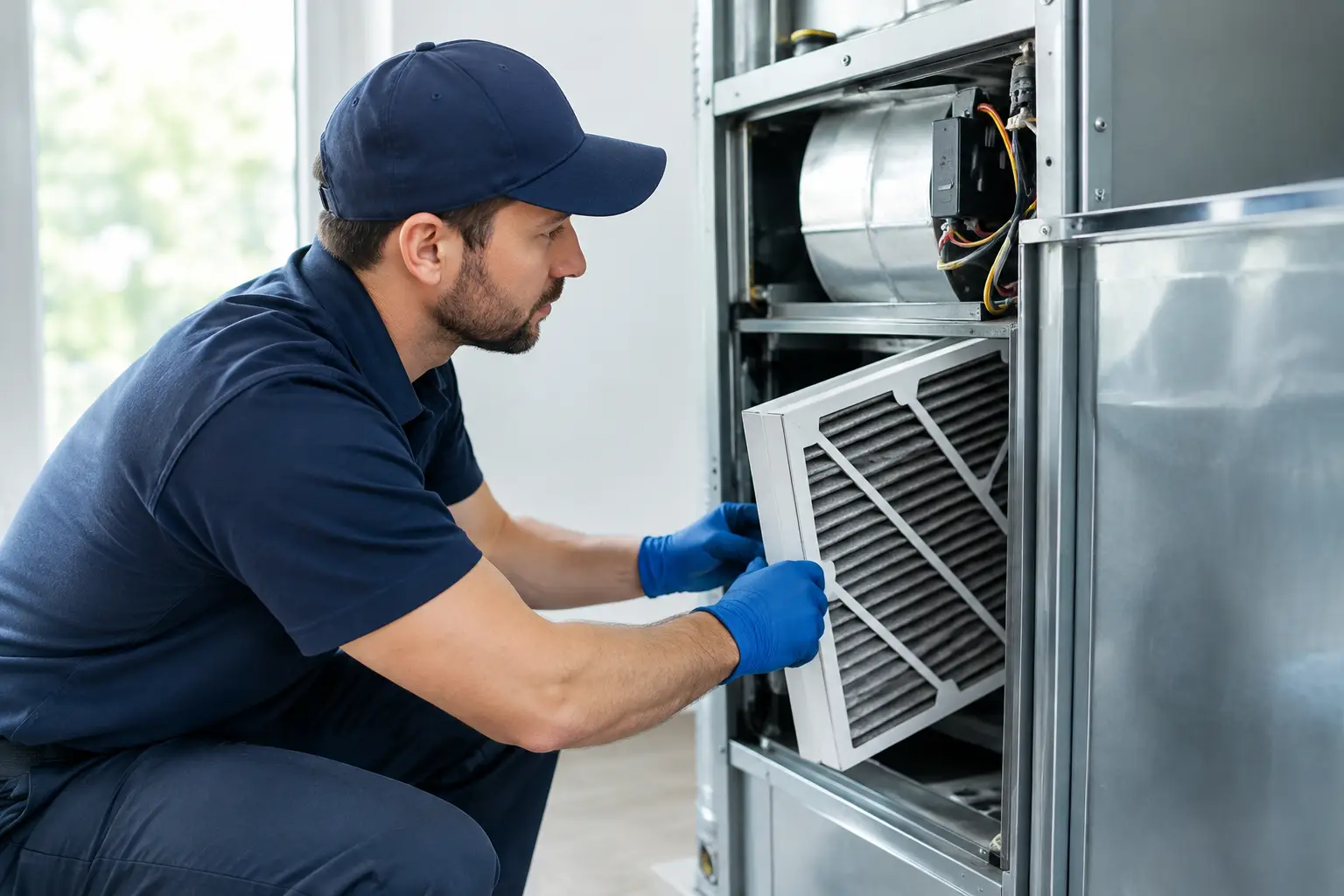
Technicians examine accessible ductwork, supply and return vents, the air handler, blower area, coil condition, and drainage components when applicable. They also look for moisture concerns, damaged ducts, excessive debris, and conditions that may need attention beyond cleaning.
2. Remove dust and debris mechanically
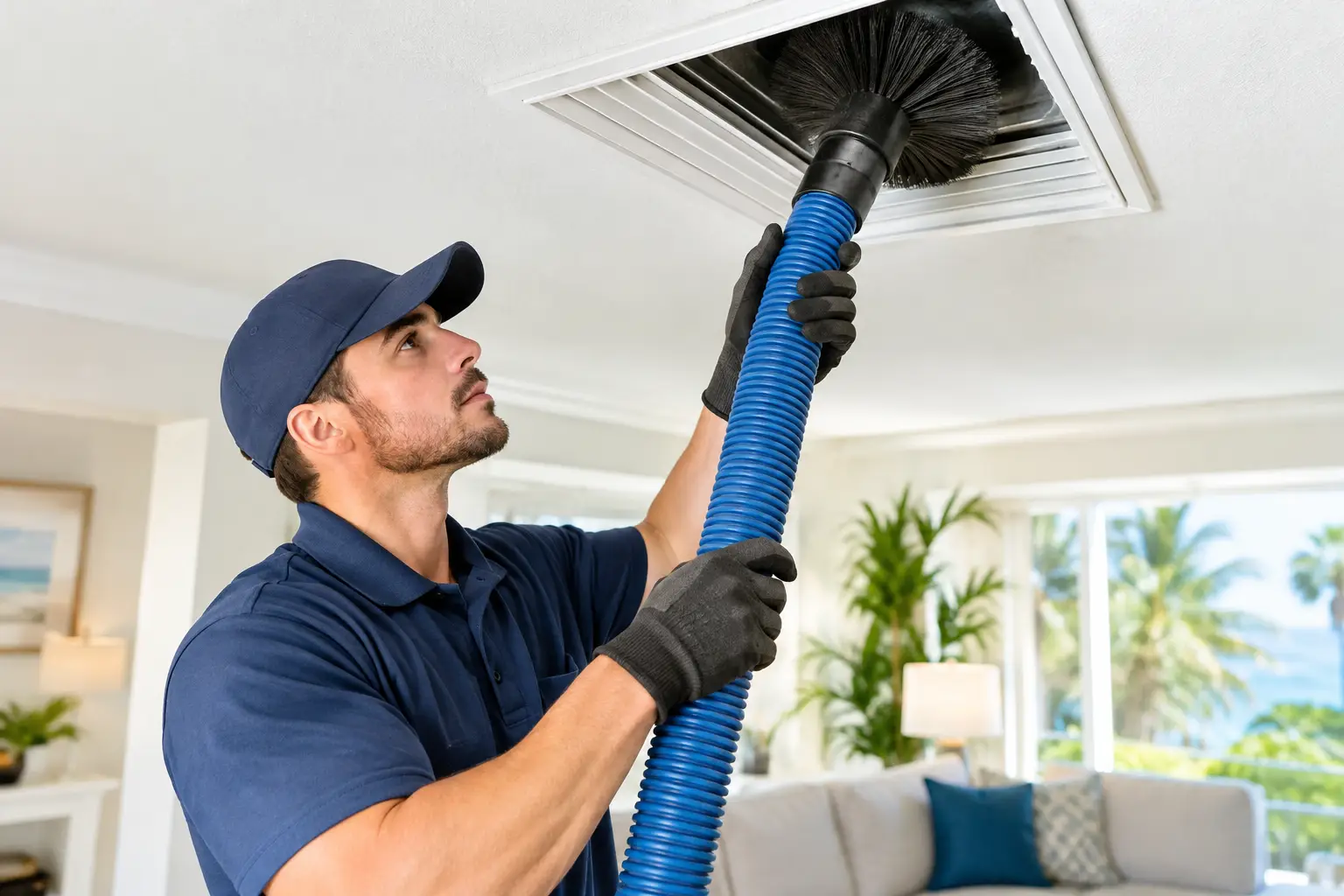
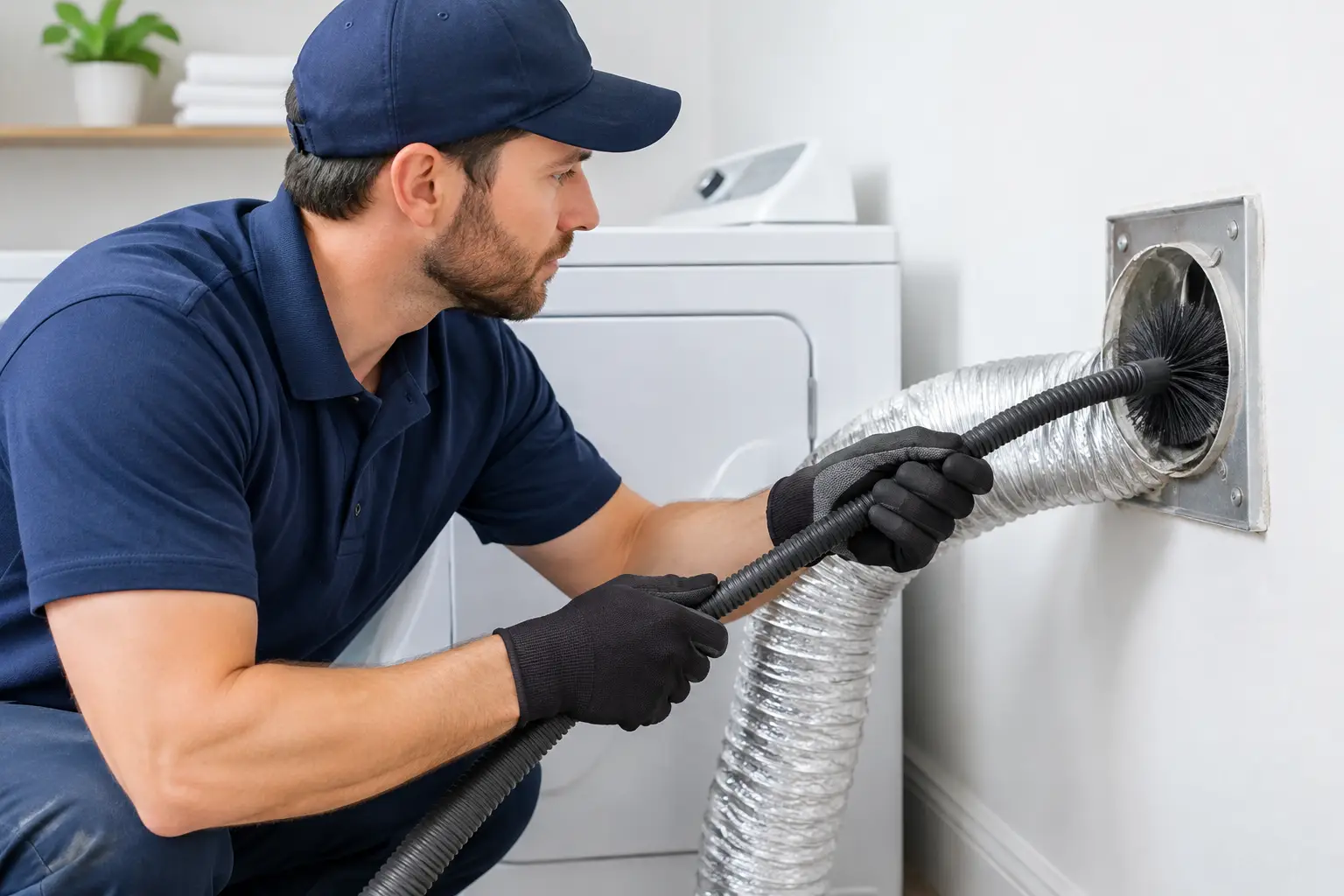
Professional equipment creates controlled negative pressure while agitation tools loosen accumulated material from ducts and components. Registers and surrounding work areas should be protected, and the crew should explain what they are cleaning before work begins. This is the step that physically removes the buildup a chemical treatment cannot.
3. Apply sanitization where it is appropriate
After cleaning, a technician may apply an HVAC-safe product to suitable surfaces using the correct method and amount. The treatment should be selected for HVAC use and applied according to its label instructions. You should know what is being used, why it is recommended, and whether there are any instructions for occupants, pets, or system operation.
4. Verify the work and discuss prevention
Before leaving, the team should review the completed work, share before-and-after documentation when available, and explain practical next steps. Those may include changing filters on schedule, addressing a drainage issue, improving humidity control, or considering UV light installation for certain air-handler environments.
Sanitization, UV Lights, and Mold Remediation Are Different Services
These services are often grouped together, but they solve different problems.
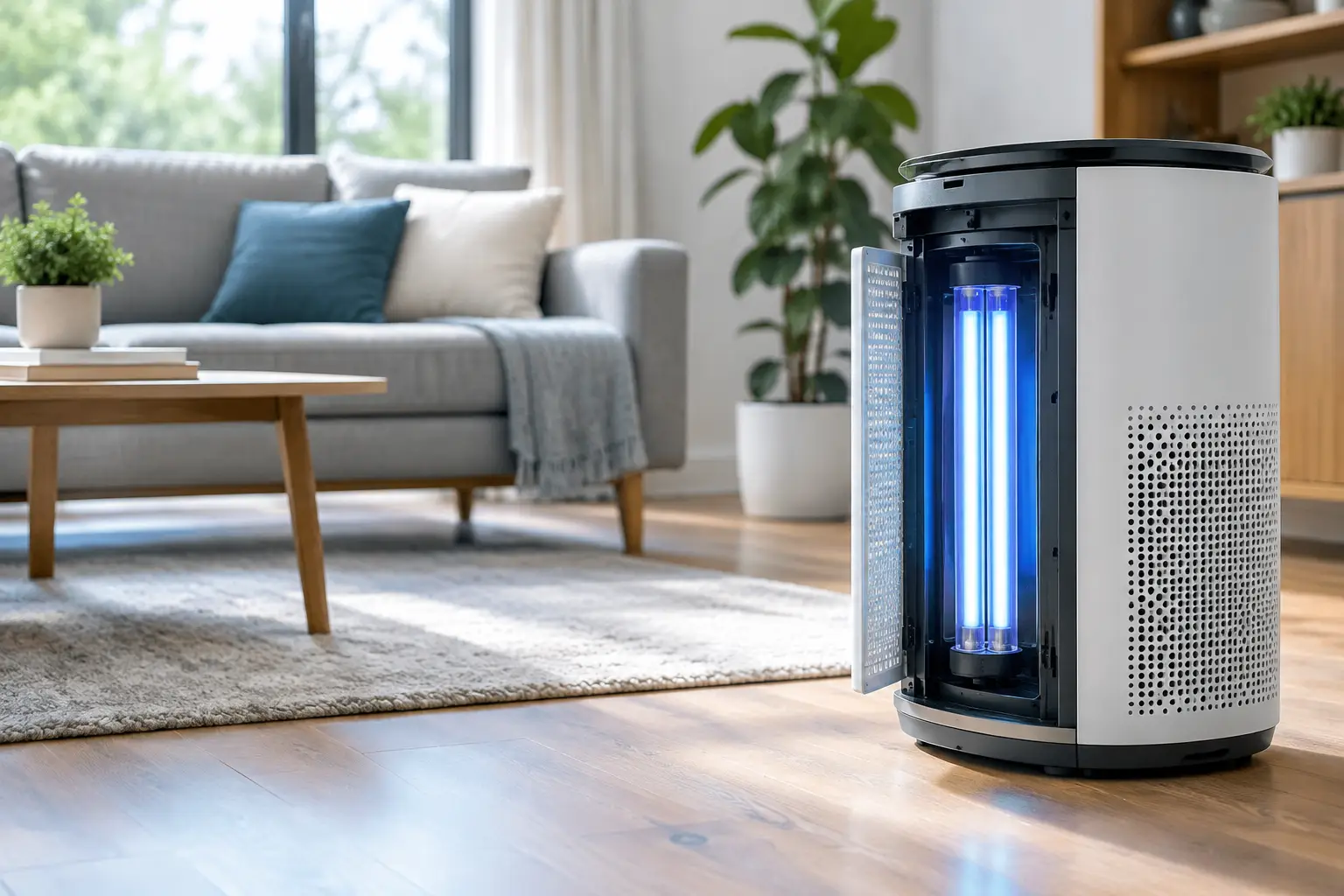
Sanitization is a targeted treatment after cleaning. It can be useful when odor-causing or microbial concerns are present on system surfaces. UV lights are installed near specific HVAC components, commonly around the coil area, to help limit microbial growth over time. They are a maintenance tool, not a substitute for cleaning an already dirty system.
Mold remediation is more involved. If there is widespread visible growth, water-damaged building material, or an active moisture source, spraying a sanitizer is not enough. The affected material and moisture problem must be addressed correctly. A trustworthy contractor will tell you when the scope has moved beyond routine HVAC maintenance.
How Often Should You Schedule HVAC Sanitization?
There is no honest one-size-fits-all interval. Many homes do not need sanitization every year. The right timing depends on what an inspection shows, how the system is maintained, whether the home has pets, whether anyone smokes indoors, and how well humidity is controlled.
For Florida households, it makes sense to have the HVAC system evaluated after water intrusion, a mold concern, a major renovation, a long vacancy, or recurring odors. Otherwise, regular filter changes, coil maintenance, drainage checks, and periodic duct cleaning based on actual buildup can prevent many of the conditions that lead to a sanitization recommendation.
Commercial properties may need more frequent review because of higher occupancy, longer operating hours, and more dust entering through doors and common areas. Offices, retail spaces, and managed facilities benefit from a maintenance schedule built around their specific use rather than a generic calendar reminder.
Questions to Ask Before Approving the Work
A good HVAC sanitization service should be easy to understand. Ask the technician what they found, where it is located, and whether the system has been cleaned before treatment. Ask what product will be used and whether the recommendation addresses a current concern or is simply preventive.
Also ask what will keep the issue from returning. If the answer ignores humidity, drainage, filters, coil condition, or a possible leak, you may be treating the symptom without protecting the system.
Clean air starts with knowing what is inside your HVAC system, not assuming. If your home has recurring odors, visible moisture, or air that just does not feel fresh, a professional inspection can replace uncertainty with a clear plan for helping your family breathe cleaner and keeping your AC working the way it should.