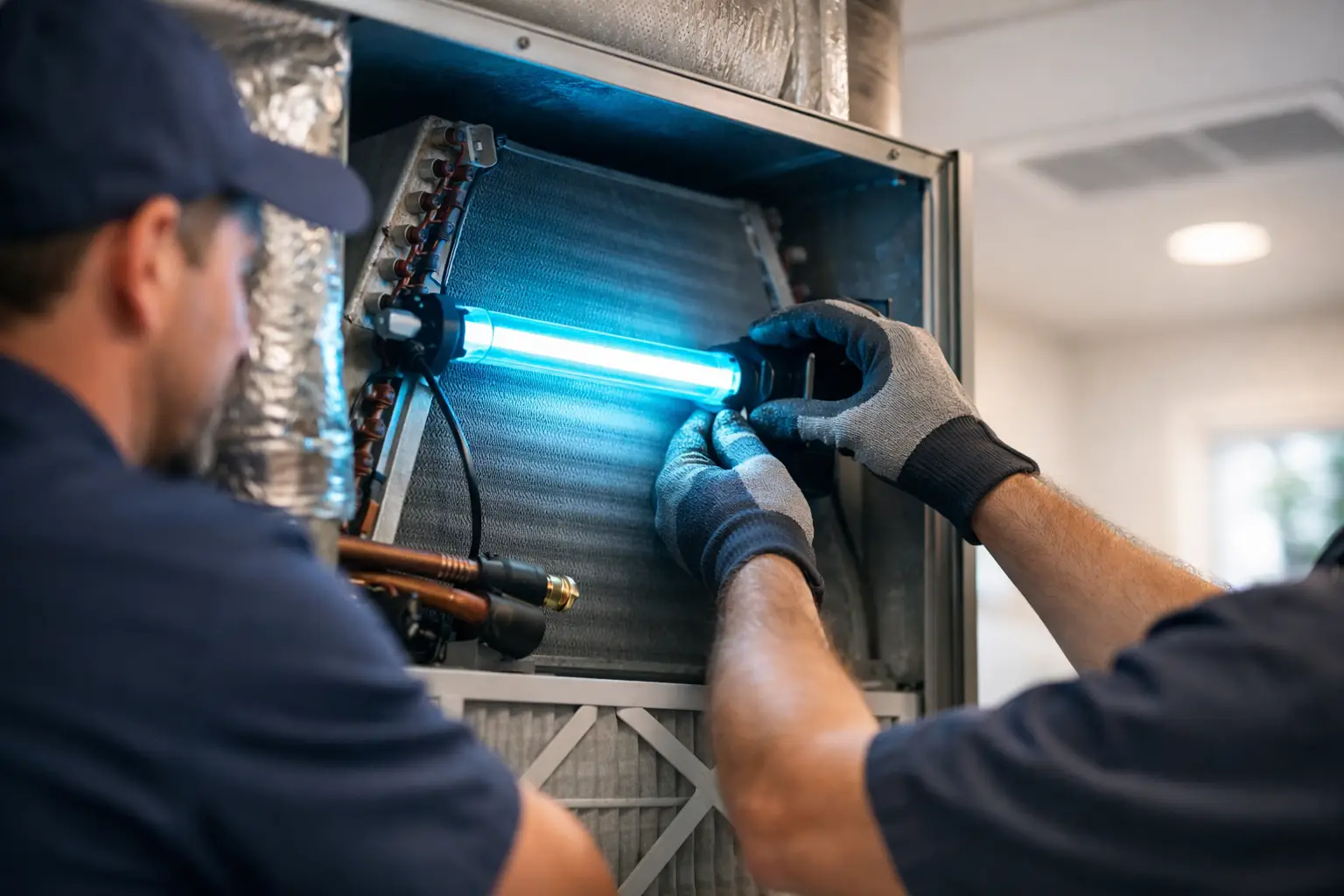
That musty smell when your AC starts, recurring dust around supply vents, and dark buildup near the indoor unit are not problems Florida homeowners should ignore. In a region where air conditioners run hard for much of the year, UV light HVAC installation can be a practical way to target microbial growth where it often begins: inside the air handler and around the evaporator coil.
A UV system is not a replacement for duct cleaning, coil cleaning, filter changes, or correcting a moisture problem. It is a targeted maintenance upgrade that can help keep the wettest part of the HVAC system cleaner between service visits. For families concerned about odors, mold pressure, allergies, and the performance of an overworked AC system, that distinction matters.
What UV Light HVAC Installation Does
HVAC UV lights use ultraviolet-C energy to disrupt the growth of certain microorganisms on surfaces exposed to the light. In a residential system, the lamp is typically installed inside or near the indoor air handler, with the light aimed at the evaporator coil, drain pan, and nearby cabinet surfaces.
Those locations deserve attention because they are frequently cool, damp, and dark. As warm Florida air passes over a cold evaporator coil, moisture condenses and drains away. When drainage is slow, dust collects, or the system has existing contamination, the coil area can become a place where microbial growth and odors develop.
A properly selected UV lamp works continuously while the system is powered, helping limit new growth on the surfaces it reaches. That can support a cleaner coil, reduce musty odors tied to the air handler, and help the system maintain better airflow over time. A cleaner coil can also support efficiency because heavy buildup makes it harder for air to move and heat to transfer.
The key phrase is surfaces it reaches. UV lights are most effective as coil-treatment equipment. They are not a magic solution for dirty ductwork, household dust, pet dander, pollen, or every airborne particle in your home. If the ducts are loaded with debris or the coil is already coated with buildup, cleaning comes first.
Why Florida HVAC Systems Need Extra Protection
Tampa Bay and Central Florida homes face a combination that puts HVAC systems under pressure: high humidity, long cooling seasons, coastal moisture in many areas, and frequent cycles of rain and heat. Your AC does more than cool the home. It also removes moisture, meaning the indoor equipment regularly handles condensation.
That moisture is normal, but it needs to drain correctly and the surrounding system needs to stay clean. A clogged drain line, neglected filter, dirty coil, duct leaks, or oversized equipment can all add to the problem. UV lights may be part of the answer, but they cannot correct the underlying cause of persistent moisture or visible mold.
For example, if your home has a damp smell that returns quickly after cleaning, a technician should inspect the evaporator coil, drain pan, condensate line, insulation, ducts, and air handler cabinet. If there is visible contamination or a water issue, the priority is removal, cleaning, and repair. Installing a UV light over an uncleaned coil may slow future growth, but it does not erase what is already there.
This is why homeowners get better results when UV installation is part of a complete indoor air quality plan rather than a stand-alone purchase.
When a UV Light May Make Sense
A UV system can be worth considering when an inspection shows recurring buildup at the coil or air handler, especially after the equipment has been professionally cleaned. It can also be useful for homes with persistent musty HVAC odors, high humidity concerns, allergy-sensitive family members, or air conditioners that operate almost nonstop through the warmer months.
It may also be a sensible maintenance choice for rental properties, vacation homes, and commercial spaces where HVAC systems see heavy use and regular oversight is harder to maintain. In offices or retail spaces, clean HVAC components can support a more comfortable environment for employees and visitors while helping protect equipment performance.
Still, it depends on the condition of your system. If the main issue is poor airflow caused by clogged ducts, a restrictive filter, failing blower components, or a dirty coil, those items should be addressed directly. If the problem is dust in the living area, source control, filtration, and duct cleaning may offer more noticeable results than UV alone.
A trustworthy recommendation starts with an inspection, not a one-size-fits-all sales pitch.
What a Professional Installation Should Include
The location, lamp type, and condition of the HVAC equipment all affect whether UV installation will deliver value. A trained technician should inspect the indoor unit and explain where the lamp will be placed, what surface it will treat, and whether cleaning is needed before installation.
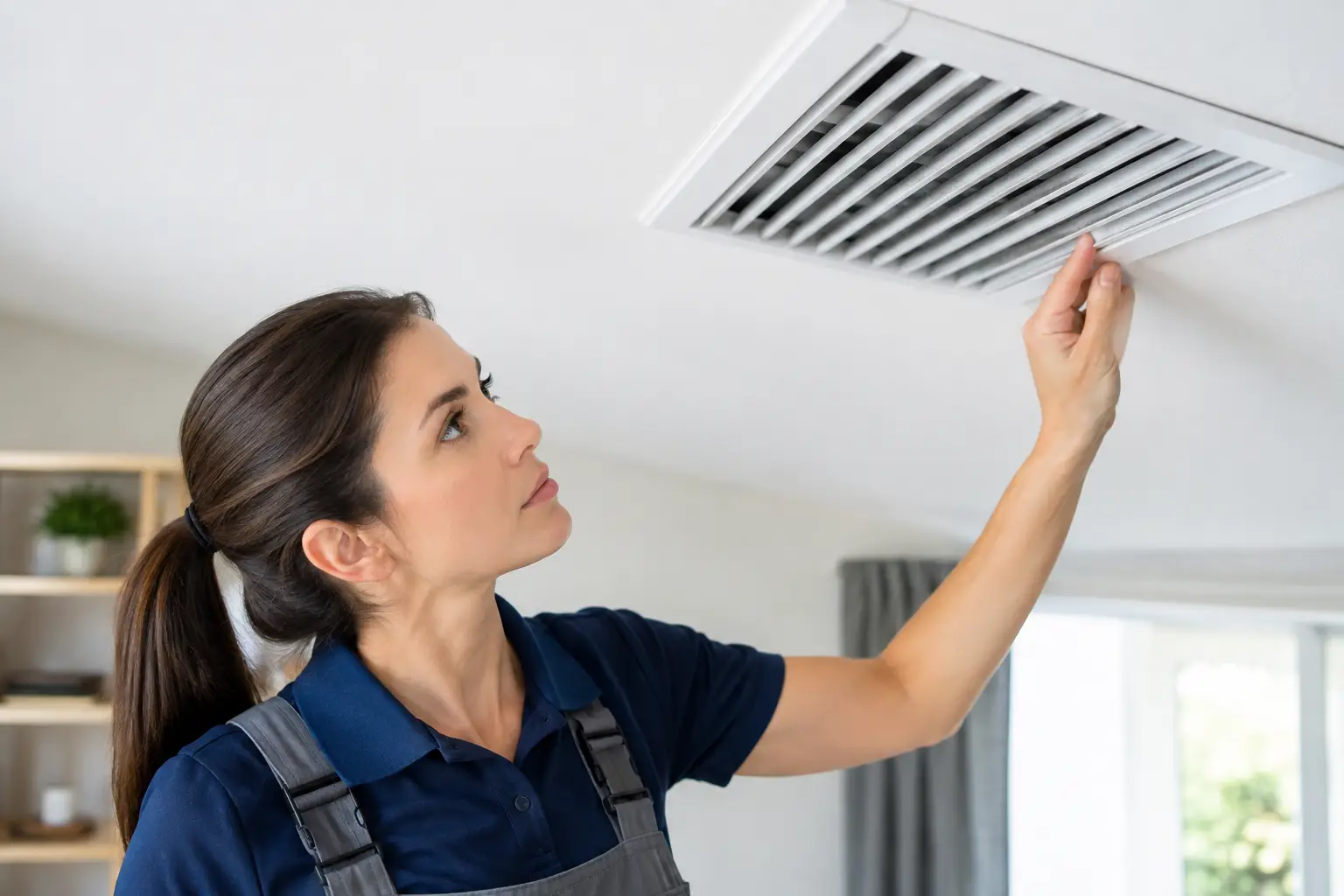
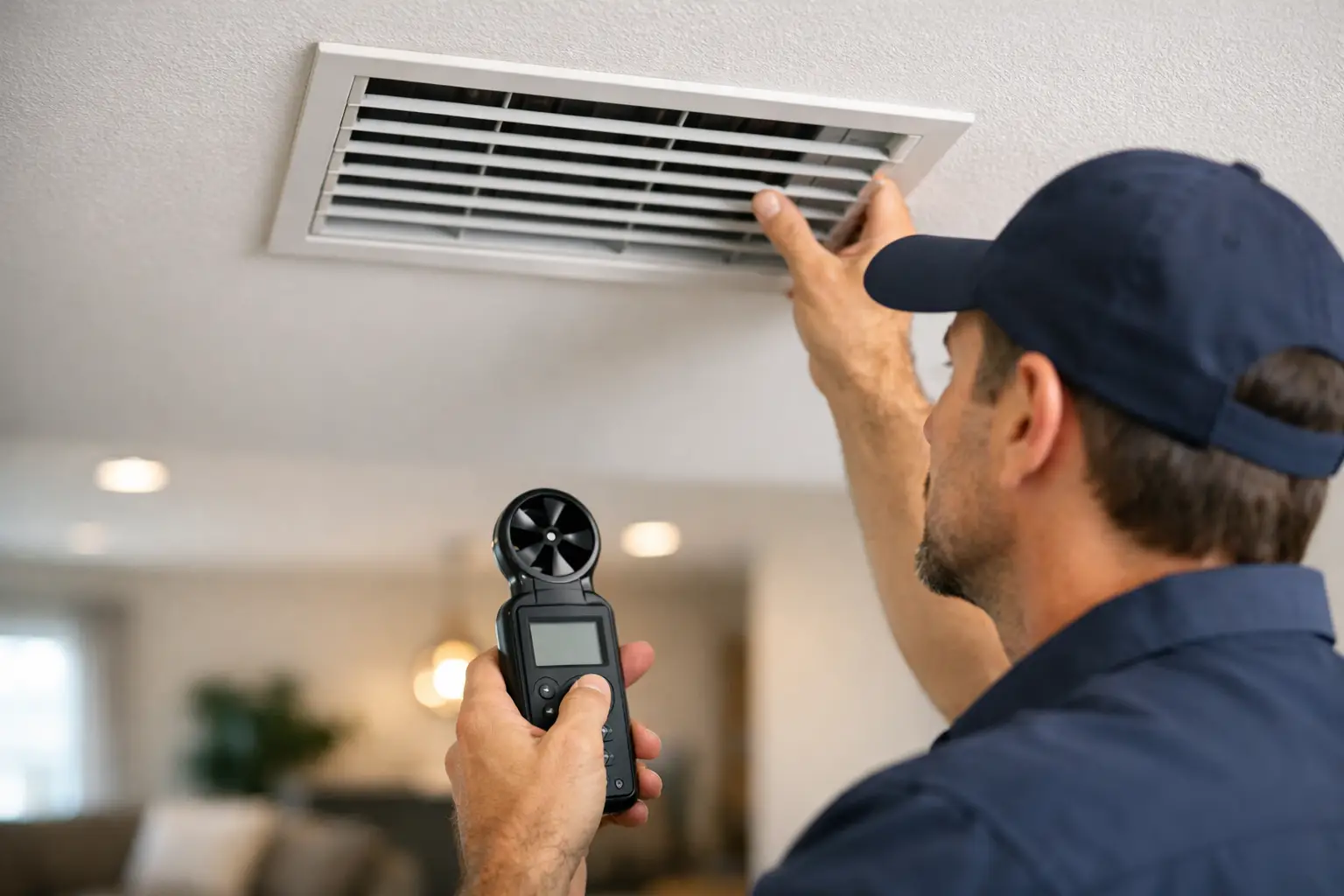
First, the technician evaluates the air handler, coil access, drain pan, airflow, and signs of moisture or buildup. Photo documentation can be especially helpful here because it lets you see what is happening inside equipment that is usually out of sight.
Next comes any necessary cleaning. Mechanical removal of dust and debris, coil cleaning, HVAC sanitization when appropriate, and drain-line service create the clean starting point a UV light needs. Installing a lamp in a contaminated cabinet without dealing with the existing condition is not the standard homeowners should accept.
Then the lamp is installed in a position that exposes the targeted surfaces without interfering with wiring, panels, drainage, or future maintenance. The technician should secure the unit, confirm electrical operation, reinstall access panels properly, and explain the service interval. Many UV bulbs require periodic replacement because their germicidal output declines over time, even if the lamp still appears to be glowing.
Finally, you should know what was completed and what to watch for. Clear communication about coil condition, drainage, filter changes, bulb replacement timing, and any recommended repairs helps you make decisions before a small HVAC issue becomes a costly breakdown.
UV Light HVAC Installation Is Not a Substitute for Cleaning
The best indoor air results usually come from combining services that solve different parts of the problem. Duct cleaning removes accumulated dust and debris from the air-distribution system. Coil cleaning targets buildup that restricts HVAC performance. Sanitization may help address certain microbial concerns after cleaning. UV lights help discourage regrowth at the coil and air handler surfaces they can reach.
Think of it like keeping a kitchen clean. A UV light is closer to ongoing protection for a specific area, not the act of washing the entire room. You still need to remove the dirt, correct leaks, and maintain the space.
This also protects your investment. A neglected coil can reduce airflow, contribute to longer run times, and strain the equipment. A clogged condensate system can lead to water damage and humidity problems. No light can overcome those mechanical issues, but a properly installed UV system can support a cleaner operating environment once those issues are addressed.
Questions to Ask Before You Approve the Work
Ask whether the technician found visible coil buildup, drainage concerns, or signs of moisture inside the air handler. Ask if the coil will be cleaned before installation and exactly where the lamp will be mounted. You should also ask about bulb replacement, warranty coverage, ongoing maintenance, and whether the selected system is designed for coil treatment or airborne treatment.
It is also fair to ask what results are realistic. A professional should explain that UV lights can help with microbial control and odors connected to HVAC surfaces, but they do not eliminate every indoor air contaminant or guarantee medical outcomes. Straight answers are more valuable than oversized promises.
For homeowners in humid Florida communities, the most useful question may be simpler: what is actually causing the problem in my system? A clear inspection and evidence-based recommendation help you spend money on the service that addresses the source.
A Cleaner AC Starts at the Source
If your air conditioner smells musty, seems to run longer than it should, or shows signs of moisture and buildup around the indoor unit, do not wait for the issue to spread through the system. The Ductors can inspect the condition of your HVAC components, explain what the evidence shows, and recommend cleaning, sanitization, or UV protection only where it makes sense.
Clean air is not about adding another gadget to your HVAC system. It is about removing what does not belong there, protecting the areas most vulnerable to moisture, and keeping your family comfortable through another long Florida cooling season.