Your AC may be working almost nonstop, yet certain rooms still feel stuffy, dusty, or damp. In a Florida home, that is more than an annoyance. High humidity, long cooling seasons, and coastal moisture can turn your HVAC system into a collection point for dust, allergens, and moisture-related debris. Knowing the best signs ducts need cleaning helps you address the problem before comfort, air quality, and system performance suffer.
Duct cleaning is not a cure-all for every HVAC issue. A dirty filter, failing blower motor, leaking duct, clogged drain line, or undersized system can create similar symptoms. The right move is a professional inspection that identifies what is actually happening inside the system, then gives you clear evidence and practical options.
1. Dust Returns Soon After You Clean
A little household dust is normal. But if you dust furniture and see a new layer within a day or two, especially around supply vents, your air system may be circulating built-up debris.
Every time the AC turns on, return ducts pull air from the home. Along with that air comes pet dander, lint, skin cells, insulation fibers, and outdoor particles that make their way indoors. Filters capture a lot, but not everything. Over time, material can settle along duct surfaces and around components that influence airflow.
Look closely at vent covers, ceiling fans, and the area beneath supply registers. Visible dark dust around vents is a reason to inspect the system, though it does not automatically prove that every duct needs deep cleaning.
2. You Notice a Musty or Stale AC Odor
Florida humidity creates ideal conditions for musty smells, particularly when cool air moves through a system with moisture present. If an odor starts when the AC kicks on or becomes stronger near certain vents, it deserves attention.
The source could be debris in the ducts, moisture around the evaporator coil, microbial growth near the air handler, a dirty drain pan, or even a hidden plumbing or roof leak. That is why odor should be investigated instead of masked with candles or air fresheners.
A trained technician can inspect the ductwork, coil area, drain components, and accessible system surfaces to pinpoint the source. If contamination is found, deep mechanical cleaning and appropriate HVAC sanitization may be recommended. If the odor is coming from somewhere else, you should know that too.
3. Allergy or Respiratory Symptoms Seem Worse Indoors
When family members experience more sneezing, itchy eyes, congestion, or throat irritation at home, the HVAC system is worth checking. Duct cleaning cannot treat allergies or replace medical advice, but reducing accumulated dust, dander, and airborne irritants may help create a cleaner indoor environment.
Pay attention to the pattern. Are symptoms worse after the AC runs? Do they improve when you leave the house? Is there more pet hair and dust near returns? Those details help an inspection focus on the likely contributors.
For homes with children, older adults, pets, or family members sensitive to indoor air quality, it also makes sense to stay current on filter changes and ask about the condition of the coil and return-side ductwork. These areas do a lot of the work and often collect the most debris.
4. Some Rooms Have Weak Airflow
A bedroom that never cools properly can make the whole house feel unreliable. Before assuming you need a new AC unit, check the basics: make sure vents are open, furniture is not blocking returns, and the filter is not overdue for replacement.
If those basics are handled and airflow is still weak, debris inside ductwork or at the blower and coil may be restricting movement. Duct leaks, crushed flex duct, poor duct design, and balancing issues can also be responsible. Cleaning helps when buildup is the problem, but it will not fix damaged or disconnected ducts.
A proper evaluation should include more than looking at a vent cover. It should assess airflow concerns, inspect accessible duct runs, and explain whether cleaning, repair, or HVAC service is the best next step.
5. Your Utility Bills Rise Without a Clear Reason
Air conditioning is already one of the biggest energy costs in Tampa Bay and Central Florida. A sudden increase in your electric bill can have several causes, including hotter weather, thermostat changes, aging equipment, refrigerant problems, dirty coils, and restricted airflow.
When dust and debris interfere with airflow, the system may run longer to reach the temperature you set. That extra runtime adds wear and can raise operating costs. Clean ducts alone will not guarantee a specific bill reduction, but removing meaningful buildup can support more efficient airflow as part of a well-maintained HVAC system.
If you see higher bills alongside weak airflow, excess dust, or longer cooling cycles, do not wait until the system stops keeping up. An inspection can help separate a cleaning need from a mechanical repair.
6. You See Debris or Dark Buildup Around Registers
Visible particles blowing from vents, loose debris behind register covers, or dark buildup near air outlets are clear reasons to look further. Sometimes the material is ordinary dust. Other times, it can be affected by humidity, soot, moisture, or contaminants entering through leaky ducts.
Avoid spraying household cleaners deep into vents or trying to vacuum long duct runs with a shop vacuum. That can loosen debris without fully removing it, damage flexible duct materials, or leave moisture behind. Professional equipment is designed to contain and remove contaminants while protecting the home.
Photo documentation matters here. Before-and-after images from accessible system areas give you a better picture of the condition and the work completed than a verbal promise alone.
7. You Recently Finished a Renovation or Moved Into a Home
Construction dust is unusually fine and gets everywhere. Drywall particles, sawdust, insulation fragments, and other renovation debris can enter returns and settle in the HVAC system, even when contractors cover vents.
The same applies to a recently purchased home. You may not know how often the prior owner changed filters, whether pets lived there, if smoking occurred indoors, or whether the system had water-related issues. Cleaning after a major renovation or before settling into a previously owned home can be a practical reset, especially when inspection shows visible buildup.
This is also a smart time to have the air handler and coil condition checked. Cleaning ducts while overlooking a heavily soiled coil can leave an airflow problem only partly addressed.
8. You Have Had Water Damage, Mold Concerns, or Pest Activity
Water intrusion changes the urgency. If a roof leak, plumbing issue, AC drain backup, or flooding may have affected ductwork or the air handler, do not assume the system is safe to run as usual. Moisture in a dark, enclosed space can create conditions that need professional assessment.
Likewise, pest droppings, nesting material, or signs of insects in ductwork call for more than a surface wipe. The source of the pest issue should be corrected, then affected areas should be cleaned and sanitized as appropriate.
Suspected mold requires care. Not every dark mark is mold, and duct cleaning is not a substitute for fixing the moisture source. A qualified inspection should identify visible conditions, explain the scope of the issue, and recommend remediation when needed.
9. Your Home Feels Humid Even When the AC Is Running
An AC system should do more than cool the air. It should remove a reasonable amount of indoor moisture during normal operation. If rooms feel clammy, smell stale, or have condensation around vents, the cause might be a system performance issue, duct leakage, drainage problem, or excessive humidity entering the home.
Dirty ducts may contribute when buildup restricts airflow, but humidity is rarely a one-cause problem. In Central Florida, it pays to investigate the whole system: filter condition, coil cleanliness, drain operation, duct integrity, insulation, and thermostat settings. The goal is not just colder air. It is cleaner, more comfortable air that feels right in every room.
10. It Has Been Years Since the System Was Inspected
There is no single calendar rule that fits every home. A household with pets, frequent allergies, heavy AC use, recent remodeling, or a history of moisture problems may need attention sooner than a lightly used home with consistently clean filters.
If it has been several years since anyone looked inside your ducts, an inspection is a sensible place to start. You should receive straightforward findings, not pressure. If cleaning is justified, ask what areas will be cleaned, how debris will be contained, whether the blower and coil need separate service, and what proof you will receive afterward.
What Professional Duct Cleaning Should Look Like
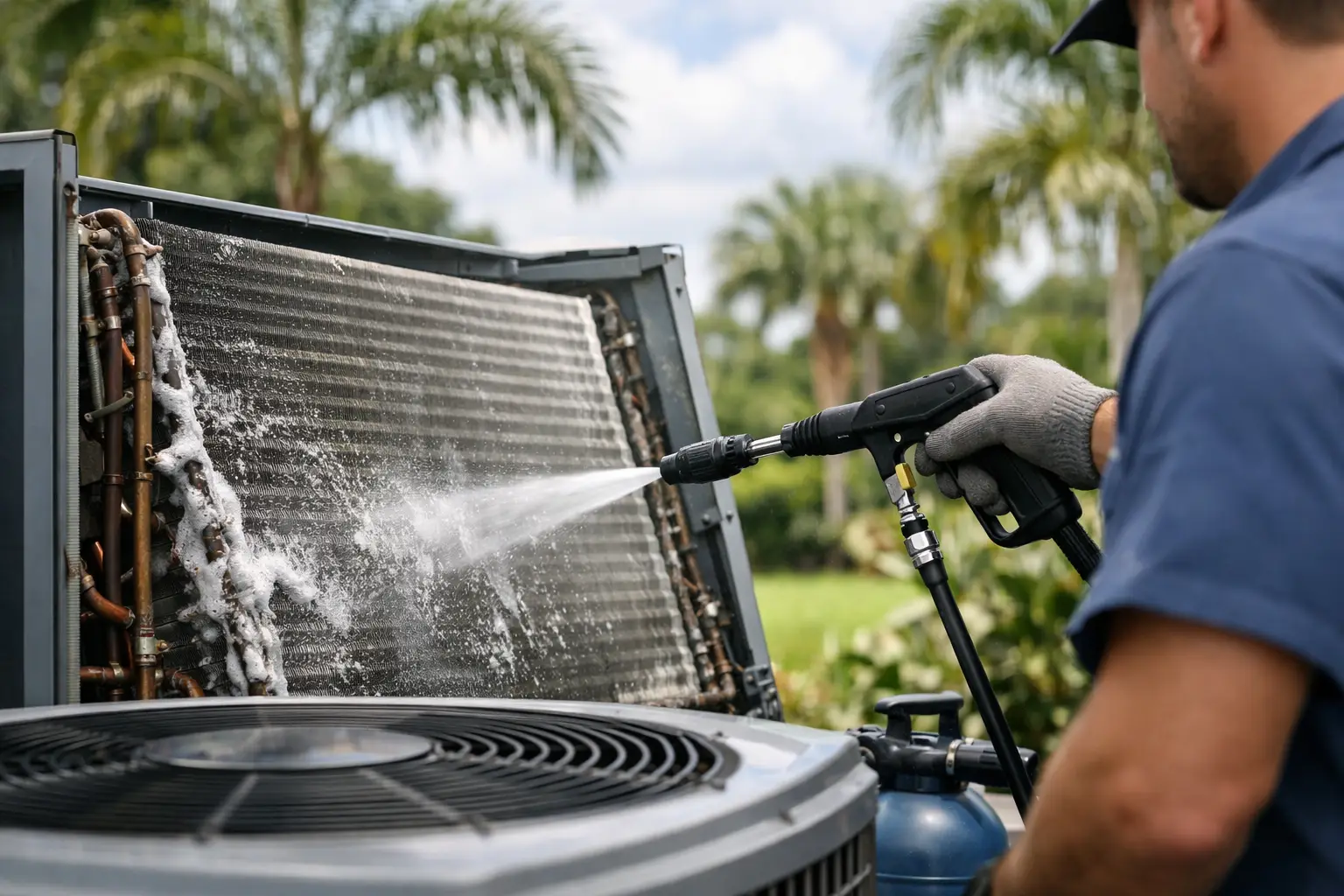
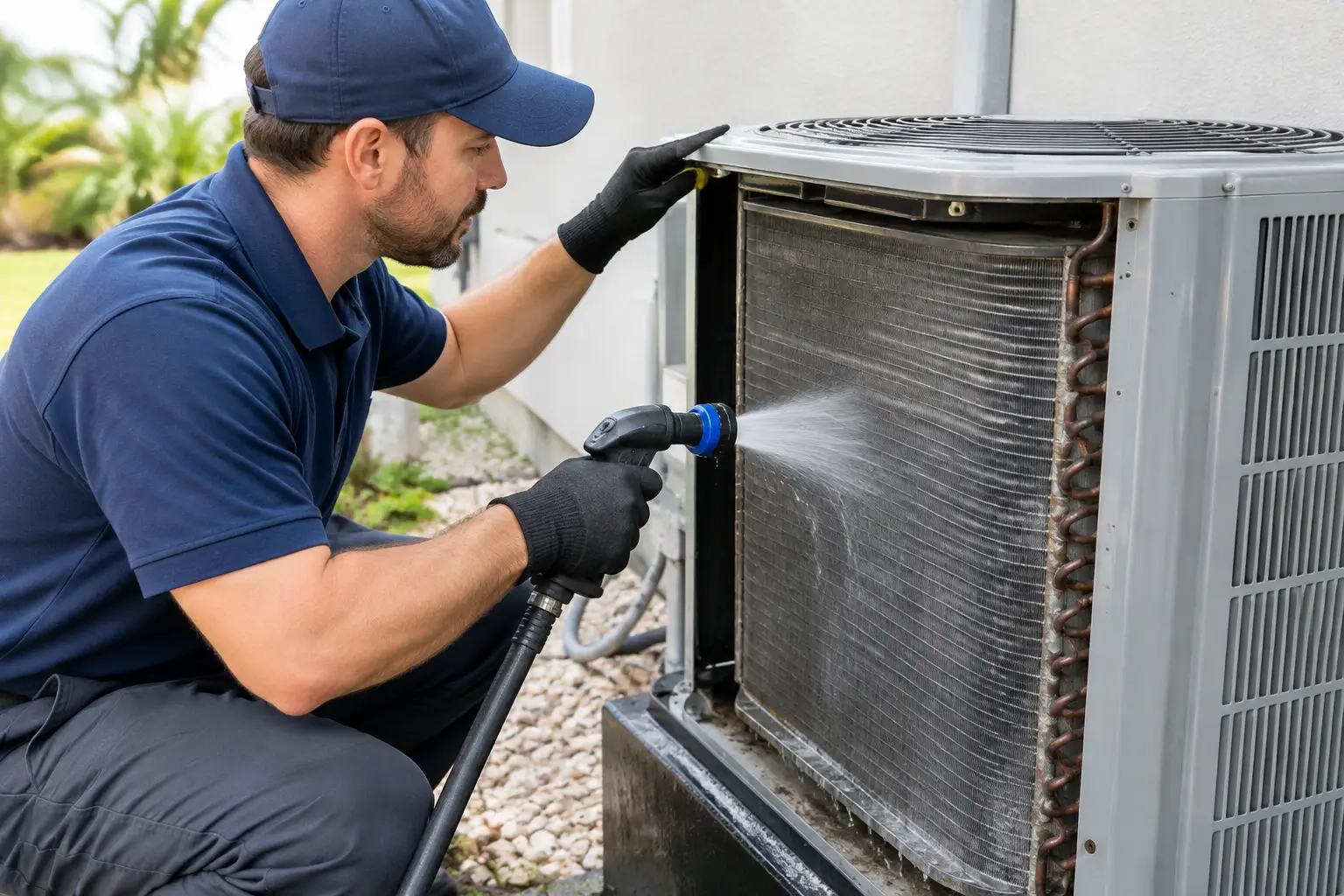
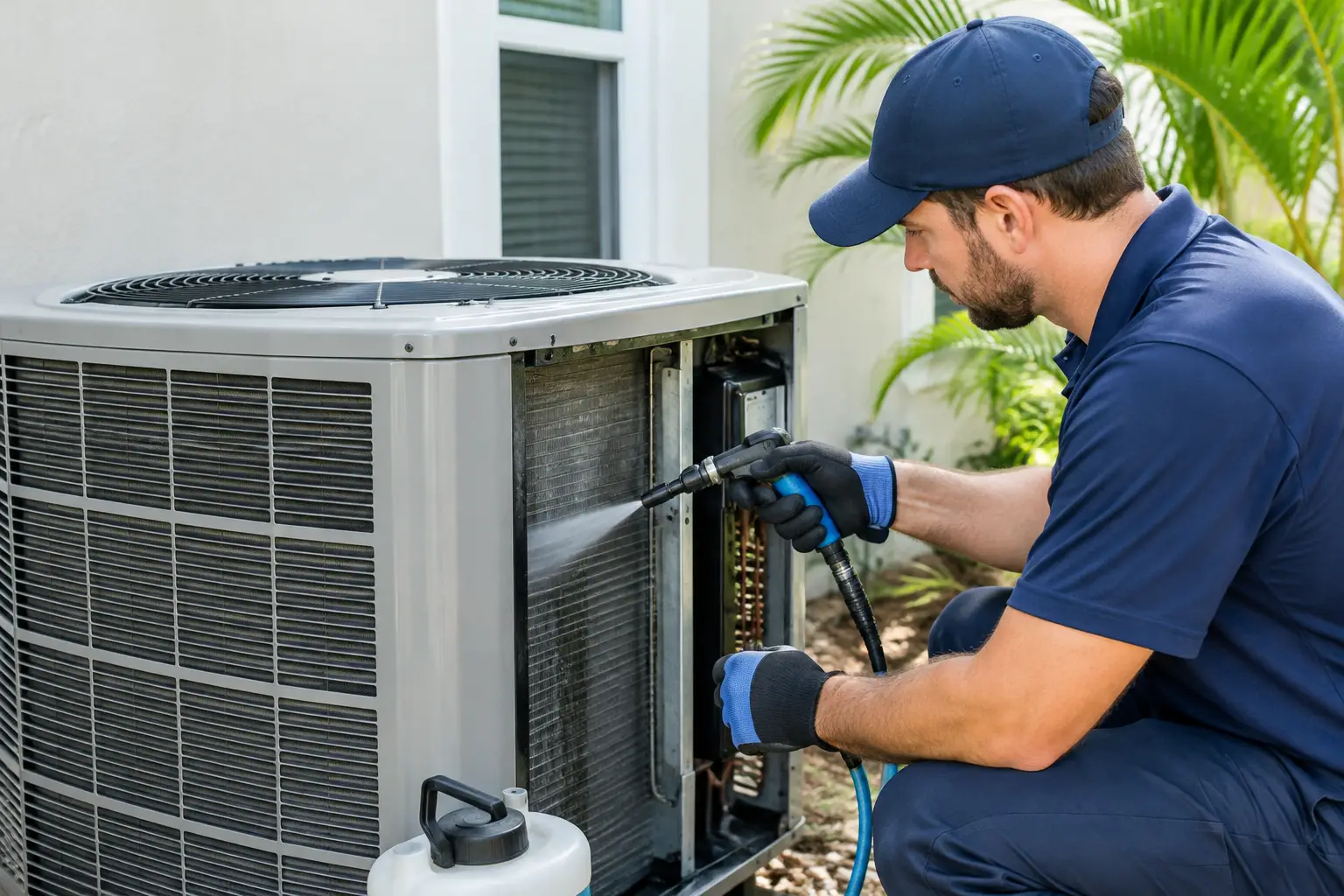
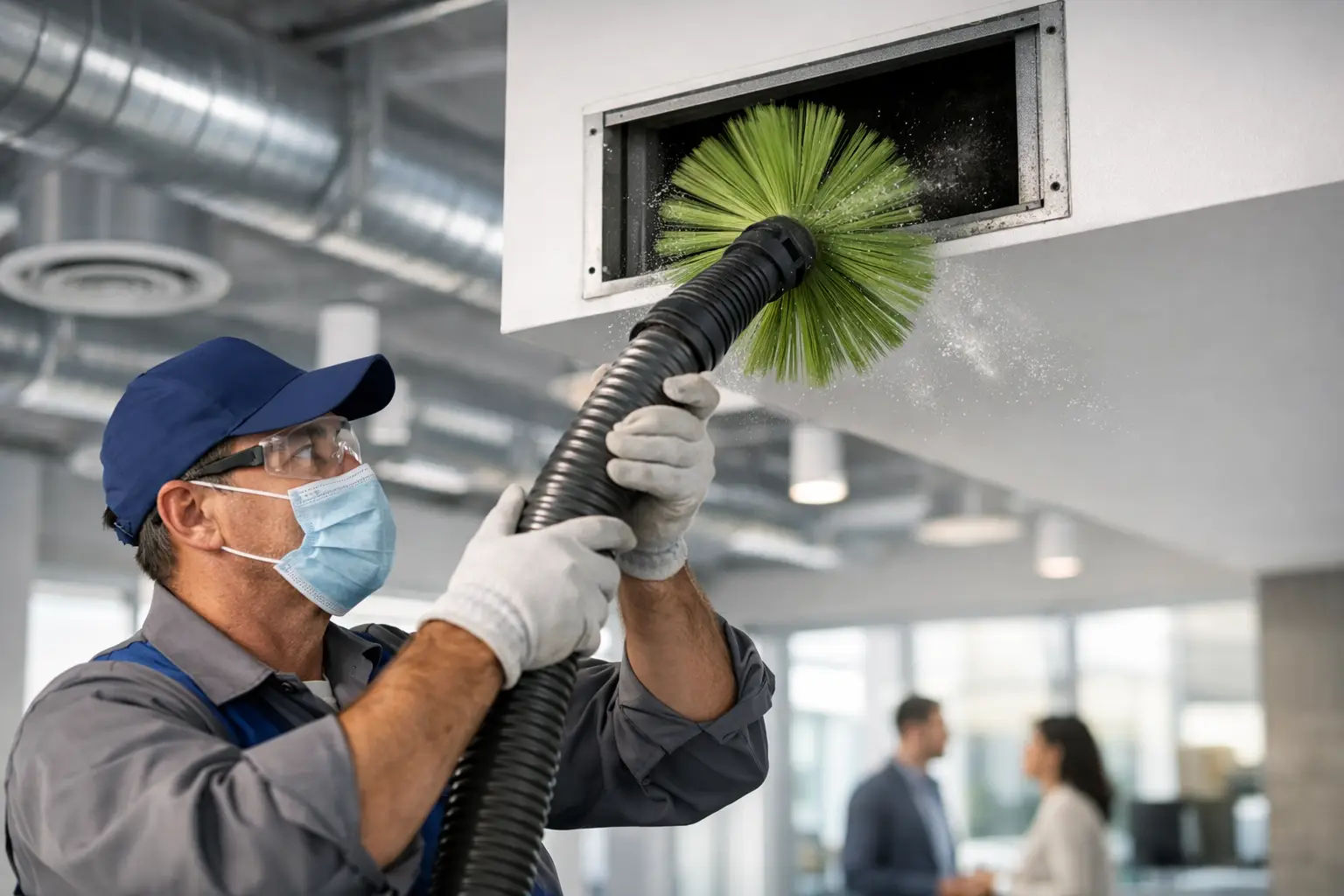
A trustworthy service begins with inspection, not a one-size-fits-all sales pitch. Technicians should protect floors and work areas, explain visible conditions, and use specialized negative-air and agitation equipment to dislodge and capture debris. If sanitization is recommended, you should understand why, what product is being used, and what it is intended to address.
At The Ductors, the focus is on giving homeowners clear answers, visible results, and a cleaner path forward. That may include duct cleaning, coil cleaning, sanitization, repair recommendations, or simply reassurance that another HVAC issue needs attention first.
Do not let a musty smell, dusty rooms, or weak airflow become the new normal in your home. A careful inspection can replace guesswork with evidence and help your family breathe more comfortably through Florida’s longest cooling months.