
A home can look spotless and still circulate dust, moisture, odors, and irritants every time the AC turns on. In Florida, where air conditioning runs for much of the year and outdoor humidity regularly pushes its way indoors, indoor air quality is not a small comfort issue. It affects how your home smells, how evenly it cools, how much dust settles on surfaces, and whether your family feels comfortable breathing in the space they call home.
A musty smell after a rainy week, rooms that feel stuffy despite a running AC, visible dust around vents, or worsening allergy symptoms can all point to conditions worth checking. The answer is not always duct cleaning or a new piece of equipment. It starts with finding where contaminants and moisture are entering, collecting, or circulating.
Why Indoor Air Quality Is Different in Florida
Central Florida and Tampa Bay homes deal with a combination that puts extra pressure on HVAC systems: high humidity, long cooling seasons, coastal moisture, pollen, construction dust, and closed windows. Your HVAC system is built to move conditioned air throughout the home. When filters are neglected, coils are dirty, condensate drainage has problems, or ducts contain accumulated debris, that system can also spread particles and odors from room to room.
Humidity is often the bigger issue. Air that stays too damp can make a home feel warmer than the thermostat setting, encourage mold growth on damp materials, and create the stale or musty odor homeowners notice first. On the other hand, trying to solve every comfort concern by lowering the thermostat can increase energy use without addressing the source of the moisture.
For most homes, a relative humidity range of about 30% to 50% is a reasonable target. In Florida, staying consistently near the lower end of that range may not be realistic without the right equipment and a well-functioning AC system. What matters is avoiding prolonged indoor dampness, condensation, and recurring odors.
Signs Your Home Air Needs Attention
No single sign proves there is a serious indoor air problem, but patterns matter. If dust returns quickly after cleaning, it may be coming from normal household activity, leaky ducts, construction debris, a low-quality filter, or an HVAC system that needs maintenance. If certain rooms are hot, cold, or noticeably stuffy, airflow restrictions or duct issues may be involved.
Pay attention to these common warning signs:
- Musty, dusty, or stale odors when the air conditioner starts
- Dust buildup around supply vents, return grilles, and furniture
- Weak airflow in one or more rooms
- Allergy or irritation symptoms that seem worse at home
- Visible moisture, staining, or mold-like growth near vents, drains, or air handlers
- A dryer that takes longer than usual to dry clothes
Each symptom has more than one possible cause. For example, a musty odor may come from dirty coils, excess humidity, a drain issue, damp duct insulation, or a source elsewhere in the home. That is why a proper inspection matters more than guessing based on one symptom alone.
Start With the Parts You Can Control
A few routine habits can make a meaningful difference in the air your household breathes. Replace HVAC filters on the schedule recommended for your system and household conditions. Homes with pets, frequent visitors, renovations, or family members sensitive to allergens may need more frequent changes. A filter that is too restrictive for the system can also reduce airflow, so the highest rating is not automatically the best choice.
Keep return grilles and supply vents clear of furniture, rugs, and storage bins. Your system needs open pathways to pull air back for conditioning and send it out again. Closing multiple vents to force air into another room often creates pressure and airflow problems instead of fixing them.
Kitchen and bathroom exhaust fans also deserve attention. Use them while cooking or showering and let them run long enough to remove lingering moisture. Fix plumbing leaks promptly, watch for condensation around windows or vents, and avoid drying large loads of laundry indoors when humidity is already high.
For portable air purifiers, choose one based on the size of the room and the issue you are trying to address. A properly sized unit with particle filtration can help reduce airborne particles in a bedroom or living area. It does not replace moisture control, HVAC maintenance, or removal of a mold source, but it can be useful as part of a broader plan.
What Your HVAC System May Be Hiding
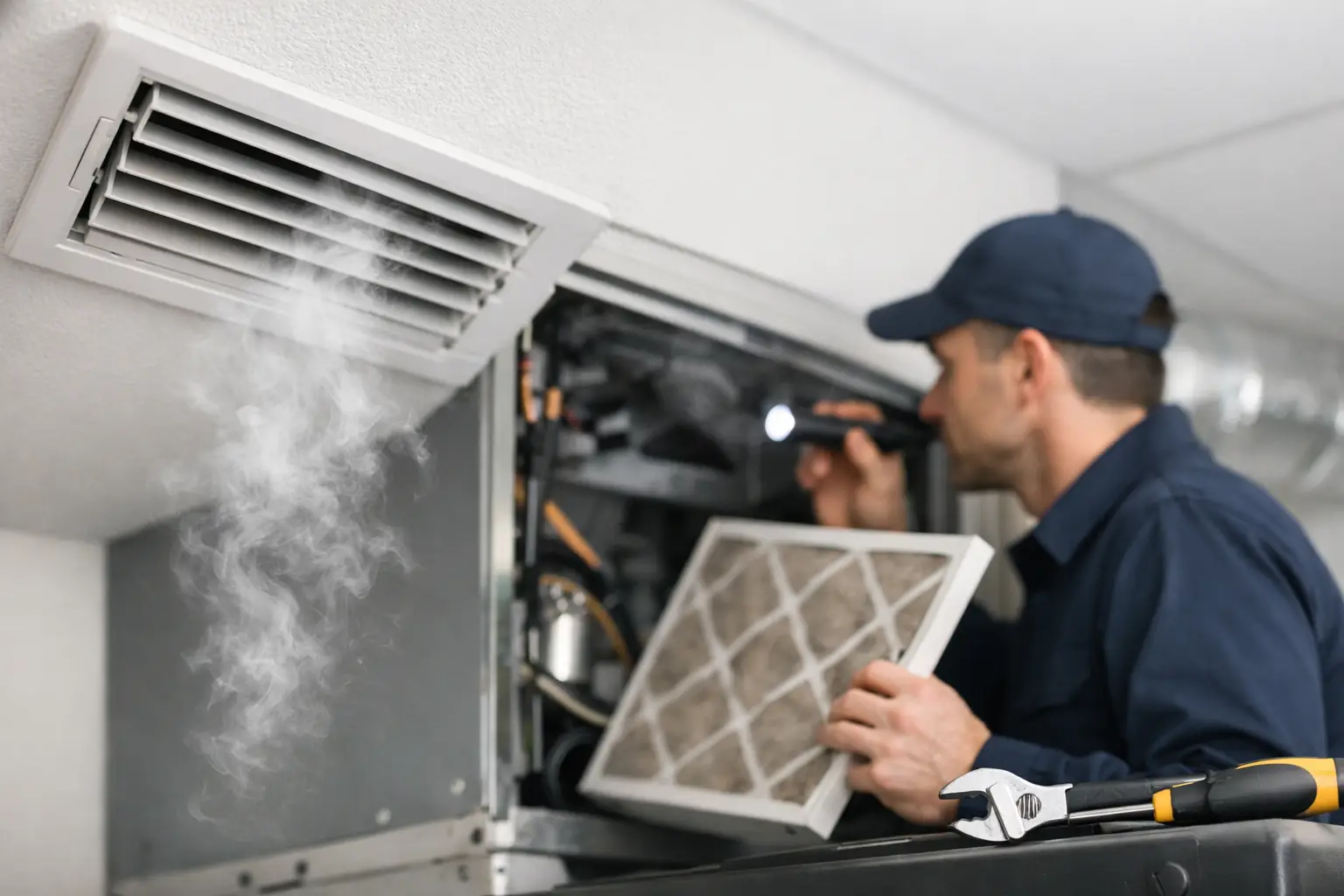
Your ductwork, blower compartment, evaporator coil, drain pan, and dryer vent are mostly out of sight. That makes them easy to overlook until comfort, odors, or efficiency decline. Yet these components are directly connected to airflow and the conditions inside your home.
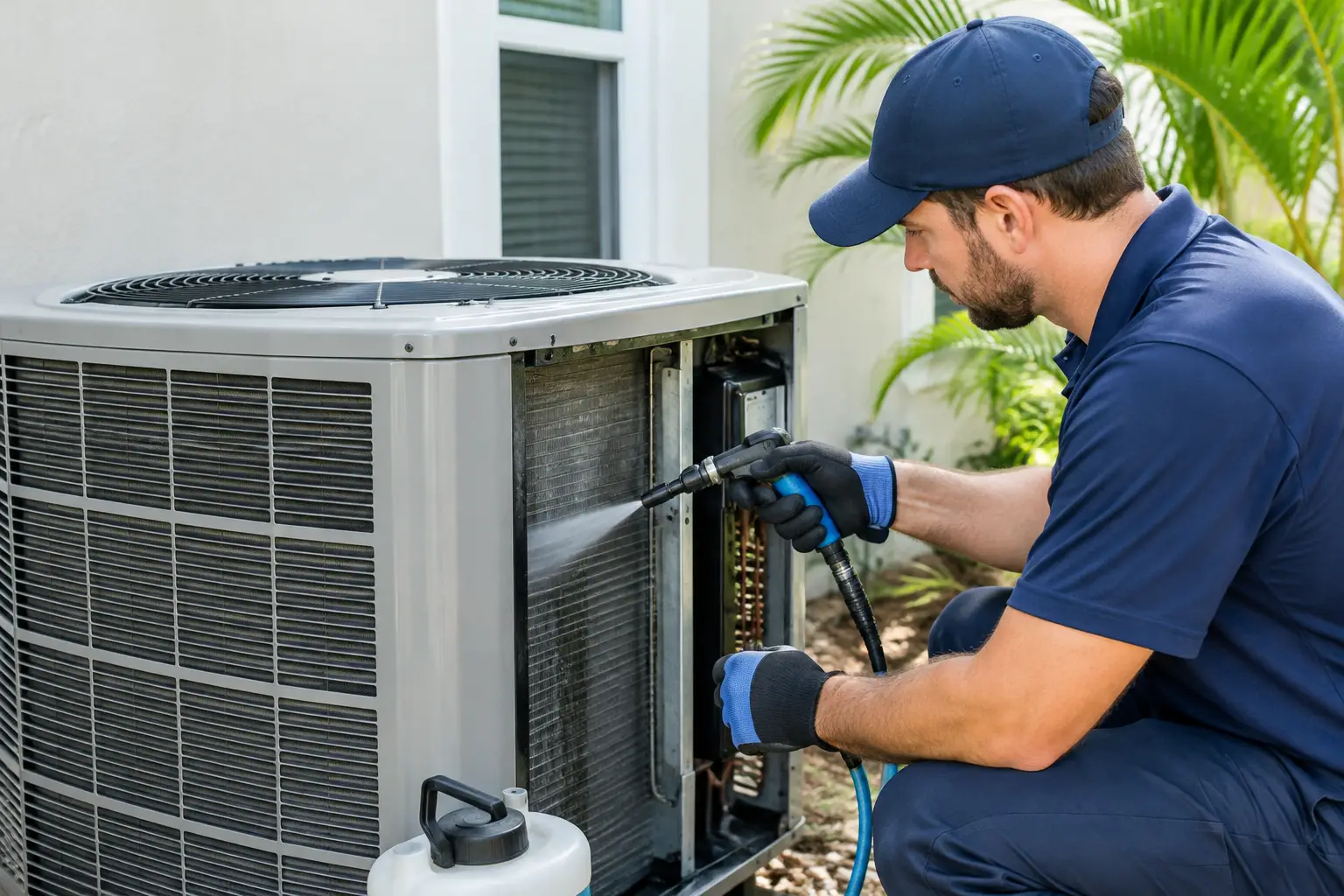
AC coils are designed to remove heat and moisture from indoor air. When dirt and buildup cover the coil, airflow can drop and the system may work harder to cool the home. A dirty coil does not automatically mean mold is present, but cleaning it when needed helps restore proper operation and gives a technician an opportunity to spot drainage or moisture concerns.
Air ducts can collect dust, pet hair, insulation fibers, and debris over time. Cleaning is especially worth considering after a renovation, following a pest issue, when visible debris is blowing from registers, or when an inspection identifies substantial buildup. It is not a substitute for fixing moisture problems or sealing duct leaks. In fact, cleaning a duct system without correcting the reason it became damp or dirty can lead to the same issue returning.
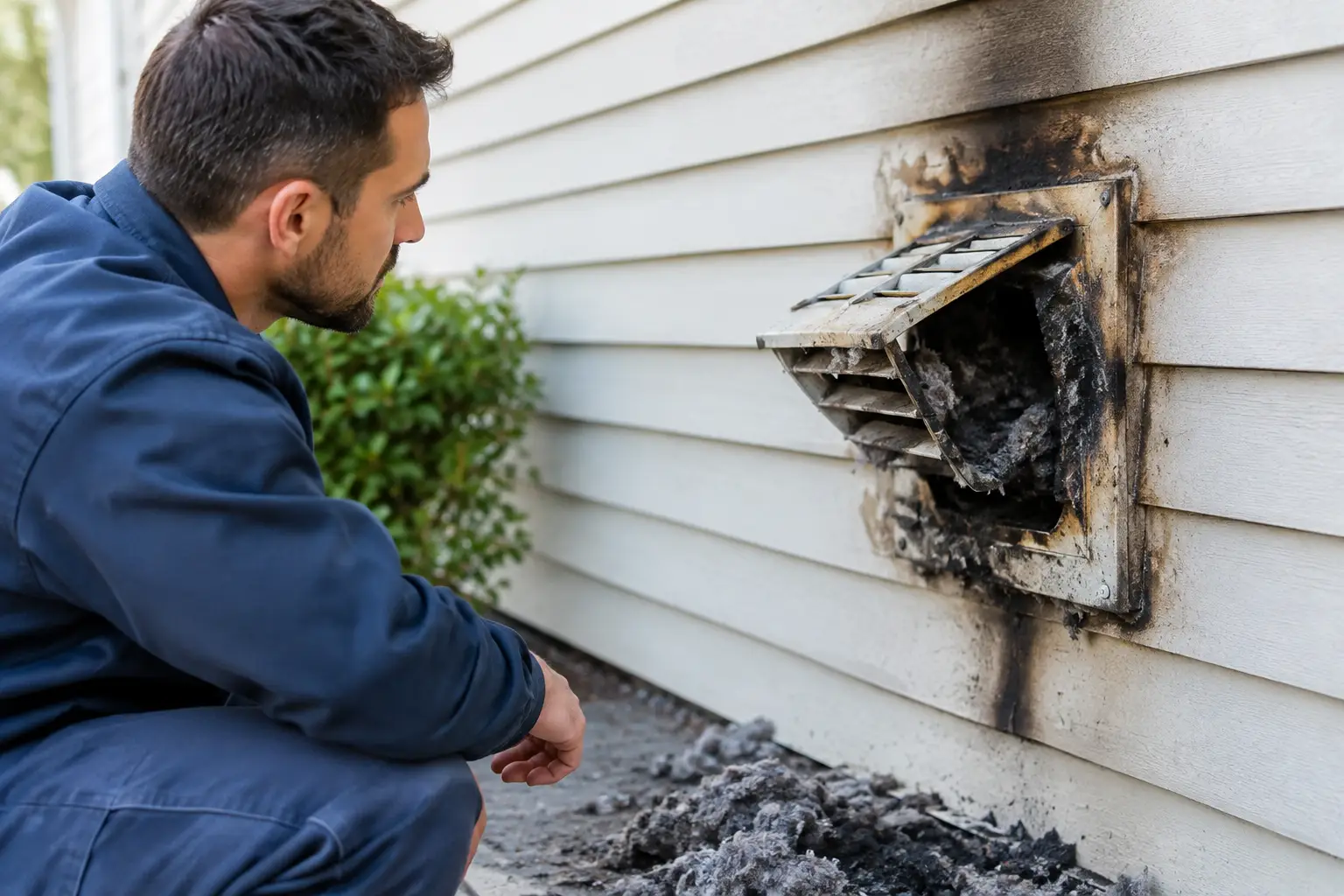
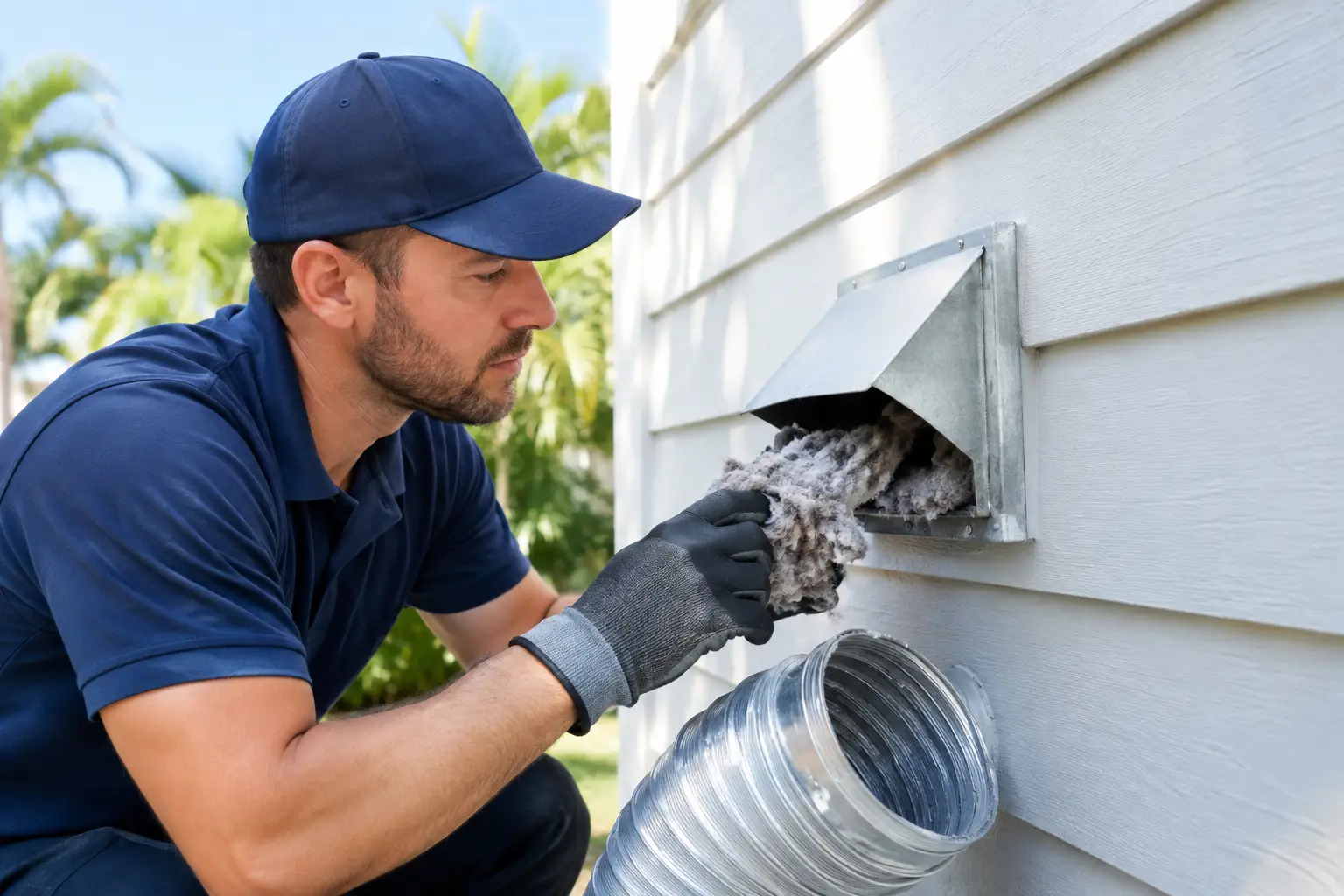
Dryer vents deserve the same level of attention for a different reason: safety. Lint restricts airflow, makes drying cycles longer, wastes energy, and raises the risk of overheating. Cleaning the lint screen after every load is essential, but it does not remove lint that has built up farther down the vent line. A professional dryer vent cleaning is particularly valuable when clothes take multiple cycles to dry or the outside vent flap barely opens.
A Clear Process Beats a Quick Guess
Good indoor air quality service should be based on what is actually happening in your home. A technician should inspect accessible HVAC components, assess airflow concerns, look for visible debris or moisture indicators, and explain the findings in plain language. Photos before and after cleaning help homeowners see the condition of the system and the work completed.
When deep cleaning is appropriate, the process should remove debris mechanically rather than simply spraying fragrance or sanitizer into the system. Sanitization may be a helpful added step in certain situations, particularly after contamination has been removed, but it is not a cure-all. If mold is suspected, the source of moisture must be identified and corrected. If growth is extensive or involves building materials, targeted mold remediation may be needed rather than a standard HVAC cleaning alone.
Some homes may also benefit from UV-light installation near key HVAC components. UV lights can help manage microbial growth in specific areas when properly selected and installed, but they do not remove dust, solve humidity problems, or replace routine cleaning. The right recommendation depends on the system, the home, and the concerns found during inspection.
The Ductors approaches this work with an inspection-first mindset, using professional equipment, clear explanations, and post-service verification so homeowners understand what was found and what changed. That matters because clean air is not a vague promise. It is visible debris removed, better airflow where restrictions existed, and a practical plan for preventing the same conditions from building back up.
When to Call a Professional
Schedule an inspection when odors keep returning, airflow has changed, your AC is running longer than usual, or you see signs of moisture around the air handler, vents, or ductwork. It is also smart to have the system evaluated after remodeling, water damage, a pest problem, or before moving into a previously occupied home.
For commercial spaces, regular ventilation maintenance can help reduce occupant complaints, protect equipment performance, and keep dust and odors from becoming a distraction for employees or customers. Offices, retail locations, and other high-traffic facilities often have more variable occupancy and longer operating hours, so maintenance schedules should reflect actual use rather than a one-size-fits-all interval.
Cleaner indoor air begins with paying attention to what your home is telling you. If dust, odors, humidity, weak airflow, or long dryer cycles have become normal, do not simply live with them. A thorough inspection can turn a frustrating comfort problem into a clear, manageable next step for your family and your home.