A musty smell when your AC kicks on is not something to cover with candles or air freshener. In Tampa Bay and Central Florida, it can be an early warning that moisture is lingering where it should not. Effective mold prevention starts with controlling humidity, keeping the HVAC system clean and draining properly, and addressing water quickly before a small issue reaches walls, vents, or furnishings.
Florida homes work hard to stay cool for much of the year. That constant air-conditioning is a comfort necessity, but it also means your home depends on a system that removes moisture reliably. When airflow drops, a drain line clogs, insulation gets wet, or indoor humidity stays high, mold has the conditions it needs to grow.
Why Florida Homes Face More Mold Pressure
Mold needs moisture, a surface to grow on, and time. Homes in Clearwater, Lakeland, Sarasota, and throughout Central Florida regularly deal with the first ingredient through humid outdoor air, heavy rain, plumbing leaks, roof issues, and condensation around cooling equipment.
The trouble is that moisture is not always obvious. A slow leak under a sink, a sweating supply vent, damp insulation near an air handler, or water collecting in an AC drain pan can create a hidden problem long before stains appear. By the time a room smells earthy or a vent shows dark spotting, the source of moisture may have been present for weeks.
That does not mean every speck of discoloration is a major mold event. Dust, soot, and ordinary surface grime can look alarming. But recurring odors, visible growth, water damage, or unexplained allergy-like symptoms deserve a closer look. The right response depends on what is found, where it is located, and whether the moisture source has truly been corrected.
Mold Prevention Starts With Indoor Humidity
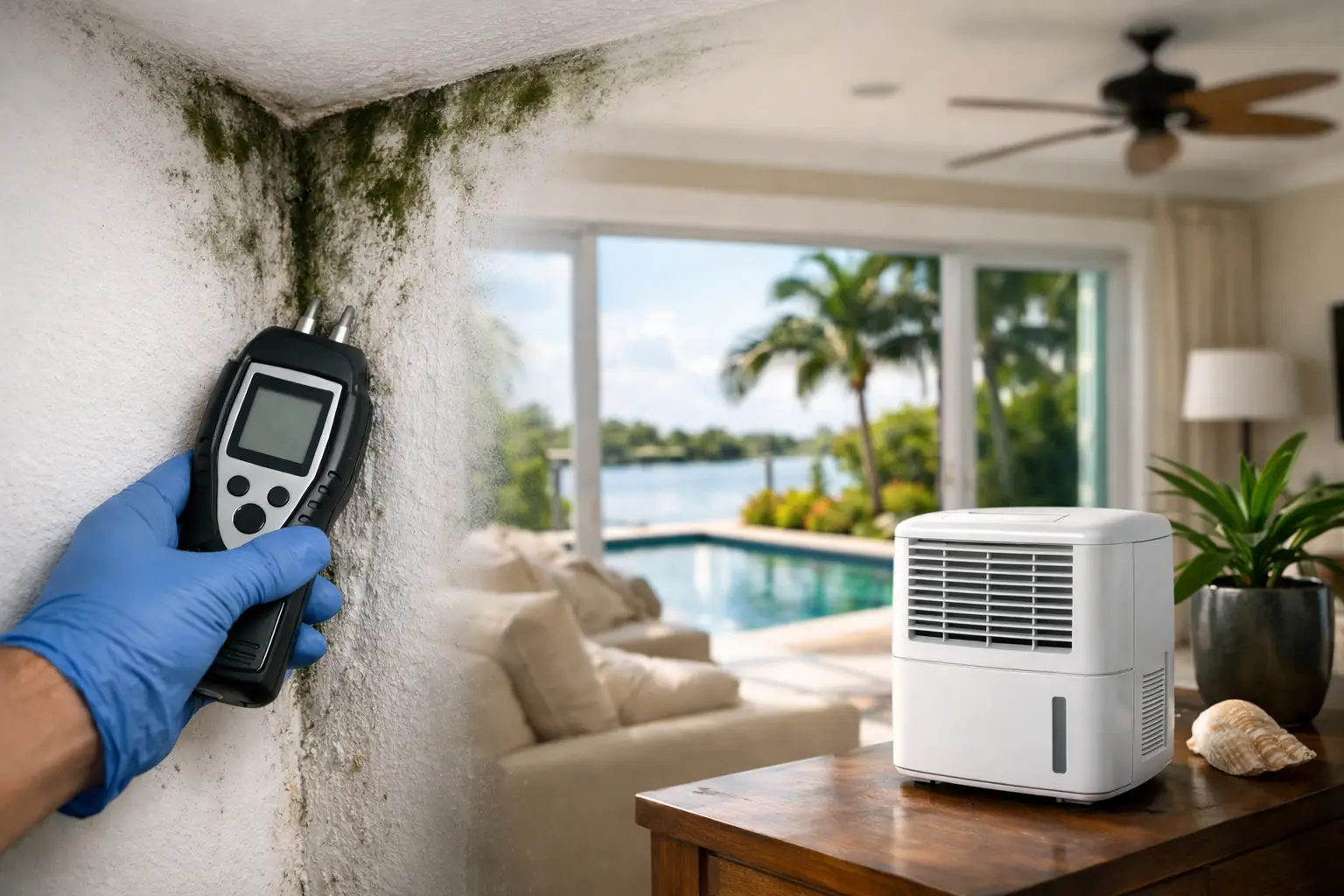
For most homes, indoor relative humidity should generally stay between 30% and 50%. In Florida, keeping it consistently below 55% is a practical goal. A small digital hygrometer can tell you far more than guesswork, especially in bedrooms, closets, bathrooms, and areas near the air handler.
If your humidity regularly climbs above that range, first make sure the AC is operating as it should. An oversized system can cool the home too quickly without running long enough to remove adequate moisture. A dirty evaporator coil, restricted filter, leaky ductwork, weak airflow, or an incorrectly set thermostat can also affect comfort and humidity control.
Avoid setting the thermostat dramatically lower in an effort to dry the home out. That can raise energy use without fixing the underlying issue. If humidity remains high while the AC is running, a qualified HVAC and indoor air quality inspection can identify whether the system is draining, cooling, and moving air correctly. In some homes, a properly sized dehumidifier is the right addition, particularly for a persistently damp room or a whole-home humidity issue.
Give Moisture Somewhere to Go
Your AC removes water from the air, and that water must drain safely away. Check the area around your indoor air handler periodically. Standing water, rust around the drain pan, moisture on nearby insulation, algae buildup in a drain line, or a ceiling stain below an attic unit should be addressed promptly.
Keep bathroom exhaust fans running during showers and for roughly 15 to 20 minutes afterward. Use the kitchen exhaust when boiling water, and make sure laundry areas have adequate ventilation. If a room routinely feels damp despite these steps, do not assume it is normal Florida weather. Find out why.
Keep the HVAC System From Becoming a Moisture Problem
Your HVAC system should help protect your indoor environment, not circulate dust and stale odors through the house. Because Florida systems run so frequently, they collect dust and can experience condensation-related problems faster than systems in drier climates.
Start with the filter. Use the filter type recommended for your system, install it correctly, and replace it on schedule. A clogged filter can restrict airflow and contribute to coil performance problems. More filtration is not always better if a highly restrictive filter is incompatible with your equipment, so ask a professional when unsure.
The evaporator coil deserves attention as well. This component is where warm indoor air meets cold refrigerant-filled surfaces. When the coil is dirty, airflow and heat transfer suffer. Moisture can linger longer, efficiency can drop, and the home may feel cool but clammy. Professional AC coil cleaning removes built-up debris without damaging delicate fins or pushing contaminants deeper into the system.
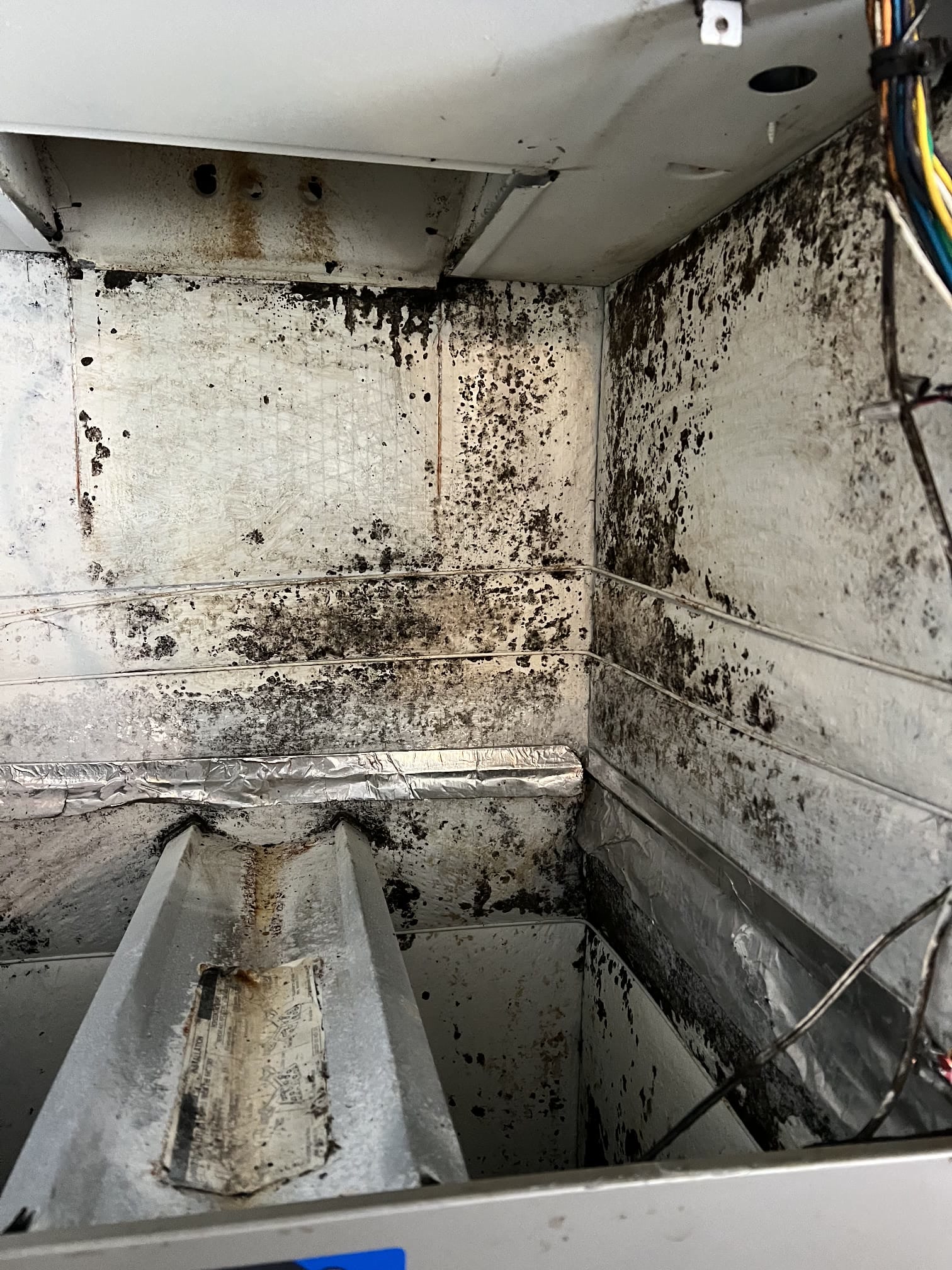
Ductwork also matters, but it should be evaluated rather than treated as the automatic answer to every musty smell. Dust in ducts is common. Visible mold-like growth, water intrusion, pest contamination, or debris blowing from registers calls for a more detailed inspection. If cleaning is recommended, ask for a clear explanation of what was found and photo documentation of the work. Mechanical cleaning, contaminant removal, and appropriate sanitization should support moisture control, not replace it.
Address Water Within 24 Hours When You Can
A leaking pipe, overflowing toilet, roof leak, or appliance failure changes the priority. Drying affected materials quickly can make the difference between a manageable cleanup and a larger remediation project. Remove wet items, stop the water source, and use fans or dehumidification only when it is safe to do so.
Porous materials are the concern. Carpet padding, drywall, insulation, ceiling tiles, and unfinished wood can hold moisture where you cannot see it. Surface cleaning alone may not be enough if water has soaked behind a wall or beneath flooring. A professional moisture assessment can help determine whether materials can be dried and cleaned or need to be removed.
Do not paint over staining, spray fragrance into a musty room, or assume bleach will solve every situation. Bleach may not reach growth inside porous materials, and strong chemicals can create an unpleasant indoor air problem of their own. The goal is always the same: remove or clean affected material as appropriate, dry the area thoroughly, and eliminate the moisture source.
Watch the Places Homeowners Often Miss
Mold prevention is less about one dramatic repair and more about catching small moisture patterns early. Check under sinks, behind washing machines, around refrigerator water lines, and near water heaters. Look inside closets that share a wall with a bathroom or exterior wall. Keep stored belongings a few inches away from walls in garages or other humid spaces so air can circulate.
Outside, make sure gutters, downspouts, and grading move rainwater away from the foundation. Clear debris from condensate drain outlets and keep landscaping from trapping moisture against exterior walls. If windows sweat regularly, the home may have an indoor humidity issue, an insulation issue, or both.
Dryer vents deserve a separate mention. Lint buildup restricts exhaust airflow, lengthens drying time, and creates a fire risk. It can also add unwanted heat and moisture to the laundry area if the vent is damaged, disconnected, or blocked. A clean, properly vented dryer supports a safer and drier home.
When to Call for Professional Help
Call for an inspection when you see visible growth larger than a small isolated spot, smell persistent musty odors, find repeated condensation or water around HVAC equipment, or notice stains returning after cleaning. You should also act quickly after significant water intrusion, especially if drywall, insulation, carpeting, or duct materials were affected.
A dependable service provider should explain what they see in plain language. Ask whether the moisture source has been identified, what cleaning or remediation method is recommended, which materials can be saved, and how the completed work will be verified. For HVAC-related concerns, you should receive a clear explanation of the condition of the coil, drain system, ducts, and airflow – not pressure to buy a service you do not need.
At The Ductors, the focus is on helping homeowners understand what is affecting their air and HVAC performance, with professional inspection, mechanical cleaning, sanitization options, and documentation of findings. When active mold or water-damaged materials require remediation, the moisture problem must be addressed alongside the cleanup for results that last.
A Better Routine for a Drier, Cleaner Home
The most practical routine is simple: monitor indoor humidity, change filters on schedule, keep bathroom and kitchen moisture moving outside, inspect for leaks, and schedule HVAC maintenance before small performance issues become expensive ones. After storms, plumbing repairs, or an AC drain backup, take a few minutes to check the areas that may have gotten wet.
Your home should smell clean when the AC turns on and feel comfortable without being clammy. If it does not, treat that change as useful information. Acting early protects your family’s comfort, helps preserve your HVAC equipment, and gives moisture far less opportunity to become a mold problem.