A musty smell that returns every time your air conditioner starts is not something to cover up with candles or air freshener. In a Florida home, where AC systems run hard and humidity stays high for much of the year, HVAC mold symptoms can signal moisture and contamination somewhere inside the system. The sooner you identify the source, the sooner you can protect your comfort, air quality, and equipment.
Mold is not automatically the explanation for every sneeze, odor, or dusty vent. Seasonal pollen, pet dander, a dirty filter, plumbing leaks, and ordinary household dust can create similar concerns. But when symptoms line up with AC operation or worsen in certain rooms, it is worth taking a closer look.
1. A Musty Odor When the AC Turns On
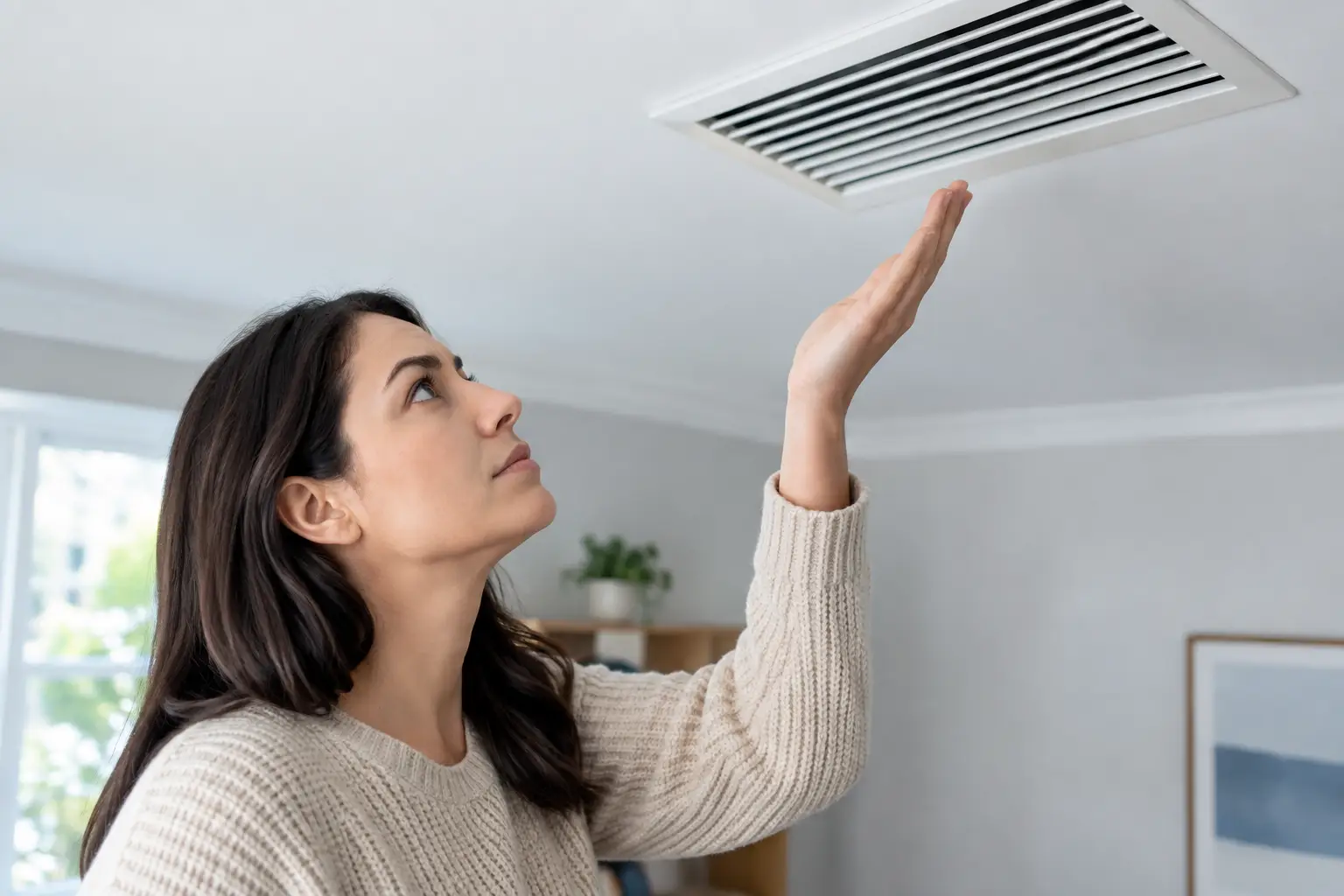
A damp, earthy, or mildew-like smell is one of the most recognizable HVAC mold symptoms. You may notice it when the system first cycles on, after the home has been closed up, or near one supply vent more than others.
The odor does not prove that mold is growing in the ducts. It can come from moisture on the evaporator coil, a clogged condensate drain, wet insulation, a dirty air handler, or microbial growth near a drain pan. Still, it is a useful warning sign because a properly maintained system should not repeatedly blow a stale, damp smell through the house.
If the odor disappears quickly and never returns, it may be related to temporary humidity. If it comes back day after day, especially with the AC running, schedule an inspection rather than masking it.
2. Allergy-Like Symptoms That Improve Away From Home
Indoor contaminants can aggravate sensitive eyes, noses, throats, and airways. Family members may report sneezing, watery eyes, nasal congestion, coughing, headaches, or throat irritation that seems worse at home and better after spending time elsewhere.
These symptoms are not a diagnosis of mold exposure. Allergies, viruses, dry air, pets, dust mites, and outdoor pollutants can all play a role. The pattern matters: if discomfort increases when the AC is on, in one part of the house, or after returning from vacation, the HVAC system deserves attention.
People with asthma, allergies, or other respiratory sensitivities may notice poor indoor air conditions sooner than others. Do not wait for every family member to feel affected before addressing a persistent odor or visible moisture issue.
3. Visible Spots Around Vents or the Air Handler
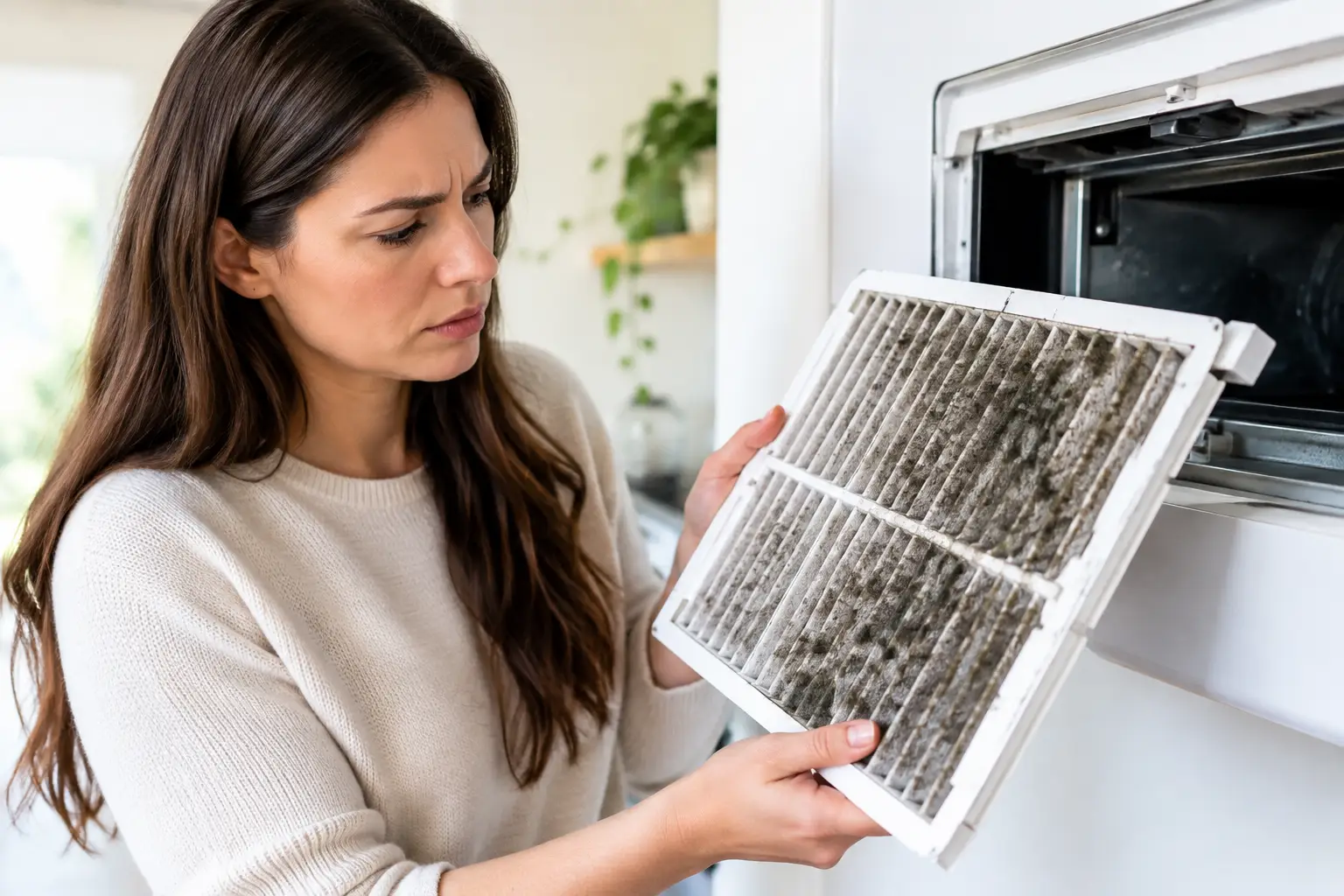
Dark, greenish, gray, or fuzzy-looking spots around supply registers, return vents, insulation, or the air handler should be taken seriously. Sometimes the material is simply dust sticking to a vent because of condensation. Other times, it may be mold or mildew growing where warm, humid air meets a cool surface.
Avoid disturbing a suspicious area with a dry brush or household vacuum, which can spread particles. Take a clear photo, note where it appears, and have a trained technician assess the condition. A proper inspection looks beyond the vent cover to identify the moisture source. Cleaning a grille without correcting condensation, drainage, or airflow problems only sets up the same issue to return.
4. Condensation, Water Stains, or a Dripping AC System
Mold needs moisture. That makes water evidence one of the most useful clues in an HVAC concern. Watch for condensation on vents, puddles near the indoor unit, rust around the drain pan, water stains on ceilings near ductwork, or damp insulation.
In Tampa Bay and Central Florida, high outdoor humidity can make small system problems feel bigger. An oversized AC unit that short-cycles, restricted airflow from a clogged filter, poorly insulated ducts, or a blocked condensate line can all contribute to unwanted moisture.
Water near HVAC equipment is not a wait-and-see issue. Turn off the system if there is active leaking or an electrical concern, then arrange service promptly. Fast action can limit damage to drywall, flooring, insulation, and the equipment itself.
5. Dust That Returns Quickly Around Registers
Heavy dust alone is not mold, but it can point to a ventilation system that needs attention. If surfaces near registers become dusty soon after cleaning, or dark streaks develop around vent edges, contaminants may be moving through the system or collecting where airflow meets condensation.
A clean filter is the first practical check. Make sure it is the correct size, installed in the right direction, and changed according to the filter type, household conditions, and manufacturer guidance. A very restrictive filter can also reduce airflow if the system was not designed for it, so higher-rated is not always better.
When dust, odor, weak airflow, and humidity show up together, a professional duct and HVAC inspection can determine whether mechanical cleaning, coil cleaning, drain service, sanitization, or a repair is appropriate.
6. Weak Airflow and Uneven Temperatures
Mold does not directly cause every airflow problem, but the conditions that support mold often affect system performance. A dirty evaporator coil, clogged blower components, blocked drain issues, damaged ducts, or moisture-compromised insulation can make rooms feel stuffy and unevenly cooled.
You might notice one bedroom stays warmer than the rest, the system runs longer, or certain vents barely move air. These signs can raise utility costs while leaving your home less comfortable. They also matter because poor airflow can keep parts of the system damp longer than they should be.
An inspection should look at the whole picture, not just the visible duct openings. That includes the air handler, coil area, condensate system, return side, accessible ductwork, and airflow conditions.
7. A Sudden Rise in Humidity or Energy Bills
Your AC does more than cool the air. It also helps remove indoor moisture. If your home feels clammy at a thermostat setting that used to feel comfortable, something may be preventing the system from managing humidity effectively.
A higher electric bill can have many causes, including hot weather, rate changes, aging equipment, and thermostat habits. But paired with musty odors, condensation, or longer cooling cycles, it may indicate a maintenance issue that is allowing moisture and buildup to affect performance.
This is where early service often pays off. Removing buildup from critical HVAC components and correcting drainage or airflow problems can support efficiency while helping reduce conditions where microbial growth thrives.
8. Symptoms That Return After You Clean the Vent Covers
Wiping down vent covers can improve their appearance, but it is not the same as cleaning the system. If stains or odors return after surface cleaning, the source may be behind the register, in nearby insulation, on the coil, or around the air handler.
Be cautious with do-it-yourself chemical sprays inside vents. A product that is not designed for HVAC use can leave residues, damage materials, or create strong odors that circulate through the home. It also will not solve a drainage, moisture, or contamination problem deeper in the system.
9. Recent Water Damage or a Long Period of High Humidity
A roof leak, plumbing leak, flood, AC drain overflow, or storm-related water intrusion changes the urgency. Even after visible water is gone, damp drywall, insulation, framing, and duct materials can remain vulnerable if drying was incomplete.
Likewise, an unoccupied home with the thermostat set too high, a system that failed during a hot spell, or closed vents in humid rooms can create conditions that need professional evaluation. Document what happened, including when you noticed it and which areas were affected. That information helps technicians trace the likely source.
What a Professional HVAC Mold Inspection Should Clarify
A trustworthy visit should give you more than a quick look into one vent. The technician should explain what is visible, where moisture may be coming from, and whether the concern appears to involve ducts, the air handler, the coil, drain components, insulation, or another part of the home.
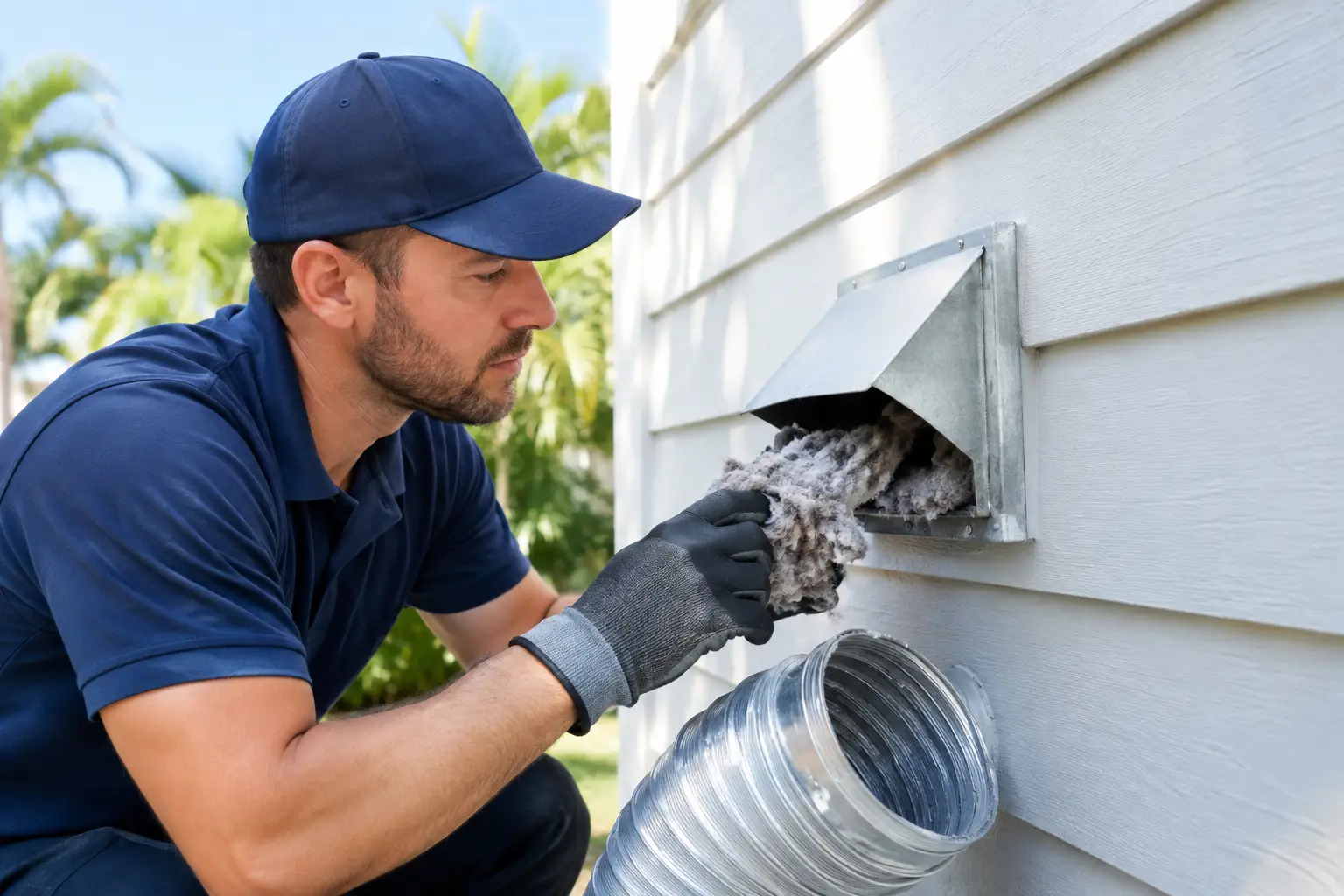
At The Ductors, the goal is to show homeowners what is happening, not pressure them into a one-size-fits-all service. Photo documentation and a clear explanation help you understand whether deep mechanical cleaning, coil cleaning, sanitization, mold remediation, repairs by an HVAC contractor, or a combination of services makes sense.
Not every system with dust needs sanitization, and not every musty smell means full duct remediation. The right scope depends on confirmed conditions, the extent of moisture, the materials affected, and whether the underlying cause can be corrected.
What You Can Do Before Help Arrives
Start by replacing an overdue filter if it is safe to do so, and keep supply and return vents open and unobstructed. Set your thermostat to a reasonable cooling temperature instead of turning the AC off for long periods during humid weather. If you see active water near the air handler, avoid operating the system until you have guidance.
You can also note when odors and discomfort occur. Does the smell begin at startup? Is one room worse? Did it start after a leak, a repair, or a period away from home? These details make the inspection more efficient and help separate an HVAC issue from a different moisture source.
Your home should feel cool, dry, and comfortable when the AC is doing its job. If it smells damp, leaves rooms clammy, or seems tied to recurring allergy-like discomfort, trust what you are noticing and get clear answers before a small moisture problem becomes a larger cleanup.