
A bedroom that never cools, a vent that barely moves a tissue, or an AC system that seems to run all afternoon without making the house comfortable are not problems to ignore. Learning how to diagnose weak airflow can help you separate a simple maintenance issue from a restriction that is forcing your HVAC system to work harder in Florida heat and humidity.
Weak airflow is not always caused by dirty ducts, and not every airflow problem needs a major repair. A clogged filter, closed vent, failing blower component, dirty evaporator coil, duct leak, or blocked return can all create similar symptoms. The goal is to check the safe, visible items first, then bring in a trained technician when the cause is inside the system.
Start by Comparing Airflow Room by Room
Walk through the home while the AC is actively running. Hold your hand near each supply vent, the vents that blow conditioned air into a room. You are not looking for a precise measurement yet. You are looking for a noticeable difference.
If one or two rooms have weak airflow while the rest of the home feels normal, the issue may be local to that area. A closed damper, crushed flexible duct, disconnected duct section, blocked register, or undersized duct run can be involved. Homes with additions, converted garages, or rooms at the far end of the system often reveal these issues first.
If airflow is weak at nearly every vent, focus on the system as a whole. A loaded filter, blocked return grille, dirty coil, blower issue, or widespread duct restriction becomes more likely. Make a note of which rooms are affected and whether the problem is worse at certain times of day. Those details help a technician inspect efficiently.
Check the Easy Airflow Restrictions First
Before removing panels or attempting a repair, check the items designed for normal homeowner maintenance. Turn off the thermostat before handling the filter or moving anything around indoor equipment.
Start with the air filter. A filter packed with dust, pet hair, or visible gray buildup can reduce the air reaching every room. In Central Florida, where air conditioners run hard for much of the year, filters often need attention more frequently than homeowners expect. Check the filter size and airflow direction printed on its frame, and use the filter type recommended for your equipment. A very restrictive high-MERV filter can also create problems if the system was not designed for it.
Next, make sure supply registers are open and not blocked by furniture, rugs, curtains, or stored items. Closing vents in unused rooms may seem like a way to save money, but it can increase pressure in the duct system and create uneven comfort elsewhere. Keep most vents open unless an HVAC professional has advised a specific balancing plan.
Then inspect return grilles. Returns pull household air back to the HVAC system to be cooled and recirculated. A couch pushed against a large return grille, a clogged filter behind a return, or a buildup of dust on the grille can limit the air your system needs to operate properly.
Watch for Clues That Point to the Source
Airflow problems often leave a pattern. That pattern matters more than a single weak vent.
Weak airflow with a dirty or musty smell
A musty odor can be common in humid Florida homes, but it should not be treated as normal when it appears with reduced airflow. Moisture around the evaporator coil, drain pan, air handler, or ductwork can support microbial growth. Dust and debris can also collect where condensation occurs.
Do not spray cleaners into vents or cover the odor with fragrance. The right next step is an inspection that identifies where moisture and contamination are present. Depending on the findings, the solution may include coil cleaning, HVAC sanitization, drainage correction, duct cleaning, or mold remediation.
Weak airflow and rising electric bills
When the AC runs longer but rooms still feel warm, the system may be losing airflow or capacity. A dirty filter is one possibility, but so are a dirty evaporator coil, leaking ducts in an attic, an underperforming blower, or a refrigerant-related issue.
A higher bill does not automatically mean the ducts need cleaning. It does mean the system deserves a closer look before a small restriction turns into excess wear on equipment or a comfort problem during the hottest part of the season.
Weak airflow in one room only
One affected room often points to a branch duct issue, register obstruction, damper position, or airflow-balancing problem. It can also occur when a room has poor return-air pathways. For example, closing a bedroom door can make a room feel stuffy if there is no adequate return path back to the central system.
Check whether airflow improves when the door is open. If it does, tell the technician. That observation can help distinguish a duct problem from a return-air design issue.
Weak airflow after a renovation or water event
Construction dust, drywall debris, insulation particles, and materials left near vents can enter the system during a remodel. Water intrusion can introduce a different set of concerns, especially in attics, garages, closets, and air handlers. If weak airflow started after either event, professional inspection is the sensible move.
Look at the Indoor Unit, but Do Not Take It Apart
Your indoor air handler or furnace area can provide useful clues without requiring you to remove access panels. Look for water around the unit, a full drain pan, ice on refrigerant lines, unusually loud blower noise, or visible dirt around accessible components. These signs can indicate a maintenance or mechanical issue that needs prompt attention.
Ice is especially important. Turn the system off at the thermostat and call an HVAC professional if you see frozen lines or ice. Continuing to run a frozen system can cause additional damage. Weak airflow can contribute to freezing, but low refrigerant, blower problems, and coil contamination can also be involved.
Never reach into the cabinet, touch electrical components, or attempt to clean an evaporator coil with household products. Coils are delicate, and improper cleaning can bend fins, create drainage problems, or damage equipment.
When Dirty Ducts May Be Part of the Problem
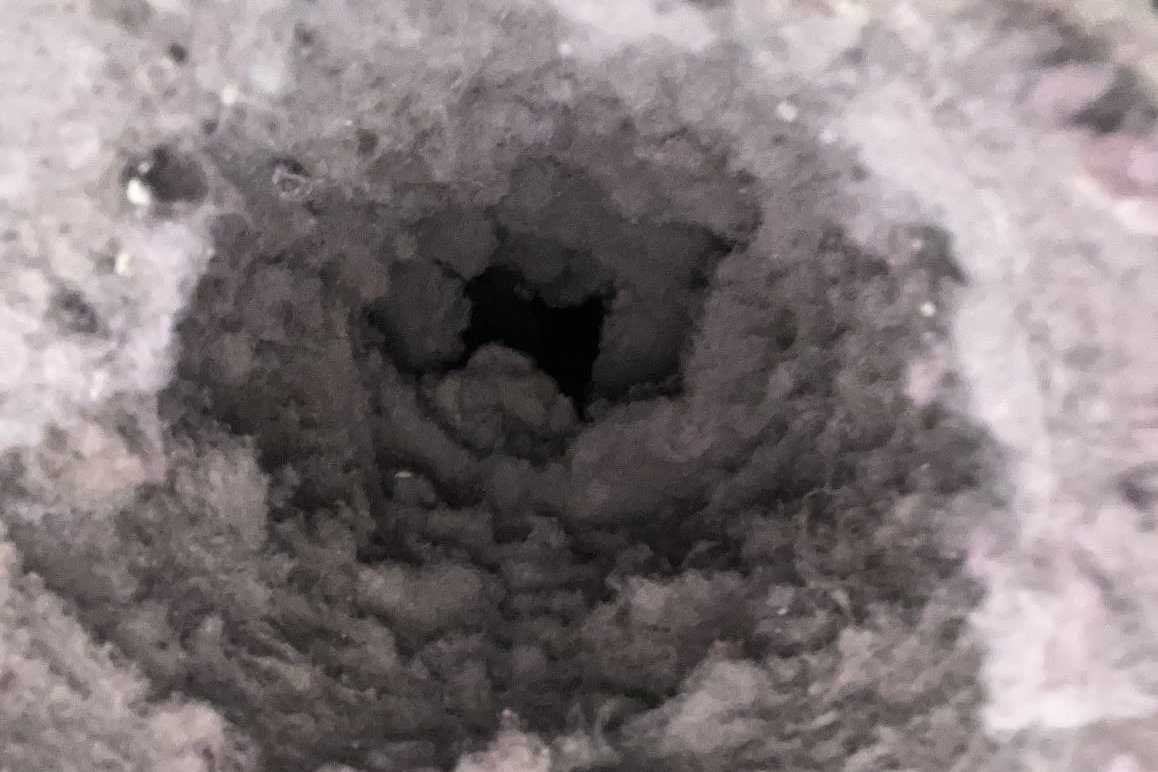
Duct debris does not always cause weak airflow. A light layer of ordinary dust inside ductwork may not significantly restrict air movement. The concern becomes more practical when there is heavy accumulation, renovation debris, pest material, visible contamination, or a blockage affecting a main run or return.
In Tampa Bay and throughout Central Florida, high humidity also makes moisture management part of the conversation. Dust mixed with moisture can cling to components and surfaces more readily. If the system has odor concerns, recurring dust, signs of contamination, or restricted airflow, a full inspection should look beyond the ducts alone. The filter, return side, blower area, coil, drain system, and accessible ductwork all matter.
A professional duct cleaning should be a documented process, not a quick vacuum at the registers. Ask for clear findings, an explanation of what is being cleaned, and before-and-after evidence where practical. The Ductors uses inspection and deep mechanical cleaning to remove buildup while helping homeowners understand what is affecting their indoor air and system performance.
Know When to Call for Professional Help
Call for an HVAC or indoor air quality inspection if changing the filter and clearing vents does not improve airflow within a normal operating cycle. You should also schedule service promptly when weak airflow comes with a burning smell, repeated system shutdowns, water leaks, ice, visible mold-like growth, unusually loud equipment, or a dryer that takes multiple cycles to dry clothes.
Dryer airflow deserves special attention. A dryer vent blocked with lint can extend drying times, waste energy, and create a serious fire risk. Do not assume a slow dryer is an appliance failure. If the exterior dryer vent flap barely opens during a cycle, or laundry stays damp after normal drying time, have the vent inspected and cleaned.
A Clear Path Back to Better Airflow
The fastest way to diagnose an airflow concern is to begin with what you can see: compare rooms, check the filter, open registers, clear returns, and note odors or equipment symptoms. Then let a qualified professional test what you cannot see, including airflow performance, coil condition, blower operation, duct restrictions, leakage, and moisture concerns.
Your home should not require the AC to run nonstop just to make one room tolerable. A careful inspection can replace guesswork with clear answers, helping protect your comfort, your utility budget, and the air your family breathes.