A Florida AC system does far more than cool the house. It also pulls moisture from the air. When that moisture-control job slips, families often notice the warning signs first: a room that feels clammy at 74 degrees, a musty smell when the system starts, dust gathering faster than usual, or an electric bill that keeps climbing. This Florida humidity HVAC maintenance guide explains what to watch, what you can handle at home, and when a professional inspection is the safer call.
Why Florida Humidity Changes HVAC Maintenance
Central Florida and Tampa Bay homes ask a lot of their air-conditioning systems. Long cooling seasons, coastal moisture, afternoon storms, and doors opening and closing all day put steady pressure on equipment that is already running hard. Your AC removes humidity when warm indoor air moves across the cold evaporator coil. The moisture condenses, drains away, and leaves the home more comfortable.
That process only works well when airflow, drainage, and equipment condition are all in balance. A clogged filter can restrict air moving across the coil. A dirty coil can reduce heat transfer. A backed-up condensate line can leave water where it does not belong. Add dust, pet dander, and Florida’s mold pressure, and a small maintenance issue can become an indoor-air and comfort concern.
Humidity is not just about feeling sticky. Excess indoor moisture can contribute to musty odors, condensation on vents or windows, and conditions that allow mold to grow on damp materials. On the other hand, not every odor or moisture issue starts in the ducts. A roof leak, plumbing leak, crawlspace moisture problem, or oversized AC unit may be the real cause. A good inspection identifies the source before anyone recommends a solution.
Start With the Airflow Basics
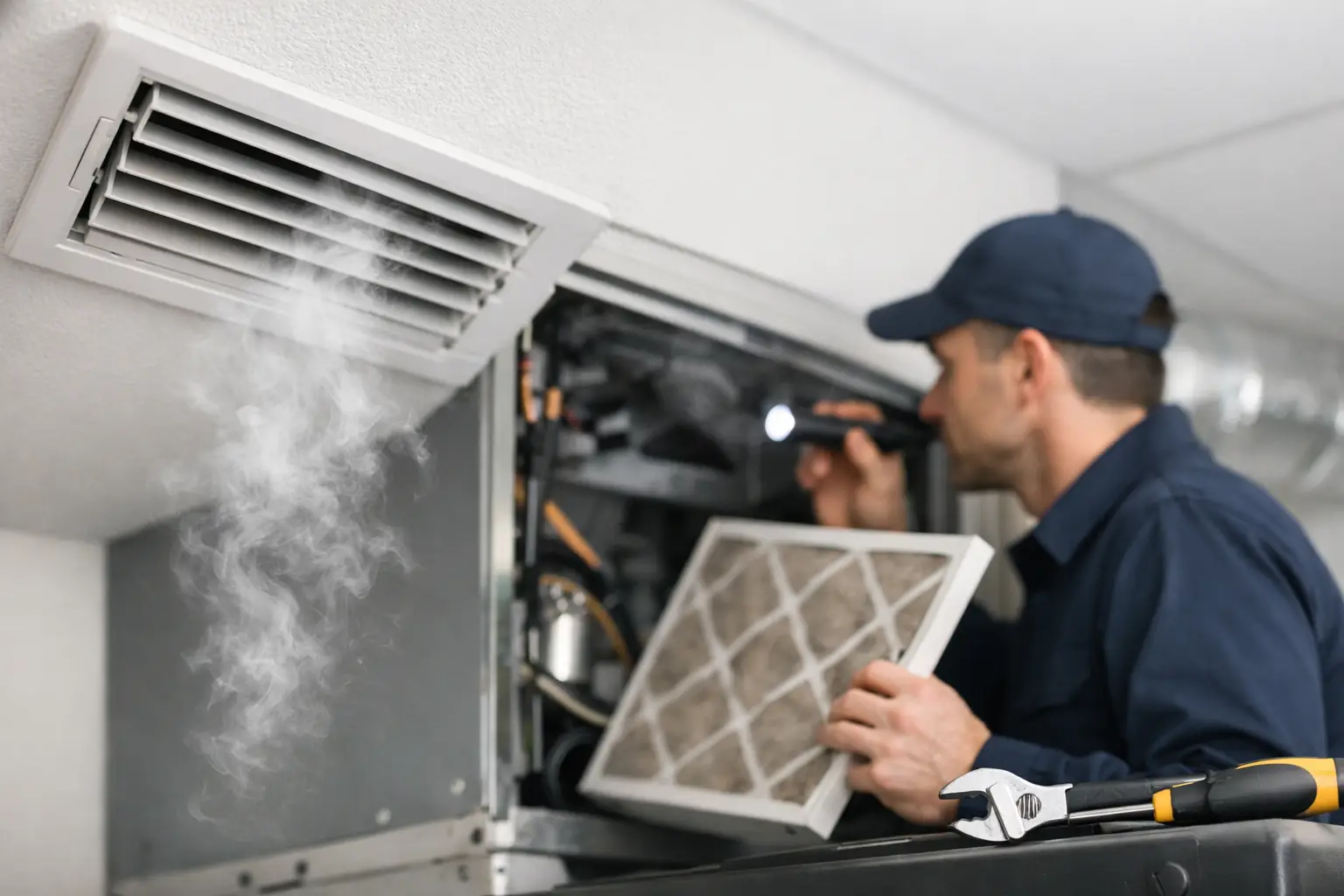
The simplest maintenance steps make a meaningful difference because Florida systems often run daily for much of the year. Check your filter monthly, especially in homes with pets, allergies, recent remodeling, or heavy AC use. Replace it when it looks loaded with dust, not only when the calendar says it is due.
Choose a filter your system can handle. A higher-rated filter may capture finer particles, but an overly restrictive filter can reduce airflow if the HVAC equipment was not designed for it. Many homeowners do well with a quality pleated filter, but the right rating depends on the system, return grille size, and household needs. When in doubt, ask an HVAC or indoor-air professional rather than assuming the highest number is automatically best.
Keep supply vents and return grilles open and clear. Furniture pressed against a return can starve the system for air. Closing multiple vents to force more cooling into one room can also create pressure and airflow problems. If one area stays warm, weak airflow may be part of the issue, but insulation, duct leakage, sun exposure, and thermostat placement can matter too.
Protect the Coil and Condensate Drain
Your indoor evaporator coil is one of the hardest-working parts of the system. It also stays damp during cooling operation, which makes cleanliness especially important in Florida. Dust and buildup on the coil reduce airflow and efficiency. The system may run longer, struggle to lower humidity, and use more electricity to do the same job.
The condensate drain line deserves equal attention. Water removed from your indoor air has to leave the system reliably. A blocked drain can trigger a float switch, shut the AC down, overflow into a pan, or cause water damage around the air handler. If you see standing water, rust around the unit, water stains, or repeated shutdowns, do not ignore it.
Homeowners can visually check for obvious problems near the drain outlet and keep the area around the air handler accessible. Avoid pouring harsh chemicals into the system or taking apart components you are not trained to service. A professional cleaning can address the coil, drain pan, and drain line correctly while checking for the reason buildup keeps returning.
Watch for Signs Your System Is Losing the Humidity Battle
You do not need to be an HVAC technician to recognize when your home is not behaving normally. Pay attention to changes, especially if they continue after a filter change.
- Rooms feel cool but damp, or humidity stays high even while the AC runs.
- A musty odor appears when the system turns on or after the house has been closed up.
- Airflow at one or more vents feels noticeably weaker than it used to.
- Dust returns quickly after cleaning, particularly around registers and returns.
- Your AC runs longer than normal, freezes up, leaks water, or causes a sudden rise in utility costs.
These symptoms do not automatically mean mold inside the ductwork. They do mean it is time to look closer. Visible growth, persistent odors, water damage, or a household member with significant respiratory sensitivity are all reasons to schedule a qualified inspection promptly.
When Duct Cleaning Helps, and When It Will Not
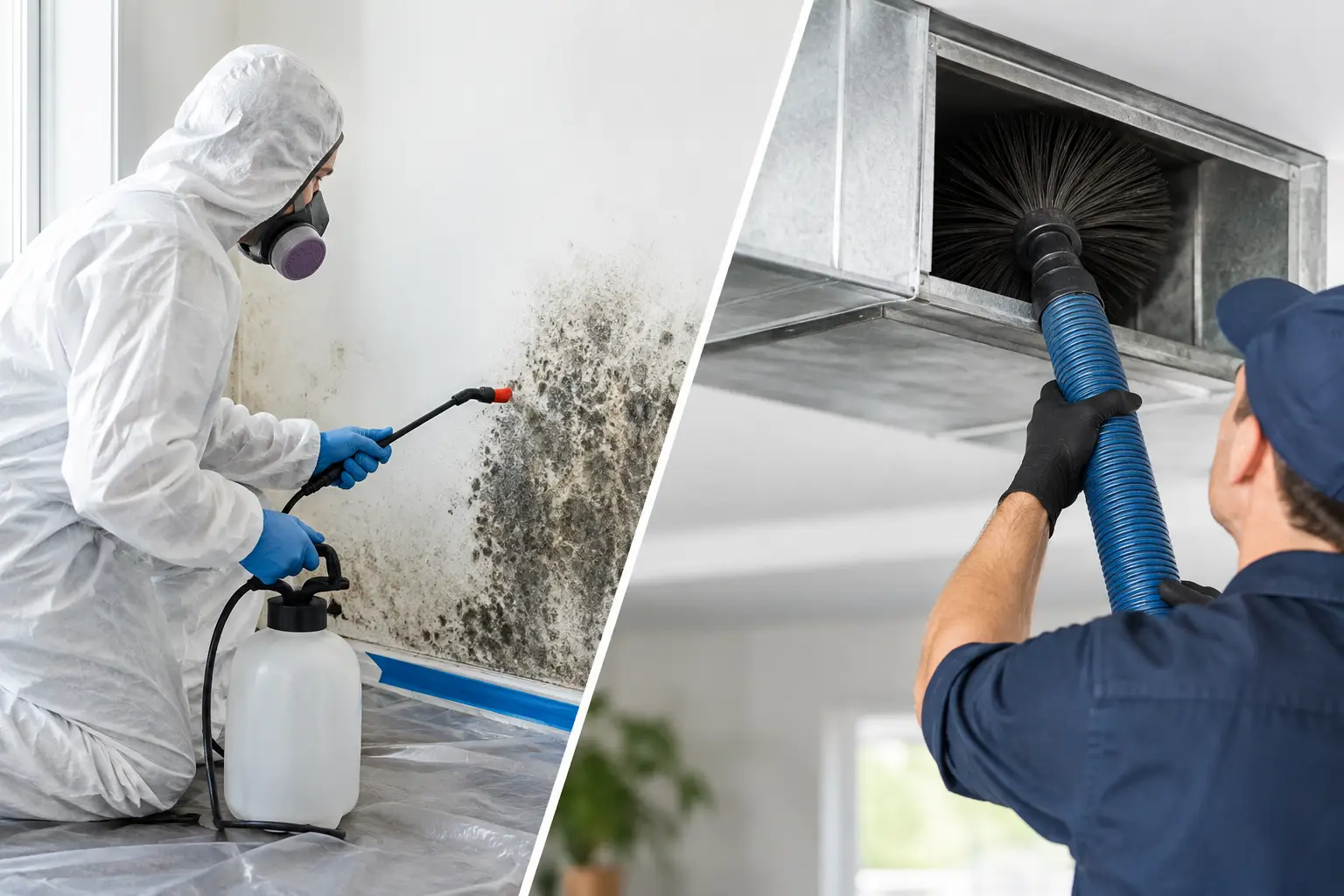
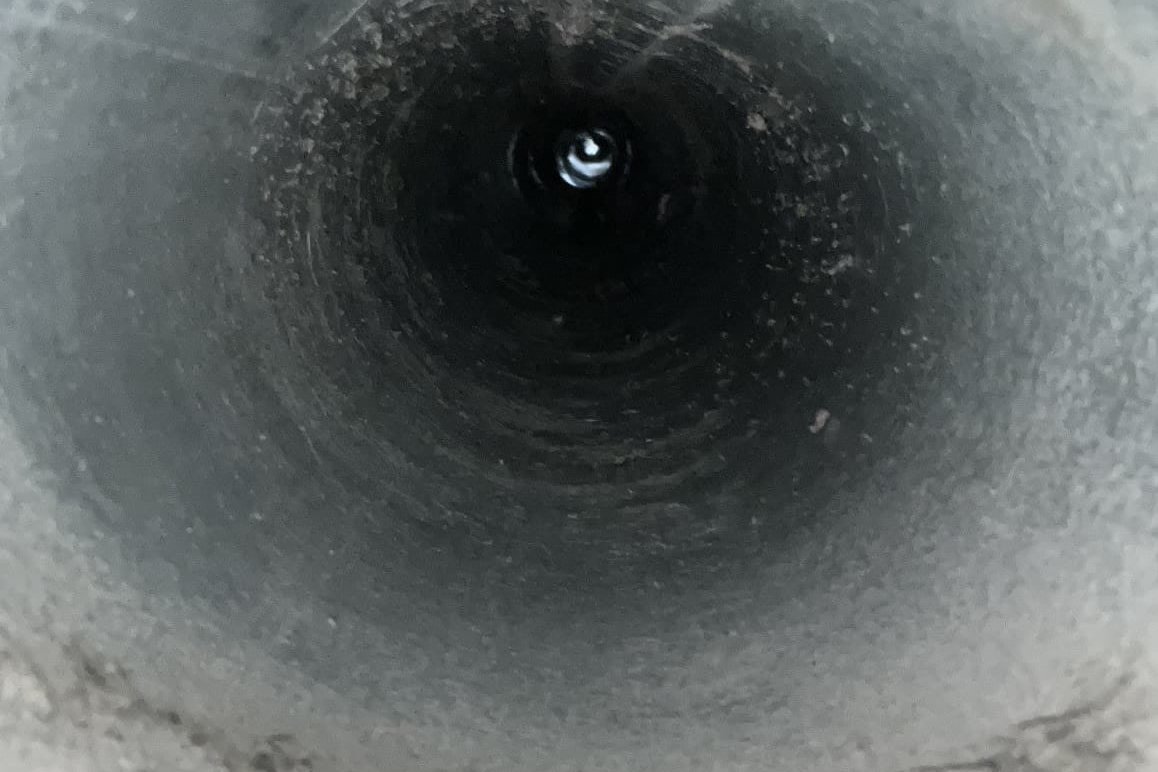
Duct cleaning is most useful when inspection finds significant dust buildup, construction debris, pest-related contamination, visible material inside accessible duct sections, or conditions contributing to poor indoor air quality. In humid Florida homes, it can also be appropriate after a moisture issue has been corrected and contaminated material needs to be removed.
The key phrase is after the moisture issue has been corrected. Cleaning ducts without addressing a leaking drain, wet insulation, poorly sealed return, or other water source will not provide a lasting fix. The same goes for sanitization. It can be part of a thoughtful cleaning process when conditions call for it, but it is not a substitute for mechanical cleaning, moisture control, or mold remediation where remediation is necessary.
A professional service should explain what was found, show you the affected areas when possible, protect the home during the work, and document results. The Ductors uses inspection, deep mechanical cleaning, contaminant removal, and post-service verification so homeowners can see what is being addressed instead of being asked to guess.
Set a Maintenance Schedule That Fits Florida Living
For most homes, professional AC maintenance twice a year is a practical baseline: once before the heaviest cooling stretch and once after sustained summer use. During those visits, the technician can evaluate refrigerant performance, electrical components, coil condition, blower operation, drain function, and overall airflow. Older equipment, homes with pets, and households with allergy concerns may benefit from closer attention.
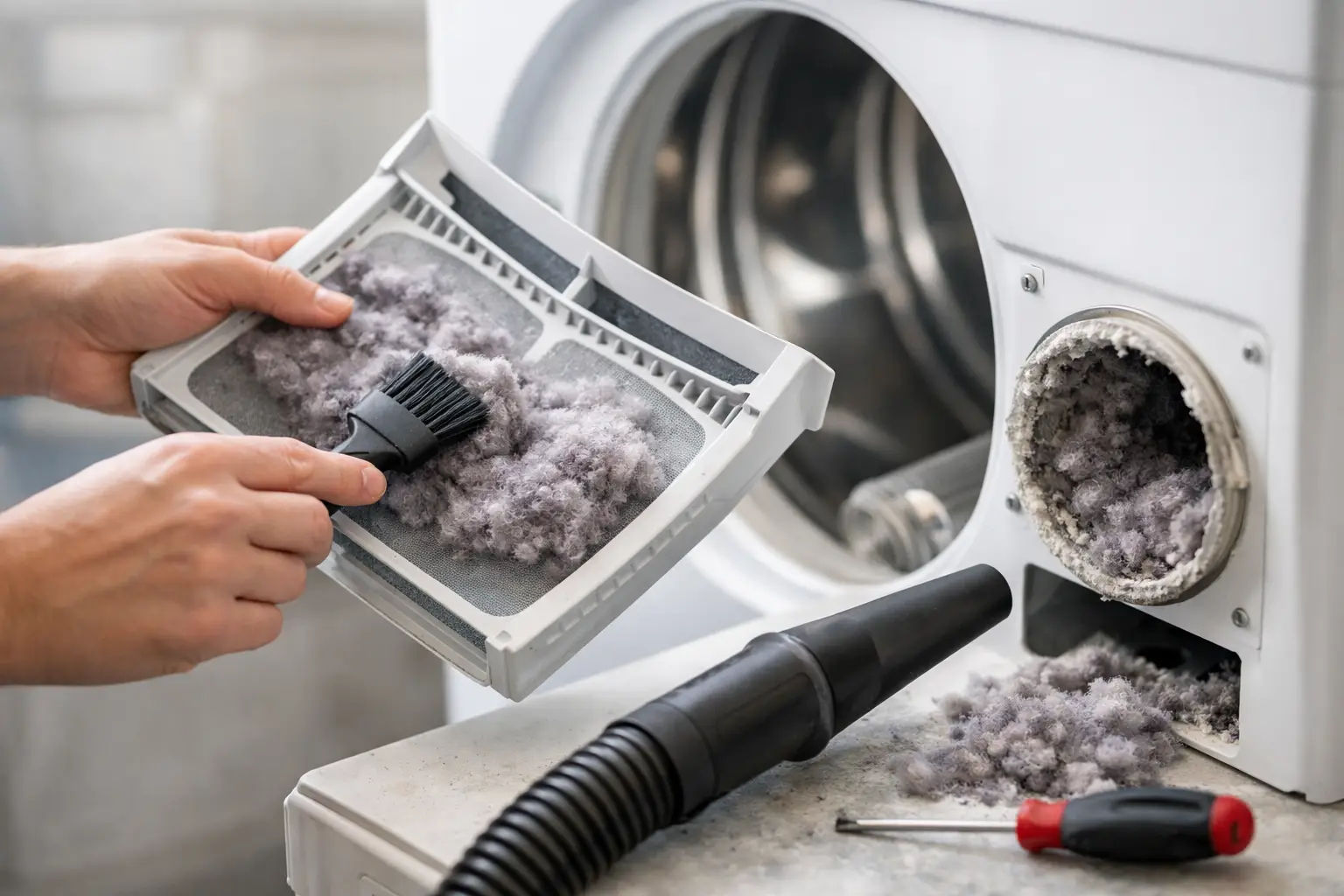
Duct cleaning does not need to happen on a fixed annual schedule in every home. The better approach is condition-based. Consider an inspection if you have moved into a previously owned home, completed renovation work, noticed persistent dust or odors, experienced water intrusion, or have evidence of contamination in the system. Dryer vent cleaning should also stay on the maintenance calendar. Lint restricts airflow, makes drying take longer, and creates a preventable fire risk.
For commercial properties, maintenance needs depend on occupancy, operating hours, cleaning practices, and the type of business. A busy office, retail space, or facility with frequent door traffic may accumulate dust and moisture-related issues faster than a lightly used space. Regular documentation makes it easier for managers to budget and respond before comfort complaints become operational problems.
Keep Indoor Humidity in a Healthy Range
Most Florida homes are most comfortable when indoor relative humidity stays around 45% to 55%. A simple hygrometer can help you spot a problem before it turns into a musty home. If the reading is consistently above 60%, start with the basics: confirm the filter is clean, make sure the thermostat fan is set to Auto rather than On, and check that bathroom and kitchen exhaust fans are used when needed.
If humidity remains high, the answer may depend on the house. A whole-home dehumidifier can help in some situations, while others need HVAC repairs, duct sealing, better attic insulation, or a correction to an improperly sized system. Portable dehumidifiers can provide relief in a problem room, but they require regular emptying or drainage and do not fix a central-system issue.
Your home should feel cool, dry, and easy to breathe in, not cold and clammy. When humidity, odors, weak airflow, or dust start disrupting that comfort, act early. A clear inspection and the right maintenance work can protect your equipment, your utility budget, and the air your family breathes every day.