
A dryer that suddenly needs two or three cycles to finish a load is not just frustrating. It is often telling you that hot, moist air is struggling to leave your home. In Florida, where laundry rooms already contend with heat and humidity, dryer vent cleaning Tampa homeowners schedule at the right time can help restore drying performance, reduce unnecessary energy use, and address a preventable fire risk.
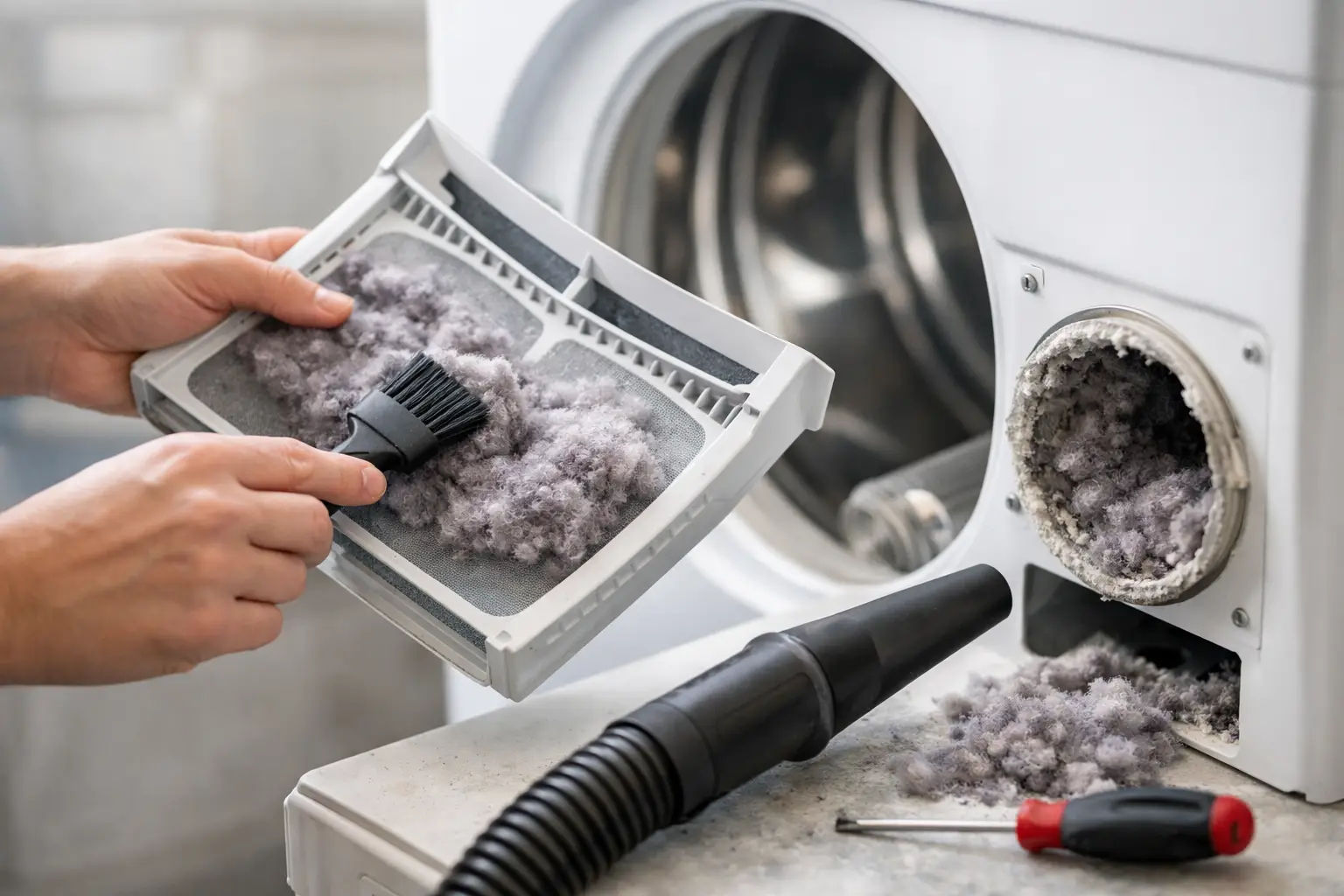
Lint is expected in the lint screen. What many homeowners do not see is the lint that moves beyond it, collecting inside the transition hose, vent pipe, elbows, and exterior exhaust cover. Every load adds small fibers to the system. Over time, that buildup narrows the path where air should travel freely.
Why Tampa Dryer Vents Need Regular Attention
Tampa Bay homes run air conditioning for much of the year, and the same warm, humid climate can make a laundry area feel especially uncomfortable when a dryer is venting poorly. A restricted vent keeps heat and moisture inside the dryer longer than it should. The appliance works harder, clothing takes longer to dry, and the laundry room may feel hotter or smell damp.
The vent route matters, too. A short, straight run to an exterior wall generally collects less material and is easier to clean than a long run through an attic, ceiling, garage, or multiple bends. Townhomes, condos, and homes with interior laundry rooms often have more complex vent paths. That does not mean there is a problem, but it does mean the system deserves a proper inspection instead of a quick look behind the dryer.
Outside conditions can add to the issue. An exterior vent hood may become blocked by lint, damaged by weather, or restricted by a stuck flap. In some cases, birds or small animals may attempt to nest near an opening. The goal is not simply to remove visible lint. It is to confirm that the dryer can exhaust safely from the appliance all the way to the outside.
Signs You Should Schedule Dryer Vent Cleaning in Tampa
The clearest warning sign is longer drying time. If towels, jeans, or bedding are still damp after a normal cycle, do not assume the dryer is failing. A blocked vent is a common cause and should be checked before the appliance is pushed harder.
Pay attention if the dryer cabinet or laundry room gets unusually hot, if clothes have a hot or slightly burnt smell, or if the exterior vent flap barely opens while the dryer is running. A musty odor can also develop when moisture is not being exhausted effectively. These signs do not diagnose the exact problem on their own, but they are good reasons to stop guessing and have the vent inspected.
Other practical clues include a lint screen that seems to fill faster than usual, visible lint around the exterior vent, and a dryer that repeatedly stops mid-cycle or shows an airflow-related message. Newer dryers may shut down as a protective response when they detect poor airflow. That feature can prevent added strain, but it does not remove the obstruction.
If you notice a burning odor, excessive heat, or any concern that the dryer is operating unsafely, stop using it until a qualified professional can inspect the appliance and venting. Cleaning helps with lint buildup, but damaged wiring, faulty heating components, and unsafe vent materials require the right repair solution.
What Professional Dryer Vent Cleaning Should Include
A thorough service starts with understanding the vent path and checking the conditions that affect airflow. The technician should inspect the dryer connection, accessible ductwork, exterior termination, and the route of the vent when possible. This step matters because a blockage near the dryer needs a different approach than a restriction deep in a long concealed line.
Next comes mechanical cleaning. Professional equipment is used to dislodge and remove accumulated lint and debris from the vent path without treating the job as a surface-level vacuuming task. The dryer connection area and exterior termination should also be addressed, since these are common collection points.
After cleaning, verification is just as valuable as removal. A technician can check airflow, confirm that the exterior flap is operating, and explain any conditions found during the appointment. If there is crushed flex duct, an improper connection, a damaged exterior cover, or a vent run that needs repair, homeowners deserve a clear explanation and practical next steps.
At The Ductors, the focus is on showing homeowners what was found and what was completed. Photo documentation and a straightforward explanation help turn an invisible maintenance job into something you can verify.
The three steps that make the service clear
A dependable dryer vent appointment should feel simple: inspect the full accessible path, mechanically remove lint and debris, then verify airflow and review the results with you. You should not be left wondering whether the technician cleaned the entire route or only the section behind the dryer.
How Often Should a Dryer Vent Be Cleaned?
For many households, professional cleaning once a year is a sensible baseline. A family that does frequent laundry, regularly washes bulky towels and pet bedding, or has a long or winding vent route may need service more often. The same can be true for homes with multiple dryers or shared laundry systems.
There is no single calendar rule that fits every property. A lightly used dryer with a short, straight metal vent may stay clear longer than a heavily used dryer venting through a long attic run. The best approach is to pair an annual check with attention to drying time and airflow changes. When performance changes, schedule an inspection rather than continuing to run extra cycles.
Cleaning the lint screen after every load is still essential, but it is not a replacement for vent cleaning. The screen captures a lot of lint, not all of it. For better airflow, wash the lint screen periodically with warm water and mild soap, especially if fabric softener sheets leave a film that reduces airflow through the mesh. Let it dry completely before reinstalling it.
What Homeowners Can Safely Check Between Visits
A few simple checks can help you catch trouble early. While the dryer runs, step outside and look at the exhaust hood. You should feel warm air moving out, and the flap should open freely. Keep the area around the exterior vent clear of landscaping, stored items, and loose debris.
Inside, avoid crushing the transition duct when sliding the dryer back into place. A metal transition duct is generally preferable to thin plastic or foil-style material because it is more durable and less likely to sag or trap lint. If you see a damaged, kinked, or improvised connection, have it evaluated rather than taping over the issue.
Do not attempt to force brushes or tools deep into an unknown vent route. It is easy to disconnect a hidden joint, damage a vent component, or push lint farther into a bend. Home maintenance is useful, but concealed, long, or complex dryer vents are best handled with professional equipment and inspection.
Better Airflow Means Less Waste at Laundry Time
When a dryer can exhaust properly, it can dry clothes with fewer extended cycles. That can reduce wear on fabrics, cut down on repeated energy use, and make laundry day less of a chore. It also reduces the heat and humidity released into a space when the system is not performing as it should.
For Tampa homeowners, dryer vent maintenance is a small service with a practical payoff: more reliable drying, a cleaner vent path, and greater confidence that a major appliance is operating as safely as possible. If your dryer has been taking longer, heating up the room, or sending lint outside in visible clumps, trust the warning signs. A timely inspection can bring relief before a minor airflow problem becomes an expensive appliance problem.