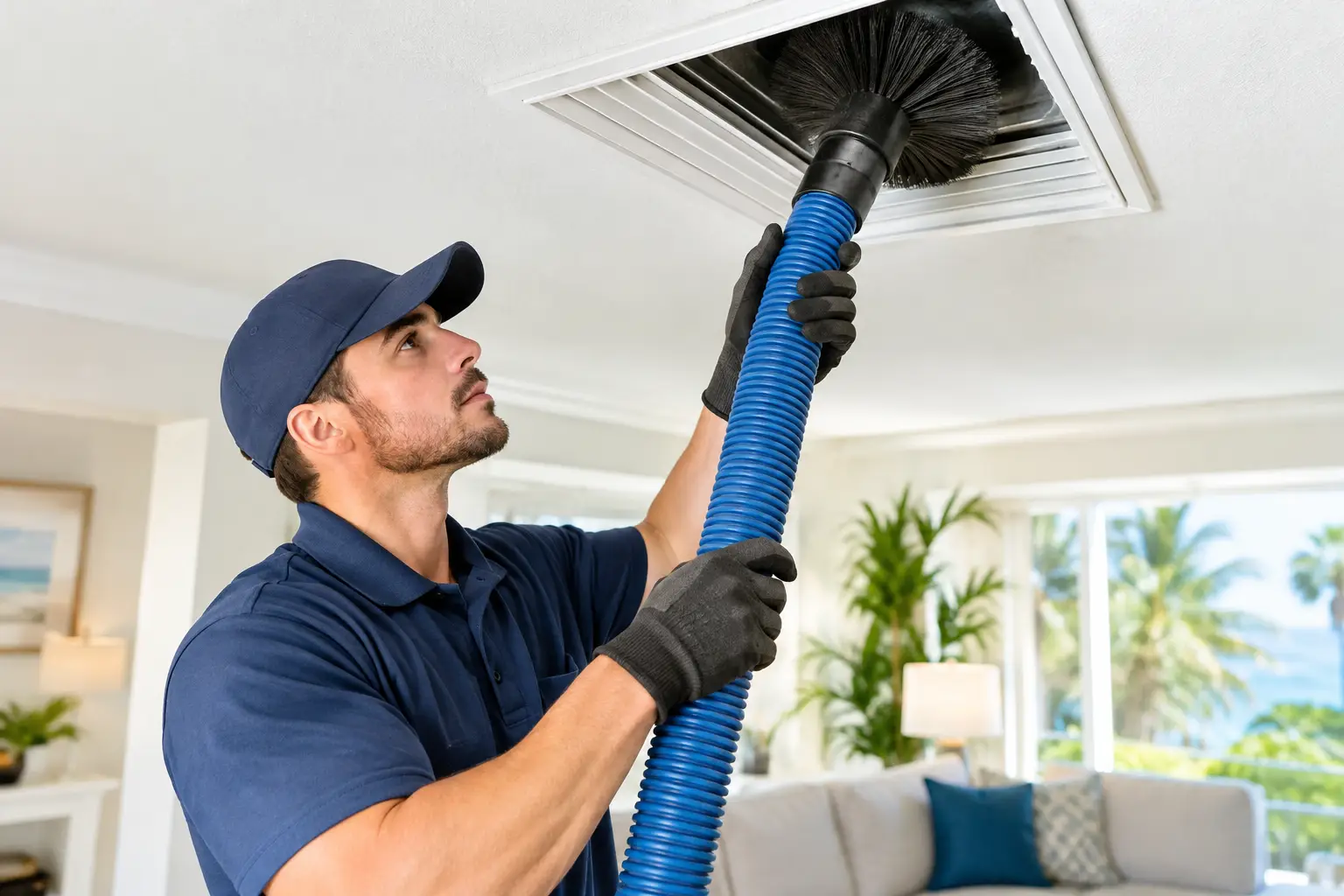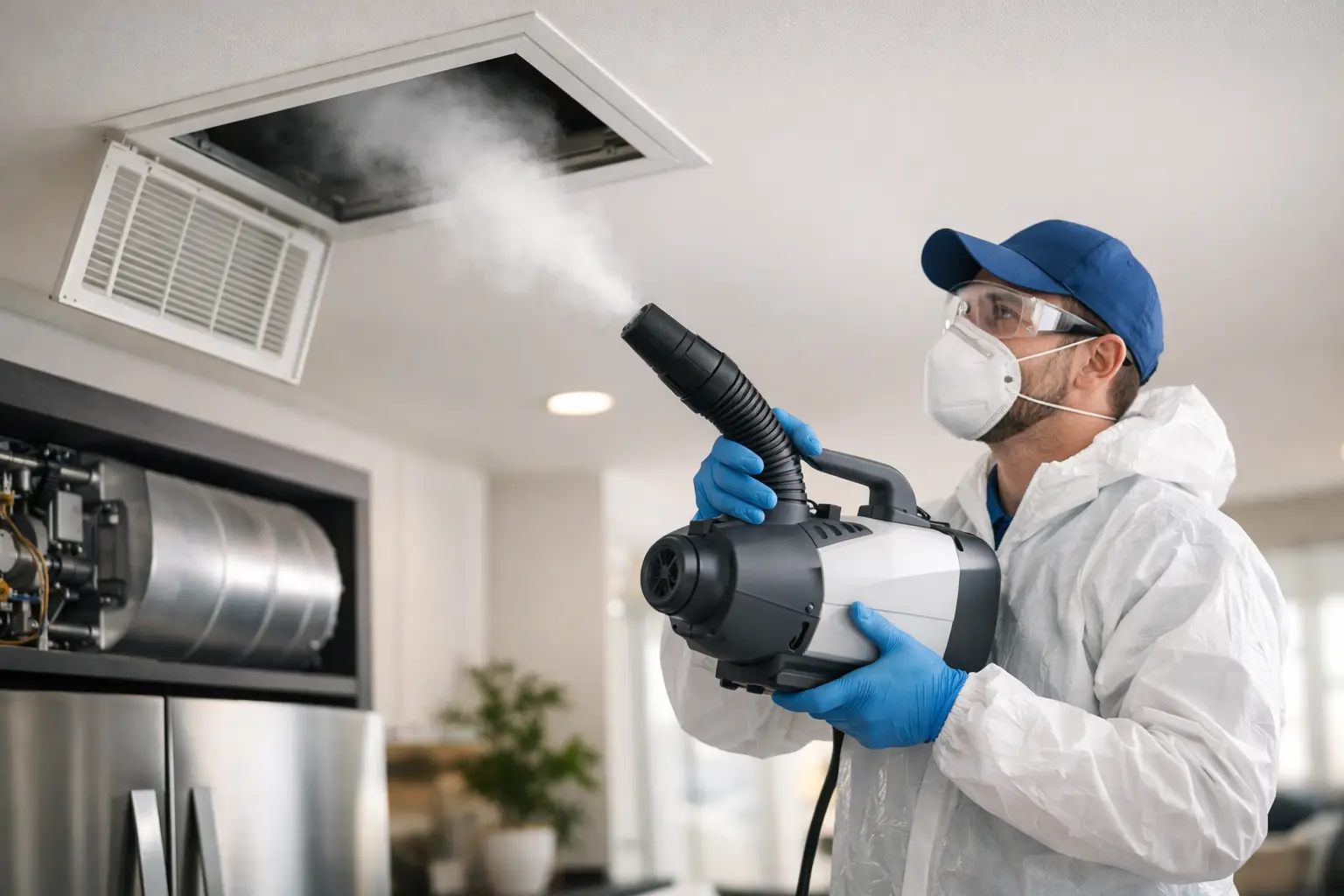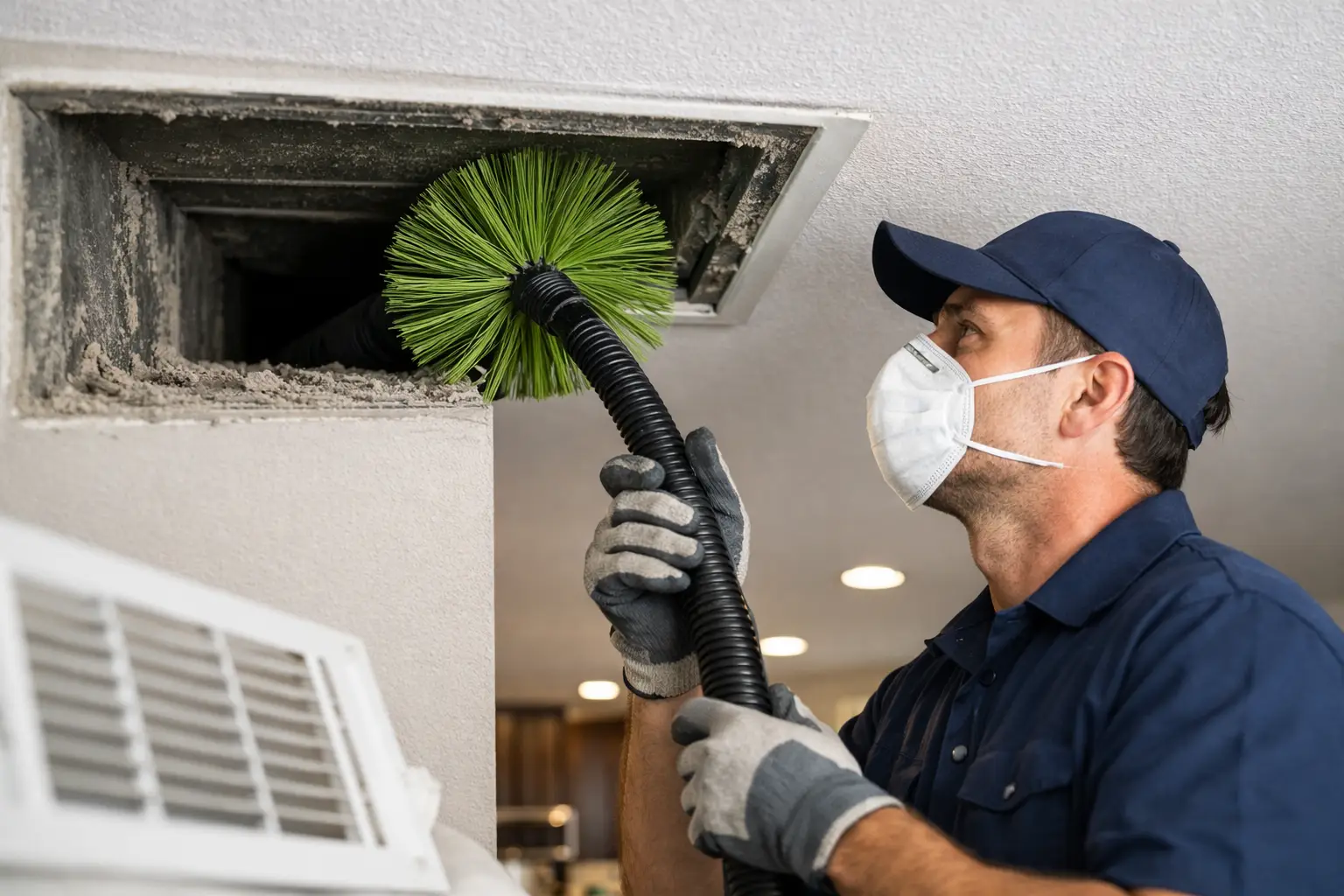

A five-star rating can feel reassuring when a musty smell is hanging in the air or dark spotting appears near an AC vent. But mold remediation reviews are most useful when they tell you what actually happened inside the home: how the problem was inspected, what moisture source was addressed, how the work area was protected, and what proof the homeowner received afterward.
For Tampa Bay and Central Florida homeowners, those details matter. Our long cooling season, high humidity, storm-driven moisture, and constant AC use can create the conditions mold needs to grow. A review should help you find a professional who treats the cause, not just the visible symptom.
What Strong Mold Remediation Reviews Actually Tell You
The best reviews do more than say a company was “great” or that the house “smelled better.” Look for a clear story. The homeowner may explain that a technician arrived on time, inspected the affected area, identified a leak or condensation issue, explained the recommended scope, and documented the completed work with photos.
Specificity is a good sign because remediation is not one-size-fits-all. A small area of surface growth around a supply vent may call for cleaning, sanitization, and a close look at condensation or airflow. Growth caused by a roof leak, plumbing leak, or long-term water intrusion can require more extensive containment, removal of damaged materials, and repairs by the appropriate trade. Reviews that acknowledge these differences are generally more helpful than broad promises that every mold issue has one quick fix.
Pay particular attention to comments about communication. Homeowners should understand what was found, why a certain service was recommended, what is included in the price, and what needs to happen next. You should never feel pressured to approve work you do not understand.
Look for evidence, not just reassurance
A trustworthy review often mentions evidence the customer could see. That may include before-and-after photos, an explanation of debris or contamination removed from the HVAC system, pictures of coil buildup, or a walkthrough at the end of the appointment. Visible documentation is especially valuable when the concern involves ducts, air handlers, or areas that are difficult for a homeowner to inspect safely.
Evidence does not always mean laboratory testing. Whether testing is needed depends on the size and location of the affected area, the history of water damage, health concerns in the household, insurance requirements, and the scope of the project. For some straightforward HVAC-related cleaning situations, a careful inspection and documented cleaning may be appropriate. For larger or complicated contamination events, independent assessment and post-remediation verification can offer another level of confidence.
A quality provider explains that difference rather than selling testing as mandatory for every home or dismissing it when the situation calls for it.
Read Reviews for the Process, Not the Star Count
Star ratings are a starting point, not a decision. A company with many recent, detailed reviews may be a safer choice than one with only a handful of perfect ratings from years ago. Read the newest reviews first, then look for patterns over time.
For mold concerns, the process should be easy to follow. A reliable service experience usually begins with an inspection and plain-language explanation. The technician should discuss the affected area, likely moisture conditions, and the limits of what can be confirmed visually. From there, the work should be scoped to the condition of the home, followed by cleaning or remediation, documentation, and clear next steps for preventing a repeat problem.
Reviews that mention respectful technicians are not just a nice extra. Mold-related work can involve equipment, protective measures, access to an air handler or attic area, and time inside the home. Professional teams protect the work area, communicate before moving forward, and leave the space orderly. For families, that level of care matters as much as the equipment being used.
Details worth noticing in homeowner feedback
When comparing companies, reviews are most meaningful when they repeatedly mention several practical points:
- A thorough inspection instead of an instant diagnosis from a photo or a quick glance.
- Clear pricing and a written explanation of recommended services before work begins.
- Photos, findings, or a walkthrough that shows what was cleaned or removed.
- Technicians who arrive on time, answer questions directly, and respect the home.
- Follow-up guidance about moisture control, AC maintenance, filter changes, or repairs needed to prevent regrowth.
One glowing review can be genuine, but repeated mentions of these same behaviors show that a company has a consistent service process.
Red Flags Hidden in Mold Remediation Reviews
A review can also warn you away from a poor experience. Be cautious when customers repeatedly describe surprise charges, vague explanations, missed appointments, or pressure to buy major add-ons immediately. Mold concerns can be stressful, and that stress should not be used to rush a homeowner into work that has not been clearly justified.
Also watch for reviews that describe only fragrance or fogging as the solution to an ongoing mold problem. Sanitization can be part of a proper HVAC cleaning or remediation plan, but it cannot correct a leak, remove water-damaged material, or solve chronic condensation on its own. If moisture remains, mold can return.
Another concern is an absolute guarantee that a home will be permanently “mold-free.” Mold spores exist naturally in indoor and outdoor environments. The goal is to address active growth, remove or clean affected materials as appropriate, correct the moisture conditions that supported it, and improve the cleanliness and performance of the system. Honest professionals use careful language because they understand the limits of the work.
Be skeptical of reviews that sound unusually generic or repetitive, too. Short comments such as “best company ever” are not worthless, but they do not tell you whether the provider inspected properly or delivered the promised work. Real customer experiences tend to include useful context: a musty odor, an AC issue, a water event, the rooms involved, the team’s communication, or the proof provided when the job was complete.
Questions Reviews Cannot Answer for Your Home
Even excellent reviews cannot diagnose your property. A musty odor may be connected to ducts, an evaporator coil, drain pan, insulation, a bathroom exhaust issue, a hidden plumbing leak, or another moisture source entirely. The same visible spotting can have very different causes in two homes.
Use reviews to narrow your choices, then ask direct questions during the inspection. Ask what the technician sees, what may be contributing to the condition, whether the HVAC system is involved, and what work is necessary versus optional. If a company recommends duct cleaning, coil cleaning, HVAC sanitization, UV-light installation, or material removal, ask why that recommendation fits your situation.
You should also ask what documentation will be provided. For many homeowners, before-and-after photos and an explanation of the completed work bring peace of mind. If the project is more extensive, ask whether an independent indoor environmental professional or third-party verification is appropriate. The right answer depends on the project, and a reputable company will be comfortable saying so.
Choosing a Local Team You Can Trust
Florida homes need practical moisture awareness, not scare tactics. The best provider will take your concern seriously while giving you a realistic explanation of what is visible, what needs further investigation, and what can be done now to improve the air your family breathes.
At The Ductors, that means treating the appointment as more than a cleaning visit. Homeowners deserve clear findings, professional equipment, careful contaminant removal, and documentation that makes the results easy to understand. When HVAC conditions contribute to odors, dust, restricted airflow, or moisture concerns, the goal is a cleaner system and a more comfortable home.
Before booking, read a range of recent reviews, look for detailed project evidence, and choose the team that explains the next step without pressure. Clean air starts with an honest look at the problem, followed by work you can see and understand.