A musty smell returns a few days after you clean, your AC runs constantly, and dust seems to settle faster than it should. In a Tampa Bay home, those problems often point back to the HVAC system. UV lights can be a useful part of the solution, especially where year-round air conditioning and high humidity create ideal conditions for moisture-related buildup around the indoor coil.
But a UV light is not a magic air-cleaning device, and it should never be sold that way. The right installation can help keep key HVAC components cleaner over time. It works best after a professional inspection and cleaning has addressed the dirt, biological buildup, and airflow restrictions already inside the system.
What UV Lights Actually Do in an HVAC System
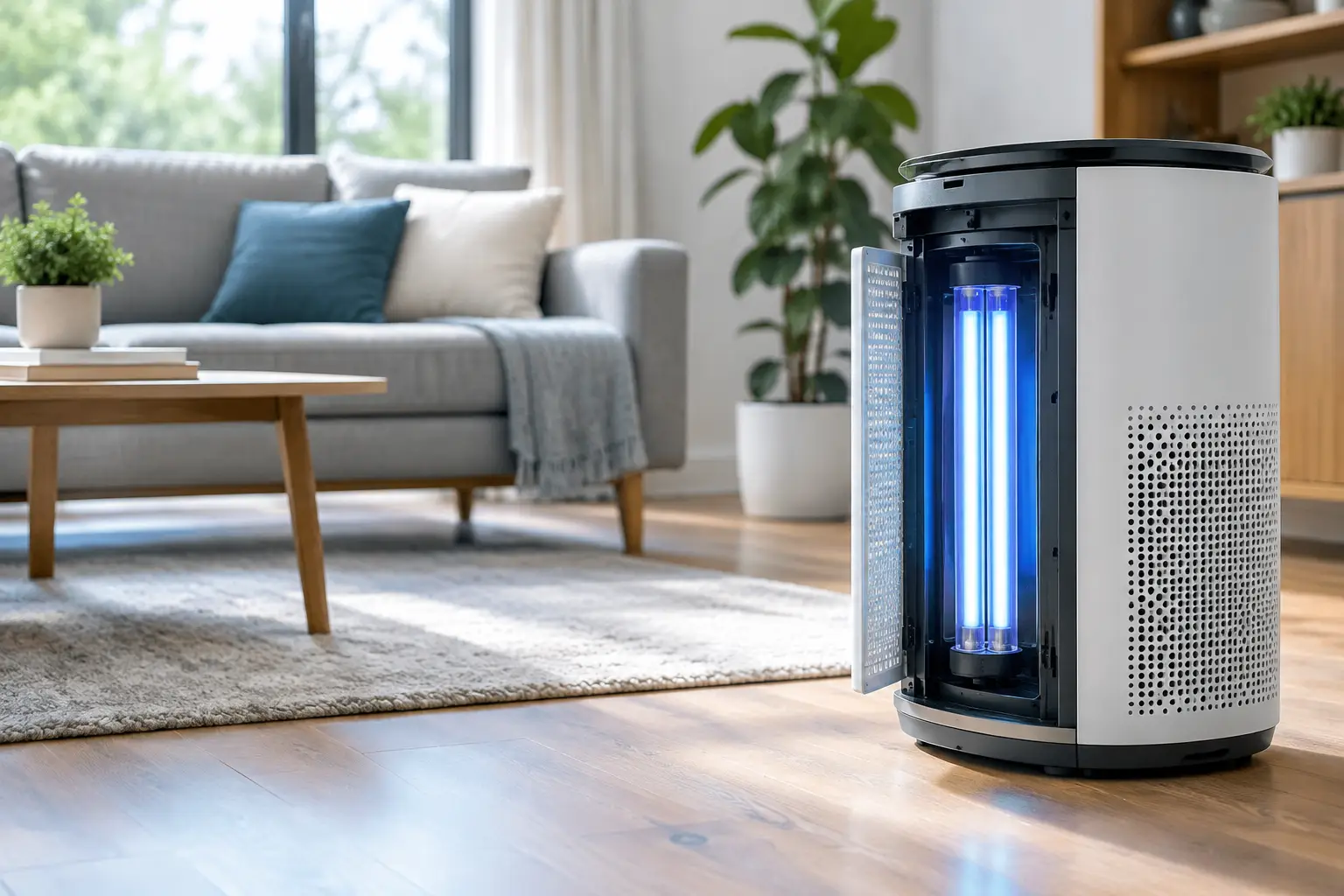
Most HVAC UV lights use UV-C energy, which is designed to affect microorganisms exposed directly to the light. In a residential system, the lamp is commonly installed near the evaporator coil and drain pan, where condensation forms whenever the AC is running.
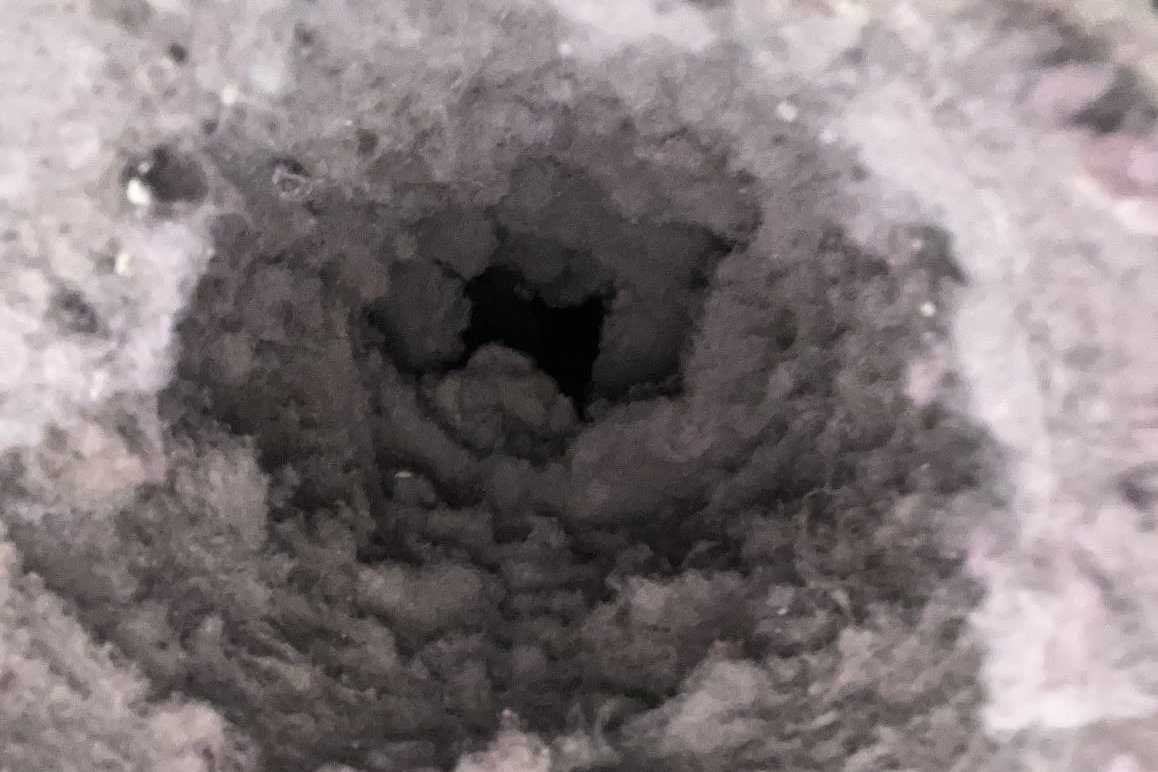
That location matters. Your indoor coil pulls heat and humidity from the air, and its wet surfaces can collect dust, residue, and microbial growth. In Florida’s humid climate, that combination can contribute to odors, restricted drainage, and a dirty coil that makes the system work harder.
A properly selected UV-C light shines on those surfaces continuously. Its main job is to help control biological growth on the coil and surrounding area between maintenance visits. When the coil stays cleaner, air can move across it more freely and the system has a better chance of maintaining efficient operation.
UV lights do not physically remove dust, pet hair, construction debris, or heavy buildup from ductwork. They also do not replace a quality filter, coil cleaning, duct cleaning when needed, or fixing a drainage problem. Think of them as a maintenance tool, not a shortcut around maintenance.
Why Florida HVAC Systems Can Benefit
Central Florida homes face a different set of indoor air challenges than homes in dry climates. Air conditioners run for long stretches, often day and night. That means the indoor coil is regularly cool and damp, while outdoor humidity places extra pressure on the entire system.
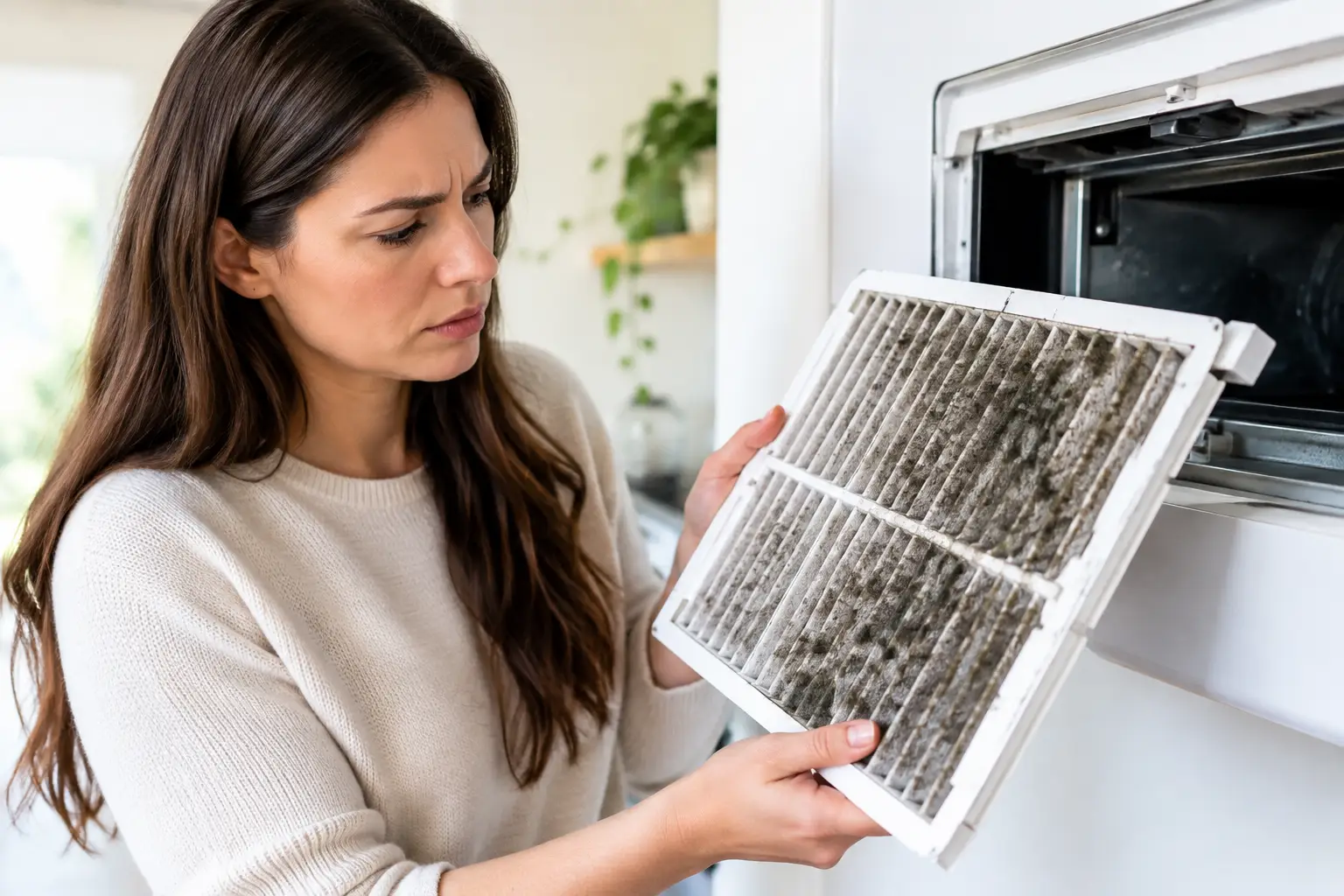
If airflow is already weak because of a clogged filter, dirty ducts, a neglected coil, or an undersized return, moisture may linger longer than it should. Homeowners may notice a sour or musty odor when the system starts, uneven cooling, higher electric bills, or visible residue around vents. Those symptoms deserve an inspection, not guesswork.
For homes with recurring coil-related buildup, persistent HVAC odors, allergy concerns, or high cooling demand, UV-C installation may be a smart addition after cleaning. It can also make sense for property managers and business owners who want a proactive way to support cleaner HVAC equipment in occupied spaces.
The benefit depends on the condition of the system. A UV light installed in a clean, properly draining air handler is positioned to help preserve that condition. A UV light installed over a coil already covered in grime will not restore lost efficiency or remove the source of the buildup.
When UV Lights Make Sense – and When They Do Not
A professional recommendation should begin with what a technician can see. During an HVAC inspection, the technician should examine the coil, drain pan, blower area, filter setup, accessible ductwork, and signs of moisture or mold-related conditions. Photo documentation helps you understand what is happening rather than relying on a vague sales pitch.
UV lights are often worth considering when the inspection reveals repeat moisture-related growth at the coil, a history of musty odors tied to the air handler, or a household need for ongoing HVAC cleanliness. They are especially practical for homeowners who maintain their filters and schedule cleaning but still deal with conditions created by constant AC use.
They may not be the first answer when the real issue is a blocked condensate drain, a refrigerant problem, damaged ductwork, inadequate ventilation, or water intrusion in the home. Those problems need to be corrected at the source. Likewise, if the concern is dust blowing from vents, the answer may involve filtration, duct cleaning, sealing, or coil cleaning rather than UV alone.
No reputable company should promise that a UV light will cure every allergy symptom, eliminate all mold, or purify every cubic foot of air in the home. Indoor air quality is a system issue. The equipment, filter, humidity level, housekeeping, duct condition, and moisture control all play a role.
Start With Cleaning and Verification
The best results come from putting services in the right order. First, identify the problem. Next, remove the contamination or restriction. Then consider UV installation as a way to help protect the clean coil area moving forward.
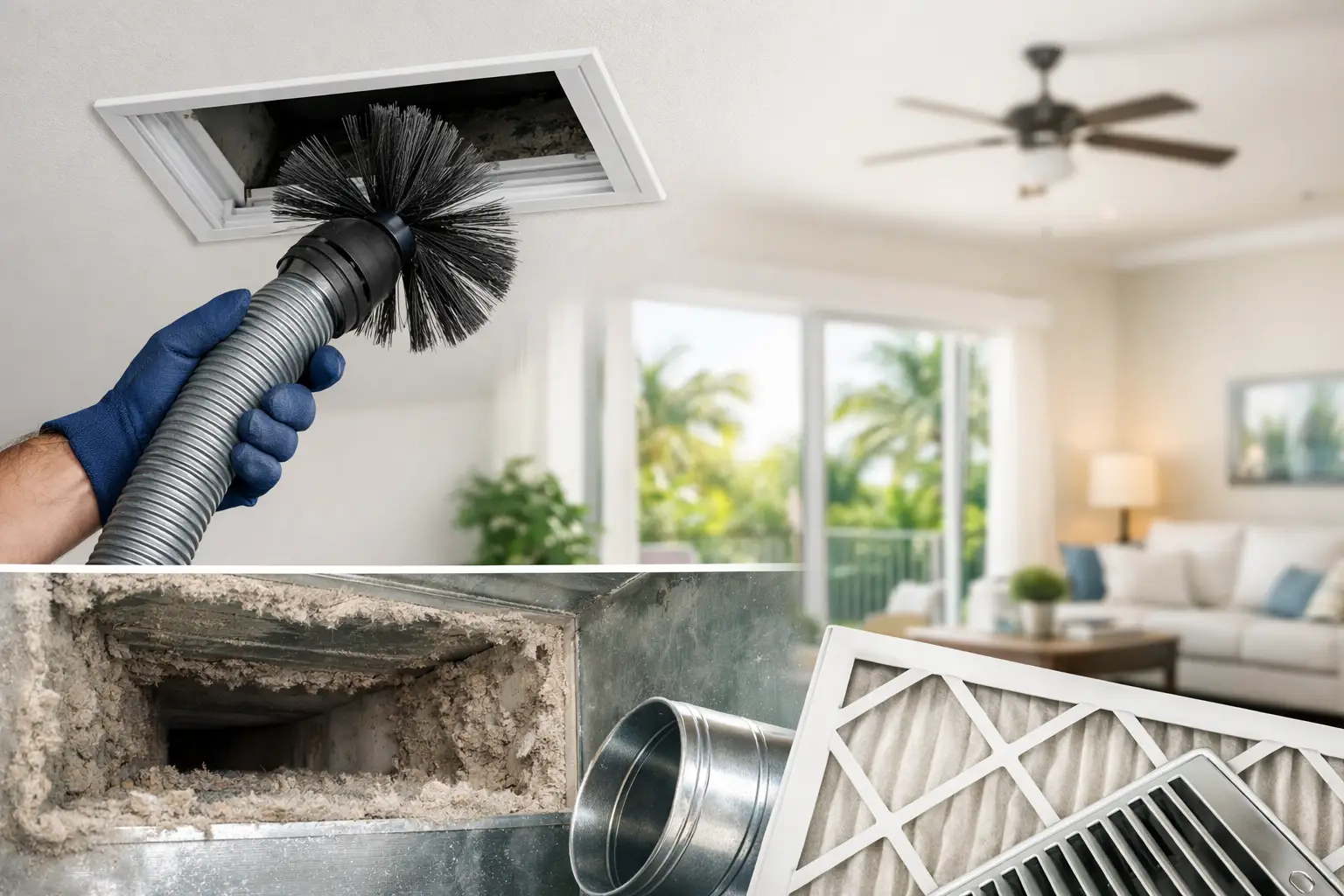
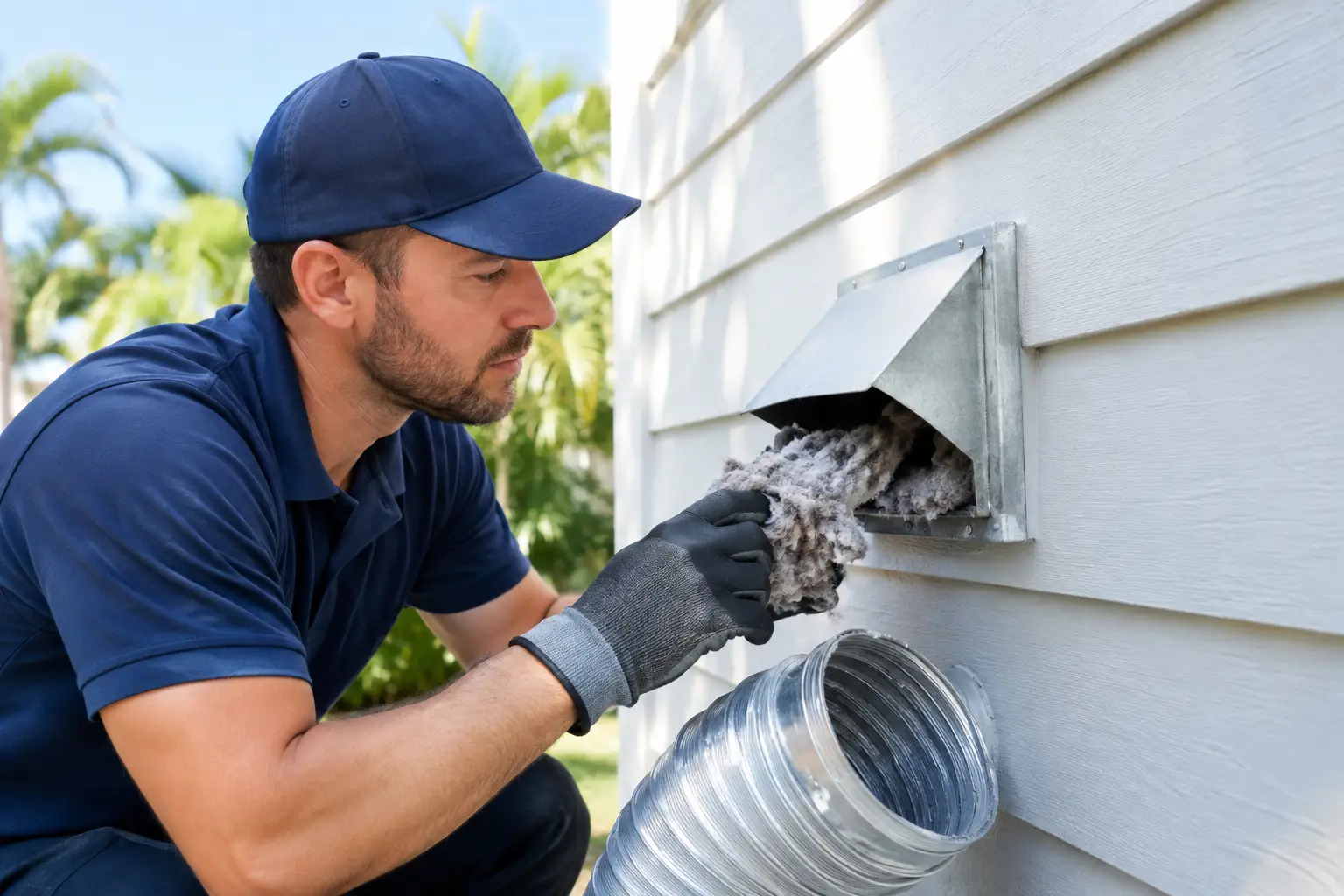
At The Ductors, that approach starts with clear findings and a practical explanation. If a coil is dirty, it needs deep mechanical cleaning. If ducts contain heavy dust or debris, they should be cleaned with professional equipment designed to capture contaminants rather than spread them through the home. If there are signs of mold, moisture conditions must be assessed and addressed appropriately.
After cleaning, a UV-C lamp can be installed in a location where it reaches the intended surfaces without creating safety concerns. The technician should explain where the unit is being placed, how it is powered, and when the lamp will need replacement. Most systems require periodic bulb replacement because UV output declines over time, even if the lamp still appears to be on.
This is also the time to review simple habits that protect your investment: use the right filter and change it on schedule, keep supply and return vents open, make sure condensate drains correctly, and do not ignore new odors or declining airflow. Small warning signs are often less expensive to handle before they become major repairs.
Safety and Product Quality Matter
Not all UV products are the same. HVAC UV-C equipment should be selected and installed specifically for use inside an air handler or duct system. Direct exposure to UV-C can harm eyes and skin, so the lamp must remain enclosed and the system should be serviced carefully.
Ask whether the product is designed to avoid ozone production. Ozone is not something you want intentionally introduced into occupied indoor air. A qualified technician can help you understand the equipment being proposed and confirm that it is installed according to manufacturer guidance.
Placement also affects performance. A lamp must have line-of-sight exposure to the target surface, usually the coil and drain pan area. If it is placed where it cannot reach the buildup-prone area, it may offer little value. Installation should be based on the layout of your actual system, not a one-size-fits-all package.
Signs It Is Time to Schedule an HVAC Inspection
You do not have to wait until the AC stops cooling to investigate indoor air concerns. Repeated musty odors, dust that returns quickly after cleaning, visible buildup near vents, allergy irritation that seems worse indoors, rising cooling costs, or rooms with weak airflow are all reasonable reasons to have the system checked.
For Florida homeowners, the goal is not simply colder air. It is cleaner airflow, a properly maintained AC system, and fewer surprises during the hottest months. A thorough inspection can tell you whether UV lights are a practical next step or whether cleaning, drainage repair, filtration changes, or another service will provide the better return.
A clean HVAC system gives your family more than comfort on a humid afternoon. It gives you clearer answers about the air moving through your home and a sensible plan for keeping it that way.