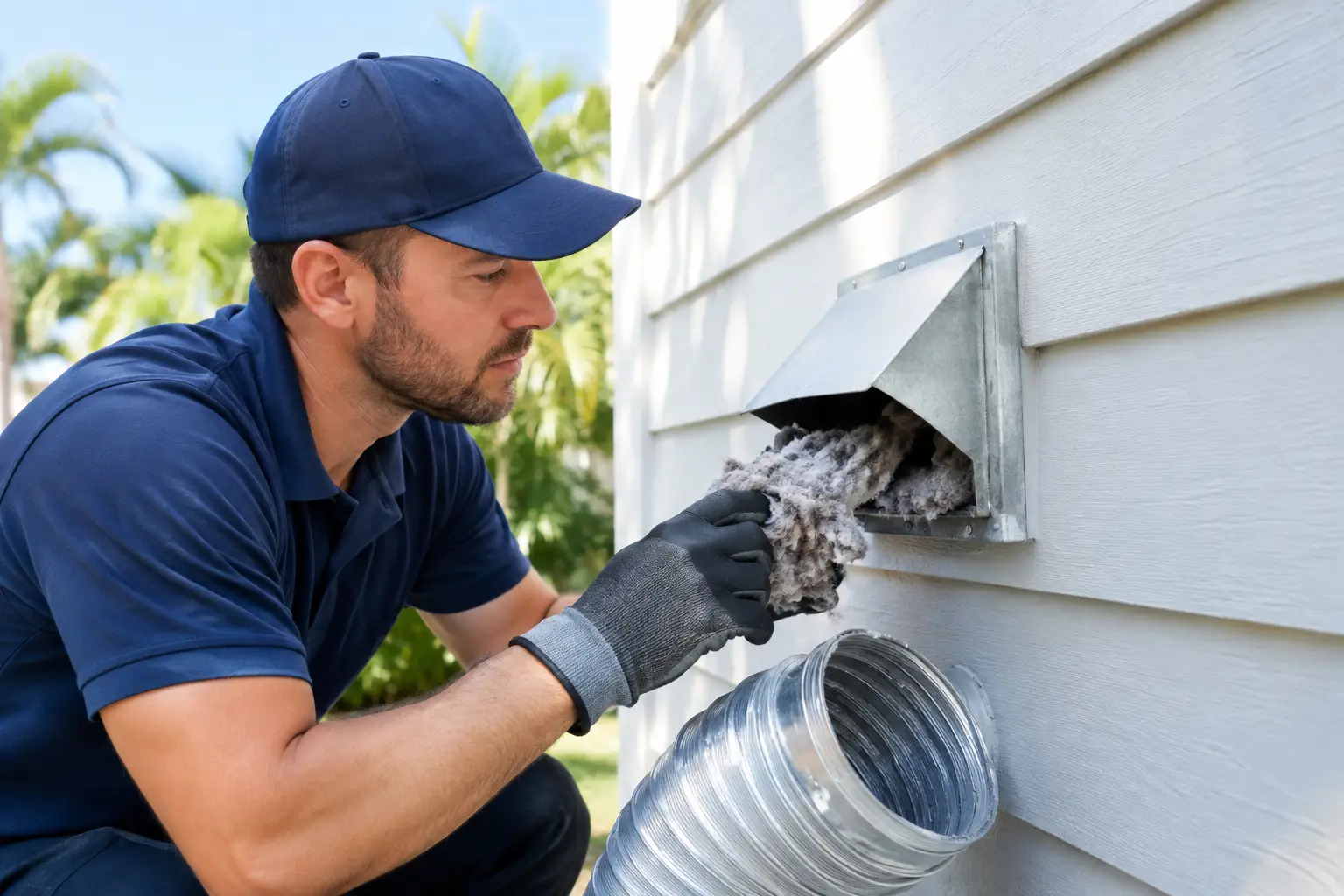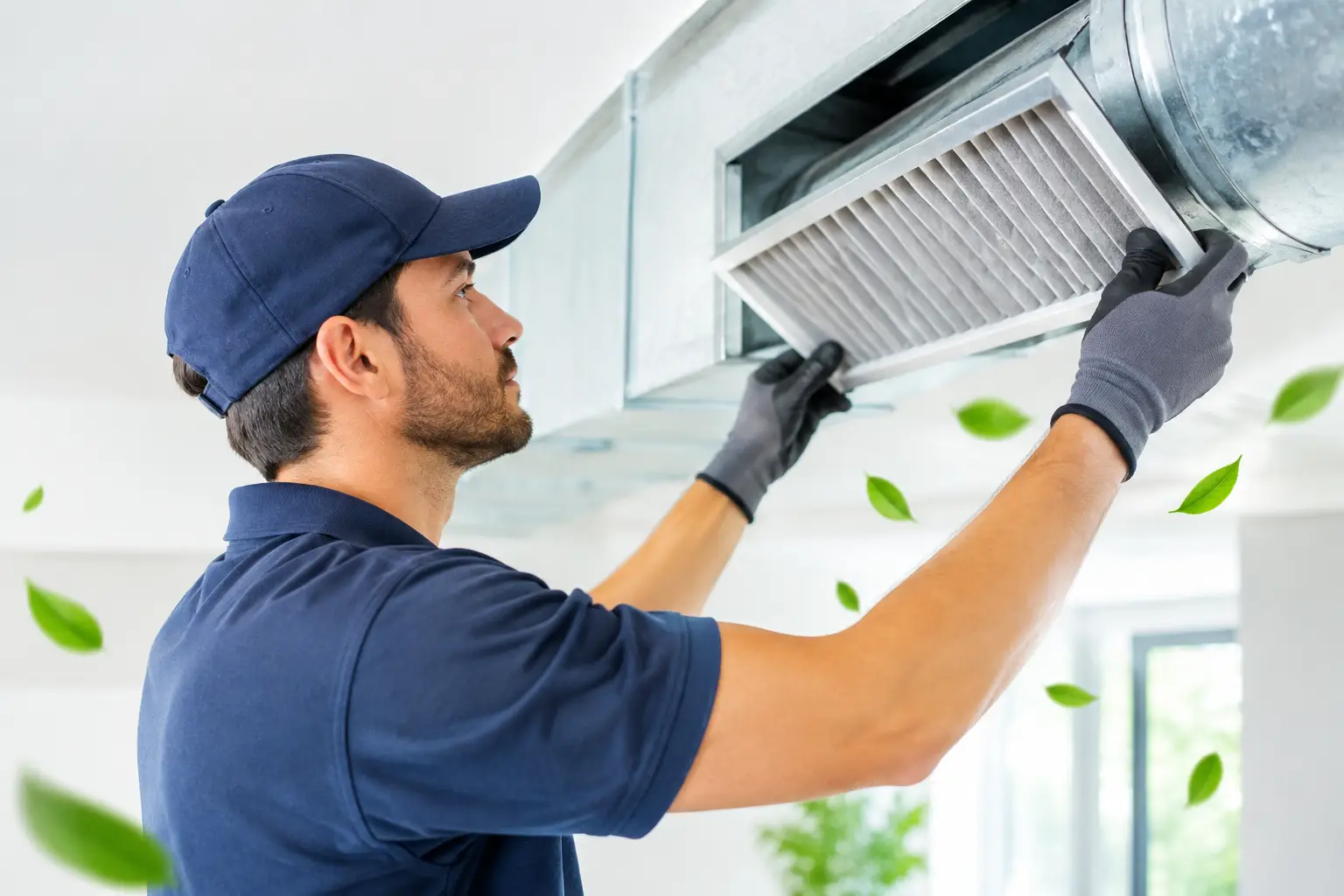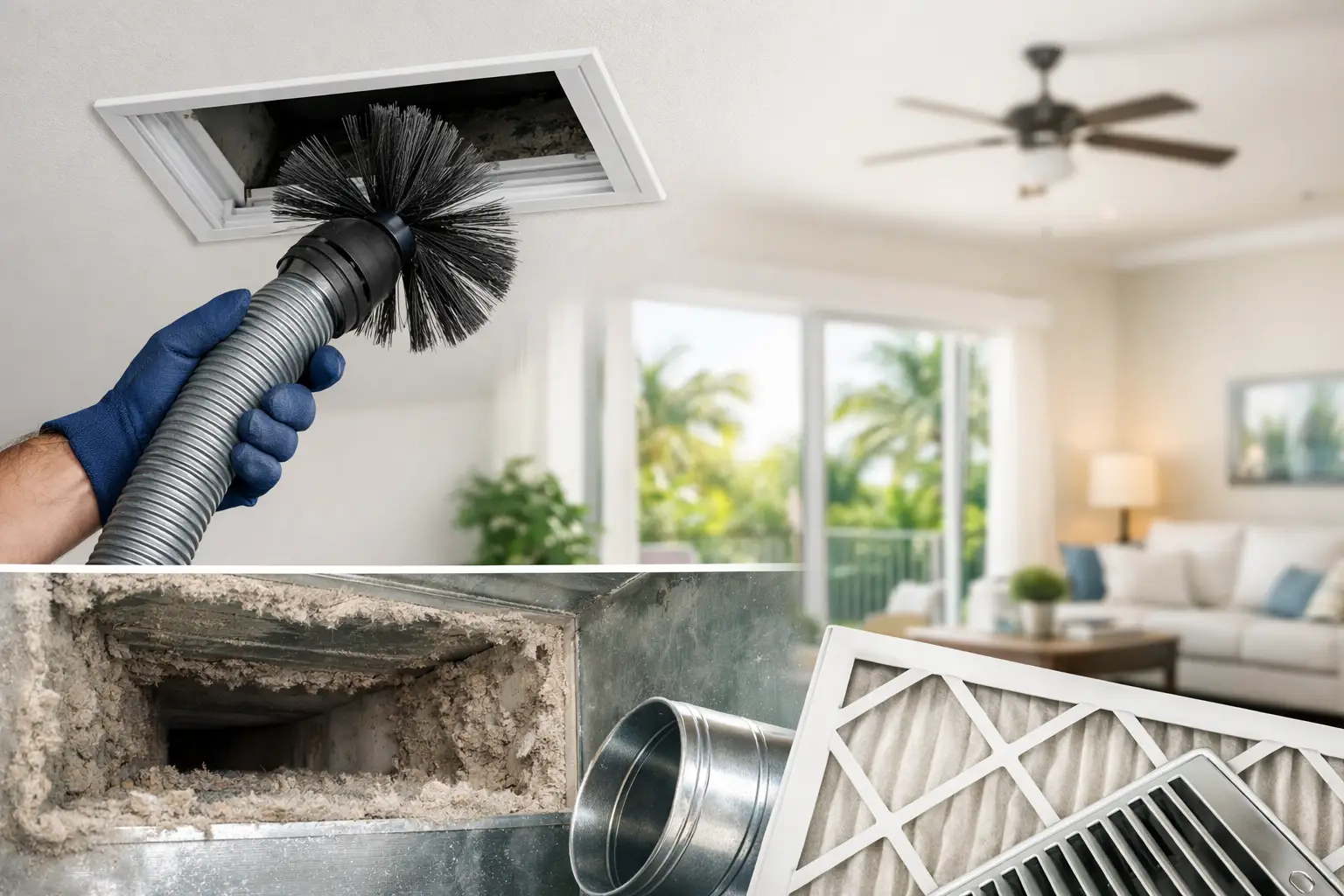
Your air conditioner may be running all day and still leave certain rooms warm, sticky, or uncomfortable. In many Florida homes, the problem is not always the thermostat or the age of the unit. It can be a dirty indoor evaporator coil. A professional AC coil cleaning service removes the buildup that blocks airflow, limits cooling, and puts extra strain on the system your family depends on.
Central Florida humidity creates the perfect conditions for coil buildup. As warm household air passes over a cold evaporator coil, moisture collects on its surface. Dust, pet dander, pollen, and other airborne particles can stick to that moisture. Over time, the coil may become coated with a layer of debris that makes it harder for your HVAC system to cool and dehumidify your home.
Why Dirty AC Coils Are a Bigger Problem in Florida
Your evaporator coil is located inside the indoor portion of your HVAC system, usually near the air handler. It absorbs heat from the air before cooled air moves back through your ductwork. When the coil is clean, air can move across it efficiently. When it is dirty, your system has to work harder to deliver the same comfort.
That extra effort can show up in ways homeowners notice quickly: longer cooling cycles, weak airflow from vents, inconsistent temperatures, higher electric bills, and a home that feels damp even when the AC is running. In Tampa Bay and Central Florida, where air conditioners operate for much of the year, that strain can add up fast.
A dirty coil can also contribute to musty odors. Moisture and organic debris on or around the coil can create conditions where microbial growth becomes more likely. Cleaning the coil does not solve every indoor air quality issue, but it is an important step when odors, dust, humidity, or HVAC performance concerns point back to the system.
Signs You May Need an AC Coil Cleaning Service
Most homeowners cannot see the evaporator coil without opening parts of the system, which is one reason an inspection matters. Still, your home often gives you useful clues.
If your AC runs constantly but struggles to reach the set temperature, restricted airflow may be part of the issue. If rooms feel humid, the system may not be removing moisture as effectively as it should. A sudden rise in energy use, even though your cooling habits have not changed, can also indicate that the equipment is working harder than normal.
Other common signs include dust collecting quickly around vents, a musty smell when the system starts, hot and cold spots throughout the home, or ice forming on refrigerant lines. Ice does not automatically mean the coil is dirty. It can also be related to low refrigerant, a blower problem, or other mechanical concerns. That is why trained technicians should inspect the system before recommending a fix.
For families managing allergies, asthma, pets, or frequent dust concerns, coil condition deserves attention alongside filter changes and air duct maintenance. Your HVAC system circulates air throughout the home. Keeping key components clean supports better airflow and a cleaner-feeling indoor environment.
What a Professional AC Coil Cleaning Service Includes
Proper coil cleaning is not a quick spray-and-go job. The coil is a delicate part of the HVAC system, and the thin metal fins can bend easily. Harsh chemicals, excessive pressure, or incomplete cleaning can create new problems instead of solving the old one.
A professional service should begin with an evaluation of the air handler, coil access, drain pan, condensate line, filter condition, and visible buildup. Technicians should explain what they find in plain language and let you know whether the coil can be cleaned safely in place or whether access limitations require a different approach.
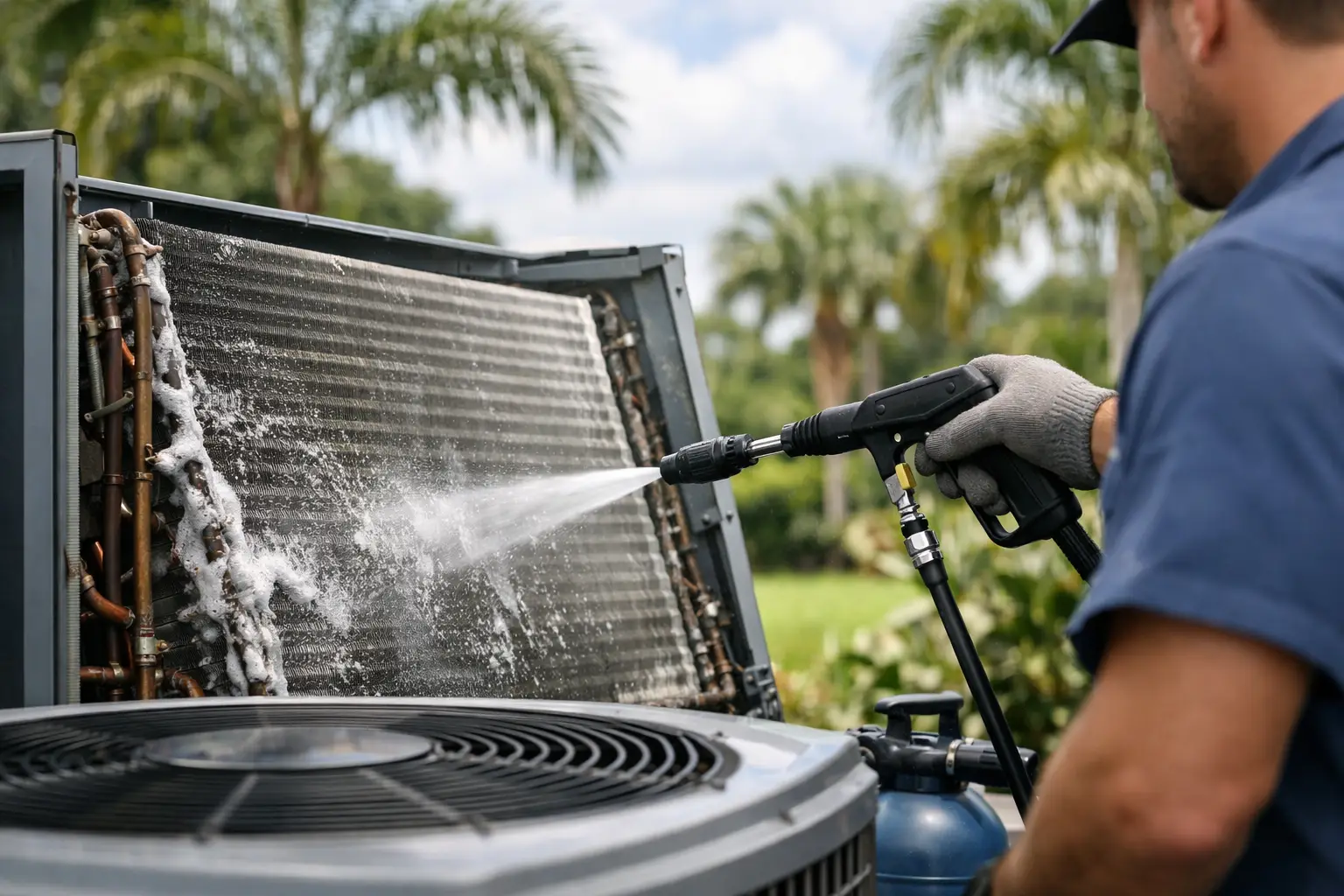
The cleaning process typically involves protecting the surrounding work area, carefully opening the system, removing loose debris, and applying a coil-safe cleaning solution designed to break down stubborn buildup. The technician should take care not to damage fins, wiring, insulation, or nearby components. The drain system should also be checked because debris around the coil can travel into the condensate pan and line.
After cleaning, the system should be reassembled and checked for normal operation. A quality provider can show you photos or explain the before-and-after condition so you know what was addressed. Visible proof matters, especially when the coil is located inside equipment that homeowners do not routinely inspect.
At The Ductors, the focus is on helping homeowners understand the condition of their HVAC system, not using technical language to create confusion. Clear findings, careful cleaning, and post-service verification help you make a confident decision about your home’s air and comfort.
How Often Should AC Coils Be Cleaned?
There is no single schedule that fits every home. Many households benefit from having the coil inspected during regular HVAC maintenance, with cleaning performed when buildup is found. In a relatively clean home with consistent filter changes, a coil may not need annual deep cleaning. In a home with pets, smokers, renovation dust, high occupancy, or persistent humidity, buildup can develop more quickly.
Florida homes often need closer attention because air conditioners run so frequently. Coastal moisture, pollen, construction activity, and long cooling seasons can all increase the amount of material moving through the system. If you have recently had water damage, mold concerns, or a major indoor air quality issue, it may also make sense to inspect the coil and duct system rather than focusing on only one component.
Changing filters on schedule is one of the best ways to slow coil contamination. But a filter is not a complete shield. Poorly fitted filters, gaps around the filter rack, overloaded filters, and normal dust accumulation can still allow particles to reach the coil.
The Cost of Waiting Too Long
A dirty coil does not always cause an immediate breakdown. Often, it creates gradual wear that homeowners only recognize after comfort declines or energy bills climb. The blower may run longer, the compressor may cycle more often, and components can experience unnecessary stress.
Waiting can also make a cleaning more difficult. Light dust may be removed with a careful maintenance cleaning, while heavy buildup can reduce airflow significantly and require more detailed work. If the drain pan or condensate line becomes clogged, water can back up and create a separate moisture problem near the air handler.
The goal is not to clean equipment unnecessarily. It is to inspect the system, identify the cause of the problem, and take action before restricted airflow turns into a larger repair or comfort issue. An honest evaluation should distinguish between a coil that needs attention now and one that simply needs to be monitored.
Coil Cleaning, Duct Cleaning, and HVAC Sanitization
These services work together, but they are not interchangeable. Coil cleaning addresses the heat-transfer component inside the HVAC equipment. Air duct cleaning removes accumulated dust and debris from the pathways that distribute conditioned air. HVAC sanitization may be appropriate when inspection findings support a targeted approach to microbial concerns or persistent odors.
If a coil is dirty because the system has been pulling dust through leaky return ducts or an improperly installed filter, cleaning the coil alone may not prevent the issue from returning. On the other hand, duct cleaning is not a substitute for cleaning a visibly contaminated coil. A full inspection helps determine which services provide real value for your home rather than recommending a one-size-fits-all package.
Choose a Service Provider Who Shows Their Work
When scheduling coil cleaning, ask how the technician will access and protect the equipment, what type of cleaning method will be used, and whether the drain system will be inspected. You should also expect clear communication about what the technician found, not a vague recommendation based only on system age.
Look for a provider that respects your home, arrives prepared, protects the work area, and documents meaningful findings. Clean air and dependable cooling should not require guesswork. If your home feels humid, your vents have weak airflow, or your AC seems to be working harder than it used to, an inspection can give you a clear next step and help your family breathe more comfortably.