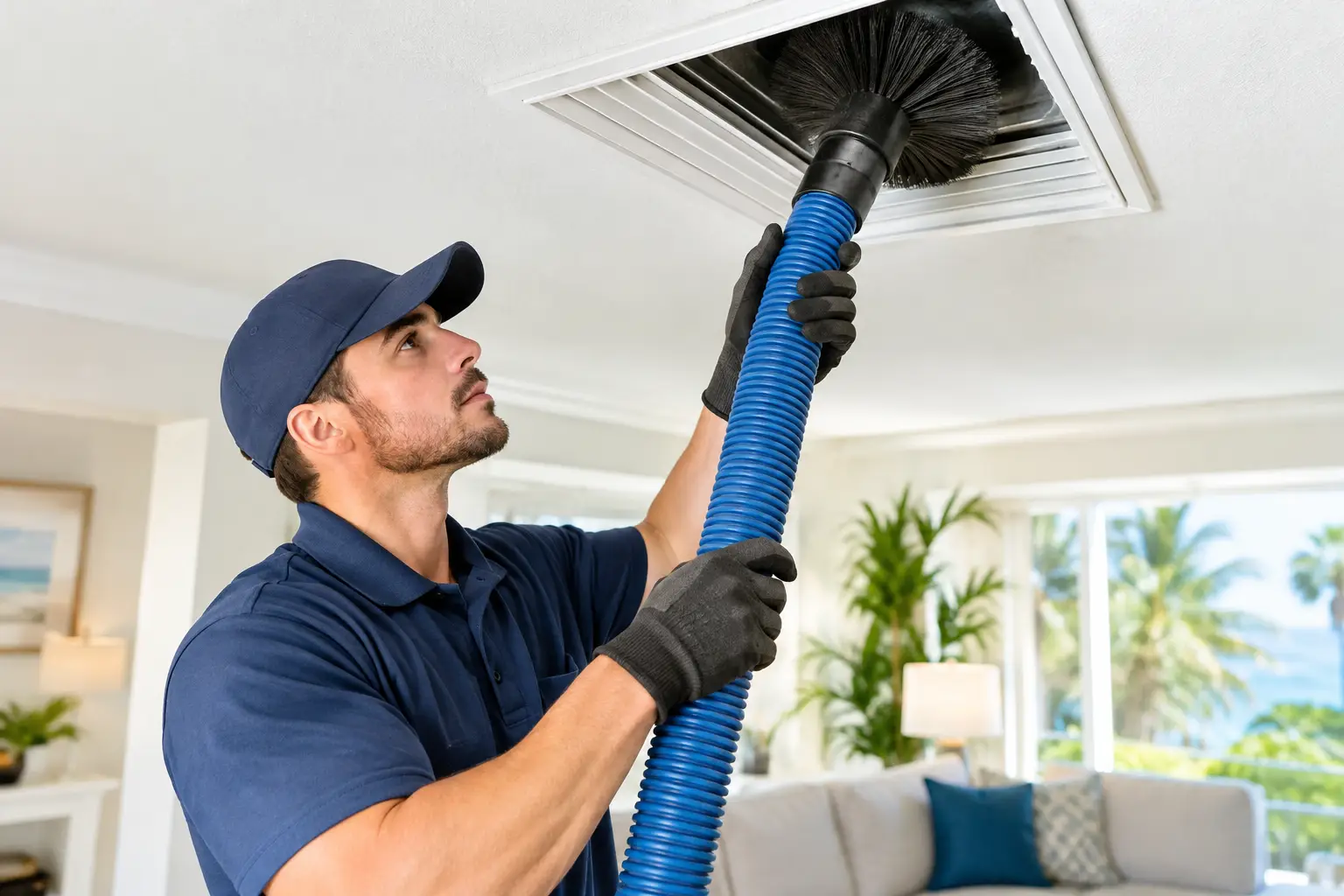
A Florida home can look spotless and still circulate dust, stale odors, and moisture-related debris every time the AC turns on. Air duct cleaning addresses the hidden side of indoor comfort: the supply and return pathways that move conditioned air through the rooms where your family sleeps, eats, and spends time.
In Tampa Bay and Central Florida, that work matters for a practical reason. Air conditioners run hard for much of the year. Humidity creates ongoing pressure on HVAC systems, while pollen, pet dander, construction dust, and everyday household particles can collect around vents and inside components. When buildup becomes significant, it can affect airflow, odor, cleaning demands, and confidence in the air inside your home.
When Air Duct Cleaning Makes Sense
Not every home needs duct cleaning on a fixed calendar. A well-maintained system in a low-dust household may need attention less often than a home with pets, recent renovations, smokers, allergy-sensitive family members, or a long stretch of heavy AC use. The right answer starts with the condition of the system, not a one-size-fits-all promise.
Still, certain signs are worth acting on. Dust blowing from registers, a musty smell when the AC starts, weak airflow in one or more rooms, unusually fast dust buildup on furniture, or visible debris around vents all justify a professional inspection. If you have moved into a previously owned home, completed remodeling work, or discovered a moisture issue, looking inside the duct system can provide useful answers.
A dryer that takes more than one cycle to dry clothes is a separate but urgent concern. Dryer vent restrictions can waste energy, create excessive heat, and raise fire risk. Ductwork and dryer vents serve different systems, but both depend on clear pathways to perform safely and efficiently.
Why Florida Ducts Collect More Than Dust
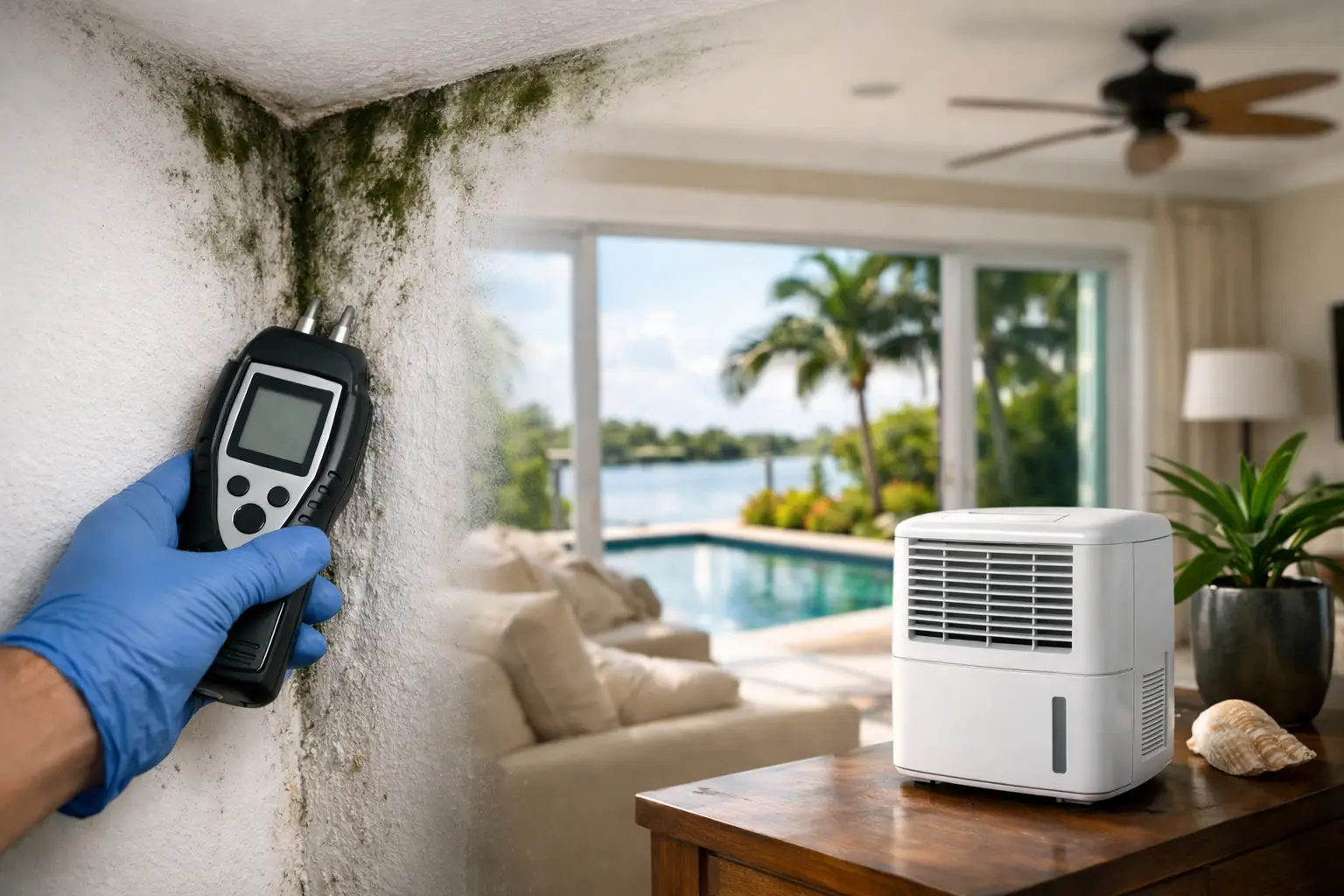
Florida’s heat is only part of the story. High humidity can make minor HVAC drainage, insulation, or air-leak issues more consequential. When warm, moist air reaches cooler surfaces, condensation can form. Over time, moisture combined with organic dust can create conditions that deserve closer attention.
That does not mean every musty odor is mold, or that every dusty vent requires sanitization. Odors can come from a dirty coil, a clogged drain line, insulation issues, pet-related debris, or contaminants in the duct system. A good technician explains what is visible, what is likely causing the issue, and what service is appropriate instead of treating every concern the same way.
If active mold growth or water damage is present, cleaning alone is not the full solution. The moisture source must be corrected first. Otherwise, contaminants can return and the underlying problem remains. This is why inspection and clear documentation matter as much as the cleaning itself.
What a Professional Air Duct Cleaning Visit Should Include
A proper service is more than placing a vacuum hose near a vent. The goal is to remove loosened contaminants while keeping debris from being released back into the home. Professional equipment, access to the system, and a methodical process make the difference.
1. Inspect the HVAC system and explain the findings
The visit should begin with a visual assessment of accessible vents, returns, ductwork, the air handler area, and related components. Your technician should point out visible dust, debris, possible moisture concerns, damaged connections, or airflow restrictions in plain language. Photos or video are especially helpful because they let you see what is happening without guesswork.
This is also the time to discuss specific concerns. Mention rooms that feel stuffy, allergy symptoms that worsen indoors, a recurring odor, pets, renovation dust, or a recent leak. Those details help determine whether duct cleaning, coil cleaning, sanitization, dryer vent service, or a different repair is the sensible next step.
2. Remove contaminants with mechanical cleaning
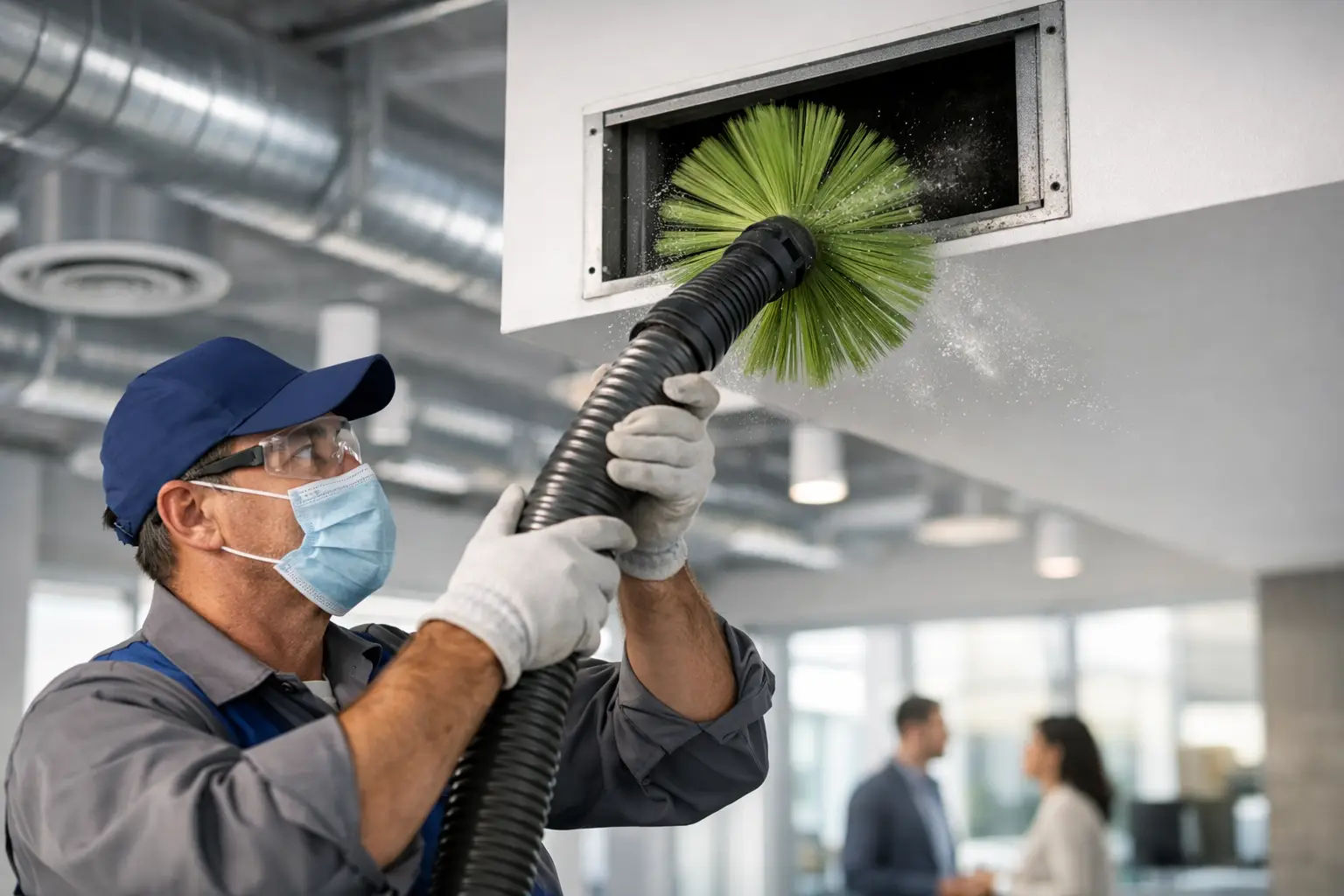
During cleaning, technicians use specialized negative-air equipment and agitation tools to loosen and capture dust, dander, lint, and debris from the duct pathways. Supply and return sides both matter. Returns pull air back to the system and often collect a substantial amount of household dust over time.
Registers are cleaned and protected as needed, and the work area should be treated with respect. A professional crew arrives prepared, protects floors and nearby surfaces, and explains any access points needed to do the job thoroughly. You should not be left wondering what was cleaned or whether the process reached beyond the visible vent covers.
3. Address related HVAC cleanliness concerns
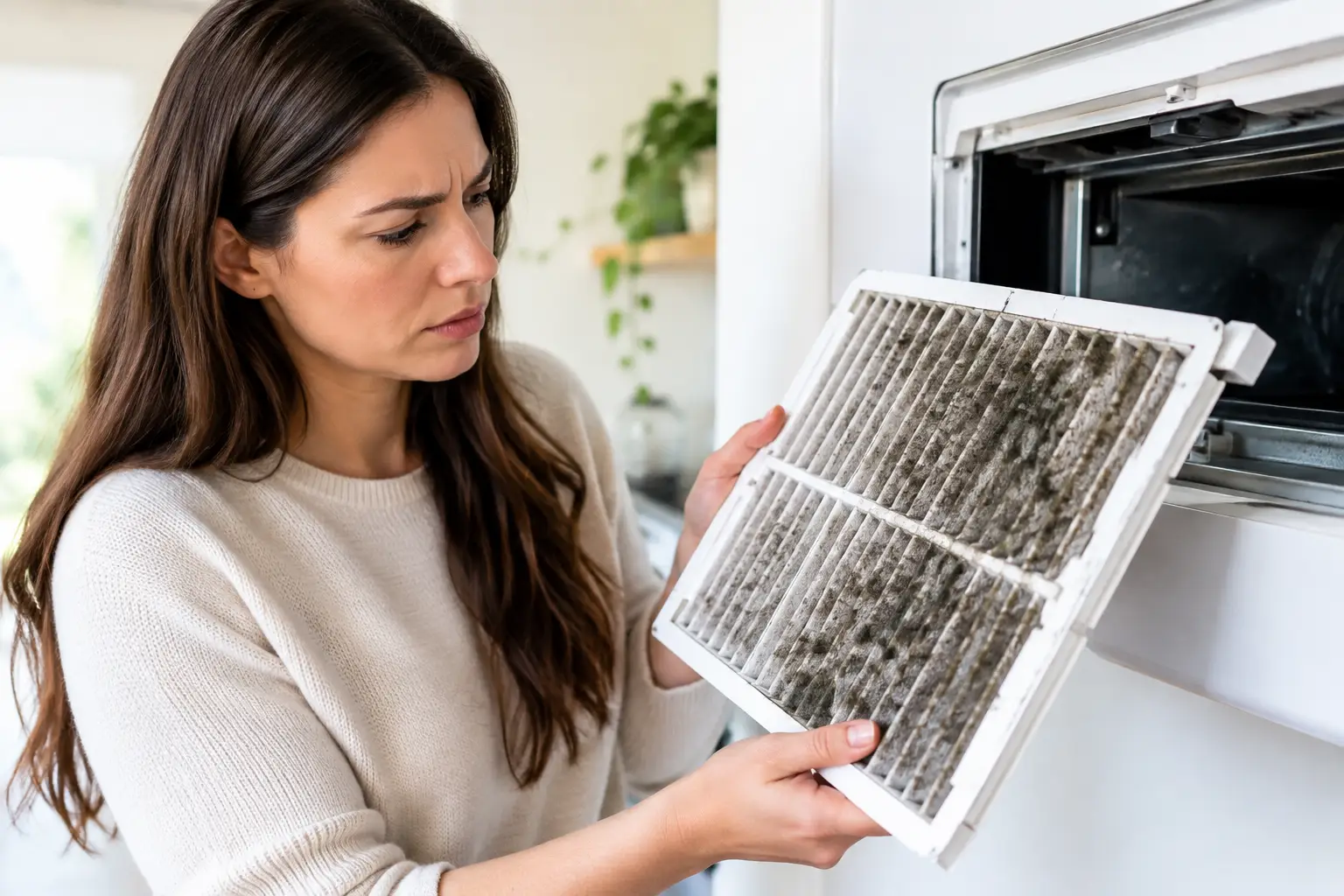
Ducts are only one part of the air-moving system. A dirty evaporator coil, blower compartment, drain pan, or filter can limit airflow and contribute to odors or particles circulating through the home. Depending on the inspection, cleaning these components may provide more meaningful improvement than duct cleaning alone.
Sanitization may be recommended when conditions support it, but it should be presented as an option with a clear purpose, not as a scare tactic. UV light installation can also be useful in some Florida HVAC systems, particularly where moisture management and coil-area cleanliness are ongoing concerns. It is not a substitute for mechanical cleaning or fixing a water issue, but it can be part of a broader maintenance plan.
4. Verify the work before the appointment ends
Before-and-after evidence gives homeowners a clearer picture of the result. Ask for photos of accessible areas, an explanation of what was removed, and recommendations for preventing the problem from returning. This final conversation should feel educational, not rushed.
A trustworthy company will also be honest about limits. Duct cleaning can remove accumulated contaminants and improve conditions inside the system, but it cannot repair crushed ductwork, solve a failing AC unit, eliminate outdoor humidity, or guarantee a cure for allergies. Real improvement comes from matching the service to the actual condition of your home.
Benefits You May Notice After Cleaning
The most immediate change many homeowners report is a fresher-feeling home. That can mean less visible dust near registers, fewer stale odors when the system starts, or simply greater peace of mind after seeing what was removed. Results vary because every HVAC system, home layout, and source of contamination is different.
Airflow may improve if debris was restricting vents, return pathways, or related components. A cleaner system can also support efficient operation, especially when paired with regular filter changes and coil maintenance. It is not accurate to promise a specific utility-bill reduction from duct cleaning alone, but a system that does not have to work against avoidable buildup is better positioned to perform as intended.
For families managing allergies, pets, or heavy household dust, cleaner ducts can be one useful part of a broader indoor air quality plan. High-quality filters, proper filter replacement, humidity control, routine AC maintenance, and prompt attention to leaks all matter too.
How to Keep Ducts Cleaner Longer
Start with the filter. Use the filter type recommended for your system and replace it on schedule, especially during the months when your AC runs nearly nonstop. A filter that is too restrictive for the equipment can reduce airflow, so more expensive is not always better. Ask an HVAC professional if you are unsure which rating fits your system.
Keep supply registers and return grilles clear of furniture, rugs, and piles of belongings. Vacuum around vents regularly, manage pet hair, and use extra caution during painting, flooring installation, drywall work, or other renovations that create fine dust. If you notice water near the air handler, persistent condensation, or a new musty odor, address it early instead of waiting for it to spread through the system.
For dryer safety, clean the lint screen after every load and schedule dryer vent cleaning when drying times increase or lint appears around the exterior vent hood. That small maintenance decision can protect both your appliance and your home.
Choose Evidence Over Scare Tactics
Air duct cleaning should leave you with clearer information, not more anxiety. Be cautious of unusually low offers that turn into pressure sales, vague claims that every home has dangerous contamination, or companies that cannot explain their equipment and process. Ask what will be cleaned, whether the price includes the full system, how findings will be documented, and whether additional services are optional.
The Ductors helps homeowners across Tampa Bay and Central Florida understand what is inside their HVAC systems and what steps are worth taking next. The right service begins with a careful look, proceeds with thorough cleaning, and ends with evidence you can see.
Clean air is not about chasing perfection. It is about removing avoidable buildup, correcting moisture concerns early, and giving your family a more comfortable place to come home to.