
If your family’s allergy symptoms seem worse after the AC turns on, your HVAC system deserves a closer look. Duct cleaning for allergies is not a cure for seasonal pollen, asthma, or every sniffle in the house. But when return vents, ducts, coils, and filters are carrying built-up dust, pet dander, moisture-related debris, or other contaminants, cleaning the system can reduce what keeps circulating through your living space.
That matters in Tampa Bay and Central Florida, where air conditioners run hard for much of the year. High humidity, frequent rain, coastal moisture, and long cooling seasons create conditions where dust clings to surfaces and moisture concerns can develop quickly. For families managing allergies, the goal is straightforward: stop repeatedly moving avoidable contaminants through the air you breathe.
What Duct Cleaning Can Do for Allergies
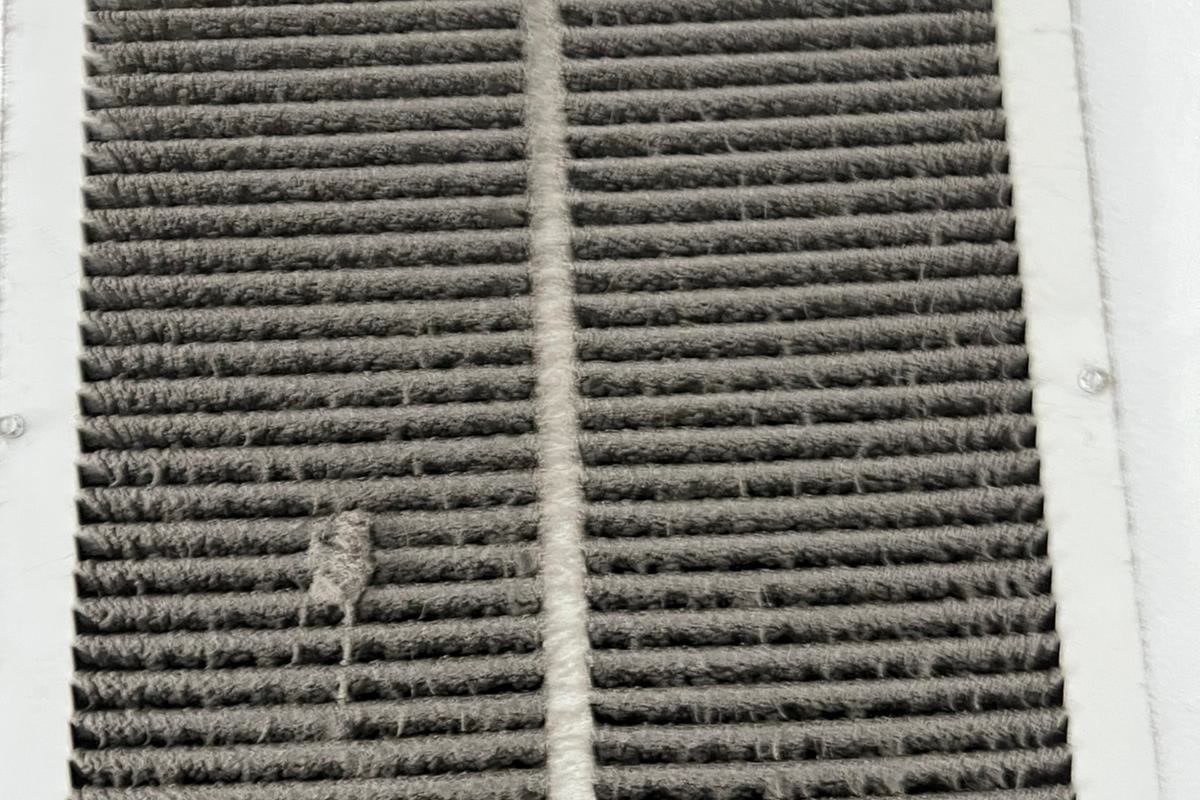
Your HVAC system pulls air from the home through return vents, conditions it, and sends it back through supply ducts. Along the way, it can collect ordinary household dust, fibers, pet dander, tracked-in pollen, and debris from renovation projects or pest activity. A dirty system does not automatically mean it is the sole cause of allergy symptoms. It does mean the system may be recirculating particles you would rather remove.
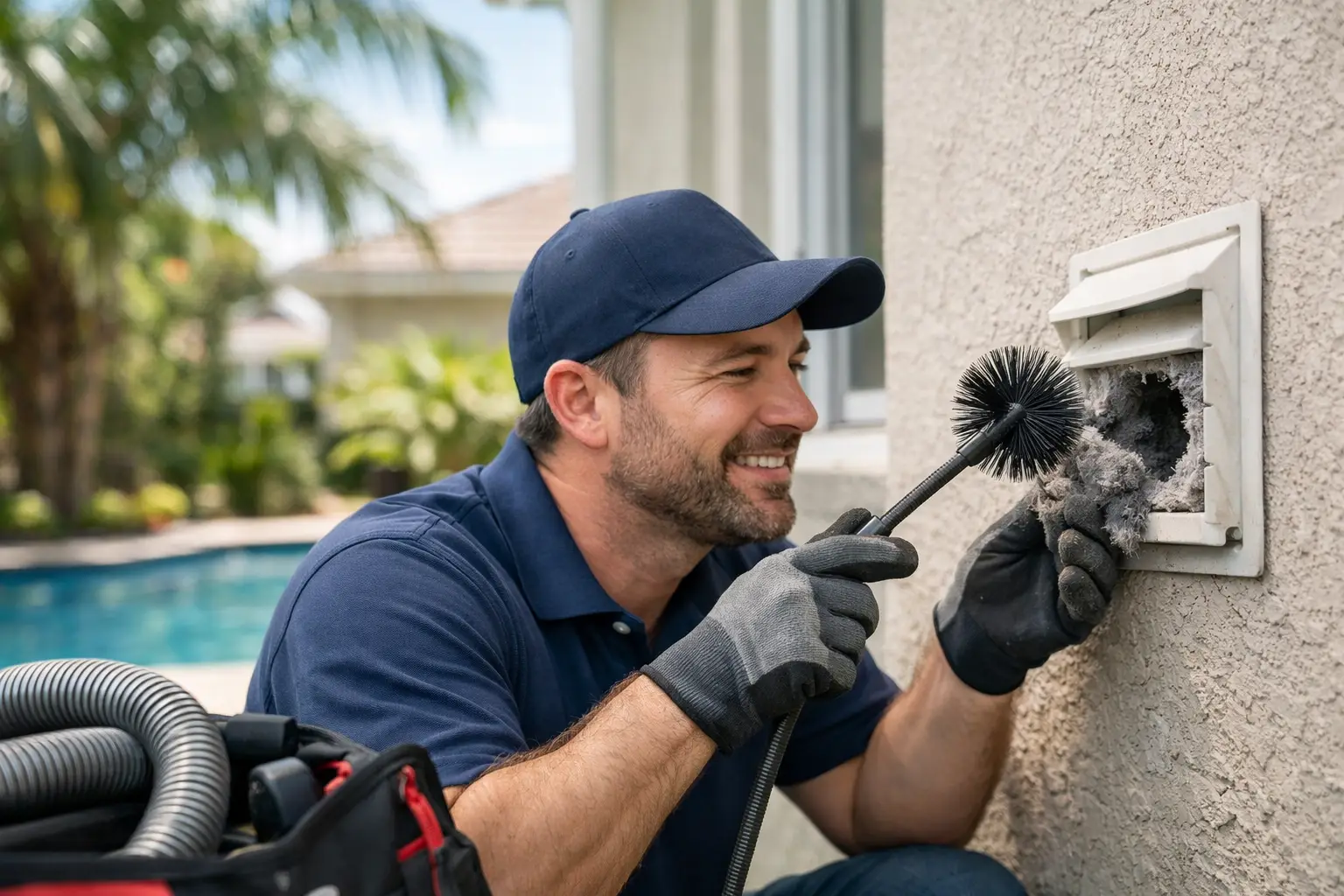
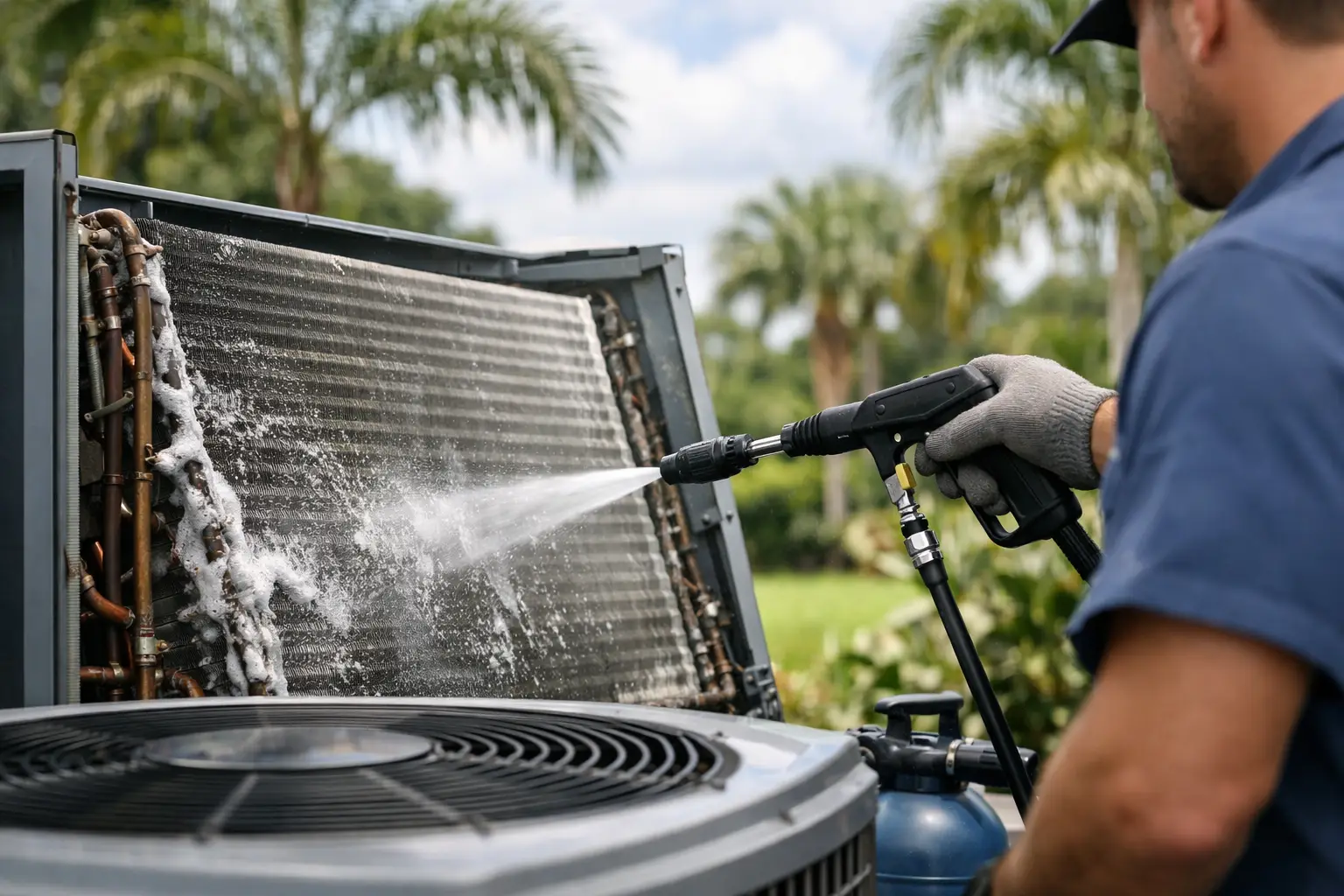
Professional duct cleaning targets accumulated debris inside accessible ductwork and HVAC components. A proper service uses mechanical agitation and powerful negative-air equipment to loosen and remove buildup rather than simply blowing it farther into the home. When appropriate, cleaning may also include the blower area, return compartments, vents, and AC coil inspection.
For allergy-prone households, the potential benefit is cleaner airflow with fewer particles available to circulate. Many homeowners also notice less visible dust on furniture, fewer musty odors, and more consistent airflow after service. Those are practical signs that the system was carrying more buildup than it should have.
Still, results depend on what is actually inside the system. If the main issue is outdoor pollen entering through open windows, an old filter, a damp bathroom, carpeting loaded with dust, or a pet that sleeps on the sofa, duct cleaning alone will not solve it. Good indoor air quality comes from addressing the whole picture.
When Allergies May Point to a Duct Problem
Symptoms alone cannot diagnose dirty ducts, but patterns can tell you it is time for an inspection. Pay attention when congestion, coughing, itchy eyes, or stale-air complaints become more noticeable while the HVAC runs. Also watch for unusually fast dust buildup, dark debris around registers, persistent musty smells, weak airflow, or a filter that becomes dirty far sooner than expected.
A recent move, remodeling project, water event, pest issue, or long period without HVAC maintenance can also justify a closer look. Construction dust is especially fine and persistent. It can settle throughout a home and get pulled into returns repeatedly if the system is operating during or after the project.
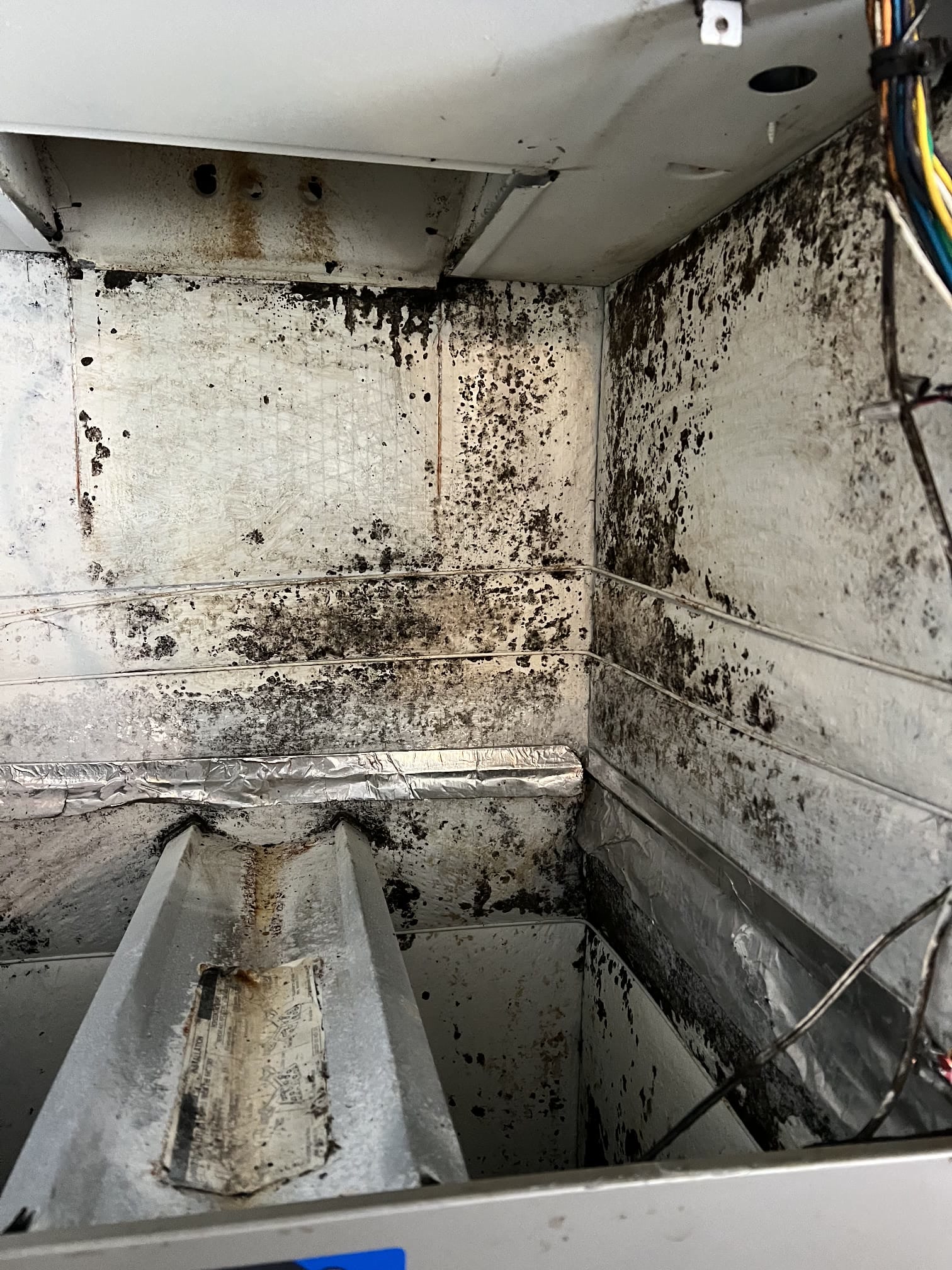
In Florida, moisture is another reason not to guess. Condensation around poorly insulated ductwork, drainage problems, and high indoor humidity can support microbial growth in certain areas. Mold-like odors or visible growth should be evaluated carefully. Cleaning loose dust is one job; identifying and correcting an active moisture source is another. Without fixing the moisture problem, contaminants can return.
What a Thorough Cleaning Should Include
Not every duct cleaning service delivers the same level of work. A low-price offer that only vacuums a few vent openings may improve appearances, but it may not address the debris deeper in the system. You deserve a clear explanation of what will be cleaned, what equipment will be used, and what the technician finds.
A professional visit should begin with an inspection. The technician should assess accessible supply and return ducts, registers, air-handling components, filter condition, and signs of dust, moisture, or biological concerns. They should protect floors and work areas, explain the findings in plain language, and avoid pressuring you into services that do not fit the condition of your system.
During deep cleaning, technicians use specialized equipment to create controlled suction through the duct system while agitating debris from inside the runs. The goal is removal, not redistribution. Depending on the system’s condition, HVAC sanitization may be recommended after mechanical cleaning. Sanitization should be presented as an option with a clear reason, not as a substitute for physically removing buildup.
Before-and-after photos are valuable because they show the condition of accessible areas and give you evidence of completed work. Post-service verification and a conversation about filter changes, moisture control, and next maintenance steps help protect the improvement.
Duct Cleaning Allergies: What It Cannot Fix
There is no honest promise that duct cleaning will eliminate allergies. Allergies are personal, and triggers vary widely. Pollen, dust mites, pet dander, mold spores, smoke, fragrances, and other irritants can come from inside or outside the home. Medical symptoms that are severe, sudden, or ongoing should be discussed with a qualified healthcare professional.
Duct cleaning also cannot compensate for a neglected HVAC system. If your coil is impacted, the drain line is clogged, ducts are leaking, or the system has the wrong filter for your equipment, those issues need their own solutions. An overly restrictive filter, for example, can reduce airflow and strain the system if it is not compatible with your HVAC setup.
Think of cleaning as one part of a practical indoor-air plan. It removes stored debris from places that are difficult to reach. It works best alongside regular filter replacement, humidity management, coil maintenance, clean return vents, and prompt attention to leaks or odors.
Simple Steps That Help Between Cleanings
The habits that protect your home’s air are not complicated, but they need to be consistent. Check your filter regularly and replace it based on its condition and the manufacturer’s guidance. Homes with pets, frequent AC use, or family members with allergies often need more frequent checks than a lightly used home.
Keep return vents clear of furniture, rugs, and piles of belongings so the system can pull air properly. Vacuum and dust with attention to bedrooms, upholstered furniture, and entryways where outdoor particles collect. If indoor humidity stays high, investigate why. A properly operating AC system should help remove moisture, but oversized equipment, drainage problems, duct leaks, and ventilation issues can interfere.
For homes with recurring odor or moisture concerns, an inspection is more useful than another air freshener. Covering up a smell does nothing for the source. Identifying whether the issue is in the ductwork, the coil area, insulation, a drain pan, or another part of the home prevents wasted money and repeated frustration.
How Often Should Florida Homes Clean Their Ducts?
There is no single calendar rule for every household. A clean, well-maintained home with a properly sealed system may not need frequent duct cleaning. A home with shedding pets, smokers, allergy sufferers, recent remodeling, visible dust discharge, water damage, or heavy AC use may benefit from service sooner.
For many Central Florida homeowners, the best approach is condition-based maintenance. Have the system inspected when you notice warning signs, after a major dust-producing event, or when it has been years since the ductwork and HVAC components were professionally evaluated. The inspection should guide the recommendation, not a one-size-fits-all sales pitch.
The Ductors helps homeowners understand what is happening inside their HVAC system with straightforward inspections, deep mechanical cleaning, and clear photo documentation. If the air in your home feels dusty, musty, or harder on your family than it should, a professional look inside the system can replace uncertainty with a practical next step.
Clean air is rarely about one magic service. It is about removing the buildup that does not belong, controlling moisture before it becomes a larger problem, and giving your family a home that feels easier to breathe in every day.