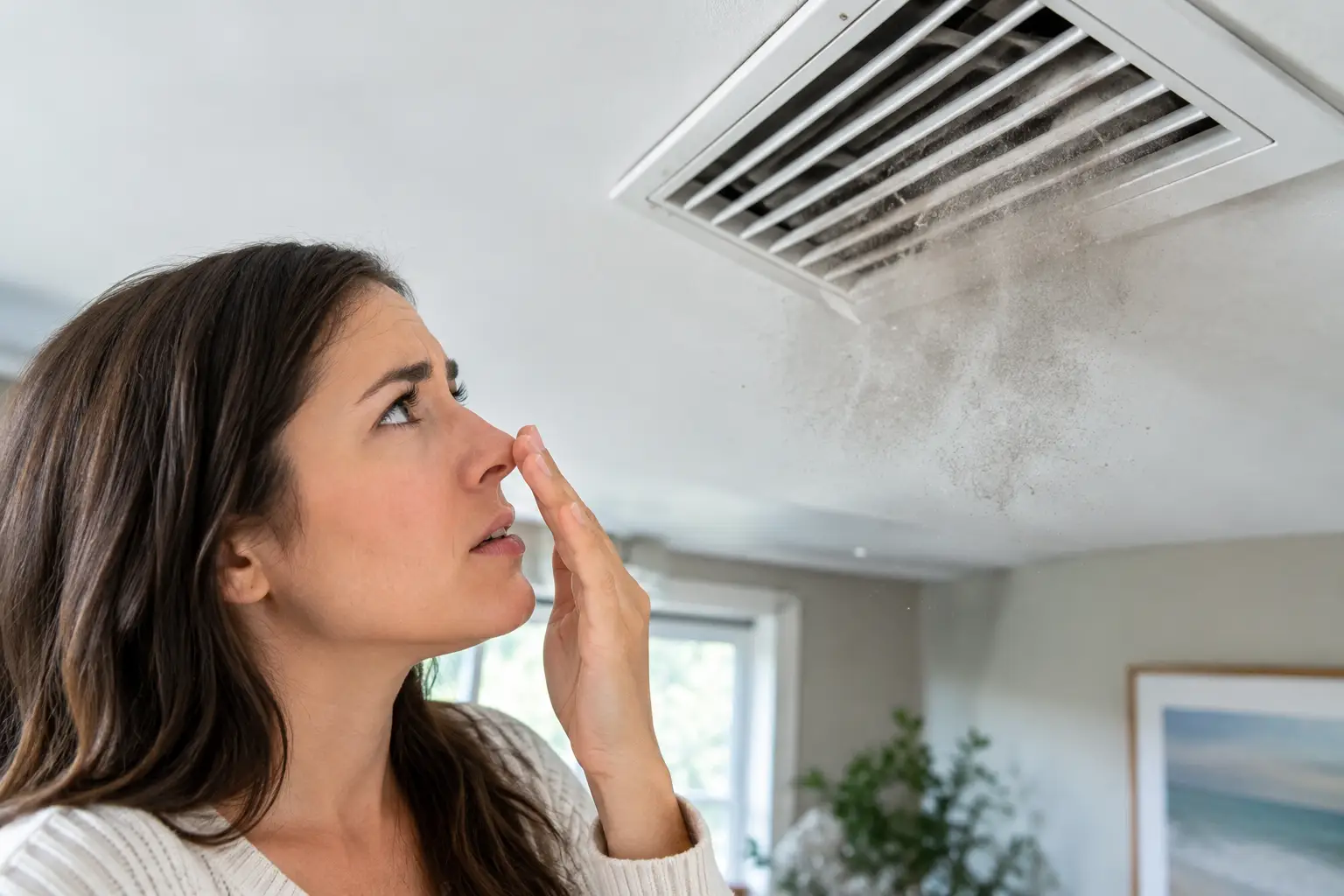
A freshly dusted living room can look dirty again within a day when the AC kicks on. If you have asked, why do vents blow dust, the answer is usually not that your system is creating it. Your HVAC system is moving air that already carries dust, fibers, outdoor particles, and sometimes moisture-related buildup through the home.
In Tampa Bay and Central Florida, air conditioners run for much of the year. That constant circulation can make a small dust problem feel relentless. The good news is that visible dust around vents is often fixable. The key is determining whether you are seeing ordinary household dust, an airflow problem, or contamination inside the HVAC system that needs professional attention.
Why Do Vents Blow Dust Into the House?
Supply vents push conditioned air into each room. As that air exits, it can stir up dust that has settled on floors, furniture, rugs, blinds, and nearby vent covers. In that situation, the vent may look like the source, even though it is simply moving particles already present in the room.
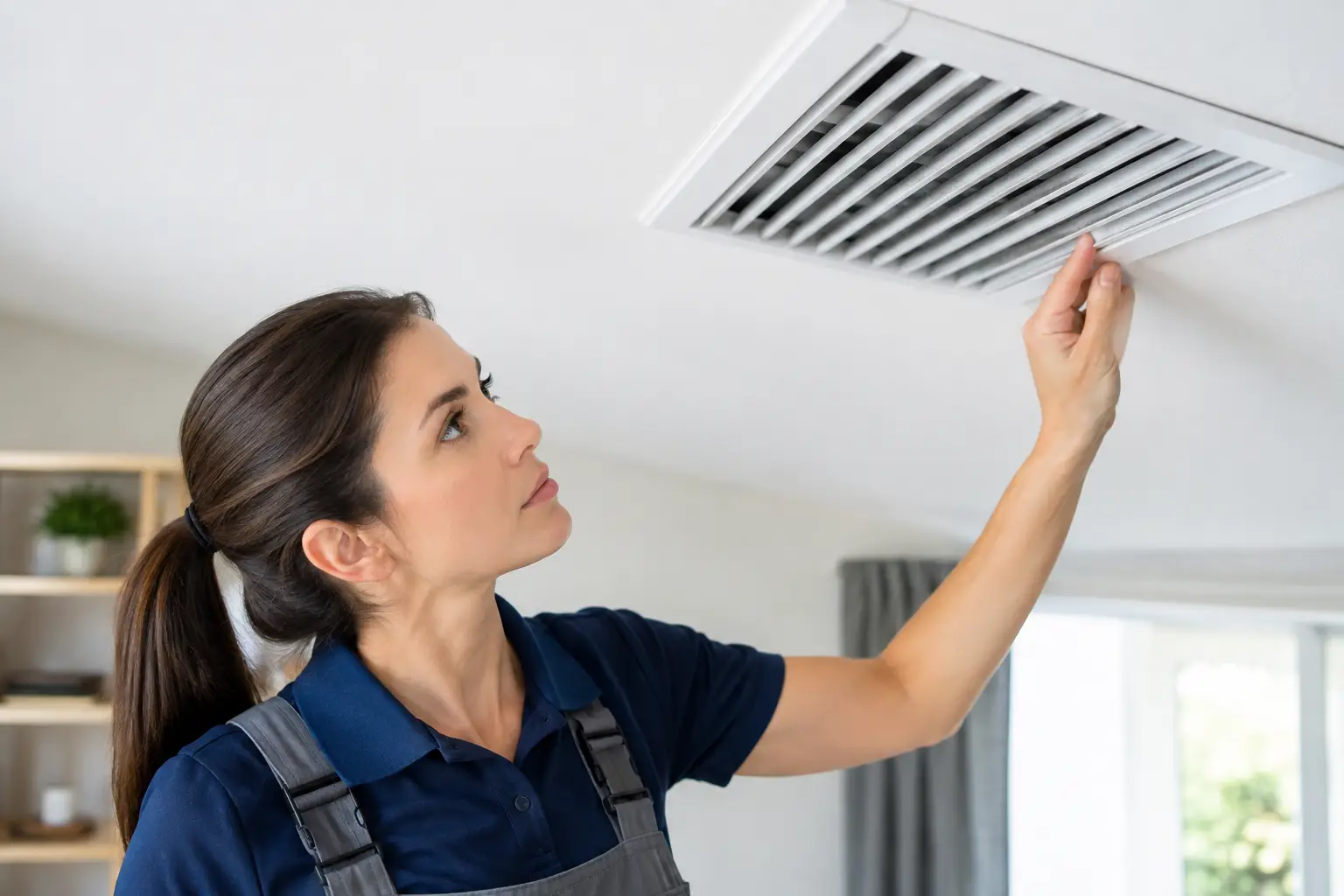
Dust can also collect on the grille itself. Air passing through the narrow openings creates a small amount of static charge, which attracts fine particles. Dark gray buildup on a white ceiling vent is common, especially in rooms where the system runs frequently.
But dust should not pour out in visible clouds, return quickly in heavy layers, or come with musty odors, weak airflow, or unusually high cooling bills. Those signs call for a closer inspection.
The Most Common Reasons for Dusty Air Vents
A neglected HVAC filter
Your filter is the first line of defense against airborne particles entering the return side of your system. When it is overloaded, damaged, installed backward, or the wrong size, air can bypass the filter or struggle to pass through it. That can leave more dust circulating through the system and settling in your home.
Check the filter monthly during periods of heavy AC use. Many Florida homes need a replacement every one to three months, but the right interval depends on the filter type, pets, household size, construction nearby, and allergies. A higher-rated filter can capture finer particles, but choosing one that is too restrictive for your equipment can reduce airflow. Your HVAC professional can help match the filter to your system.
Dust inside return ducts and supply ducts
Return vents pull air from your rooms back toward the air handler. Along the way, that air carries ordinary household debris: skin cells, pet dander, clothing fibers, pollen, and tracked-in dirt. Over time, some of it settles inside ductwork.
A light coating in ducts is not automatically an emergency. However, a heavy accumulation can be recirculated when airflow changes, when the system starts after sitting idle, or when ducts are disturbed during repairs. Leaky ducts can make the issue worse by pulling dusty air from attics, garages, crawlspaces, or wall cavities before that air reaches the filter.
Dirty coils or air-handler components
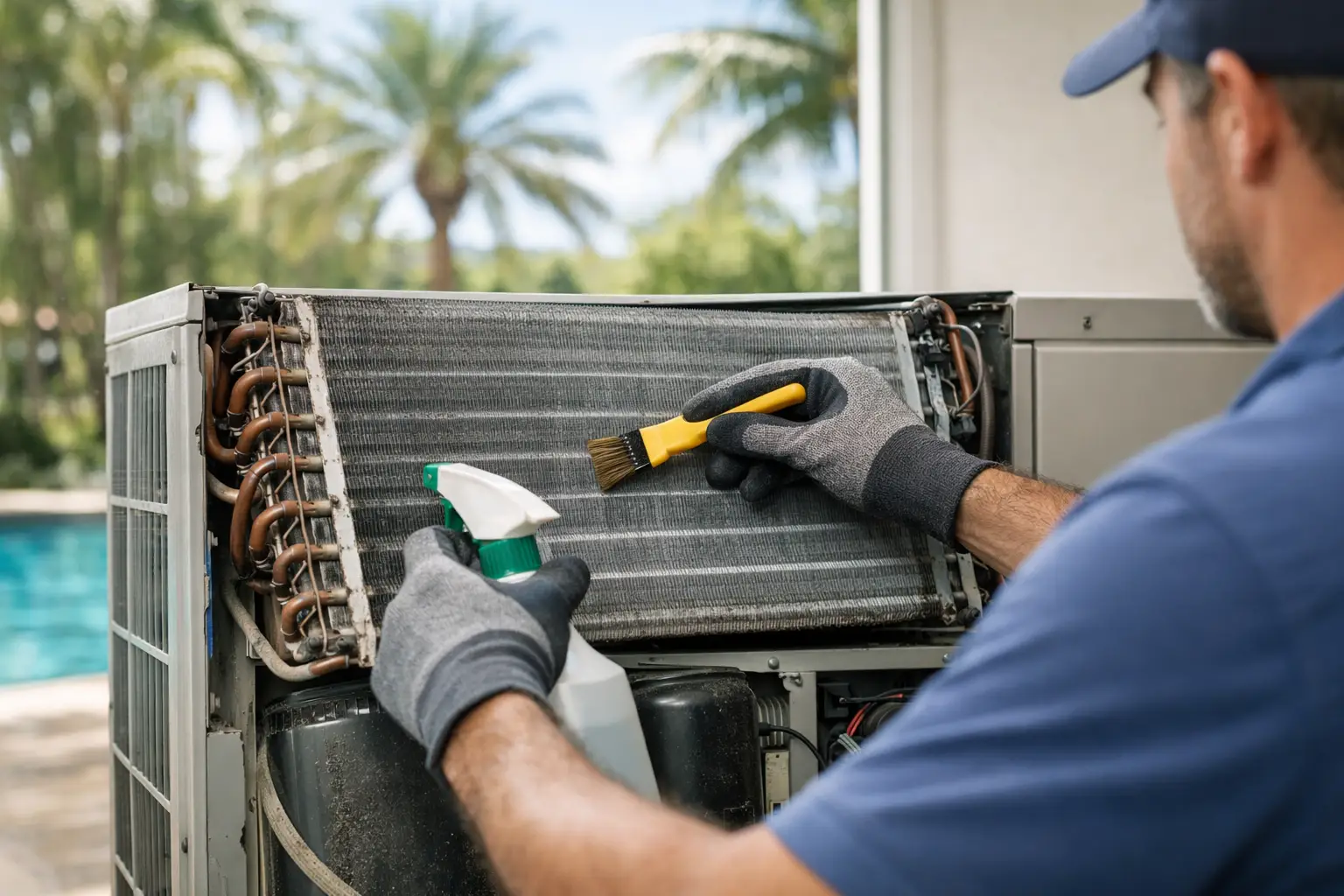
Your evaporator coil removes heat and moisture from indoor air. In Florida’s humid climate, it also creates conditions where dust and moisture can combine into sticky buildup. A dirty coil, blower compartment, or drain area can reduce airflow and contribute to stale odors and particle circulation.
This is one reason dust complaints sometimes appear alongside rooms that will not cool evenly or an AC system that seems to run longer than it used to. The dust is not always coming directly from the coil, but dirty internal components can affect the whole system’s ability to filter and move air properly.
Gaps, leaks, and poorly sealed ducts
Ducts are supposed to be a closed pathway. When joints separate or insulation and connections deteriorate, negative pressure can pull in unfiltered air from spaces you do not want to breathe from. An attic can contain insulation fibers, dust, pest debris, and humid air. A garage can introduce dirt and fumes.
In a humid region, duct leakage also raises the risk of condensation around cold duct surfaces. That moisture can support microbial growth when conditions are right. If you see dust paired with a persistent musty smell, dark spotting around vents, or moisture near the air handler, do not assume it is just a housekeeping issue.
A dirty home environment or outside air entering indoors
Sometimes the HVAC system is working normally, but it is constantly being asked to manage a high dust load. Open doors, leaky windows, pets, carpeting, candles, frequent cooking, renovation work, and nearby construction all add particles to the air.
Florida pollen and fine outdoor debris can enter through small gaps around doors and windows. Coastal areas may also deal with salt-laden moisture that leaves surfaces feeling grimy faster. Reducing what enters the home matters just as much as cleaning what has already settled in the system.
When Dust From Vents Is a Warning Sign
A little dust on a vent cover is normal. These situations deserve a professional HVAC and duct inspection:
- Dust reappears heavily within a day or two of cleaning.
- You see particles blowing out when the system turns on.
- There is a musty, dirty-sock, or mildew-like odor from vents.
- Family members notice worsening allergies, coughing, or irritated eyes indoors.
- Airflow is weak, rooms cool unevenly, or energy bills are climbing.
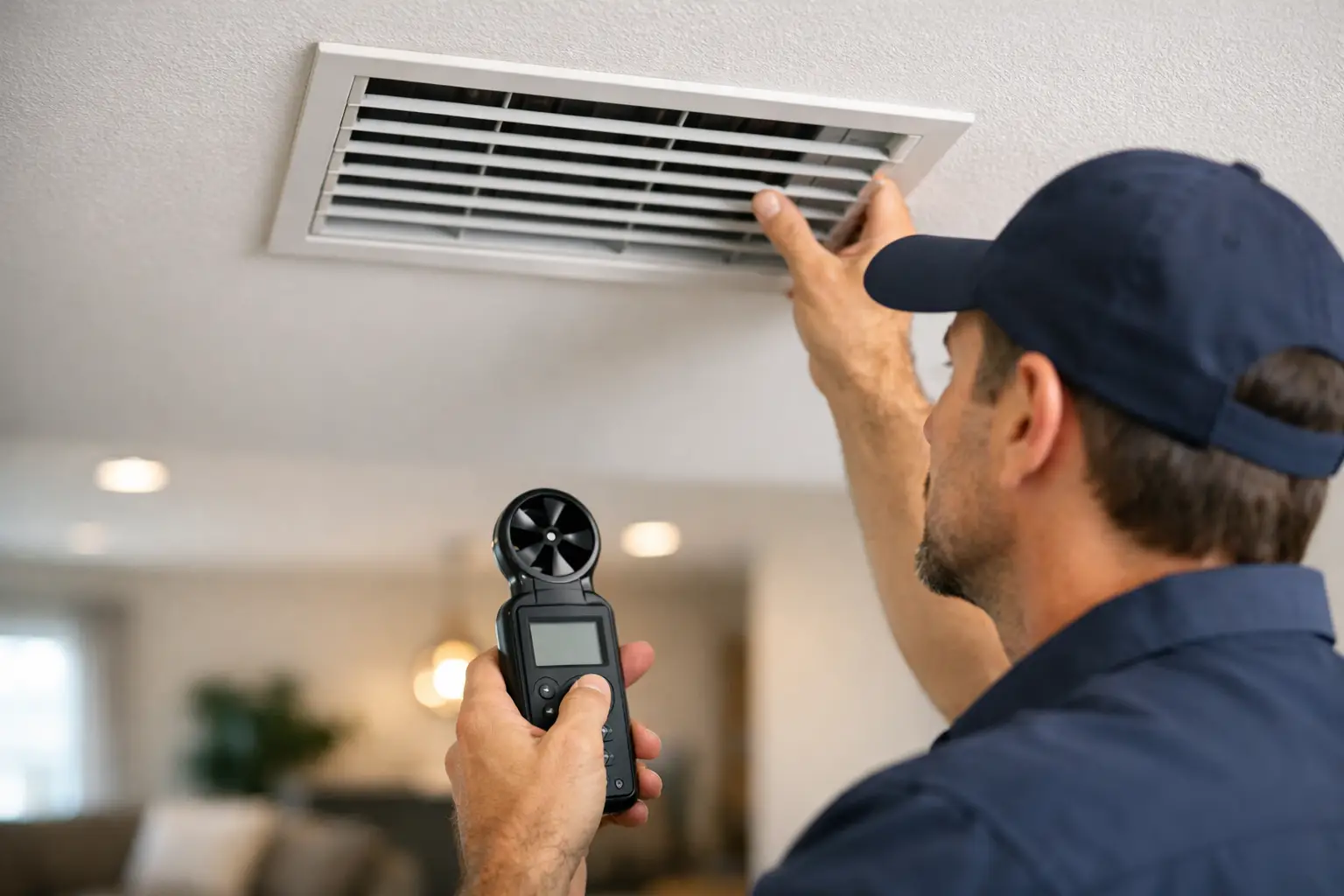
- You find visible debris, dark residue, or signs of moisture inside accessible duct openings.
These signs do not automatically mean there is mold in every duct. They do mean guessing is not the best next step. A qualified inspection can identify whether the problem is filtration, duct leakage, coil buildup, contamination, or a combination of issues.
How to Reduce Dust Coming From Vents
Start with the simple checks. Replace the filter with the correct size and make sure the airflow arrow points toward the equipment. Vacuum and wipe supply and return grilles, including the area immediately around them. Keep furniture, curtains, and rugs from blocking returns, since restricted return airflow can strain the system and reduce its ability to circulate air effectively.
Next, look for obvious gaps. A door sweep, weatherstripping, and properly closed windows can reduce outdoor dust entering the home. During renovations, use containment, clean more often, and change filters more frequently. Avoid closing too many supply vents in an attempt to force air into one room. That can create pressure problems and may make comfort worse.
If the problem continues, have the system inspected before buying air purifiers or adding stronger filters at random. Those tools can help in the right situation, but they do not correct a clogged coil, leaking duct connection, or contaminated duct system.
What Professional Duct Cleaning Can Address
Professional duct cleaning is most useful when an inspection finds substantial dust buildup, post-construction debris, pest-related contamination, moisture concerns, or particles being pulled into ducts through leaks. A thorough service should involve more than a quick vacuum at the vent opening.
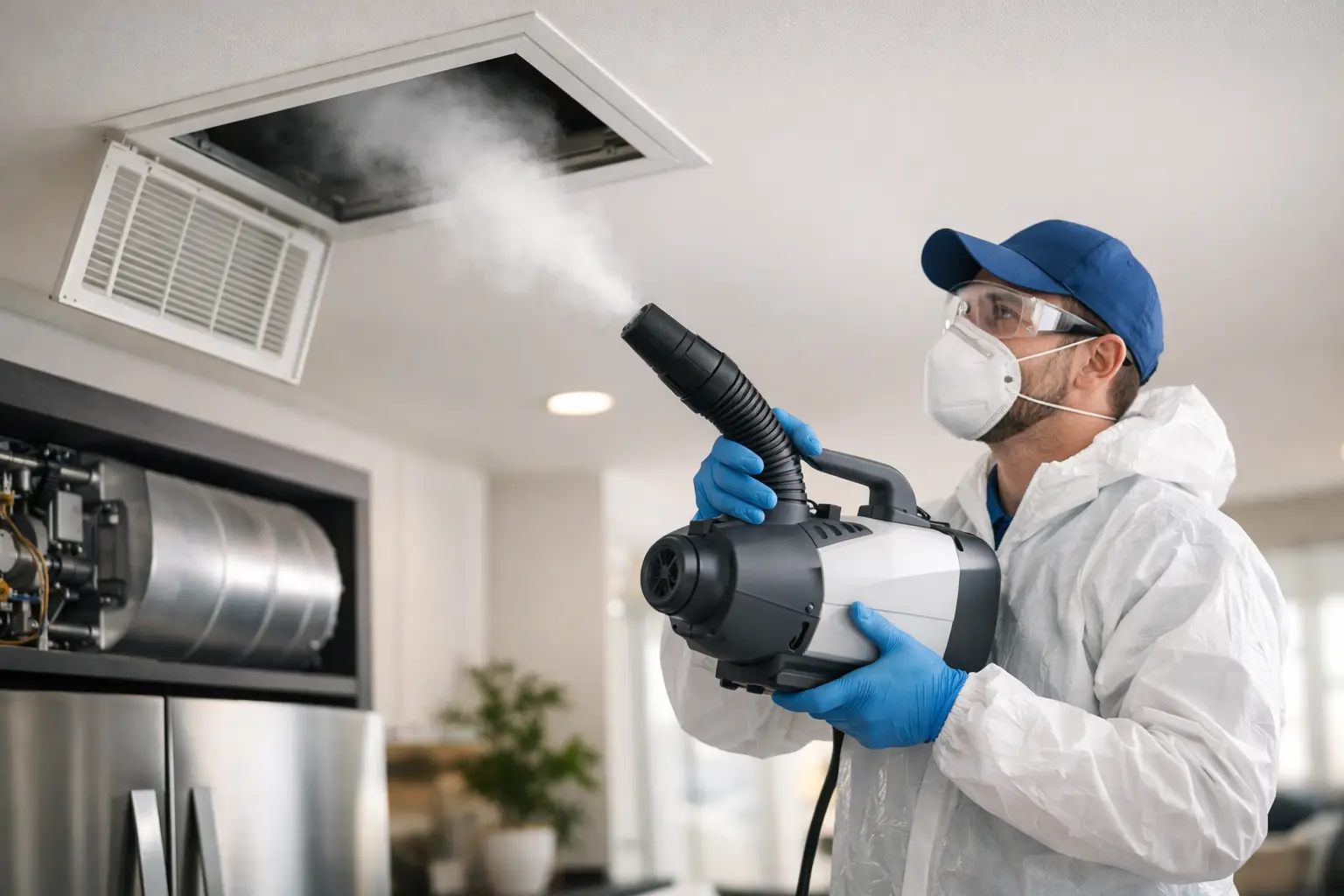
The process should include inspection of accessible ductwork and HVAC components, mechanical agitation and powerful collection equipment to remove debris, and attention to the return side where contaminants often enter the system. Depending on conditions, cleaning the air handler, blower area, and coil may also be recommended. Sanitization or UV-light options may be appropriate when moisture and microbial concerns are confirmed, but they should support cleaning and source control, not replace them.
The Ductors focuses on showing homeowners what technicians find and explaining the recommended work in plain language. Before-and-after documentation matters because you should be able to see the reason for the service and the results.
Keep Dust From Taking Over Again
Once the system is clean and operating correctly, maintenance keeps the improvement from disappearing. Stay on a regular filter schedule, keep the air handler and condensate system maintained, and address duct leaks when they are found. If you have pets, allergies, a newly built home, or live near active construction, plan for more frequent filter checks and cleaning.
The goal is not a home that never has a speck of dust. Every occupied home produces dust. The goal is to stop your HVAC system from becoming a pathway that repeatedly spreads it through the rooms where your family sleeps, eats, and spends time. When dust from vents is persistent, visible, or paired with odors and poor airflow, a clear inspection can turn an everyday annoyance into a practical fix.