A bedroom that stays warm while the living room feels fine is not just frustrating in a Florida summer. Weak airflow can make your AC run longer, raise your electric bill, leave rooms humid, and make the whole home feel less comfortable. Learning how to fix weak airflow starts with identifying where the restriction is happening – at the vent, inside the HVAC equipment, or throughout the duct system.
Some airflow problems have a simple homeowner fix. Others point to buildup, failing parts, leaking ducts, or mold-related moisture issues that need a trained inspection. The key is not to keep turning the thermostat lower. That can make your system work harder without solving the reason conditioned air is not reaching the room.
Start With the Easy Airflow Checks
Before assuming there is a major HVAC problem, check the items you can safely inspect yourself. Start with the air filter. A filter loaded with dust, pet hair, and debris restricts the air your system can pull through and distribute. In high-use Central Florida homes, filters often need attention more frequently than homeowners expect, especially with pets, allergies, construction dust, or a busy household.
Turn off the system before removing the filter, then compare it with the replacement guidance printed on its frame. If it looks gray, matted, or visibly clogged, replace it with the correct size and airflow rating. A very restrictive high-filtration filter can also reduce airflow if the system was not designed for it. More filtration is not always better when it chokes the equipment.
Next, walk through the home and make sure supply vents and return grilles are fully open and uncovered. Furniture, rugs, curtains, and storage placed over vents can block air right where it needs to enter or leave the room. Do not close multiple vents in an attempt to push more air into another space. Most residential systems are balanced to operate with those vents open, and closing too many can increase pressure in the ductwork.
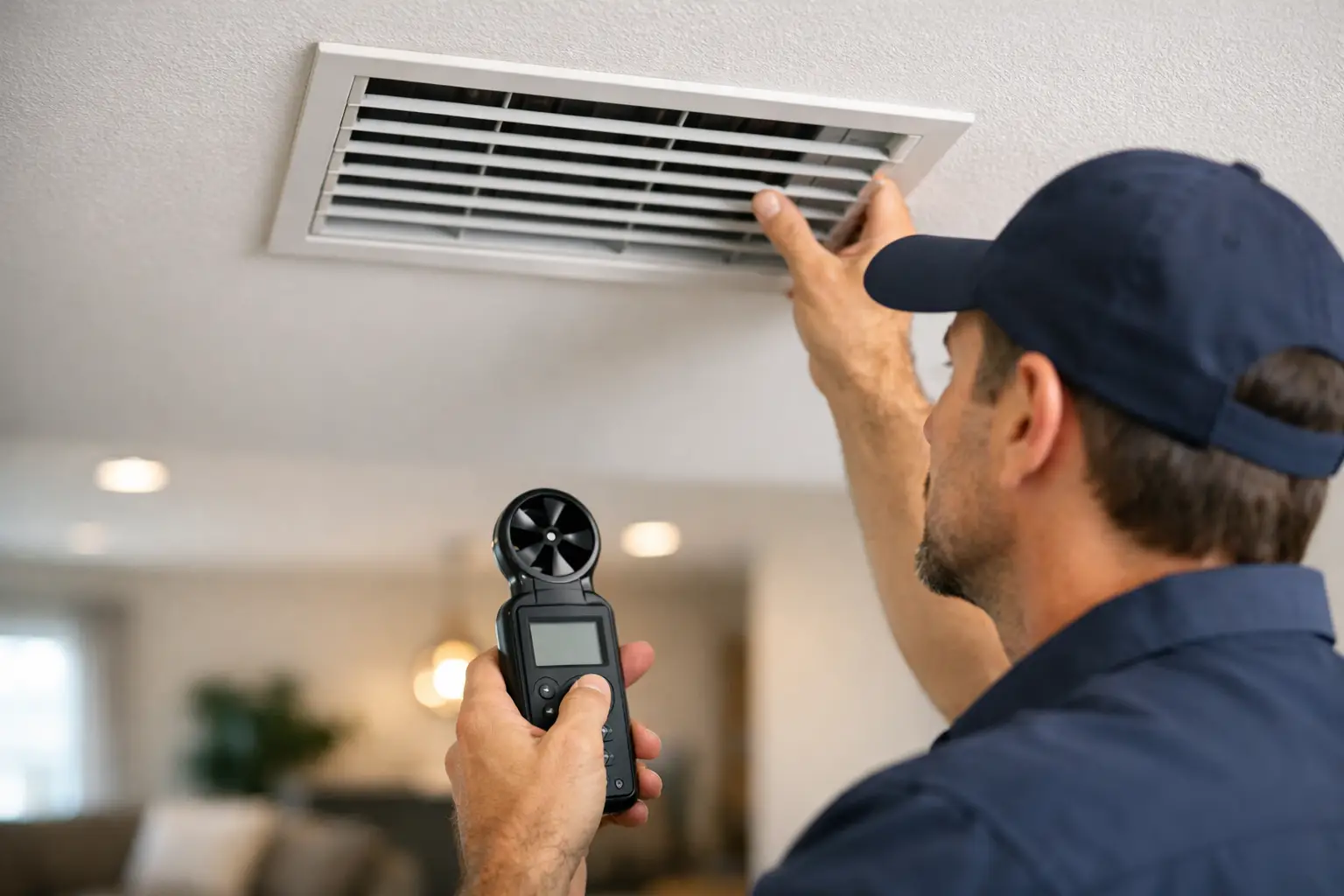
If one room has weak airflow while the rest of the house feels normal, compare its vent with nearby vents. Little or no air at a single register often suggests a disconnected, crushed, undersized, or leaking duct branch. Weak air everywhere points more often to a filter, blower, evaporator coil, return-air issue, or widespread duct contamination.
How to Fix Weak Airflow When Dust Is the Problem
Your ducts are not supposed to be spotless, but excessive buildup can interfere with air movement and distribute dust back into the home. In Tampa Bay and throughout Central Florida, AC systems run for long stretches of the year. That constant use pulls in household dust, pollen, pet dander, and moisture. Over time, debris can collect around registers, return grilles, the blower compartment, and duct interiors.
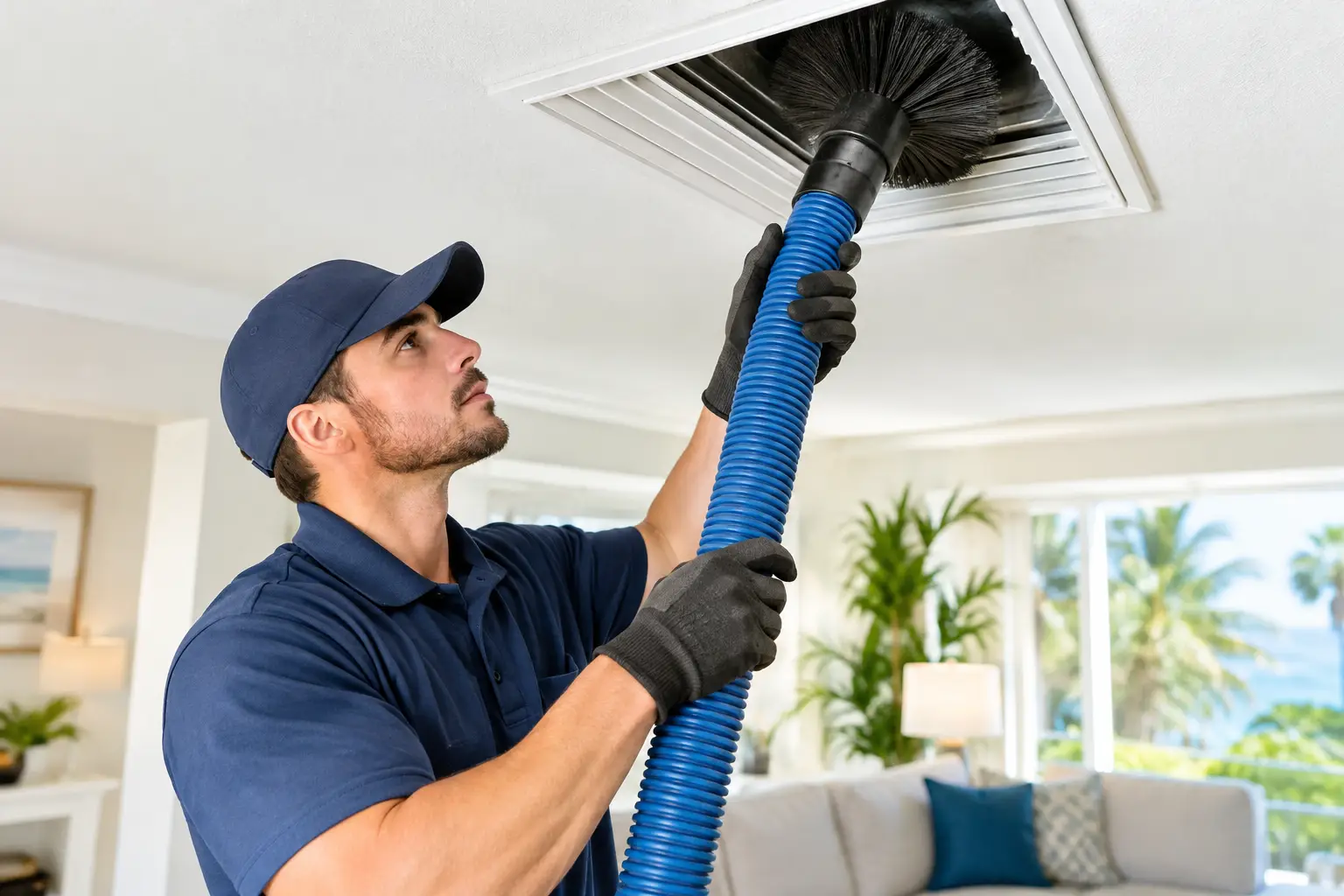
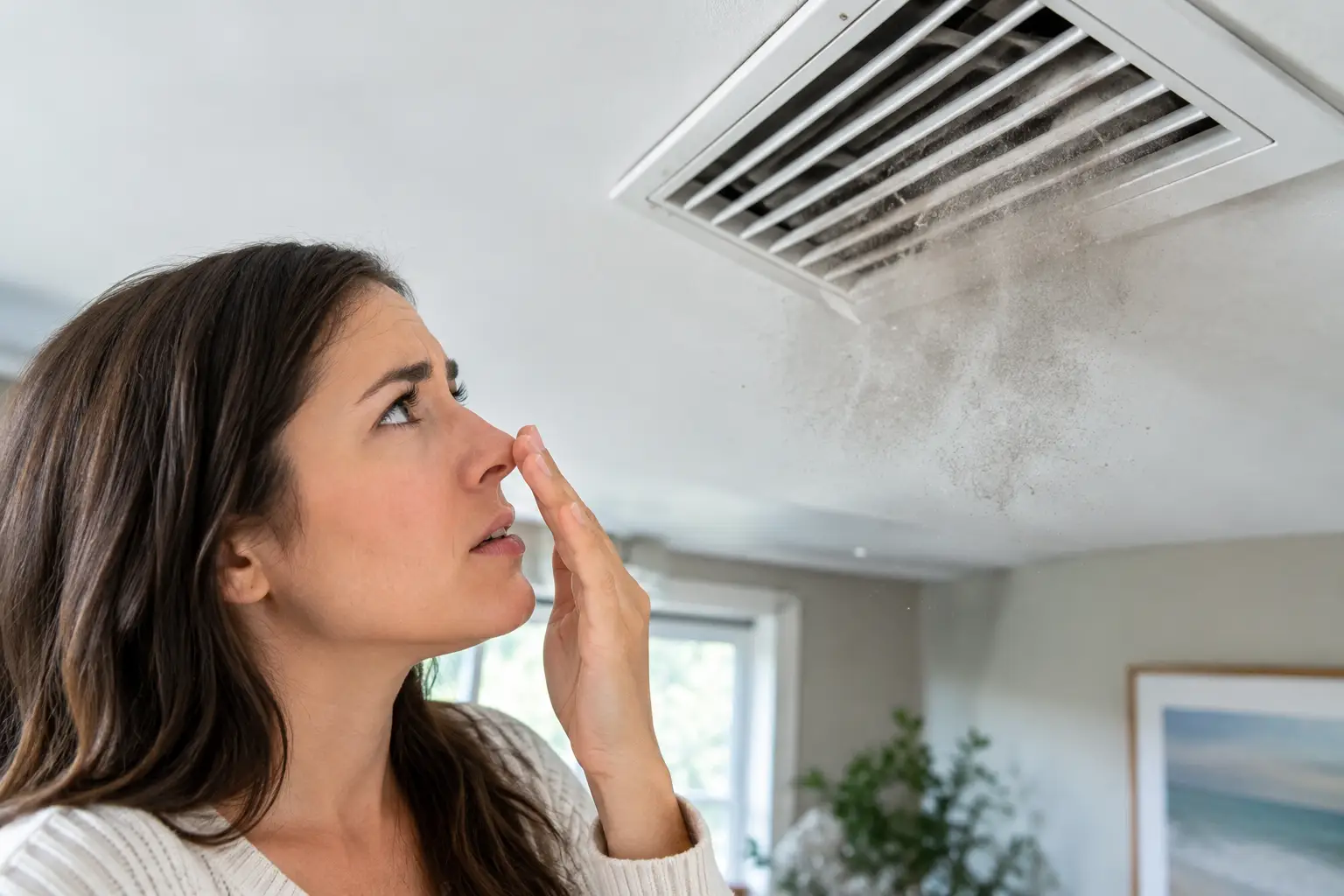
Visible dust blowing from vents, rapid dust buildup on furniture, musty odors when the AC starts, or worsening airflow after years without maintenance are reasons to schedule a professional inspection. A proper duct cleaning is more than vacuuming around the vent cover. It should involve mechanical agitation and high-powered containment equipment that removes loosened debris from the duct system, along with an inspection of the areas that affect performance.
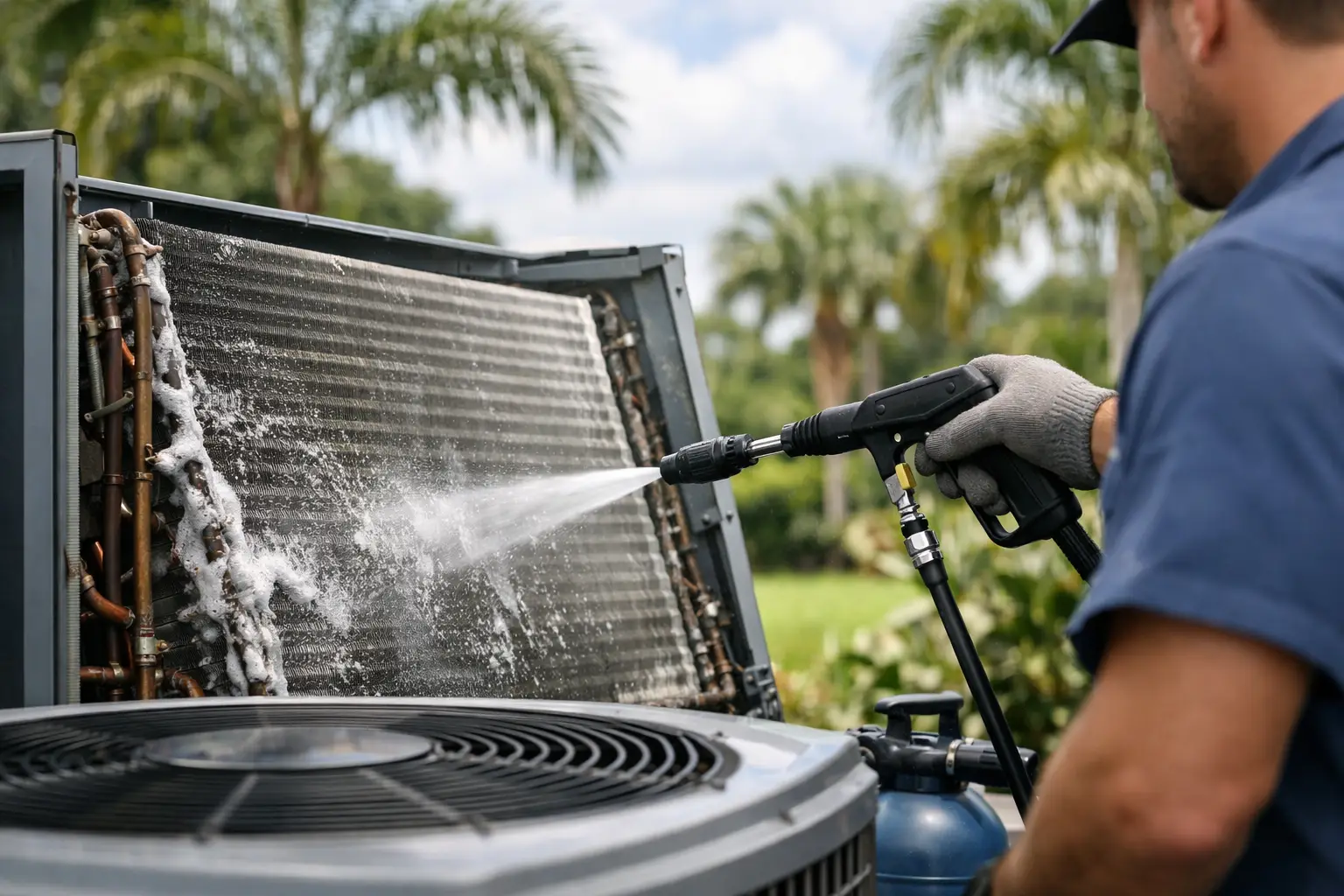
The evaporator coil deserves special attention. This indoor coil removes heat and humidity from the air, but its tightly packed fins can become coated with dust and biological buildup. When that happens, air cannot move freely through the coil. You may notice reduced airflow, longer cooling cycles, ice on refrigerant lines, or a system that struggles to control humidity.
Coil cleaning can restore airflow and help the equipment operate more efficiently, but it should be handled carefully. The fins bend easily, and improper chemicals or aggressive brushing can damage the coil. A qualified technician can inspect the coil, blower, drain system, and accessible ductwork to determine whether cleaning is the right fix or whether another repair is needed.
Watch for Florida Humidity and Mold Pressure
Humidity changes the airflow conversation. When warm, moist air enters a cool duct system through leaks or poorly sealed connections, condensation can form. That moisture creates conditions where microbial growth may develop inside or around HVAC components. A musty smell, recurring mildew near vents, visible spotting, or allergy-like symptoms that seem worse when the AC runs deserve prompt attention.
Cleaning alone is not always enough if moisture is still entering the system. The source must be addressed, whether it is duct leakage, a clogged condensate drain, poor insulation, an oversized AC unit that short-cycles, or another humidity-control issue. Professional HVAC sanitization may be appropriate after cleaning when conditions support it, but it should be part of a clear plan rather than a substitute for correcting the moisture problem.
Optional UV-light systems can also be useful in some homes, particularly around the coil and drain pan where moisture is common. They are not a cure-all for dusty ducts or mechanical failures, but they can support ongoing cleanliness when paired with proper filtration, drainage, and routine maintenance.
Problems Duct Cleaning Cannot Fix by Itself
It is worth being direct: not every weak-airflow problem comes from dirty ducts. A reputable inspection should explain what is actually limiting your system instead of selling one service as the answer to every comfort complaint.
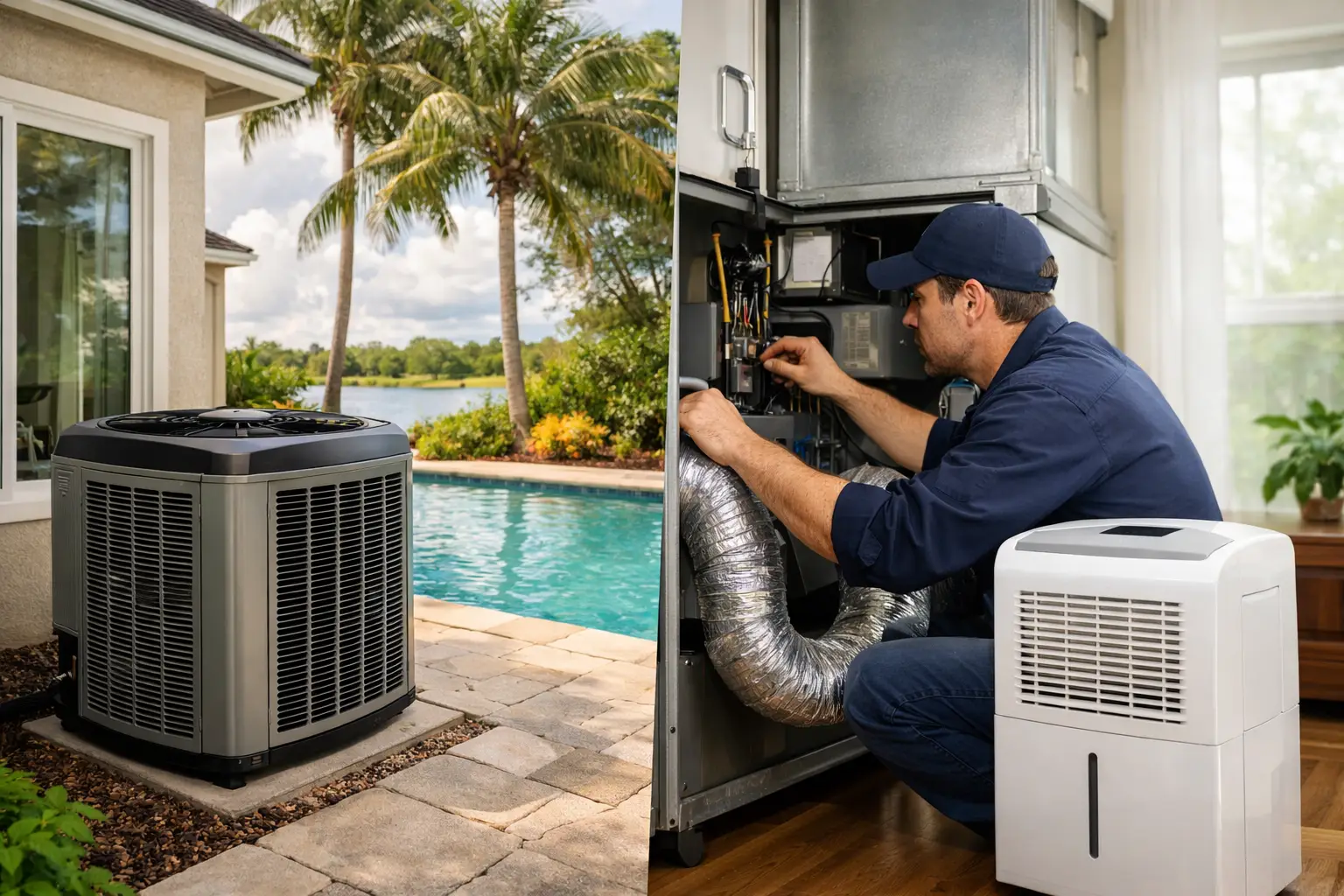
A failing blower motor or capacitor may leave the system running with noticeably reduced air at every vent. A damaged blower wheel can also lose its ability to move air efficiently. Refrigerant problems may cause the evaporator coil to freeze, which blocks airflow until the ice melts, but refrigerant work must be performed by a licensed HVAC professional.
Duct design matters, too. Older homes, additions, garage conversions, and remodeled spaces sometimes have ducts that are too small, too long, sharply bent, or poorly balanced for the room they serve. Leaks in attics and crawl spaces can send expensive conditioned air into areas where no one benefits from it. These situations may require duct repair, sealing, resizing, or balancing rather than cleaning alone.
If your system is making unusual noises, tripping breakers, freezing up, producing a burning smell, or failing to cool at all, turn it off and request professional HVAC service. Continuing to run a struggling system can turn a smaller issue into more expensive equipment damage.
A Clear Professional Process Makes the Difference
For stubborn airflow problems, the best next step is an inspection that gives you evidence and options. The Ductors approach begins by looking at the symptoms you notice – weak rooms, odors, dust, humidity, and higher energy use – then examining the accessible duct system, returns, registers, and HVAC components related to airflow.
When cleaning is recommended, technicians use professional equipment to remove contaminants rather than simply moving debris deeper into the system. Before-and-after documentation helps homeowners see the condition of the areas serviced and understand what was completed. If the inspection reveals a coil concern, duct damage, possible mold, or an equipment issue outside the scope of cleaning, you should receive a straightforward explanation of the next appropriate service.
That clarity matters because the right fix depends on the cause. Replacing a filter can solve a minor restriction today. Deep duct and coil cleaning may help when buildup is limiting circulation. Repairs or HVAC diagnostics are necessary when the issue is mechanical, refrigerant-related, or caused by damaged ductwork.
Keep Airflow From Fading Again
Once airflow is restored, a few habits can help protect it. Change filters on schedule, keep vents and returns clear, and avoid storing items around indoor equipment. Have your AC professionally maintained before the heaviest cooling season, and do not ignore new musty odors, hot rooms, or a sudden rise in utility costs.
For Florida families, comfortable air should reach every room without forcing the AC to run all day. Addressing weak airflow early protects your comfort, supports cleaner indoor air, and gives your HVAC system a better chance to serve your home reliably through the next long stretch of heat.