A musty smell in the lobby. Dust settling on desks soon after cleaning. Uneven temperatures that lead to thermostat complaints. These are not always housekeeping problems. In a Florida commercial building, they can point to what is collecting inside the HVAC system.
Commercial air duct cleaning gives facility managers and business owners a practical way to address the dust, moisture, and debris moving through occupied spaces every day. When a system runs heavily through Tampa Bay and Central Florida’s long cooling season, its ductwork can collect more than most people realize. A professional inspection helps identify the condition of the system and determine whether cleaning is the right next step.
Why Florida buildings put ductwork under pressure
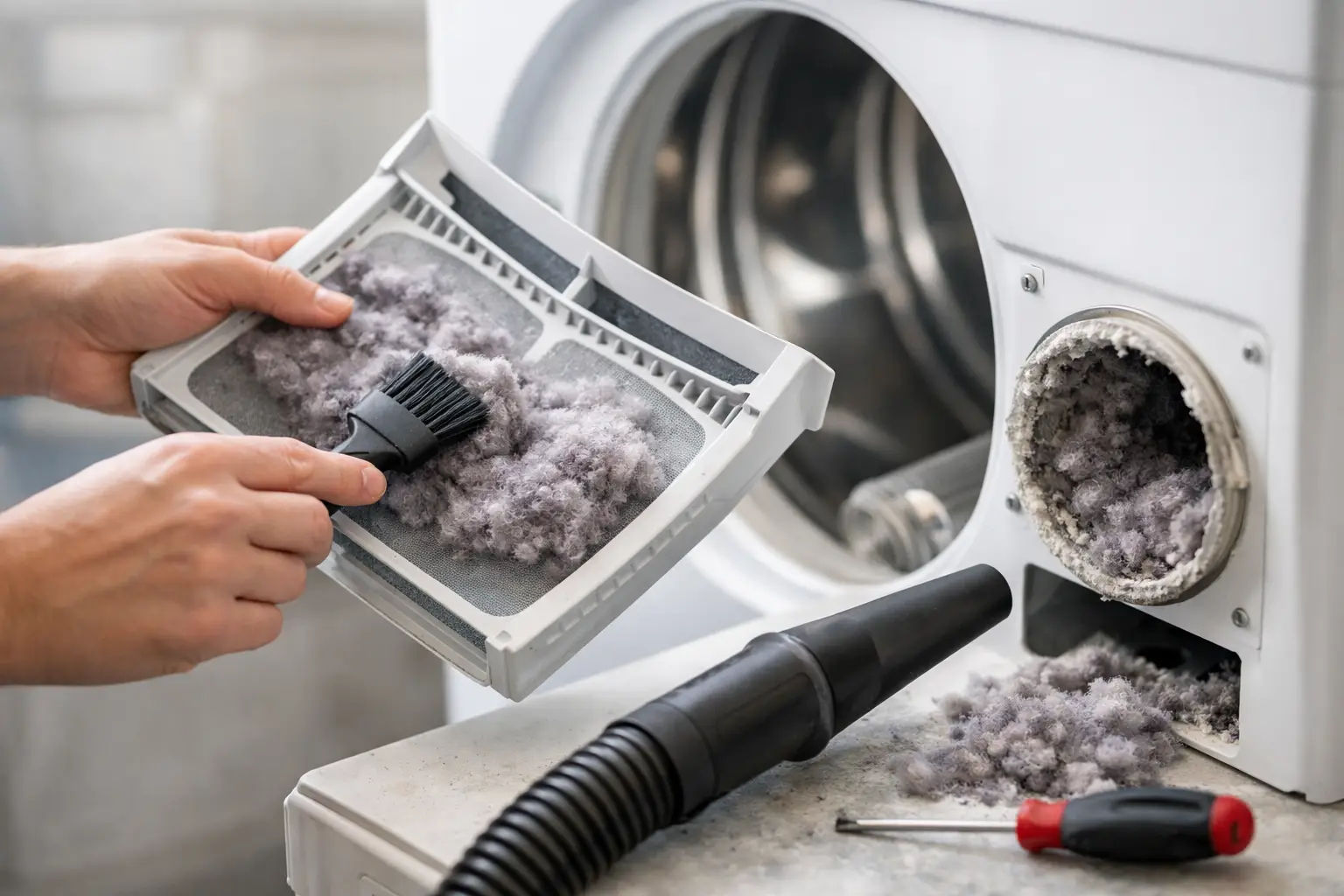
Commercial HVAC systems move a high volume of air. In offices, retail stores, medical practices, schools, restaurants, and other occupied spaces, that air carries ordinary dust from people, packaging, fabric fibers, outdoor pollutants, and construction activity. Filters catch a portion of it, but filters do not eliminate everything.
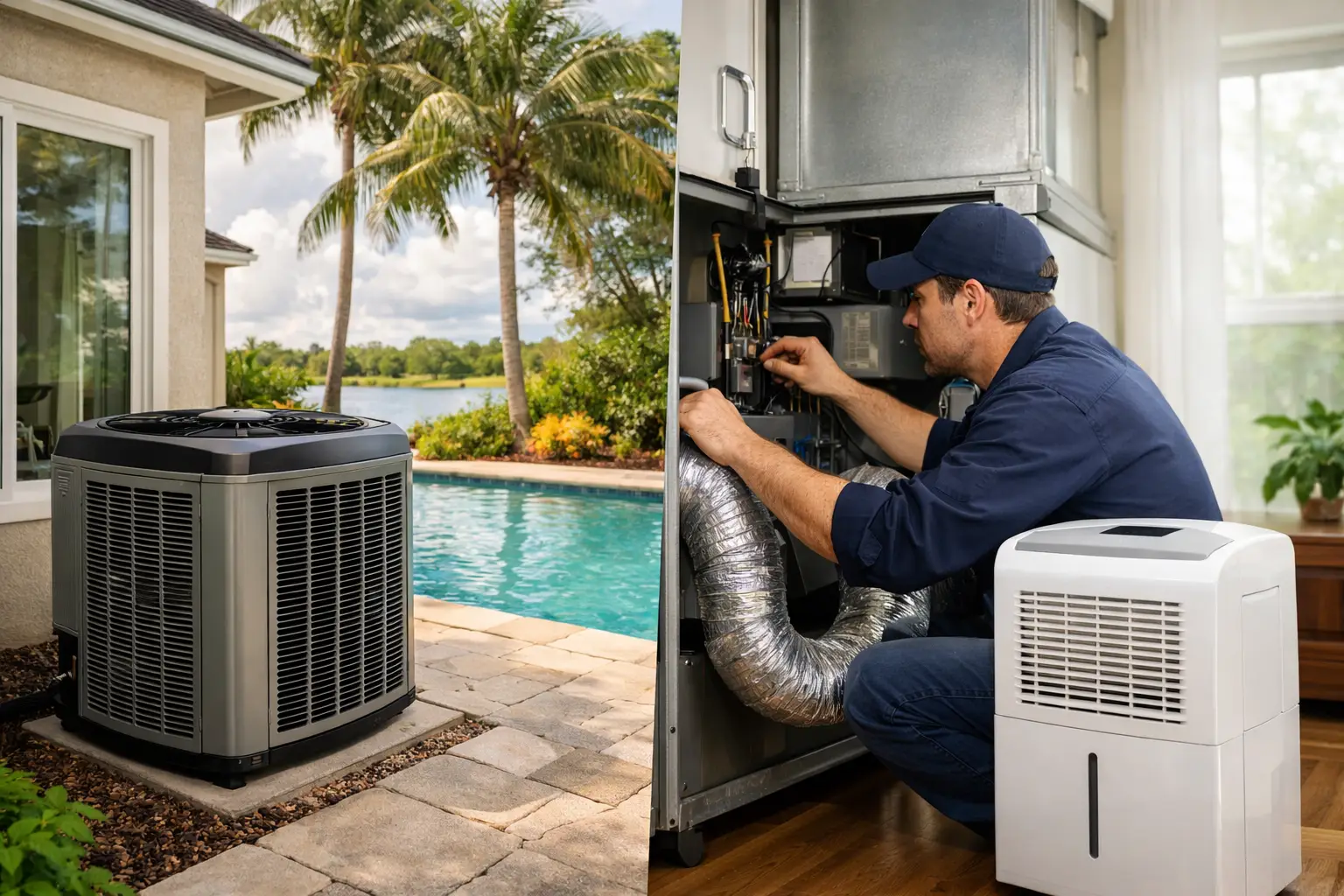
Florida adds another factor: humidity. When warm, moist air meets a cold HVAC system, condensation can form around components that are already working hard. If moisture issues, dirty coils, drainage problems, or leaks are present, dust inside the system can become more than an appearance concern. It can contribute to persistent odors and create conditions that deserve prompt attention.
This does not mean every duct system needs immediate cleaning. A clean, well-maintained system with effective filtration may not. The right decision depends on inspection findings, the building’s use, recent renovations, visible buildup, airflow performance, and any moisture or odor concerns.
Signs your facility may need commercial air duct cleaning
A visual inspection is more useful than guessing, but certain changes should put ductwork on the maintenance conversation. If employees or visitors notice a stale or musty odor when the AC starts, it is worth investigating. The same is true when dust returns quickly after routine janitorial service or when supply vents show visible buildup.
Airflow changes matter, too. A room that stays warmer than nearby areas, vents that feel weak, or a system that seems to run longer to maintain temperature may be dealing with several possible issues. Dirty ductwork can be one factor, but clogged filters, dirty evaporator coils, duct leaks, failing equipment, and poor system design can also affect performance. A qualified technician should explain what they find instead of treating duct cleaning as the answer to every HVAC problem.
After remodeling, tenant build-outs, drywall work, or water damage, an inspection is especially smart. Fine construction dust can travel farther than expected, and moisture events need careful assessment before normal operation resumes. Cleaning without addressing the source of moisture will not provide a lasting result.
What professional duct cleaning should include
A credible commercial service starts with the building, not a one-size-fits-all quote. Technicians should ask about your facility type, system layout, operating hours, occupancy, odors, recent construction, and known HVAC issues. For businesses, scheduling matters just as much as the work itself. Service may need to happen before opening, after closing, or in phases to limit disruption to staff and customers.
1. Inspect the system and explain the findings
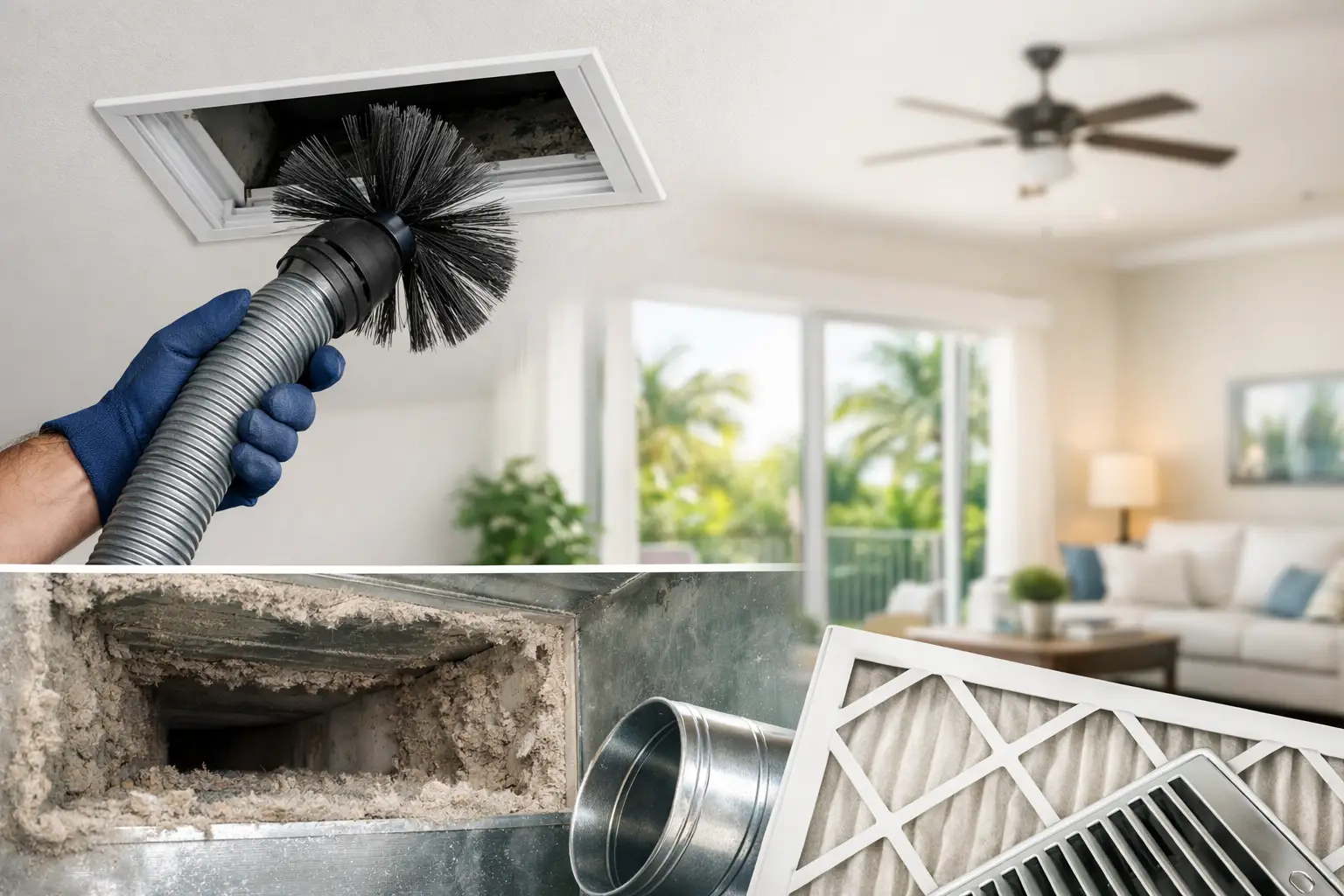
The process should begin by assessing accessible supply and return ducts, vents, air handling components, filters, and areas where buildup or moisture may be present. Photo documentation helps decision-makers see the condition of the system without relying on vague descriptions.
If technicians see signs of microbial growth, water intrusion, damaged insulation, or heavy debris, they should explain what that means and what should be corrected first. This is where clear communication protects your budget. You deserve to know whether the work calls for duct cleaning, coil cleaning, sanitization, a repair, mold remediation, or a combination of services.
2. Remove debris with mechanical cleaning equipment
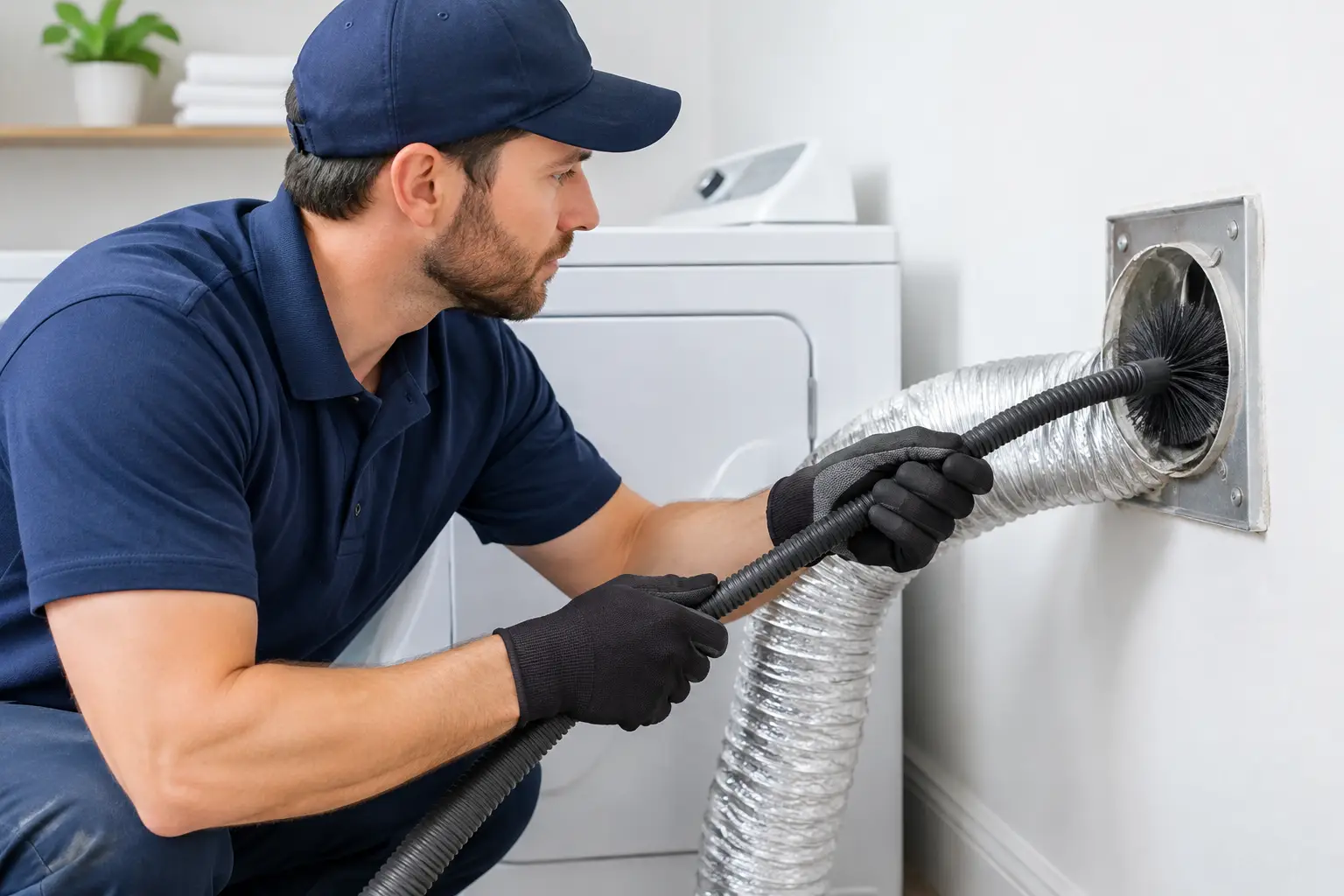
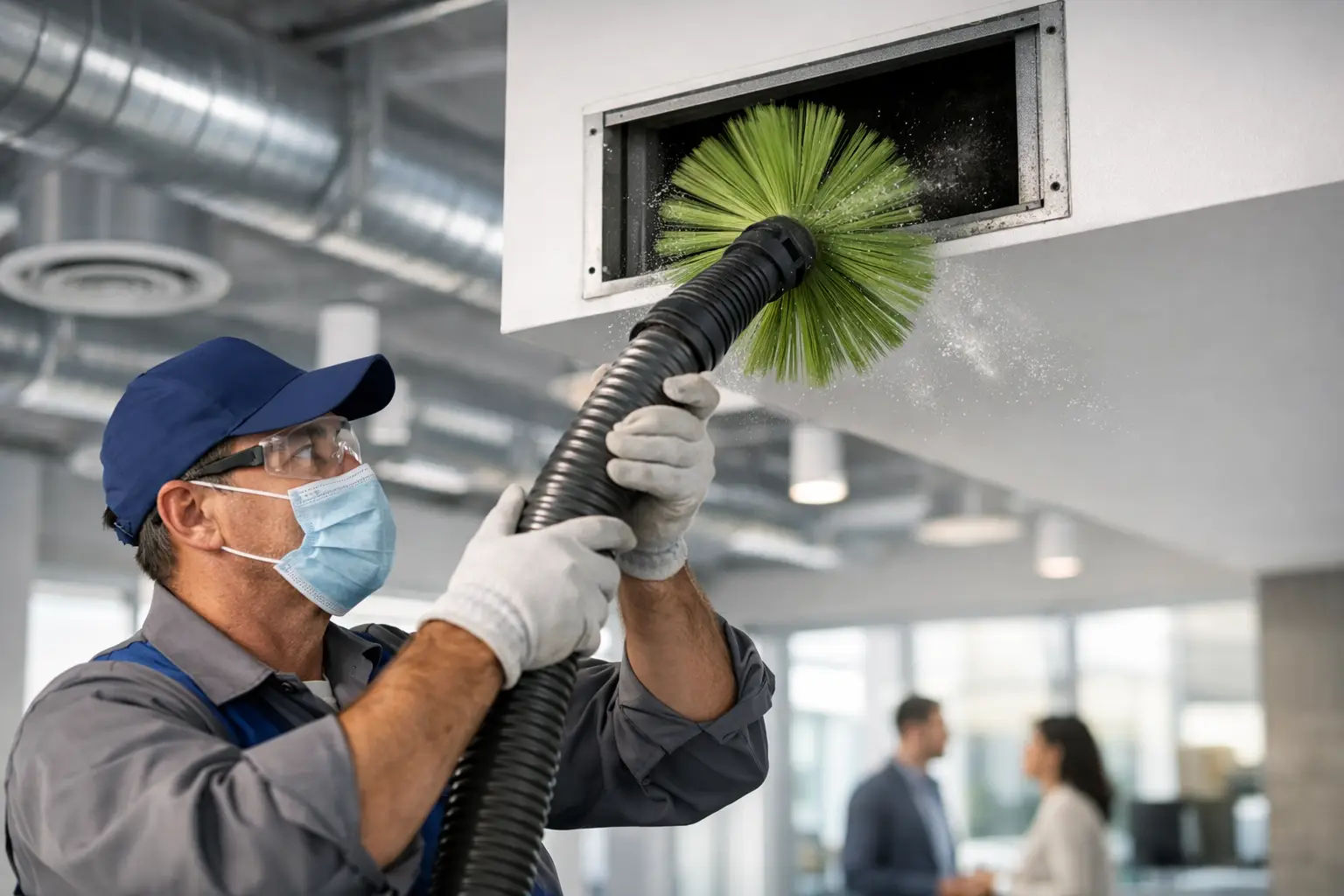
Professional cleaning is more than spraying a fragrance through vents. Technicians use negative-air equipment, agitation tools, and controlled collection methods to loosen and capture accumulated debris from the duct system. Registers, returns, and accessible HVAC components are handled carefully to help prevent contaminants from spreading through occupied areas.
The exact scope varies by building. A small office with a single system is different from a multi-suite retail property or a facility with several rooftop units. The goal is not to promise a generic outcome. It is to clean the components that are accessible, relevant to the problem, and included in the documented scope of work.
3. Verify the work before the crew leaves
A professional team should protect work areas, keep you informed, and leave the space ready for business. Before-and-after photos, a review of what was cleaned, and recommendations for filters or follow-up maintenance give managers a usable record of the service.
When conditions call for it, HVAC sanitization may be recommended after mechanical cleaning. Sanitization is not a substitute for removing debris or fixing moisture sources. It is an added step used appropriately after the system has been cleaned and the underlying issue has been addressed. Some facilities may also benefit from UV-light options near HVAC components where moisture management is a recurring concern.
The business case goes beyond cleaner-looking vents
The most immediate benefit of commercial duct cleaning is often comfort. Cleaner air pathways can help reduce the circulation of settled dust and odors that make a workplace feel neglected. For customer-facing businesses, that can affect first impressions. For offices and professional spaces, it supports a cleaner, more comfortable environment for the people who spend hours inside.
There is also an equipment-maintenance angle. A heavily contaminated HVAC system can make routine upkeep more difficult, especially when dust also affects coils, filters, and other components. Cleaning ducts alone will not transform an inefficient or failing system, but it can support better airflow when paired with proper filter changes, coil cleaning, drain maintenance, and repairs.
Energy savings depend on the condition of the equipment and the cause of the airflow restriction. Be cautious of any company that guarantees a specific utility-bill reduction without inspecting the system. The better promise is straightforward: a well-maintained HVAC system has a better chance of operating as intended, with fewer preventable airflow obstacles.
How often should a commercial building schedule cleaning?
There is no single interval that fits every property. A lightly occupied office with strong filtration and consistent maintenance may need a less frequent inspection than a busy retail store, daycare, gym, salon, warehouse office, or facility near active construction. Buildings with pets, high foot traffic, frequent door openings, odor concerns, water incidents, or extended cooling runtimes may need closer attention.
For many Florida businesses, an annual HVAC maintenance review is the right time to discuss duct condition. The inspection can guide the cleaning schedule rather than locking you into a service that is not needed. Filters should still be changed on the schedule recommended for your equipment and occupancy level. Duct cleaning works best as part of an ongoing indoor air quality plan, not as a once-and-done fix.
Choosing a commercial duct cleaning company
Look for a provider that is prepared to work around your operations and explain the scope in plain language. The company should be willing to inspect first, document conditions, use professional collection equipment, and distinguish between cleaning, sanitization, and remediation. Ask how they protect occupied areas, whether they can schedule around business hours, and what verification you will receive after the job.
Avoid quotes that sound unusually low but do not define the number of systems, vents, returns, or components included. Commercial properties vary too much for unclear pricing to be useful. A transparent proposal identifies the work, the condition being addressed, and any recommended add-on services before the crew arrives.
For businesses throughout Tampa, Largo, Sarasota, Lakeland, Clearwater, and surrounding Central Florida communities, The Ductors provides inspection-led commercial HVAC cleaning with clear communication and visible documentation. That approach helps managers make informed decisions without disrupting the people who rely on the building every day.
If your vents are dusty, your workspace smells musty, or your AC is struggling to keep rooms comfortable, do not wait for the next complaint to become a larger maintenance issue. Schedule an inspection, get clear answers, and give your building the clean-air attention it deserves.