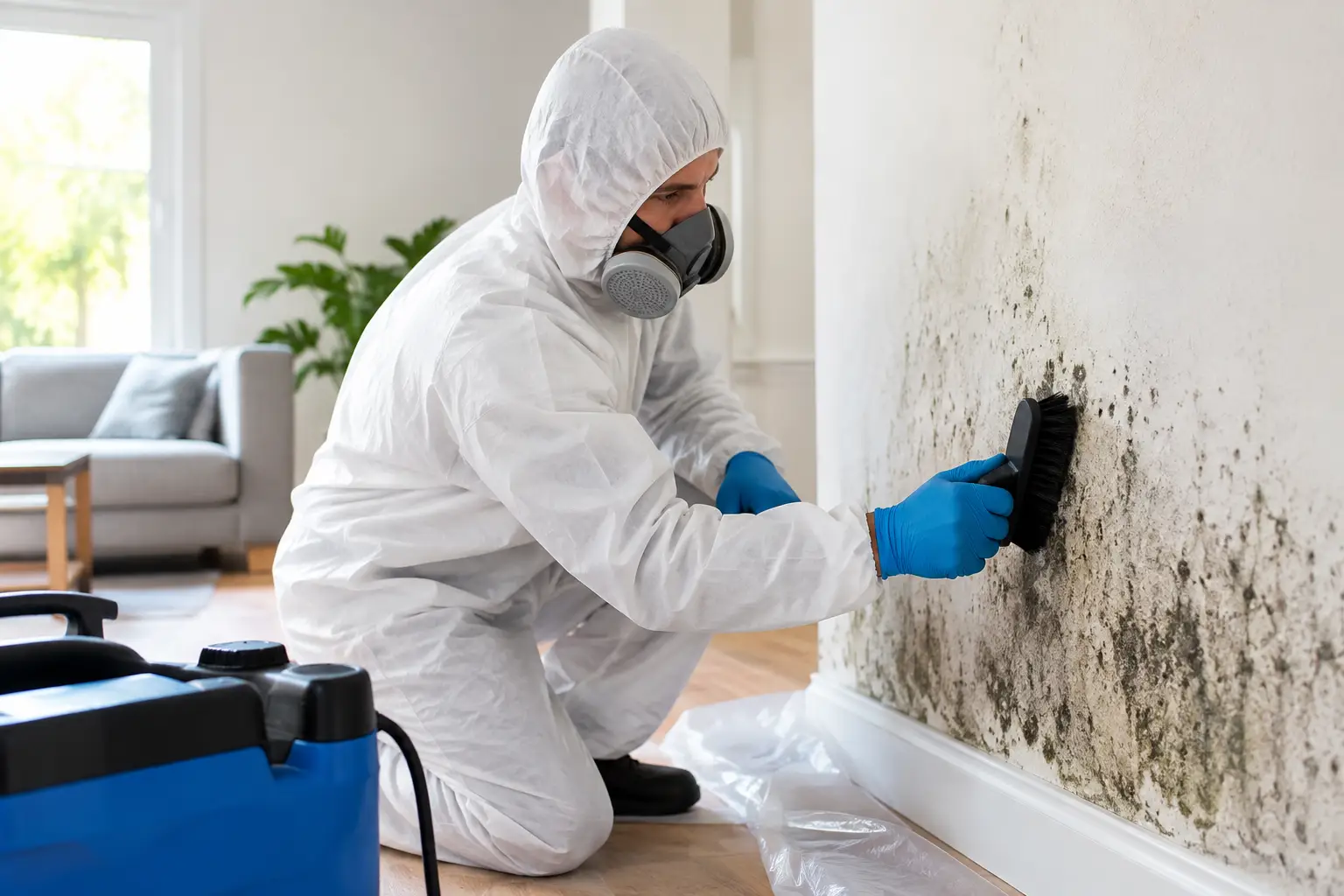
A musty smell that returns after cleaning is not just a nuisance. In a Florida home, it can be a sign that moisture is feeding mold behind a wall, beneath flooring, around an AC system, or inside another hidden area. Proper mold remediation addresses more than what you can see. It identifies the moisture problem, removes contamination using the right containment methods, and helps restore a cleaner, more comfortable indoor environment.
Tampa Bay and Central Florida homes work hard against humidity. Long AC seasons, storm-driven leaks, coastal moisture, clogged condensate lines, and poorly ventilated bathrooms can all create conditions mold needs to grow. Acting early can limit damage, protect your HVAC equipment, and prevent a small problem from becoming a larger repair.
Signs Your Home May Need Mold Remediation
Visible spotting on drywall, ceilings, baseboards, or around vents deserves attention, but mold is not always out in the open. Homeowners often call after noticing a persistent earthy or musty odor, peeling paint, recurring condensation, or a room that feels damp even when the AC is running.
Other warning signs include a water stain that grows after rain, warped flooring, frequent allergy-like irritation that seems worse at home, or dust and debris blowing from supply vents. These signs do not prove mold on their own. They do tell you that an inspection is worth scheduling, especially after a roof leak, plumbing leak, appliance overflow, or AC drainage issue.
Pay close attention to areas that stay cool and enclosed: air handler closets, laundry rooms, bathrooms, garages, under-sink cabinets, and rooms with exterior walls. In Florida, mold can develop quickly when water is trapped and indoor humidity remains high.
Mold Remediation Starts With the Moisture Source
Cleaning a stained surface without fixing the source is one of the most common and expensive mistakes homeowners make. Mold can return when the underlying moisture remains. A professional assessment should look for the condition feeding growth, whether that is a slow pipe leak, a roof intrusion, wet insulation, poor bathroom exhaust, high indoor humidity, or AC condensation.
The right solution depends on the extent and location of the problem. A small, isolated patch on a nonporous surface may be manageable with careful cleaning after the moisture issue is corrected. Growth on drywall, carpet padding, insulation, or other porous materials is different. Those materials may hold contamination below the surface and often need removal rather than surface treatment alone.
This is why a reputable provider should explain what was found, where it is located, and why a particular treatment is recommended. You should not be pressured into broad services without visible evidence or a clear scope of work.
What a Professional Remediation Process Looks Like
Professional mold work is not simply spraying a fragrance or fogging an area. Sanitizing products can be useful in the right setting, but they do not replace source control, physical removal, and detailed cleaning.
Inspection and clear documentation
The process begins with a careful inspection of the affected area and nearby moisture-prone spaces. A trained technician looks for visible growth, water damage, damp building materials, HVAC conditions, and pathways that may allow contaminants to spread. Photos and a plain-language explanation help you understand what is happening before work begins.
If the affected area is extensive, involves significant water damage, or requires specialized testing or reconstruction, the scope may need to include additional qualified professionals. Good guidance is specific to the home, not a one-size-fits-all promise.
Containment and removal
When mold-disturbed materials could spread particles into clean areas, containment matters. Technicians may isolate the work zone, protect nearby surfaces, and use controlled removal methods appropriate for the material and condition. Damaged porous materials are removed when necessary, while salvageable hard surfaces are mechanically cleaned.
The goal is not to hide staining. It is to remove contamination and debris from the affected space while reducing the chance of spreading it through the home. This is especially important near return vents and air handlers, where airflow can carry particles farther than homeowners realize.
Detailed cleaning and verification
After removal, the remaining surfaces need thorough cleaning. Depending on the scope, this may include HEPA vacuuming, wiping, sanitization, and cleaning of related HVAC components. The work area should look clean, dry, and free of visible debris before repairs or restoration move forward.
Post-service verification should be practical and transparent. That can include technician photos, a final walkthrough, moisture confirmation, and a clear explanation of any repairs or humidity controls still needed. If testing is appropriate for your situation, ask what the results mean and how they will be used to guide the next step.
When Your HVAC System Is Part of the Problem
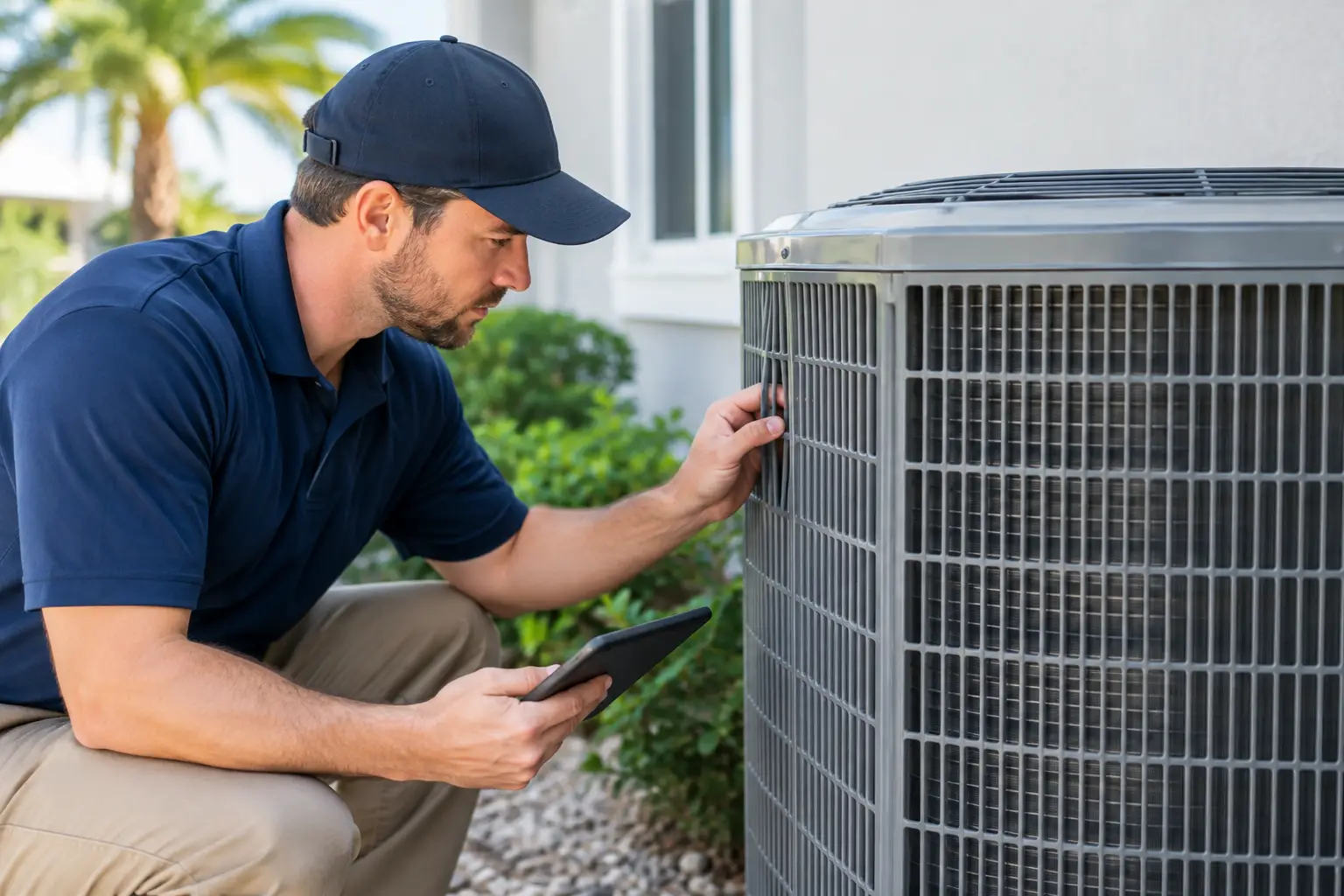
Your air conditioner removes moisture as it cools your home. When the system is neglected, however, moisture and buildup can create issues around the coil, drain pan, condensate line, air handler cabinet, or nearby insulation. A clogged drain line can overflow. A dirty coil can restrict performance. High humidity can persist when equipment is oversized, undersized, malfunctioning, or not maintained properly.
Mold near an HVAC system does not automatically mean every air duct needs remediation. Ductwork should be inspected for actual contamination, heavy dust buildup, moisture damage, or conditions that support growth. An honest provider will show you what they find rather than relying on fear.
When cleaning is warranted, mechanical duct cleaning and HVAC component cleaning can remove accumulated debris that affects airflow and indoor cleanliness. HVAC sanitization may be recommended after cleaning in certain situations. Optional UV-light systems can also help manage microbial growth near the coil and drain area, but they are a maintenance tool, not a substitute for correcting moisture problems or removing existing damaged materials.
For homeowners who want clear findings and documented work, The Ductors can inspect the HVAC side of a mold concern, clean affected system components when appropriate, and explain practical next steps without unnecessary technical jargon.
What You Can Do Before the Appointment
Do not scrub a large or suspicious area aggressively, especially if the material is damp or crumbling. Disturbing it can spread debris and make it harder to see the original extent of the problem. Avoid painting over stains before an inspection as well. Paint can conceal evidence while moisture continues behind the surface.
Instead, take photos, note when the odor or staining first appeared, and identify recent leaks, flooding, AC issues, or plumbing repairs. If you can safely do so, move furniture or belongings away from a damp wall to improve access and protect them from further damage. Run bathroom exhaust fans during and after showers, and use a properly sized dehumidifier if humidity is high, but do not assume temporary drying has solved a hidden leak.
If there is active water intrusion, address it quickly. Turn off the water source when possible, contact the appropriate repair professional, and document the damage for your records. Speed matters because wet drywall, carpet, and insulation can become much harder to save as time passes.
Keeping Mold From Coming Back
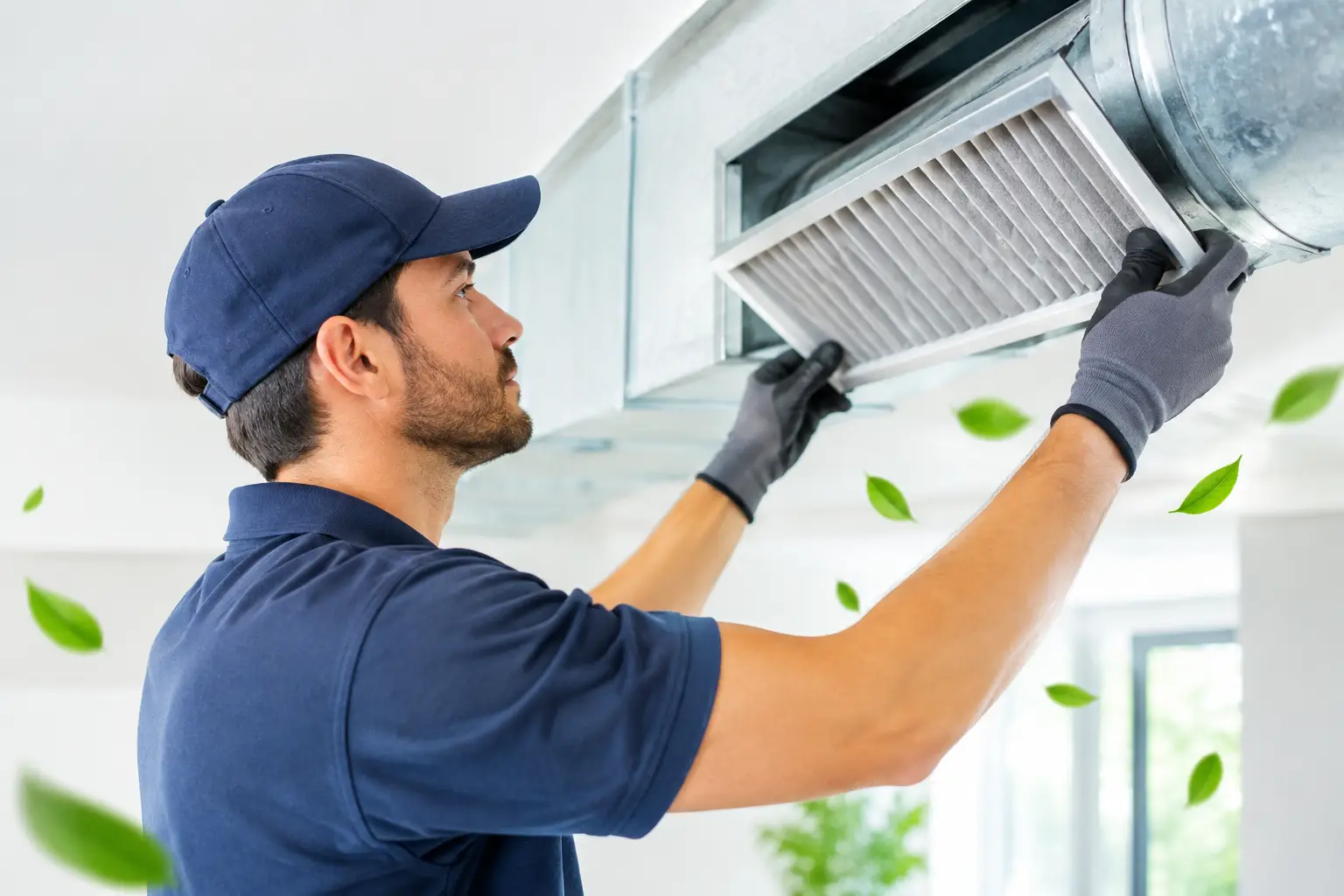
The best long-term defense is moisture control. Keep indoor humidity in a reasonable range, repair plumbing and roof leaks promptly, clean AC condensate drains, and make sure bathroom and kitchen exhaust fans vent properly. Change HVAC filters on schedule, and have the system inspected when you notice weak airflow, unusual odors, recurring condensation, or higher energy bills.
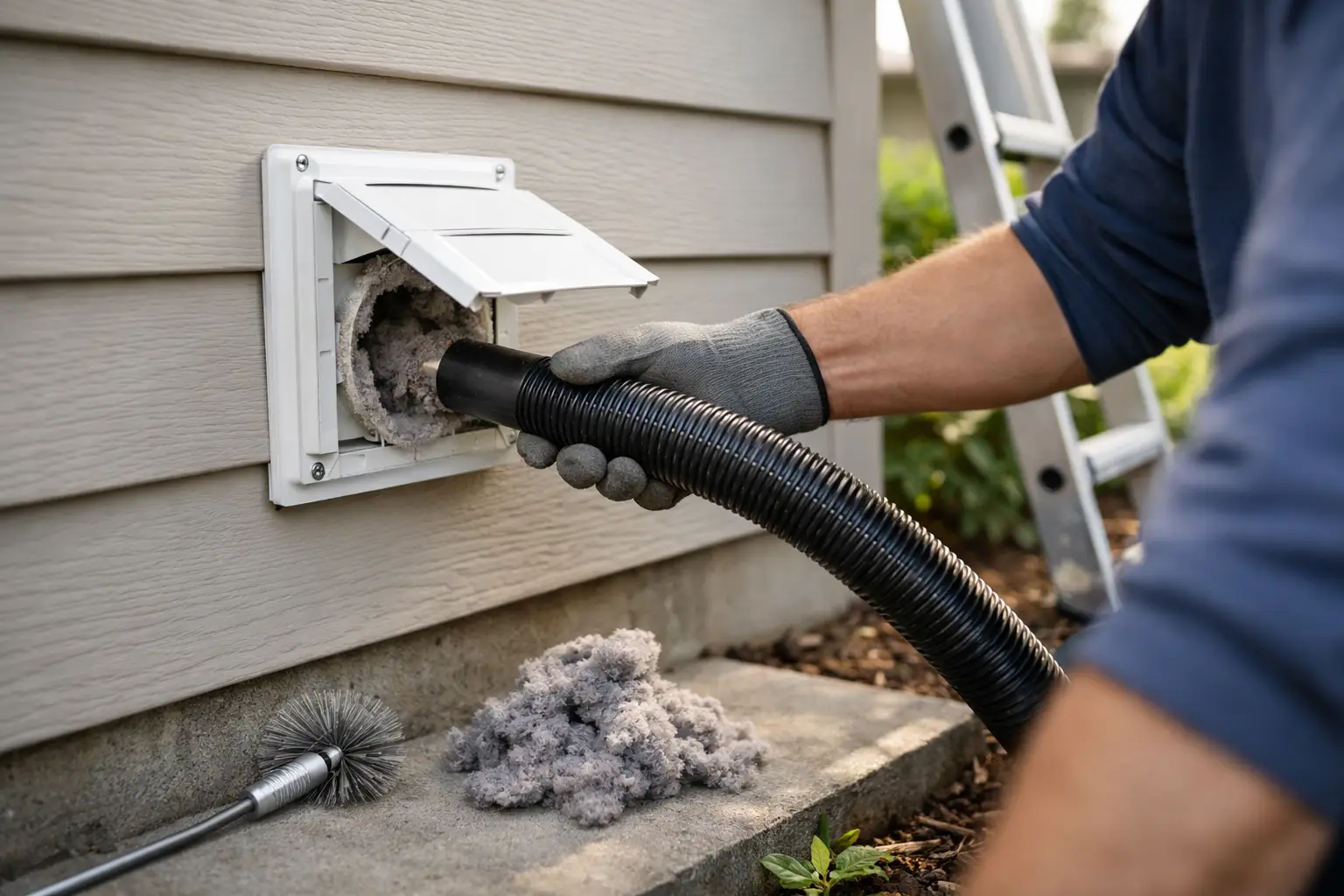
Dryer vents also deserve attention. A blocked vent can add heat and moisture to the home while creating a serious fire risk. In humid Florida conditions, routine maintenance of the systems that move air through your home supports both comfort and prevention.
A cleaner-looking wall is not the finish line. The real result is a dry, properly maintained home where your family can breathe easier, your AC can perform as intended, and a small moisture issue does not get the opportunity to grow into something bigger.