A musty smell when your AC starts, dust collecting around supply vents, or repeated allergy irritation can make a Florida home feel less comfortable fast. Knowing how to sanitize HVAC systems helps you understand what your system needs – and when a disinfectant treatment alone is not enough to solve the problem.
In Tampa Bay and Central Florida, air conditioners often run for much of the year. That constant cooling creates moisture around coils, drain pans, and other components. Add outdoor pollen, household dust, pet dander, and coastal humidity, and the HVAC system can become a place where contaminants collect. Proper sanitization can reduce odors and microbial concerns, but it works best after the system has been thoroughly cleaned.
What HVAC Sanitization Actually Does
HVAC sanitization is the controlled application of an appropriate antimicrobial or disinfecting product to targeted HVAC surfaces. Depending on the product and the condition of the system, treatment may be used on accessible duct interiors, evaporator coil areas, drain pans, blower compartments, and supply registers.
The goal is to treat microbial growth or odor-causing contamination left behind after debris has been removed. Sanitization is not a substitute for duct cleaning, coil cleaning, moisture correction, or mold remediation. Spraying a sanitizer over dust, lint, or visible buildup does not remove the source. It can leave the system looking unchanged while the underlying airflow and moisture problem continues.
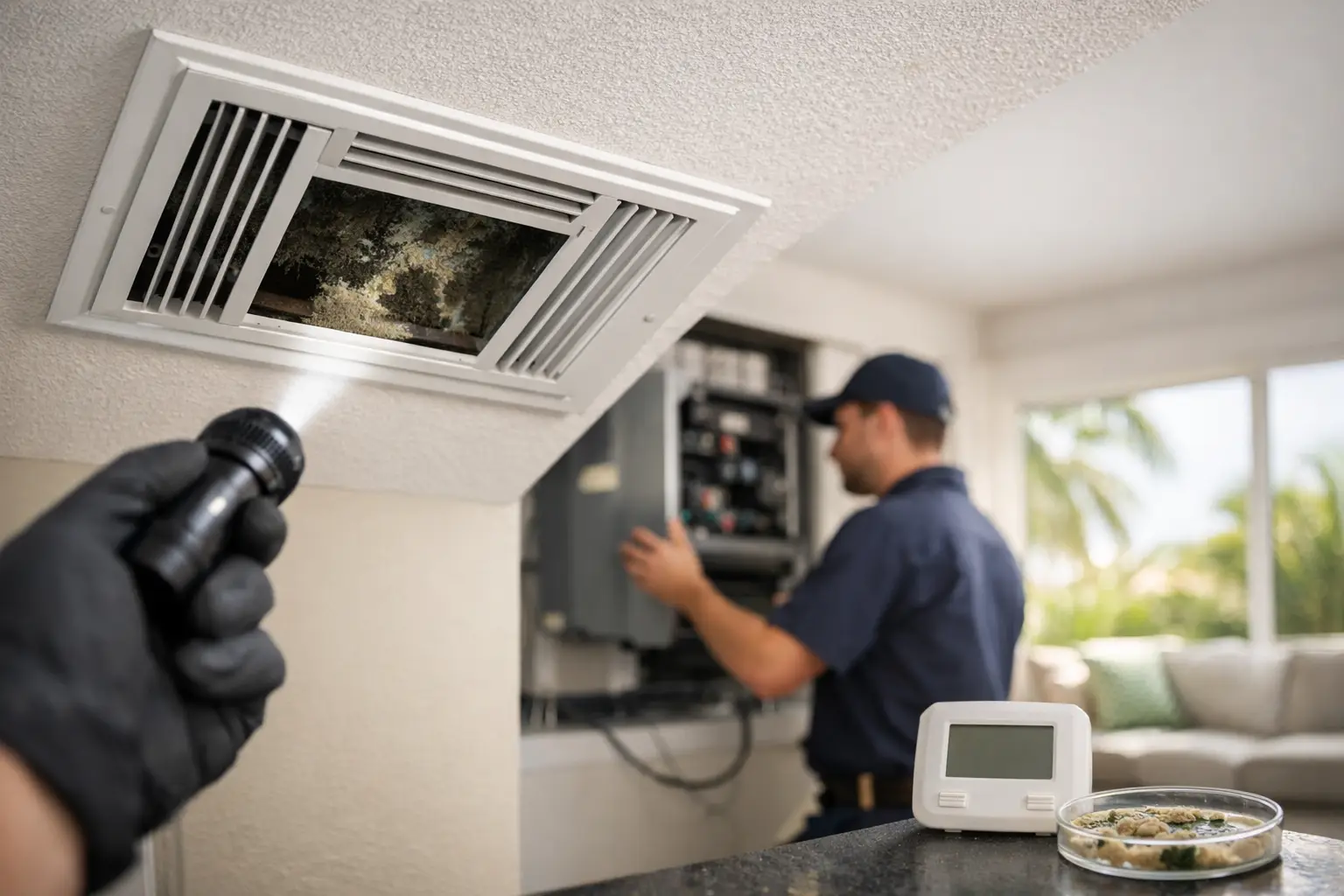
A quality service starts by identifying what is actually in the system. Dust is common. Moisture damage is different. Visible mold-like growth, a clogged condensate drain, a dirty evaporator coil, or damaged insulation may require a more specific solution than standard sanitization.
How to Sanitize HVAC Systems the Right Way
The safest approach is a process, not a quick spray through a vent. For most homes, that process has three parts: inspection, mechanical cleaning, and targeted treatment.
1. Inspect the system before treating it
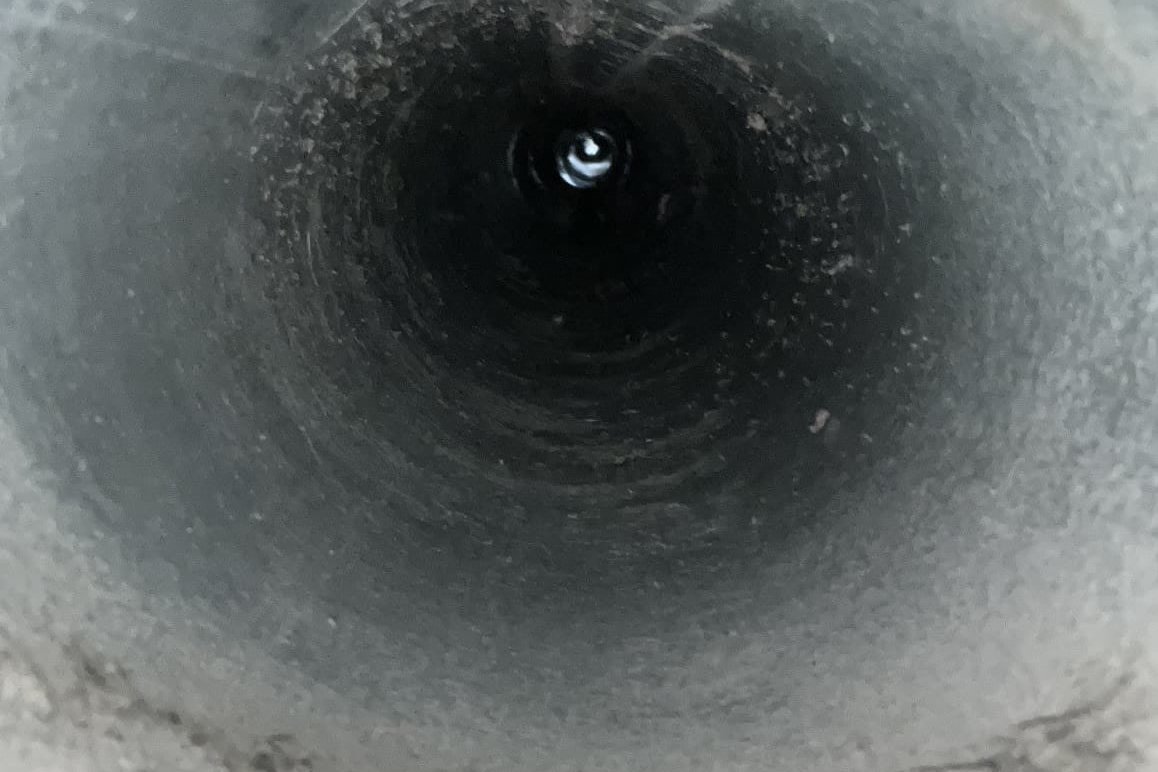
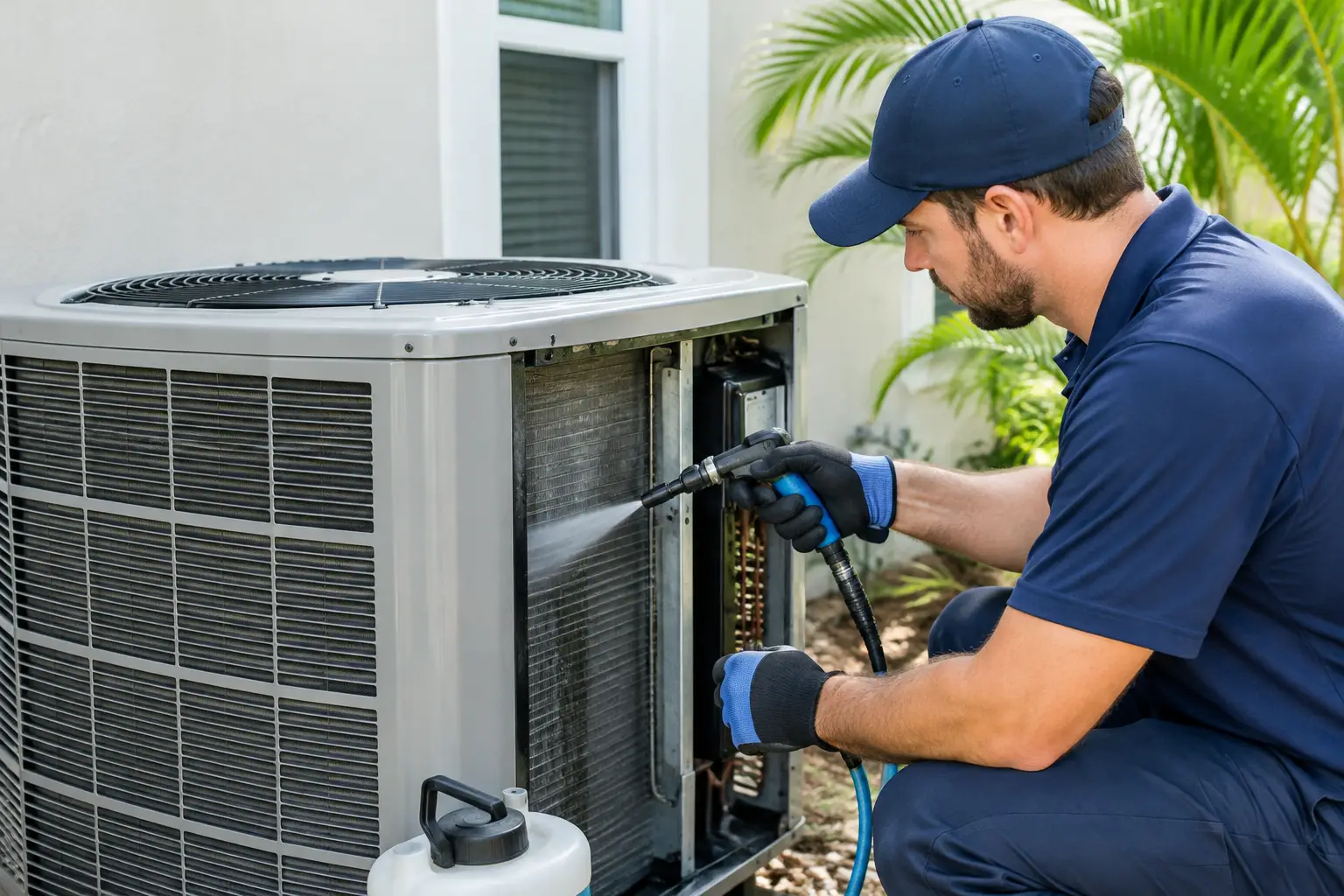
Start with the areas that most often hold moisture and debris: the return vents, filter rack, blower compartment, evaporator coil, drain pan, condensate line, and accessible ductwork. Look for heavy dust, matted pet hair, standing water, slime in the drain line, rust, damaged duct insulation, and visible staining.
Turn the HVAC system off before opening access panels. If you notice widespread visible growth, wet insulation, water damage, or a strong persistent mildew odor, do not assume a household disinfectant will fix it. Those conditions call for a professional inspection to determine whether cleaning, repairs, or mold remediation are needed.
2. Remove dust and debris first
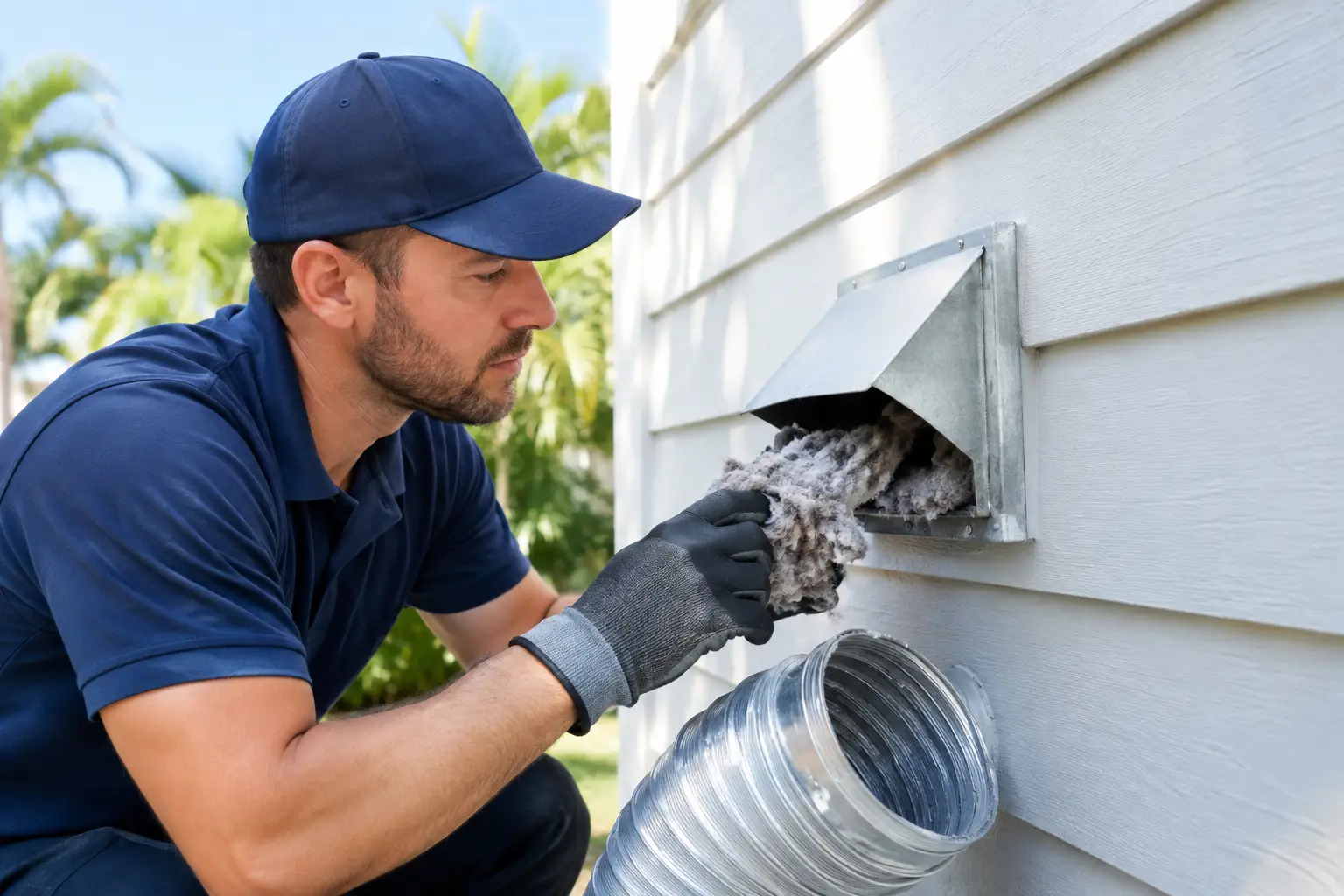
Cleaning comes before sanitizing because disinfectants need contact with the surface they are intended to treat. Replace a loaded air filter, vacuum loose debris from accessible areas with appropriate equipment, and clean supply and return grilles. The blower, coil, and duct system require more care than most homeowners can safely provide with a shop vacuum.
Avoid brushing deep into ductwork, using excessive water, or pouring chemicals into the system. Flexible ducts can tear, internal duct lining can be damaged, and moisture can create the very conditions you are trying to prevent. Coils are especially delicate. Bent fins restrict airflow and can reduce cooling performance.
Professional duct cleaning uses negative-pressure equipment and agitation tools designed to remove contaminants from the system rather than push them farther down the line. A technician should also protect floors and furnishings, explain what they found, and document the results with before-and-after photos when practical.
3. Apply the correct sanitizer to appropriate surfaces
Once surfaces are clean and dry, a trained technician can apply an HVAC-approved antimicrobial treatment according to the product label. The product, amount, contact time, and application method matter. More chemical is not better, and no product should be applied in a way that creates unnecessary airborne mist or leaves excess residue in the living space.
Occupants, pets, and sensitive individuals should follow the product’s safety guidance, including any recommended time away from treated areas. The HVAC system should be operated only when it is safe to do so under the treatment instructions. A professional can explain what product is being used, why it is appropriate, and what to expect afterward.
Sanitizing foggers are sometimes used for accessible duct interiors, but they are not a cure-all. Fogging may help treat odor-causing contamination after cleaning, yet it cannot remove heavy debris, repair wet duct material, clear a blocked drain, or correct an oversized humidity problem. Ask what is being treated and what physical cleaning was completed first.
Do Not Use These Shortcuts
Homeowners understandably want immediate relief from odors or dust. A few common shortcuts can create more problems than they solve.
Do not spray bleach, perfume sprays, or general household disinfectants into return vents. These products may damage components, create irritating fumes, or fail to reach the actual source of contamination. Do not use ozone generators in occupied homes. Ozone is a lung irritant and is not a replacement for removing debris and moisture.
It is also wise to be cautious with companies that promise to “sanitize” an entire system without inspecting it. If a provider cannot explain the condition of the ducts, coil, drain pan, and blower, they are guessing. Clear findings, a defined scope of work, and visible evidence are better signs of a service you can trust.
When Your Florida HVAC System May Need Sanitization
Not every HVAC system needs routine chemical treatment. In many homes, regular filter changes, coil maintenance, drainage checks, and occasional duct cleaning are the most useful preventive steps. Sanitization makes more sense when an inspection identifies conditions that support it.
Consider an evaluation if you notice a recurring musty or sour odor when the AC turns on, visible buildup around vents or inside accessible components, recent water intrusion, a condensate overflow, or dust and debris released after a renovation. It can also be worthwhile after a confirmed contamination issue has been cleaned or when a property has been vacant for an extended period in Florida humidity.
Frequency depends on the home. A household with pets, smokers, renovation dust, high humidity, or occupants with significant allergy concerns may need more attention than a low-traffic home with strong filtration and consistent maintenance. Commercial spaces may need a more regular schedule because of longer operating hours, higher occupancy, and greater dust loads.
Stop Moisture From Bringing the Problem Back
Sanitizing is only one part of cleaner indoor air. The long-term win is controlling the moisture that allows odors and microbial growth to return. Keep the condensate drain flowing, address water leaks promptly, and have the evaporator coil and drain pan checked during AC maintenance. In Florida, maintaining balanced indoor humidity is just as important as keeping the home cool.
Use the right filter for your equipment and replace it on schedule. A filter that is too restrictive can reduce airflow, while a neglected filter allows dust to circulate and collect on system components. Your HVAC technician can recommend a filter level that supports cleaner air without straining the system.
UV light systems can also be a useful option in certain installations, especially near moisture-prone coil areas. They are not a replacement for cleaning, and results depend on correct placement, bulb maintenance, and the specific system. Think of UV as ongoing support after the underlying dirt and moisture issues have been addressed.
What to Expect From a Professional Service
A dependable HVAC sanitization visit should not feel mysterious. The technician should inspect accessible components, explain whether sanitization is warranted, and separate cleaning recommendations from optional treatments. You should know what areas will be cleaned, what product will be used, and whether any drainage, coil, duct, or insulation concerns need attention.
The Ductors approach focuses on removing the contamination first, then using professional sanitization when the system condition calls for it. That combination supports cleaner airflow, fresher-smelling rooms, and a system that does not have to work as hard against dust and buildup.
If your AC smells musty every time it starts, do not mask it with fragrance and hope it disappears. A careful inspection can pinpoint whether the answer is a filter change, coil cleaning, drain service, duct cleaning, sanitization, or a more involved moisture repair – so your family can breathe cleaner air with confidence.