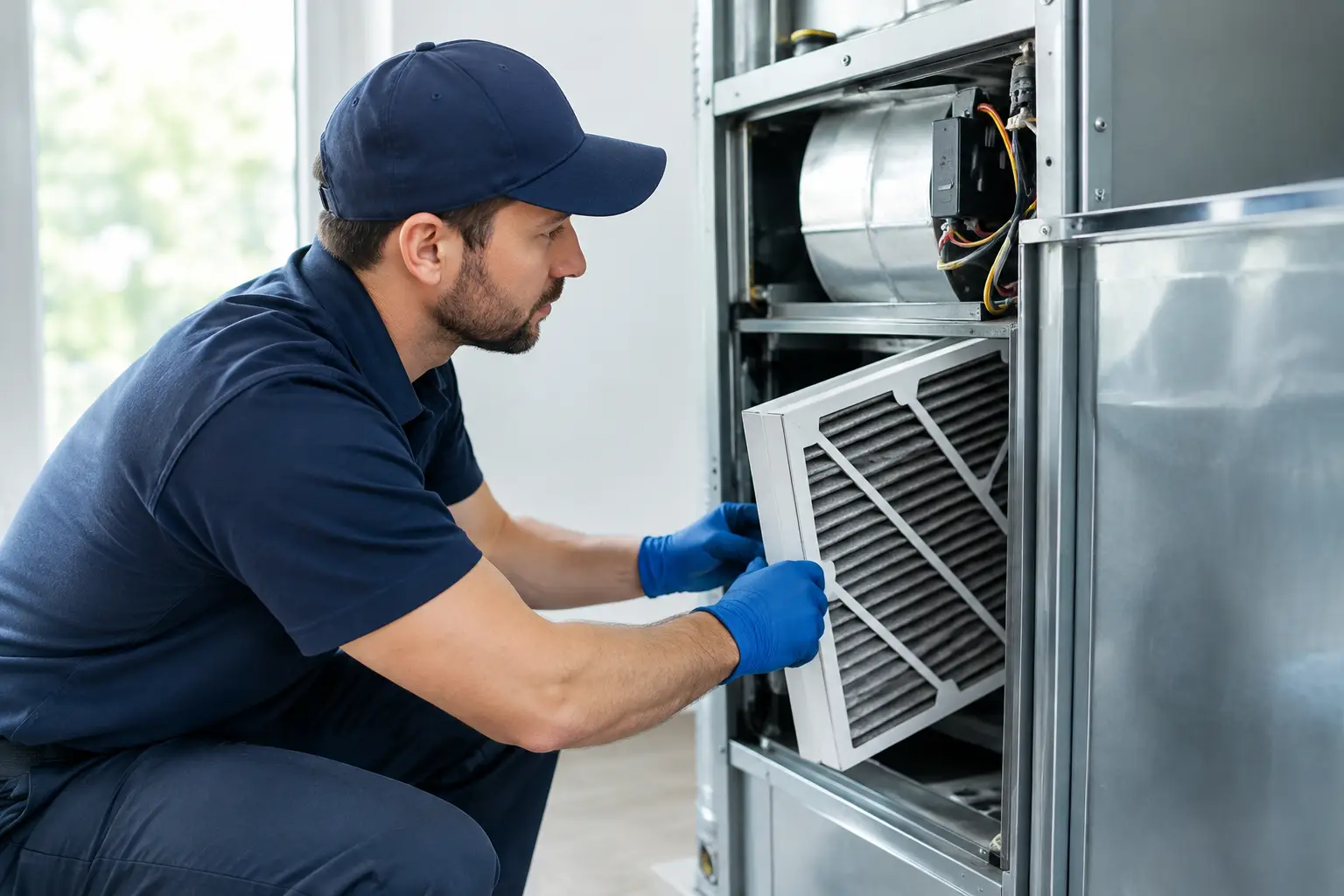
That smell when the AC turns on is not something your family should have to live with. Effective HVAC odor removal does more than cover the problem with fragrance. It identifies where the odor is coming from, removes the buildup or contamination causing it, and helps keep the smell from returning every time your system starts.
In Tampa Bay and Central Florida, air conditioners run hard for much of the year. Heat, humidity, coastal moisture, pet hair, dust, and everyday household pollutants can collect inside equipment that most homeowners never see. When moisture and debris meet inside an HVAC system, odors can develop quickly – and the longer they are ignored, the more difficult the cleanup may become.
HVAC Odor Removal Begins With the Right Diagnosis
An odor is a clue, not a diagnosis. A musty smell may point to moisture around the evaporator coil, drain pan, insulation, or ductwork. A dusty odor can come from buildup in supply vents or ducts. A sour smell may be connected to standing water, bacterial growth, or dirty components. Each situation needs a different solution.
Simply spraying an air freshener into a vent does not clean the system. Neither does replacing an air filter when the odor source is deeper in the equipment. Filters matter, but they are only one part of the airflow path. If debris, moisture, or microbial growth is present farther inside, the smell may return within hours or days.
Musty or mildew-like odors
Musty AC odors are especially common in Florida homes. High humidity can leave moisture on the indoor coil and in the condensate system. If the drain line is restricted, the drain pan does not empty properly, or the system has poor airflow, that moisture can create conditions where odor-producing growth thrives.
A professional inspection should look beyond the vents. The technician should assess the coil, drain pan, drain line, blower area, accessible ductwork, and signs of moisture damage. If mold is suspected, the right response depends on where it is located, how extensive it is, and whether damaged materials need remediation or replacement.
Dusty, stale, or “old house” smells
A dusty smell may be noticeable after the first AC cycle following a period of low use, but it should not linger. Persistent stale air can mean dust, construction debris, pet dander, or other particles have collected in the return side of the system and ductwork.
This is often more noticeable in homes with pets, recent renovations, open windows during pollen season, or heavily used return vents. Mechanical duct cleaning can remove accumulated debris when inspection shows that cleaning is warranted. A cleaner system can also support better airflow, which helps the AC operate more consistently.
Burning, electrical, or chemical smells
Some odors require faster action. A brief dusty smell at startup can be harmless, but a persistent burning odor, hot plastic smell, or electrical smell should not be ignored. Turn off the HVAC system and contact a qualified HVAC professional promptly. These odors can be associated with overheating electrical components, a failing motor, wiring issues, or other equipment concerns.
A smell resembling gas, exhaust, or chemicals also deserves immediate attention. Leave the area if you feel unsafe and contact the appropriate emergency utility or safety service before scheduling cleaning. HVAC odor removal is not a substitute for correcting a potential fire, gas, refrigerant, or electrical hazard.
Why Odors Keep Coming Back After a Quick Fix
Most recurring HVAC odors come down to one issue: the source was not fully removed. Cleaning only the visible vent covers may make a room look better, but it does not address the return ducts, coil, blower compartment, drain components, or contamination deeper in the system.
There is also a trade-off between a quick deodorizing treatment and a complete corrective service. Sanitization can be useful after physical debris has been removed and the moisture issue has been addressed. On its own, however, it may not solve odors caused by a dirty coil, wet insulation, a clogged drain line, or significant duct contamination.
The same is true for UV lights. Properly selected and installed UV equipment can help control microbial growth in certain areas of an HVAC system, particularly near moisture-prone components. It is not a replacement for cleaning, repairs, or moisture control. The best option depends on your system condition and the reason the odor developed in the first place.
What Professional Odor Removal Should Include
A reliable service starts with an inspection and a clear explanation, not a one-size-fits-all spray treatment. Homeowners should know what the technician found, where the odor appears to originate, and what work is recommended before the job begins.
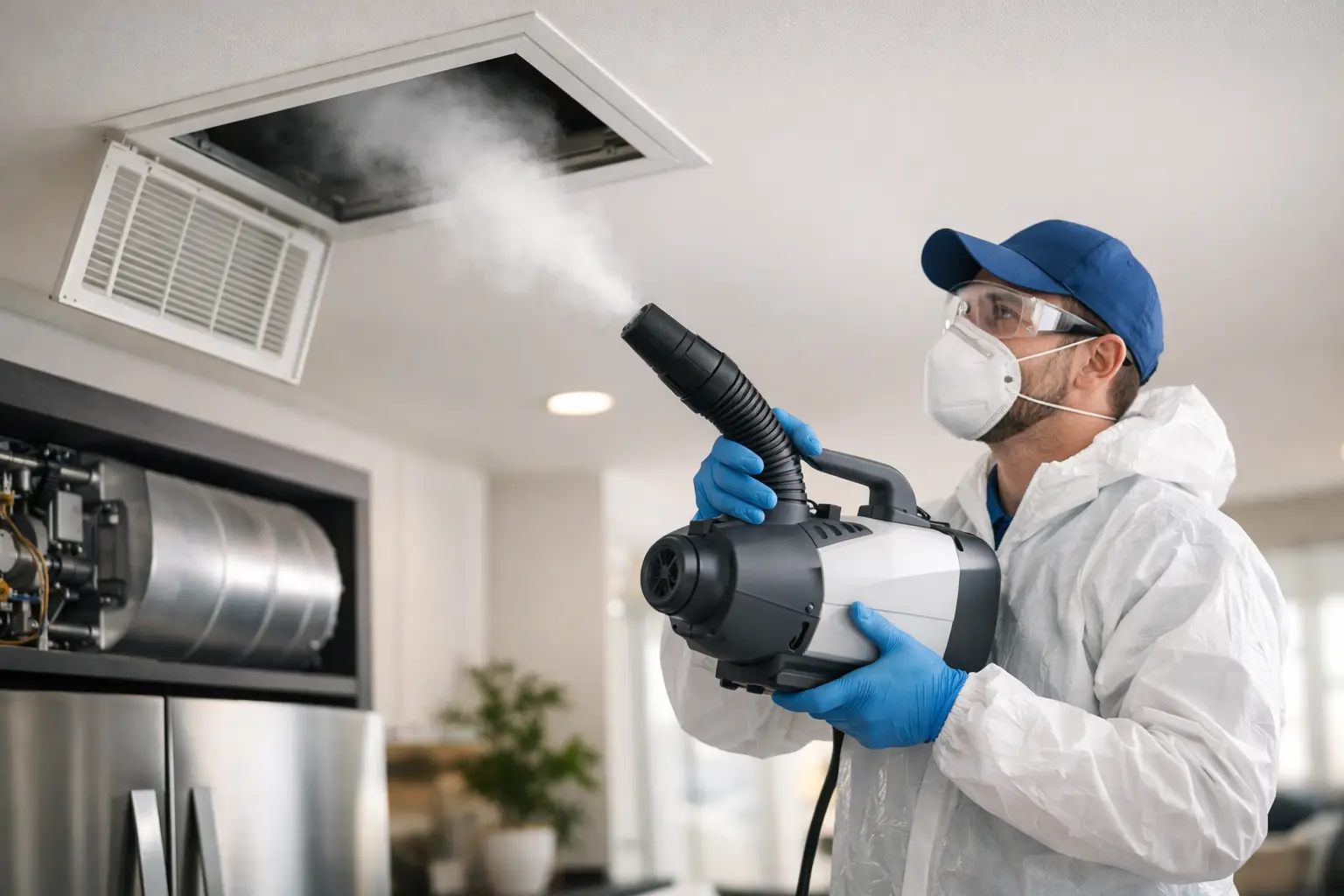
For many odor concerns, the process includes inspection, deep mechanical cleaning of the affected accessible areas, contaminant removal, and targeted sanitization when appropriate. AC coil cleaning may be recommended when buildup is restricting airflow or holding moisture. Duct cleaning may be recommended when dust and debris are present in the duct system. If moisture damage or mold conditions are found, the technician should explain whether remediation, repairs, or additional HVAC service is needed.
Post-service verification matters too. Before-and-after photos, a walkthrough of the work performed, and simple maintenance guidance give you more confidence than a vague promise that the system was “freshened up.” At The Ductors, technicians focus on explaining findings in plain language, protecting the home during service, and showing customers what was cleaned.
What You Can Do Before Your Appointment
You do not need to take apart your HVAC system to investigate an odor. In fact, disturbing wet insulation, electrical components, or possible mold can create a bigger mess. A few safe observations can help a technician narrow down the problem faster.
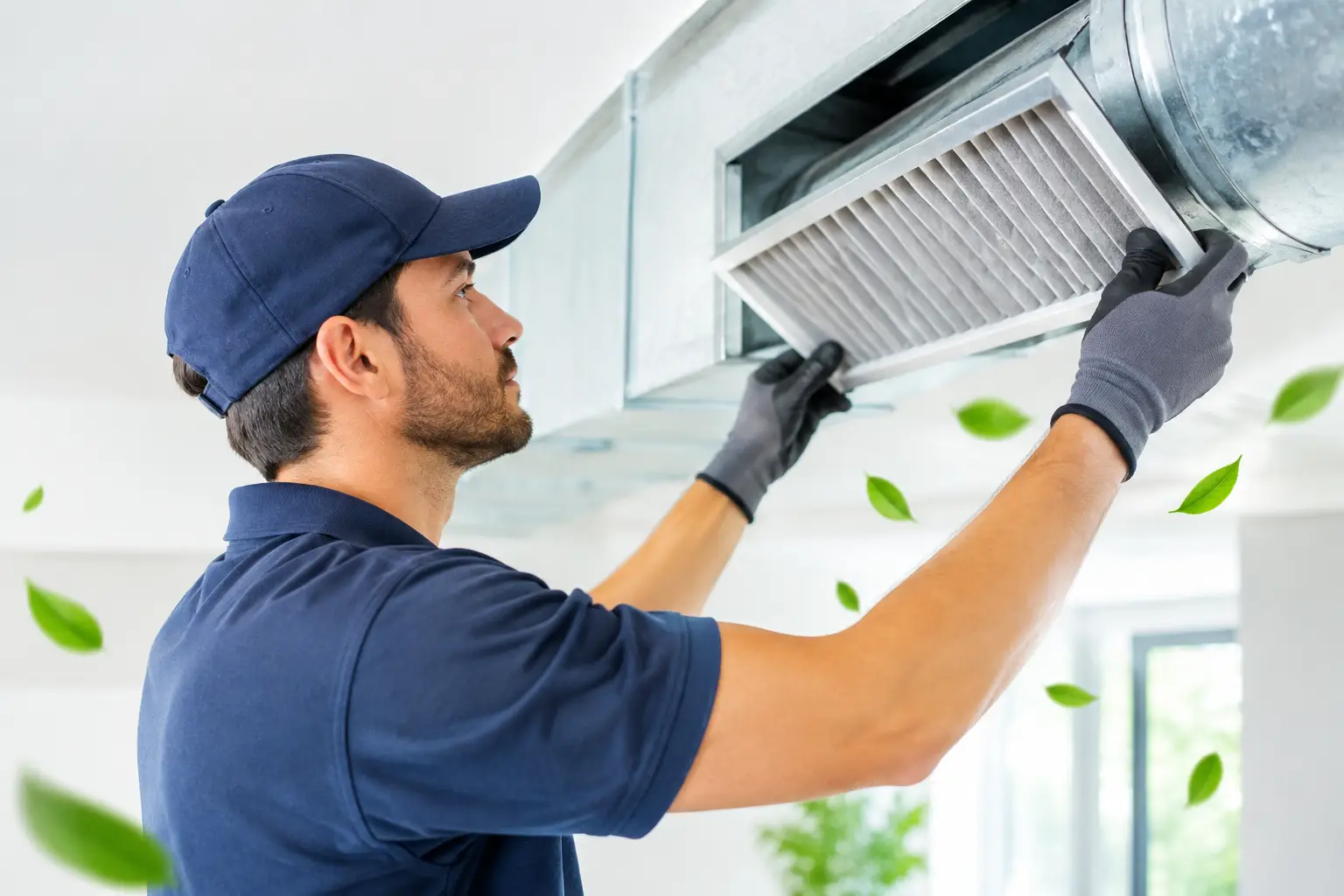
Make note of when the odor occurs. Does it appear only when cooling starts, after rain, in one room, or throughout the house? Check whether your filter is overdue for replacement and replace it with the filter type recommended for your system. Look around visible vents for dust buildup or signs of moisture, but avoid spraying cleaners or fragrances into the ducts.
If you can safely see the indoor unit, look for obvious water around it or a full drain pan. Water near the air handler is a reason to call for service, even if the odor is mild. Catching a drainage issue early can help prevent more extensive damage.
When to Schedule HVAC Odor Removal
Schedule an inspection when an odor lasts more than a few cooling cycles, keeps returning after filter changes, or comes with visible dust, weak airflow, excess humidity, or water near the unit. Families dealing with allergies, frequent coughing, or musty rooms often choose to have the system evaluated sooner for peace of mind.
Commercial properties should act quickly as well. A musty lobby, office, retail space, or waiting room affects employee comfort and customer impressions. Because commercial systems often serve larger areas and operate for longer hours, minor moisture or debris issues can spread odors more widely.
Keep Your AC From Becoming an Odor Source Again
Odor prevention is largely moisture management and routine maintenance. Keep filters on schedule, make sure supply and return vents are not blocked by furniture, and have the AC maintained before the hottest part of the season. Ask the technician to check drainage, coil condition, and airflow instead of focusing only on refrigerant and thermostat settings.
If your home has had water intrusion, a roof leak, a plumbing leak, or extended periods of high indoor humidity, pay attention to new odors afterward. The HVAC system moves air throughout the home, so it can carry the smell of a moisture problem even when the source is not directly inside the ducts.
Clean air should not come with a musty reminder every time the thermostat clicks on. When the smell has a source, the most useful next step is to find it, remove it properly, and give your family a home that feels fresh again.