
A Florida home can feel uncomfortable long before the thermostat says it is hot. You may notice a sticky bedroom, fogged windows, a musty smell when the AC starts, or towels that never seem to dry. This Florida humidity control guide explains what those signs mean, what you can safely address at home, and when your HVAC system needs professional attention.
Humidity is not just a comfort issue in Tampa Bay and Central Florida. When indoor moisture stays high, it can feed mold growth, worsen dust and allergy concerns, make your air conditioner work harder, and leave your home feeling clammy even at a low temperature setting. The goal is not bone-dry air. It is steady, healthy moisture control that helps your family breathe cleaner and protects the equipment you rely on every day.
What Indoor Humidity Should Be in Florida?
For most homes, indoor relative humidity between 45% and 55% is a practical target. Below that range, some people may experience dry skin or irritated sinuses. Above 60%, moisture becomes more likely to support mold, mildew, dust mites, and persistent odors.
A small digital hygrometer can tell you where your home stands. Check several rooms, not only the thermostat location. A back bedroom, bathroom, laundry room, or enclosed closet may hold much more moisture than the main living area. Readings that regularly stay above 60% deserve attention, especially if you see visible staining, condensation, or mold-like growth.
Florida weather makes short humidity spikes normal. The concern is moisture that lingers for days or returns every time the AC runs. That pattern often points to an airflow, drainage, insulation, or equipment issue rather than the weather alone.
Florida Humidity Control Guide: Start With the AC System
Your air conditioner does two jobs: it cools the air and removes moisture. When it is operating correctly, moisture collects on the evaporator coil and drains away through the condensate system. If any part of that process is disrupted, your home may feel humid even though the AC is blowing cool air.
Start with the basics. Use a clean, correctly sized air filter and replace it on the schedule recommended for your system and household conditions. A filter that is overloaded with dust can reduce airflow across the coil, affecting comfort and system performance. Do not install an overly restrictive filter simply because it sounds better. Some high-density filters can strain systems that are not designed for them.
Then pay attention to how your system cycles. An oversized AC unit can cool the home so quickly that it shuts off before it has enough time to remove moisture. A system that runs constantly but still leaves rooms damp may be undersized, dirty, low on refrigerant, or dealing with restricted airflow. These are different problems with different solutions, which is why an inspection matters more than guessing.
A dirty evaporator coil is another common issue in high-AC-use homes. Dust and buildup can interfere with airflow and moisture removal while contributing to odors. Professional AC coil cleaning removes that buildup carefully and allows a technician to evaluate the condition of the coil, drain pan, and nearby components.
Keep the Condensate Drain Working
Florida AC systems produce a lot of water. That water needs a clear path out of the home. A clogged condensate drain line or drain pan can lead to water damage, elevated humidity around the air handler, and musty odors. In some homes, it can also trigger a float switch that shuts the system down.
Watch for water near the indoor unit, a stained ceiling below an attic air handler, or a drain line that repeatedly clogs. Those are not problems to ignore. Cleaning the drain and correcting the cause early is far less disruptive than repairing moisture damage later.
Stop Outdoor Moisture From Sneaking In
Even an efficient air conditioner will struggle if humid outdoor air is continually entering the house. Florida homes are exposed to heavy rain, humid breezes, and long cooling seasons, so small gaps can have a big effect over time.
Check weatherstripping around exterior doors, seals around windows, and openings where plumbing or electrical lines enter the home. Make sure bathroom and kitchen exhaust fans vent outdoors rather than into an attic or enclosed space. If you have a vented crawl space, attic ductwork, or a garage-adjacent room that always feels muggy, ask an HVAC or home-performance professional to identify where moisture is entering.
Do not close supply vents throughout the house in an attempt to push more cooling into one room. Restricting vents can upset airflow and increase pressure problems in the duct system. It may leave some rooms hotter and more humid while adding stress to the equipment.
Use Dehumidifiers Where They Actually Help
A portable dehumidifier can be a useful tool for a persistently damp bedroom, a laundry area, a garage, or a space that is lightly conditioned. Choose a unit sized for the room and empty or drain it regularly. Clean its filter and reservoir as directed, since a neglected dehumidifier can become another source of odors.
For whole-home humidity problems, a dedicated whole-home dehumidifier may be a better fit. These systems work with the HVAC equipment and can control moisture without forcing the air conditioner to overcool the house. They are particularly helpful for households that prefer a warmer thermostat setting, have many occupants, or see humidity rise during mild rainy weather when the AC does not run enough.
There is a trade-off: whole-home equipment is an investment and should be sized correctly. If high humidity is caused by a clogged coil, leaky ductwork, or a drainage problem, adding a dehumidifier without fixing the underlying issue may mask the problem instead of solving it.
Do Your Ducts Have a Moisture Problem?
Ductwork does not create humidity, but poorly sealed, poorly insulated, or contaminated ducts can make humidity control much harder. Leaky return ducts in a hot attic or garage can pull humid, dusty air into the system. Supply leaks can send conditioned air into spaces where it does not help your family.
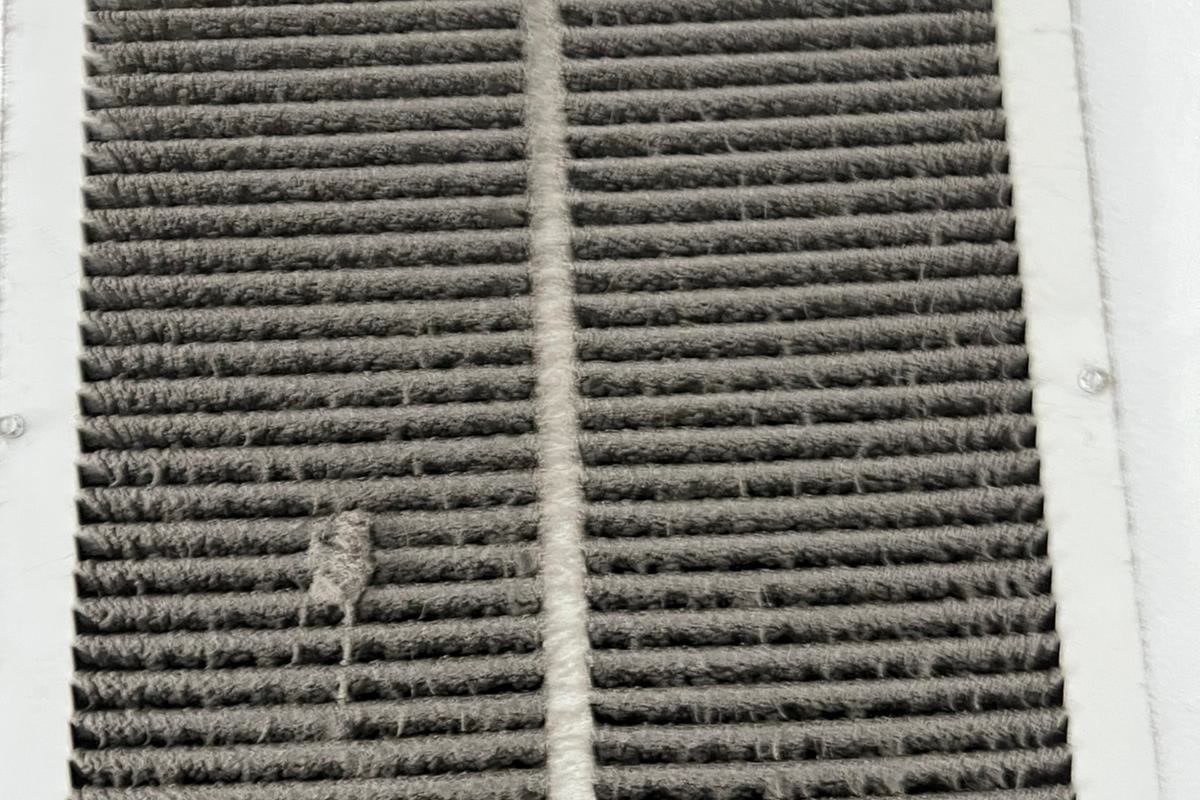
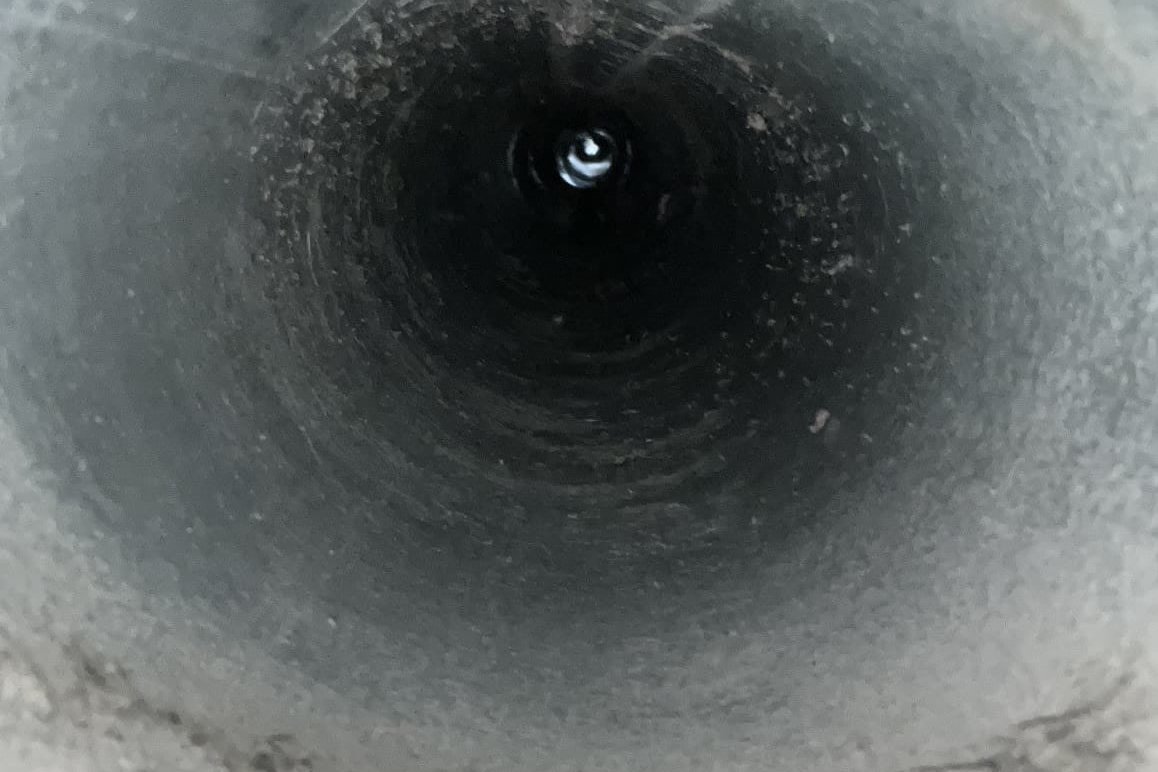
Musty odors that appear when the AC turns on, visible dust around vents, weak airflow, or dark debris near registers are worth investigating. A professional duct inspection can identify whether the concern is ordinary dust buildup, a duct leak, moisture staining, or material that needs further evaluation.
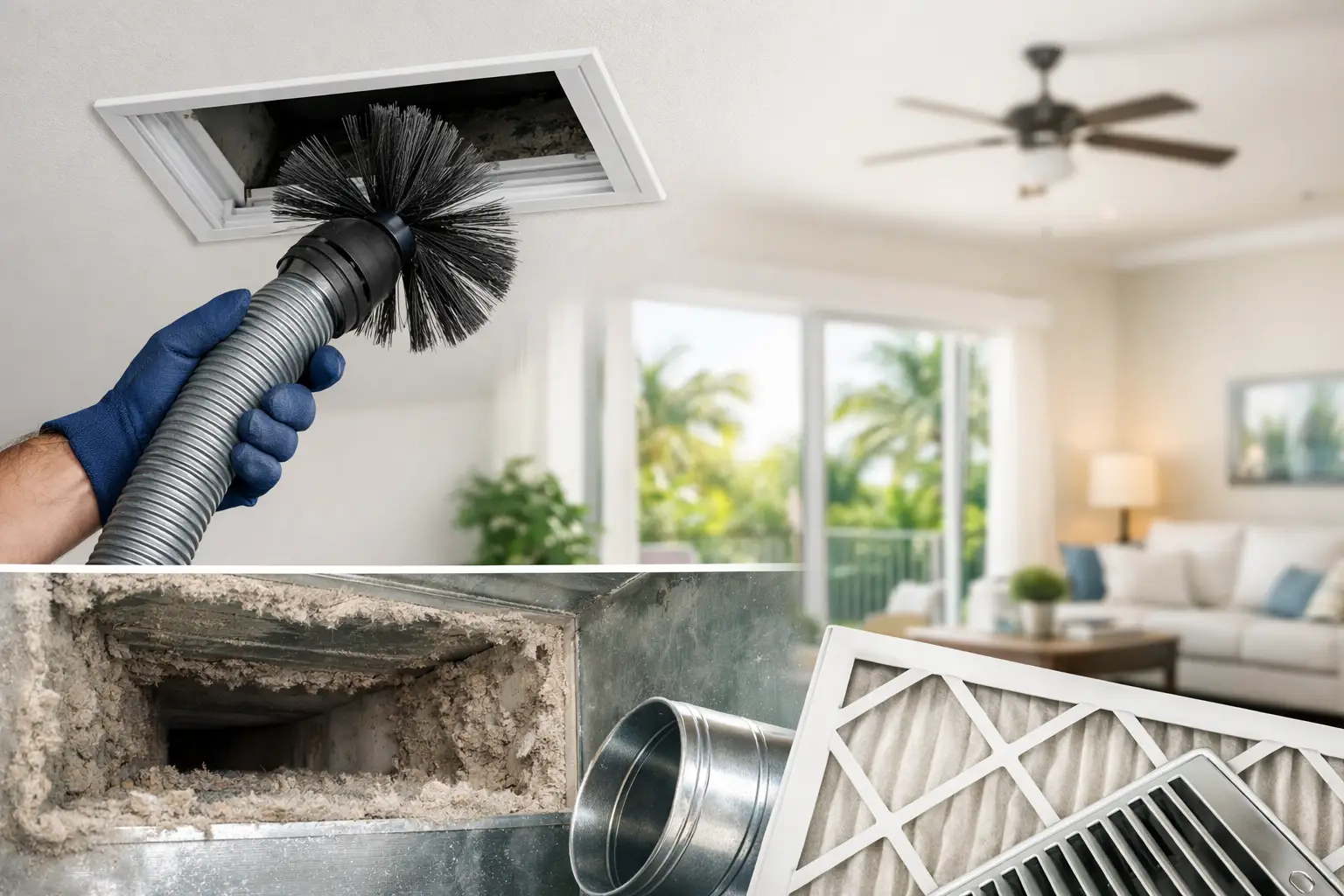
Duct cleaning is not a substitute for repairing active moisture intrusion or remediating confirmed mold growth. It can, however, remove accumulated dust and contaminants after the source has been addressed, improving the cleanliness of the air moving through your home. The right service should include a clear explanation of findings, mechanical cleaning where needed, and photo documentation so you can see what was addressed.
Daily Habits That Lower Indoor Moisture
Small household habits make a noticeable difference when Florida humidity is already working against your AC. Run the bathroom exhaust fan during showers and for at least 15 to 20 minutes afterward. Use the kitchen exhaust fan when boiling water or cooking. Avoid drying clothes indoors, and make sure the dryer vent is clean, connected, and exhausting outdoors.
A restricted dryer vent does more than slow down laundry. It can release heat and moisture into the home, reduce dryer efficiency, and create a fire risk. If clothes take more than one cycle to dry, the laundry room feels unusually hot, or you smell a burning odor, stop using the dryer and have the vent inspected.
Keep doors and windows closed when the AC is running, particularly during rainy afternoons. If you leave for an extended trip, do not turn the system off completely. Set the thermostat high enough to save energy while allowing the system or dehumidifier to maintain moisture control.
When to Call for Professional Help
A musty smell that keeps returning, visible mold, recurring drain clogs, condensation on vents, unexplained water stains, and humidity above 60% are all reasons to schedule an inspection. Families with asthma, allergies, young children, or older adults should be especially cautious about ongoing moisture and air-quality concerns.
A qualified technician should inspect the whole picture: airflow, filter condition, coil cleanliness, drain operation, duct condition, visible moisture sources, and the performance of the equipment. At The Ductors, the goal is to show homeowners what is happening inside the system, explain the options in plain language, and document the work completed so there are no unanswered questions.
Clean, comfortable air starts with controlling moisture before it becomes damage. Check your humidity level this week, listen for the warning signs your home is already giving you, and address the source early so your family can breathe easier through Florida’s longest cooling months.