A musty smell that starts when your air conditioner turns on is more than an unpleasant welcome home. In Tampa Bay and Central Florida, where AC systems run hard for much of the year, that odor often points to moisture sitting where it should not be. If you are asking, “why does HVAC smell musty,” the short answer is usually a combination of humidity, organic buildup, and limited airflow somewhere in the system.
The good news is that a musty odor does not automatically mean your home has a major mold problem. It does mean the source deserves attention. Ignoring it can allow the smell to spread through every room, make allergy symptoms more noticeable, and leave your HVAC system working harder than it needs to.
Why Does HVAC Smell Musty When the AC Runs?
Your HVAC system moves air across cold components, especially the evaporator coil inside the indoor air handler. Florida’s warm, humid air naturally carries a lot of moisture. When that moisture hits a cold coil, it condenses into water. That is normal. The system is designed to collect that water and drain it away.
Trouble starts when dust, pet dander, pollen, and other particles settle on damp surfaces. Organic material plus moisture can create an environment where mildew-like odors develop. The blower then carries that odor through the ductwork whenever the system starts.
Sometimes the smell appears only for the first few minutes after the AC comes on. Other times, it lingers all day. That difference can help narrow down the cause, but an inspection is the best way to confirm what is actually happening rather than guessing based on odor alone.
A Dirty Evaporator Coil
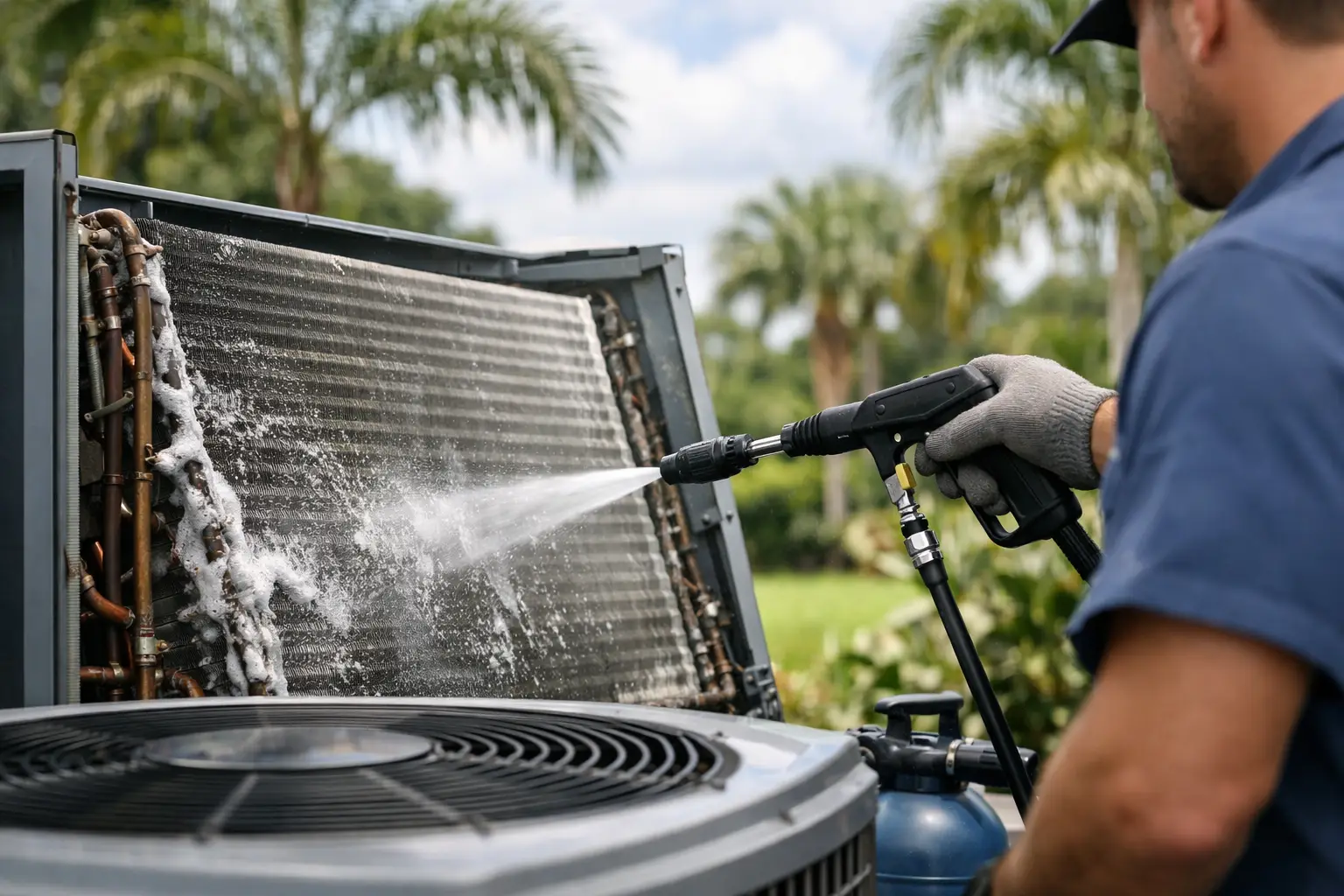
A dirty AC coil is one of the most common reasons for a musty HVAC smell. The coil’s job is to pull heat and humidity from indoor air. When its thin metal fins collect dust and residue, they can hold moisture longer and provide a surface for odor-causing buildup.
Coil buildup also affects comfort and cost. Air cannot move as easily across a restricted coil, which can reduce cooling performance and force the system to run longer. A professional coil cleaning removes the accumulated contamination without damaging delicate coil fins or washing debris farther into the equipment.
A Clogged Condensate Drain or Drain Pan
Water leaving the coil should travel through a condensate pan and drain line. If the line clogs with algae, sludge, or debris, water can back up or sit in the pan. Stagnant water is a frequent source of a damp, musty odor.
Look for warning signs near the air handler: water around the unit, discoloration on the ceiling below an attic installation, repeated drain-line backups, or a safety switch that shuts the AC off. These issues should be addressed promptly. Water leaks can damage surrounding materials and create a larger moisture problem outside the HVAC system itself.
Dirty Ductwork Holding Dust and Moisture
Ducts are not supposed to be wet. But in humid climates, small air leaks, poorly insulated ducts, condensation, or moisture entering through returns can introduce dampness. Once dust accumulates inside, it can trap odor and release it each time air passes through the system.
Duct cleaning is most useful when there is visible debris, evidence of moisture contamination, heavy dust blowing from vents, post-construction debris, pest-related material, or a persistent odor that remains after equipment issues are corrected. It is not a substitute for fixing an active leak or drainage issue first. Cleaning ducts while moisture is still present only treats part of the problem.
A Wet or Overdue Air Filter
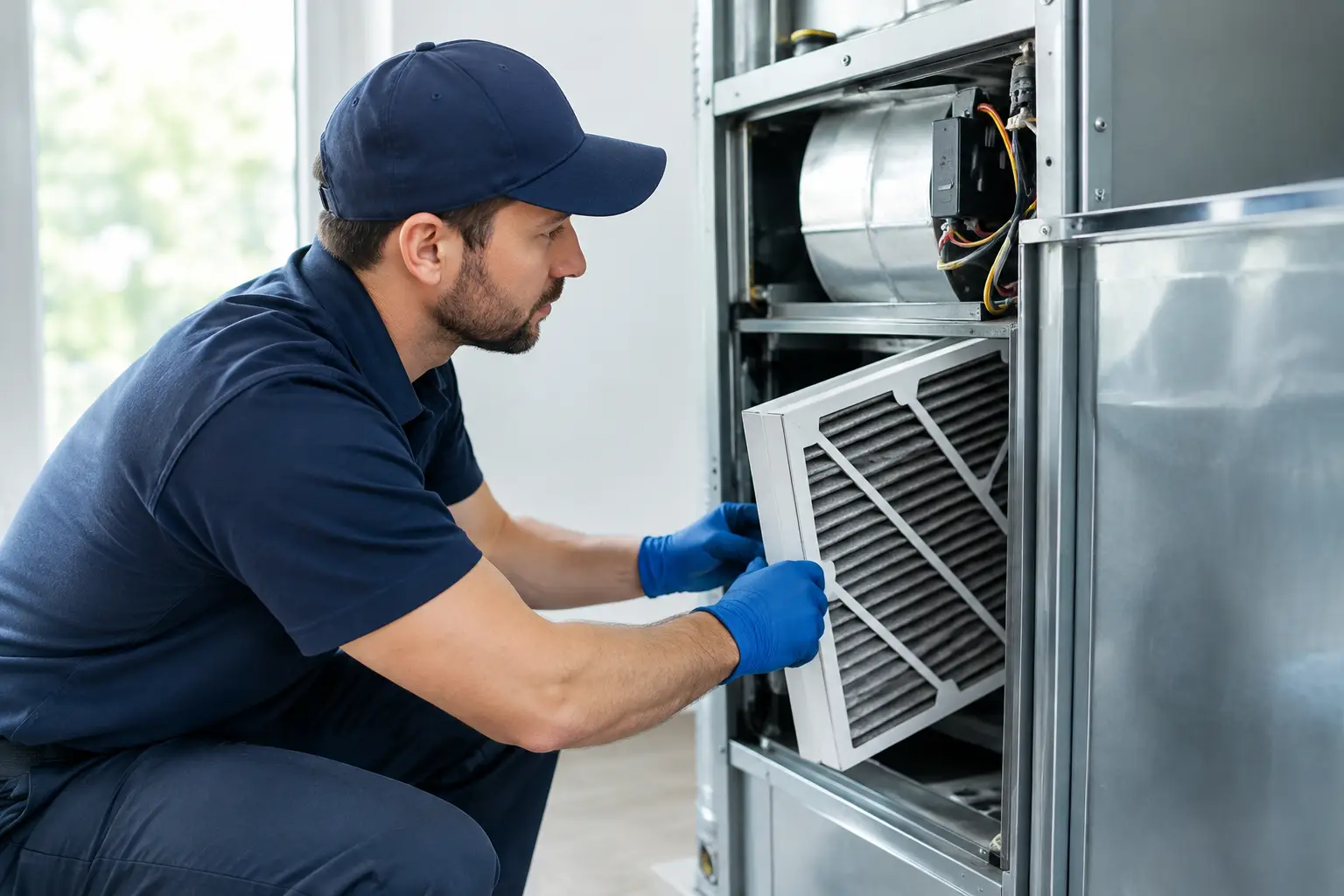
A loaded air filter can hold dust, pet hair, and indoor pollutants. If it becomes damp because of high humidity, a nearby leak, or improper installation, it may contribute to a stale smell and restrict airflow.
Check the filter before assuming the worst. If it is gray, matted, damp, or overdue for replacement, install the correct size and type recommended for your system. In homes with pets, allergies, frequent AC use, or renovation dust, filters often need attention more often than homeowners expect. A filter that is too restrictive can also reduce airflow, so more filtration is not always better unless your HVAC system can handle it.
Microbial Growth on Insulation or Building Materials
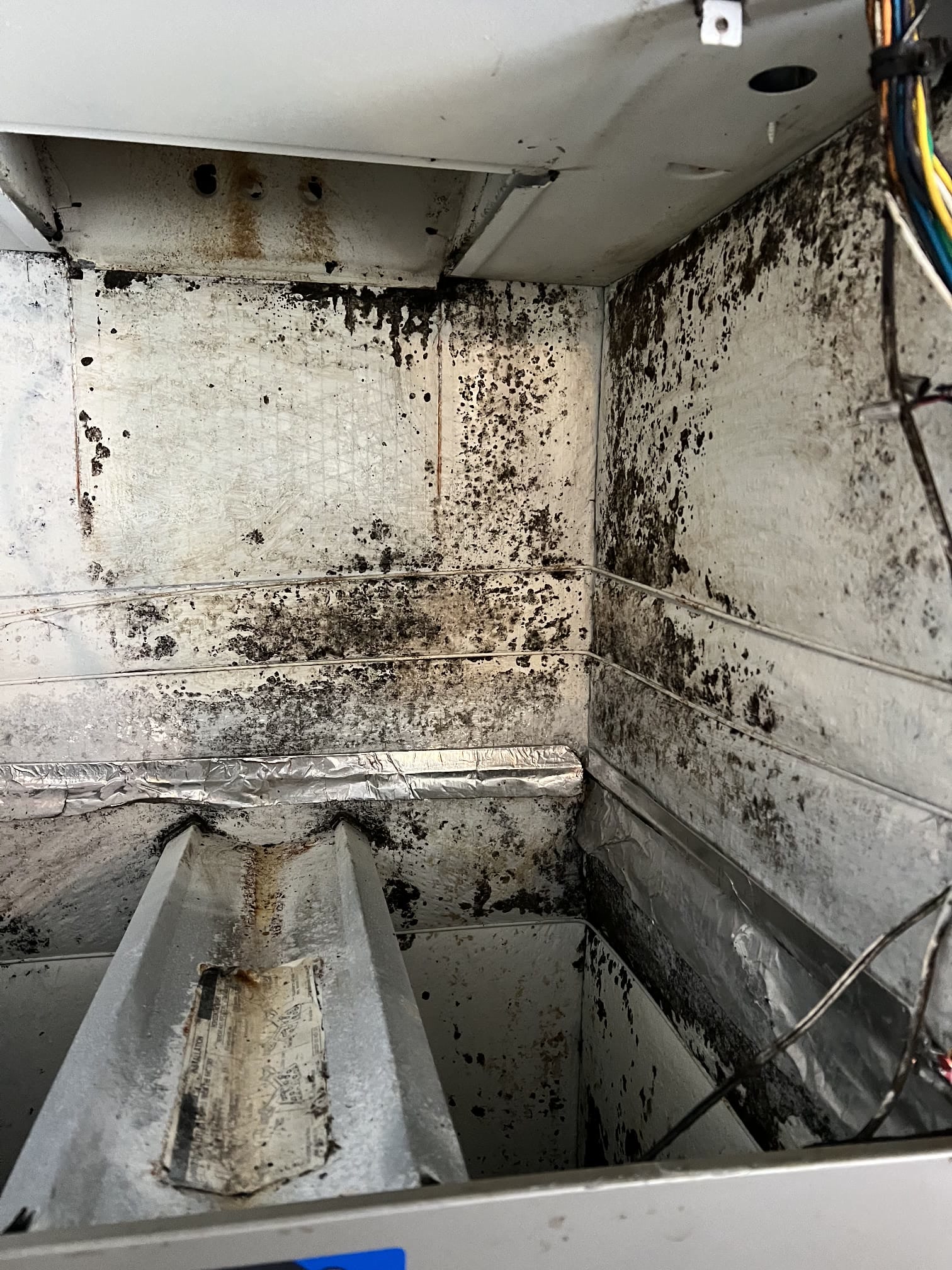
Musty air can come from areas around the HVAC system rather than from the ducts themselves. Wet insulation near an air handler, moisture in a return plenum, attic humidity, or a hidden plumbing leak may be the real source. In some cases, the odor becomes stronger when the blower operates because the system draws air from nearby spaces.
This is where a careful inspection matters. Visible spotting, damaged insulation, recurring moisture, or strong odors should not be covered up with fragrances or a quick spray. The moisture source needs to be corrected, affected materials evaluated, and the system cleaned or remediated based on the actual condition.
What to Do When Your HVAC Smells Musty
Start with the simple checks you can safely handle. Replace the filter if needed, make sure supply and return vents are open and unobstructed, and look around the indoor unit for standing water or obvious leaks. If you have a clear condensate drain outlet outside, you may notice slow drainage or no drainage while the system is cooling. Do not pour harsh chemicals into the equipment or take apart the air handler without training.
Pay attention to when the odor happens. A smell only at startup may suggest buildup on the coil or in the drain pan. An odor that grows worse during rainy weather can point to excess humidity or duct insulation issues. A smell present even when the HVAC is off may be coming from a separate moisture problem in the home.
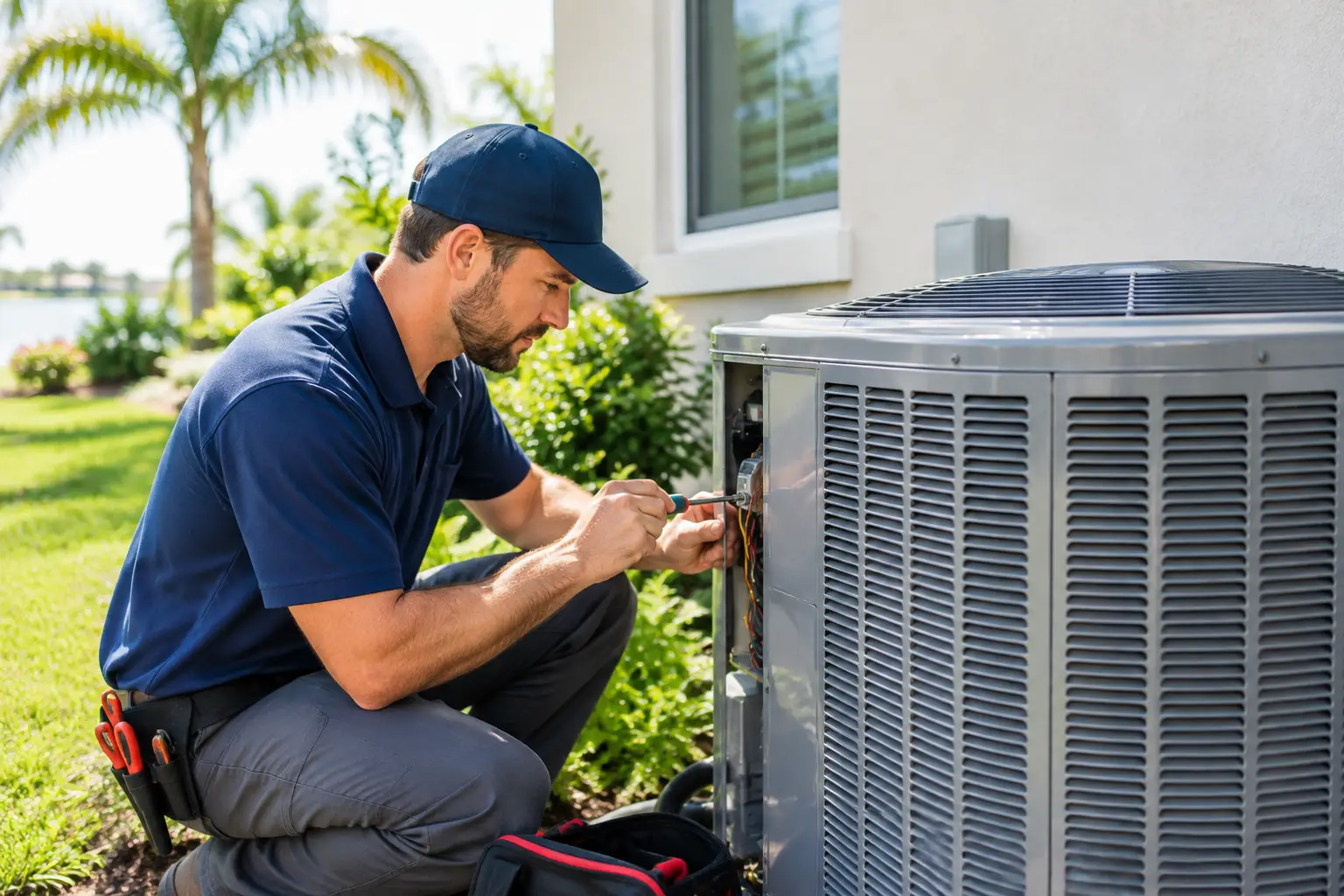
Call a qualified HVAC or indoor air quality professional sooner rather than later if you notice water damage, active leaking, visible growth, weak airflow, repeated drain clogs, or odors that return after a filter change. Families with asthma, allergies, young children, or older adults may reasonably choose to address a persistent odor faster, even when the cause is not yet obvious.
The Right Fix Is More Than Covering the Smell
Air fresheners, scented vent clips, and disinfectant sprays may temporarily mask an odor, but they do not remove the damp debris causing it. The effective solution depends on the findings. It may involve clearing and treating the condensate drain, deep cleaning the coil, removing contamination from ductwork, sanitizing appropriate system surfaces, repairing duct leaks, or addressing moisture-damaged materials.
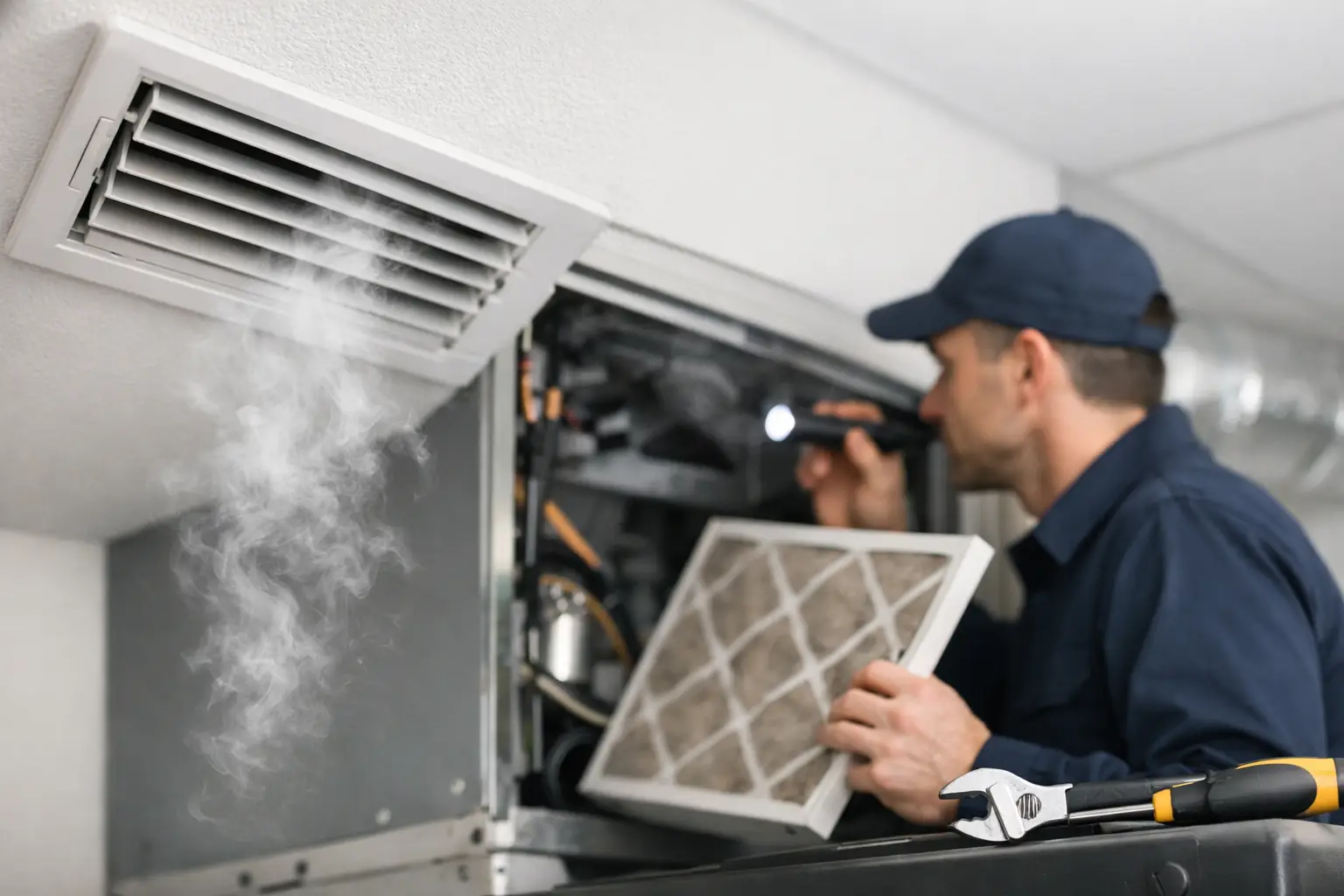
A thorough service process should begin with an inspection and a clear explanation of what the technician sees. Ask for photo documentation when practical, especially if the issue is inside the air handler or duct system. You should understand whether the recommended work is cleaning, repair, moisture control, or a combination of those steps.
For some Florida homes, UV-light installation may be discussed as an added measure near the coil. UV lights can be useful in the right application, particularly where moisture repeatedly affects coil surfaces. They are not a replacement for cleaning an already dirty coil, maintaining proper drainage, or correcting a humidity problem. The order matters: remove the source, clean the affected area, then consider prevention.
How to Keep Musty HVAC Odors From Returning
Prevention is mostly about managing moisture and keeping the system clean enough to drain and move air properly. Replace filters on schedule, keep condensate drains maintained, and have the AC system serviced before small deposits become heavy buildup. If your home feels clammy even when the thermostat is satisfied, ask whether humidity control, duct leakage, or oversized equipment may be contributing.
After water intrusion, roof leaks, plumbing leaks, or storm damage, do not overlook the HVAC system. Moisture in an attic or wall cavity can affect nearby returns and duct insulation long before it becomes visible inside living areas.
A musty AC smell is your home telling you to look closer. A professional inspection can replace uncertainty with clear evidence and a practical plan, so your family can get back to the comfort that clean, properly conditioned air is supposed to provide.