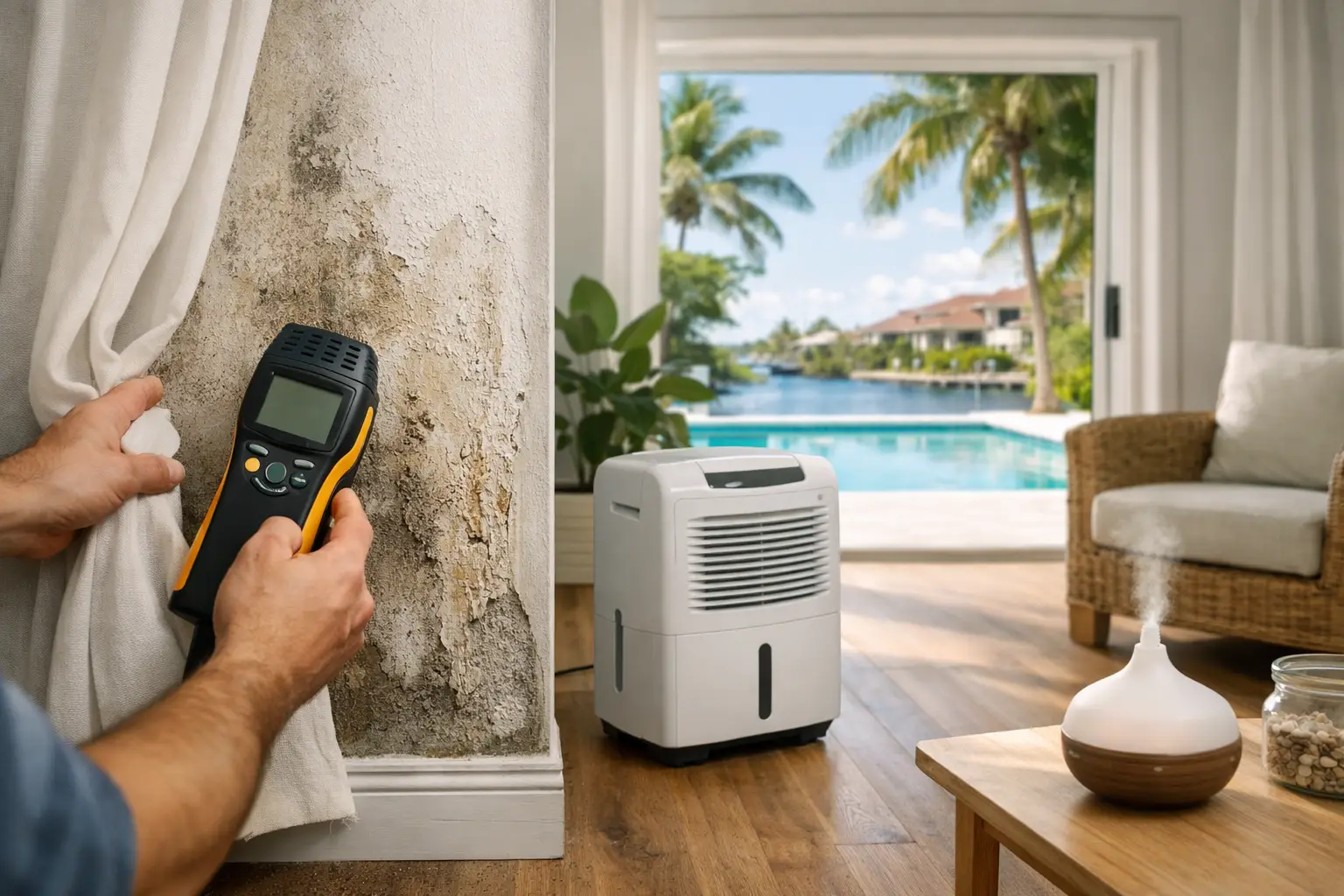
A musty smell is not just an inconvenience you cover with a candle or room spray. In a Florida home, it is often a warning that moisture, mold growth, stagnant air, or dirty HVAC components need attention. The best solutions for musty homes start by finding the source of the odor, then removing the conditions that allow it to return.
That matters in Tampa Bay and Central Florida, where long cooling seasons, high outdoor humidity, afternoon rain, and constant AC use create ideal conditions for moisture problems. If your home smells damp when the air conditioner turns on, after a storm, or when you open a closet that has been shut for a few days, treat the smell as useful information. Your home is telling you something needs to be checked.
Why a Home Starts Smelling Musty
Musty odors are usually caused by microbial growth or trapped humidity. Mold and mildew release compounds that create that familiar damp, earthy smell. The growth can be visible on a bathroom ceiling or under a sink, but it can also be hidden inside wall cavities, beneath flooring, around air handlers, or within a neglected ventilation system.
Florida homes also deal with condensation. Cold AC components meet warm, humid air, and water forms where it should not. A clogged condensate drain, wet insulation, dirty evaporator coil, leaking ductwork, or oversized air conditioner can all leave a home feeling clammy and smelling stale.
The goal is not to make the odor less noticeable. The goal is to dry the affected area, remove contamination where appropriate, and correct the moisture or airflow problem behind it.
Best Solutions for Musty Homes: Start With Moisture
The first question is simple: where is the water coming from? A deodorizer may provide a brief improvement, but it cannot solve an active leak, high indoor humidity, or a drain problem.
Check for obvious water sources
Look under sinks, around toilets, behind washing machines, at window frames, and near exterior doors. Check ceilings for stains, bubbling paint, or soft drywall. In garages, closets, and rooms near the air handler, look for damp spots and rust on nearby metal components.
After a heavy storm, inspect areas near the roofline and windows. If a musty odor appeared after water intrusion, drying the space quickly is critical. Small, recent moisture issues may be manageable with proper ventilation and dehumidification. Larger areas of wet drywall, insulation, carpet padding, or visible mold should be professionally evaluated rather than ignored.
Keep indoor humidity under control
Most homes feel more comfortable when indoor relative humidity stays roughly between 40% and 55%. In Florida, that can be difficult without a properly operating AC system and, in some homes, a dedicated dehumidifier.
If rooms feel cool but sticky, your system may be cooling the air without removing enough moisture. This can happen when the AC is oversized, cycles on and off too quickly, has airflow issues, or has a coil that needs cleaning. A portable dehumidifier can help in a problem room, but it is not always the right whole-home answer. If the odor returns throughout the house, the HVAC system and building moisture conditions deserve a closer inspection.
Improve airflow in enclosed spaces
Closets, guest rooms, bathrooms, and storage areas often develop musty odors because humid air gets trapped. Avoid packing closets so tightly that air cannot move. Run bathroom exhaust fans during showers and for a period afterward. Keep interior doors open when practical, especially in rooms with little use.
Be careful with closed-up vacation homes or spare rooms. Shutting off the AC entirely in a Florida property can allow humidity to rise quickly. Maintaining reasonable temperature and humidity settings helps protect furnishings, finishes, and indoor air quality.
Inspect the HVAC System Before Blaming the Ducts
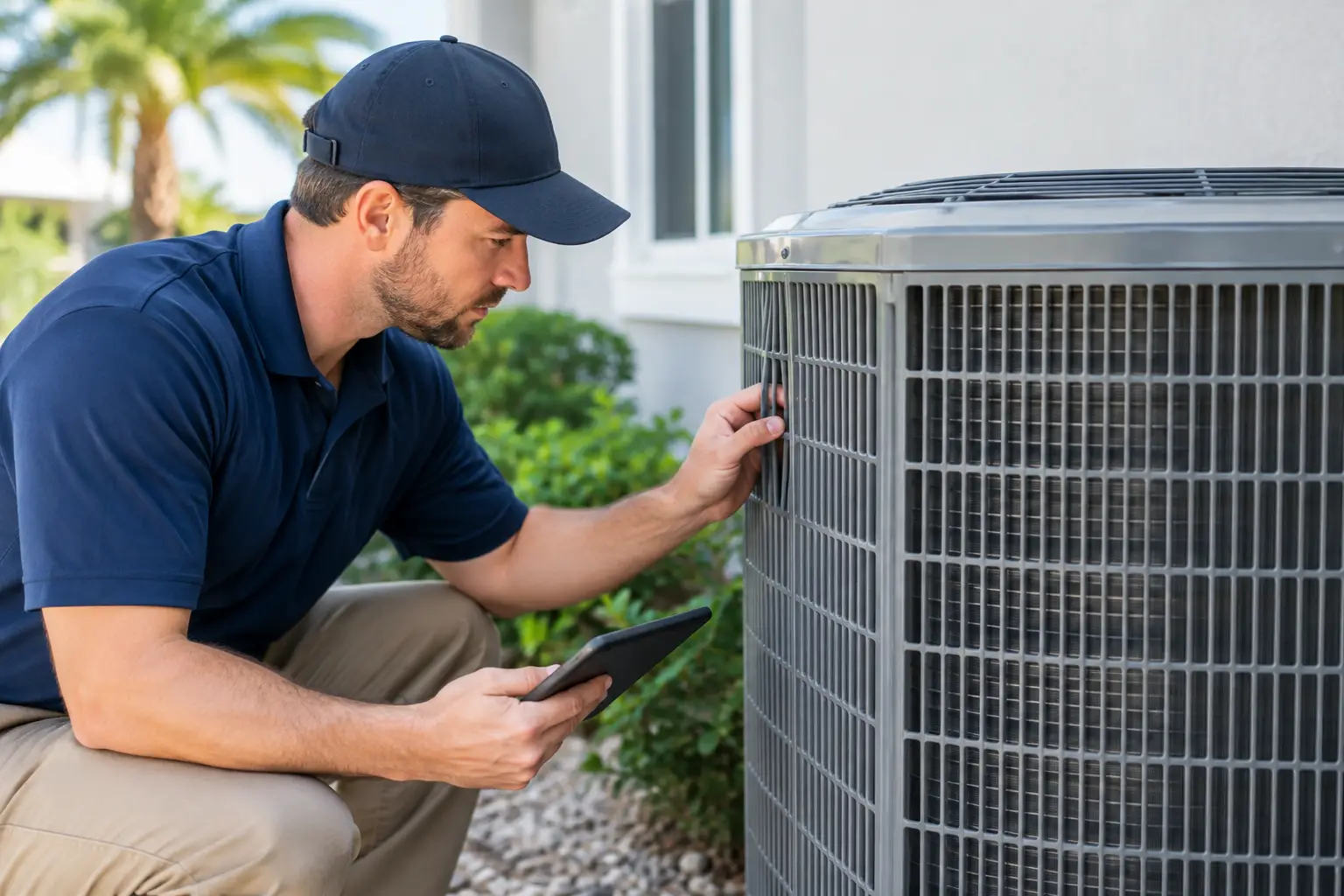
When the musty smell becomes stronger as the AC starts, the HVAC system is a likely part of the problem. That does not automatically mean every duct needs cleaning, but it does mean the system should be inspected instead of guessed at.
A dirty evaporator coil can hold dust and moisture, creating conditions for odors and reduced efficiency. A blocked condensate line can cause standing water near the air handler. Dirty return vents and ductwork can circulate dust, pet dander, and debris that worsen the stale-air feeling. Damaged or poorly sealed ducts may also pull humid, dusty air from attics, garages, or wall cavities into the system.
A professional inspection should look beyond the vent cover. Ask for a clear explanation of what was found, photos when possible, and practical recommendations based on your system’s condition. The right service may involve AC coil cleaning, drain maintenance, mechanical air duct cleaning, sanitization, or mold remediation. It depends on the source, not on a one-size-fits-all package.
Clean What Is Contaminated, Not Just What Is Visible
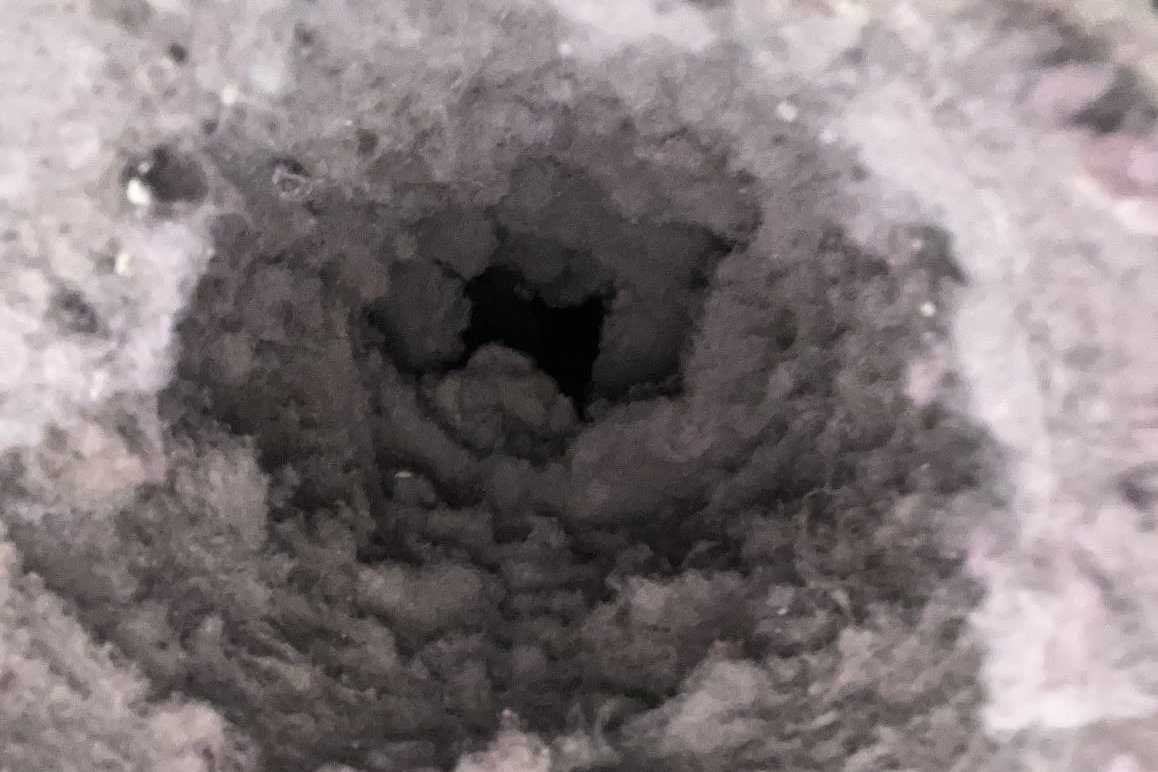
Surface dust is easy to spot. The material affecting odor and airflow is often deeper in the system. When duct cleaning is appropriate, it should involve controlled, mechanical removal of debris from supply and return ducts, not simply spraying fragrance into vents.
Professional HVAC cleaning can help remove built-up dust and contaminants that contribute to stale odors, especially in homes with pets, recent renovations, heavy AC use, or visible debris around registers. Coil cleaning is equally important when the coil has accumulated dirt that restricts airflow and holds moisture.
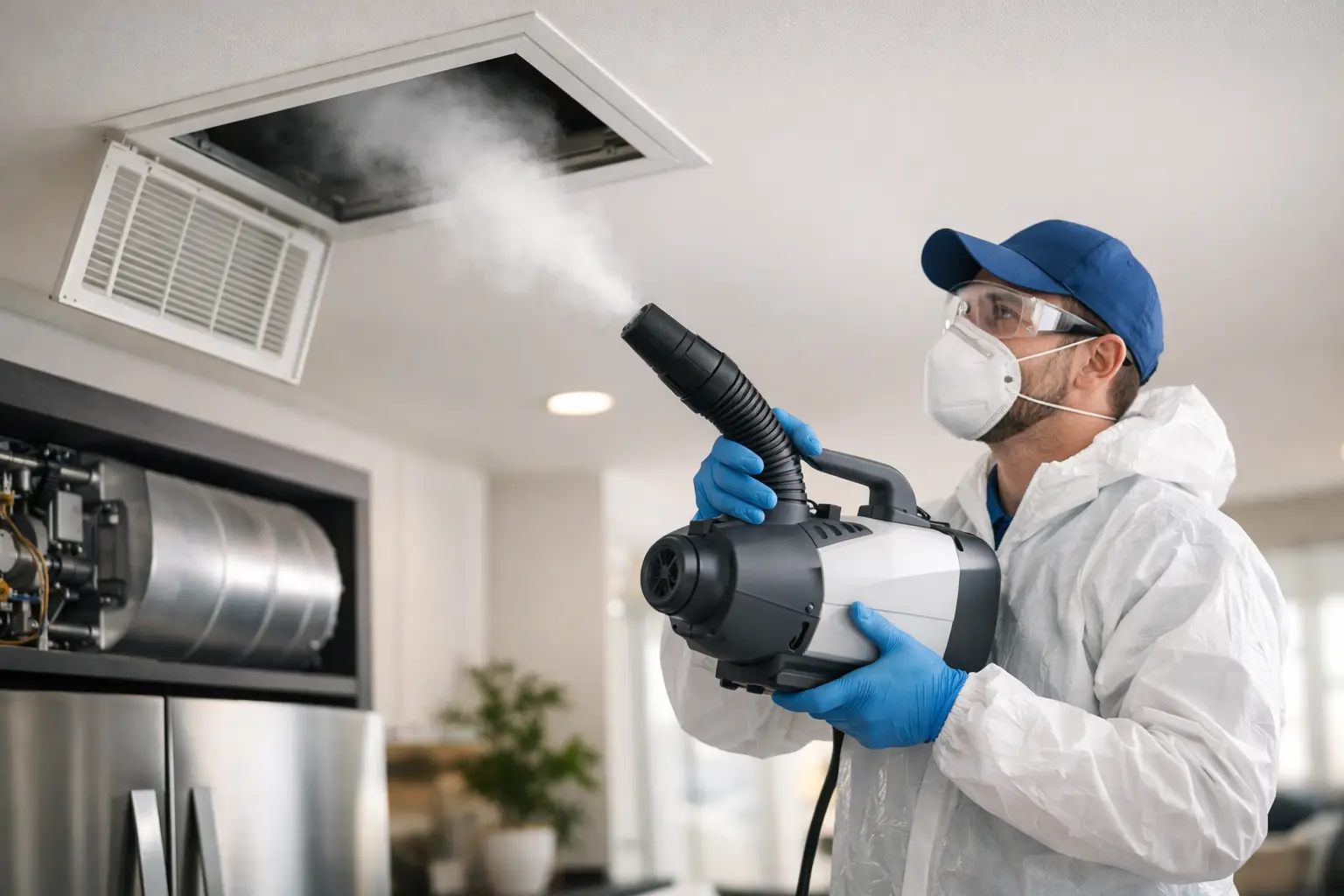
Sanitization can be useful after cleaning when a technician identifies conditions that warrant it. However, sanitizers are not a substitute for source removal. If water is still entering the system or humidity remains too high, the odor can return. A good service process addresses cleaning, moisture control, and verification together.
For homes with recurring biological growth concerns, UV light may be worth discussing. Installed in the right location by a qualified professional, it can support cleaner HVAC components over time. It is a maintenance tool, not a cure for leaks, wet materials, or an improperly sized AC system.
Do Not Forget the Dryer Vent
A neglected dryer vent can make a laundry room smell stale and humid, particularly when the dryer takes too long to dry clothing. Lint buildup restricts airflow, pushes moisture back into the room, and adds an unnecessary fire risk.
If you notice hot, damp air in the laundry room, lint around the exterior vent hood, or longer dry times, schedule dryer vent cleaning. This is one of the most practical home-maintenance services because it supports better dryer performance while reducing a known safety concern.
Know When Musty Odors Need Urgent Help
Some situations should not wait for a routine maintenance visit. Take quick action if you find a large visible mold area, standing water around the air handler, repeated ceiling leaks, wet carpet or drywall, sewage-related moisture, or an odor that causes persistent coughing, eye irritation, or breathing discomfort.
Do not disturb extensive mold growth by scrubbing it aggressively or running fans that may spread particles through the home. Keep children and sensitive family members away from the affected area when possible, stop the water source if it is safe to do so, and arrange a professional assessment.
A Practical Plan for a Fresher Home
A musty home rarely has a single universal fix, but the right sequence makes the process much easier. First, identify and stop moisture. Next, inspect the AC system, drains, coil, and accessible ductwork. Then clean or remediate the materials that are actually affected. Finally, maintain humidity and airflow so the conditions do not return.
The Ductors can help homeowners understand what is happening inside their ventilation system through clear inspections, professional cleaning, and documented findings. You should leave the appointment knowing what was cleaned, what caused the concern, and what maintenance will help protect your home moving forward.
A fresher-smelling home should not depend on stronger fragrances. It should come from dry spaces, clean airflow, and an HVAC system that helps your family breathe comfortably every day.