Air duct mold remediation is a five-phase process: inspect and test to confirm mold and find its moisture source, contain the work area with negative air pressure, remove contamination with HEPA-filtered equipment and mechanical agitation, apply EPA-approved sanitizing treatments, then repair, seal, and verify the system. In Tampa, Florida, where humidity, salt air, and hurricane season create near-perfect mold conditions, this work is best handled by a licensed local provider rather than a DIY wipe-down.
This guide walks through each step in the order a certified crew performs it, explains what the equipment does, and shows you how to choose a remediation provider in the Tampa Bay area. It expands on our companion article covering how professionals remove mold from HVAC ducts, with a deeper focus on the sequence itself.
What Is HVAC Mold Remediation?
HVAC mold remediation is the controlled removal of mold growth from ductwork, the air handler, and connected components, combined with fixing the moisture problem that caused it. It goes beyond standard air duct cleaning, which removes dust and debris but is not designed to treat active microbial growth.
Homeowners often search for air duct mold removal and remediation as if they were the same thing. Mold removal is one phase of the job; remediation is the whole sequence, removal plus the moisture fix and verification.
The distinction matters. Cleaning restores airflow and energy efficiency. Remediation restores a safe HVAC system and healthy indoor air quality. A mold job that skips the moisture fix is not remediation; it is a temporary cosmetic pass, and the growth returns.
The EPA treats roughly 10 square feet of visible mold as a practical guideline, not a legal limit, for when professional help is the smarter route. Ductwork complicates that math because most contamination hides where you cannot see it, so a proper mold inspection is the real deciding factor. See the EPA's mold guidance for the underlying framework.
Why Tampa and Central Florida Homes Are So Vulnerable
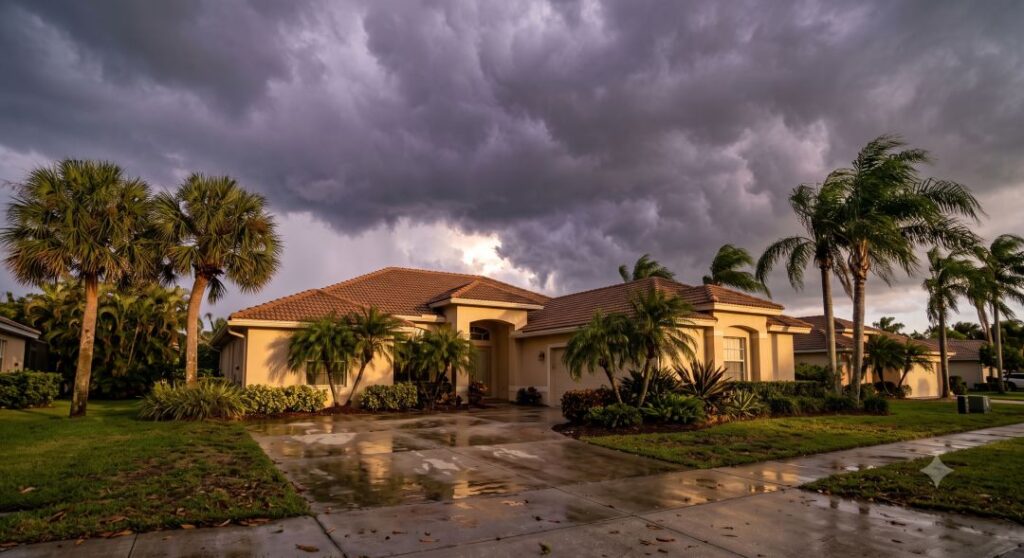
Tampa's climate stacks the deck in mold's favor. Outdoor humidity sits high for most of the year, so any duct leak pulls damp air into the system. Coastal salt air accelerates corrosion on metal components, opening gaps where condensation forms. Hurricane season adds roof leaks, wind-driven rain, and in low-lying neighborhoods, storm surge intrusion that can soak duct runs in attics, garages, and crawl spaces.
Mold spores are always present in Florida air. Give them moisture, dust as a food source, and a dark duct interior, and colonization can begin within 24 to 48 hours. That is why homes across Tampa Bay, St. Petersburg, and the Central Florida/Orlando corridor see duct mold at rates that surprise newcomers from drier states.
If you are not yet sure you have a problem, start with the warning signals in our guide to the signs of mold in your air ducts, then come back here for the fix.

Step-by-Step: How Professional Air Duct Mold Remediation Works
The sequence below reflects industry practice aligned with NADCA's ACR standard for HVAC assessment, cleaning, and restoration. Reputable crews follow it in order because each phase protects the next.
1
Mold Inspection and Testing
Every legitimate job starts with a mold inspection, and often mold testing, to confirm what you are dealing with and where it lives. Technicians use borescopes to see deep inside duct runs, thermal imaging to spot hidden moisture behind surfaces, and manometers to measure pressure differences that reveal leaks.
The inspection covers more than the ducts. The air handler, evaporator coil, blower assembly, and drain pan are the most common origin points because that is where condensation concentrates. Duct leak diagnostics at this stage identify exactly where humid outside air is being pulled in.
A written scope of work should come out of this phase. Mold inspection & testing done properly tells you what gets cleaned, what gets replaced, and what moisture repair is required.
2
Containment and Negative Air Pressure
Before anyone scrubs anything, the work area is isolated. Crews seal vents and registers, hang plastic containment where needed, and run negative air machines fitted with HEPA filtration. Negative pressure keeps disturbed mold spores flowing into the machine's filter instead of drifting into your living space.
This is the step cheap/unlicensed duct cleaners most often skip, and it is the most dangerous omission. Agitating a mold colony without containment can spread more spores through the house in one afternoon than the colony released in a year. Worker protection practices during this phase follow OSHA guidance on respiratory protection and containment procedures.
3
Source Removal With HEPA Equipment and Mechanical Agitation
With containment running, the crew performs the physical removal. HVAC duct cleaning at remediation level combines mechanical agitation tools, such as rotating brushes and air whips, with HEPA-filtered vacuum collection so that dislodged material is captured rather than redistributed.
Component-level work happens in the same phase. Evaporator coil cleaning removes the biofilm where growth typically starts. Blower motor cleaning clears the fan assembly that pushes air through the whole system. Air filter cleaning or, more often, outright filter replacement closes out the mechanical pass.
Porous materials that cannot be cleaned, such as saturated internal duct liner or moldy flex duct, are removed and replaced. No chemical treatment rescues a porous surface that mold has fully colonized.
4
EPA-Approved Sanitizing and Duct Fogging
After physical removal, surfaces are treated with EPA-registered antimicrobials applied at label rates. Duct fogging distributes the sanitizer as a fine mist that reaches interior surfaces brushes cannot, which is why fogging follows agitation rather than replacing it.
Two optional upgrades belong in this phase. A mold-resistant duct treatment coats cleaned surfaces to make future colonization harder. UV-C lamps installed at the coil bathe the dampest part of the system in germicidal light, suppressing regrowth between maintenance visits.
5
Repair, Duct Sealing, and Verification
Remediation ends by closing the moisture loop. Air duct repair addresses crushed, disconnected, or corroded runs. Duct sealing closes the gaps and seams that were pulling in humid air; comprehensive air duct leakage diagnostics & repair at this stage typically improves airflow and cuts cooling costs, a meaningful energy efficiency gain in a Florida summer.
Finally, the crew verifies the work. That means visual re-inspection of cleaned surfaces, confirmation that drain lines flow and the drain pan sits correctly, and in some cases post-remediation mold testing by a third party. You should receive before-and-after documentation, not just an invoice.

Residential vs. Commercial Mold Remediation
The five phases stay the same across property types, but scale and logistics change.
Residential mold remediation and residential air vent cleaning usually wrap in a single day. Crews work around your household schedule, and residential vent cleaning access points are standardized and easy to reach.
Commercial mold remediation is a different logistics problem. Commercial air duct cleaning and commercial HVAC duct cleaning often run after hours to avoid disrupting tenants, involve rooftop units and long trunk lines, and may require coordination with property management and documentation for insurers. Industrial duct cleaning and industrial ventilation cleaning add process exhaust, larger negative air setups, and stricter compliance paperwork.
DIY vs. Budget Operators vs. Certified Professionals
| Factor | DIY mindset | Cheap/unlicensed duct cleaners | Certified professional crew |
|---|---|---|---|
| Containment | None | Rarely used | Negative air machines, sealed registers |
| Equipment | Household vacuum, wipes | Shop vac, basic brush | HEPA vacuums, agitation tools, borescopes |
| Sanitizing | Retail sprays | Fogging without cleaning | EPA-approved sanitizing after source removal |
| Moisture fix | Usually skipped | Usually skipped | Duct sealing and repair included in scope |
| Risk | Spreads mold spores | Spore spread plus duct damage | Documented, verified result |
The DIY temptation is understandable, and for a small patch of surface mildew on a register cover, a careful homeowner can manage. Inside the ductwork is different territory. Disturbing growth without containment turns a local problem into a whole-house one, and household products cannot reach the coil, plenum, and interior duct surfaces where the colony actually lives.

How to Choose a Mold Remediation Provider in Tampa
Local Tampa/Orlando HVAC companies vary enormously in how they handle mold work, so vet before you book. Look for these markers:
- Proper licensing and insurance for mold work in Florida. Ask for license numbers and verify them. Florida regulates mold remediation specifically.
- NADCA membership or adherence to the NADCA ACR standard. This signals the crew follows a recognized method rather than an improvised one. The NADCA directory is a useful cross-check.
- Availability that matches the urgency. Mold worsens daily in Florida humidity, so providers offering exceptional availability with same-day service options, the kind of company that strives to never say no to a job, can matter when a musty odor appears mid-summer.
- Accountability in writing. Favor companies with a stated customer satisfaction guarantee whose technicians will return and re-clean if you are not happy with the result. A guarantee changes the incentive structure in your favor.
- Advanced, specialized equipment. HEPA collection, negative air, borescope inspection, and coil-safe agitation tools protect your HVAC system from the damage that aggressive generic tools can cause.
- A moisture answer, not just a cleaning quote. If the estimate does not mention the leak, the drain, or the humidity source, keep looking.
For homeowners in the Tampa Bay area, a provider offering dedicated disinfection and mold remediation in Tampa as a defined service line, rather than an add-on, is generally the safer starting point.
Keeping Mold Out After Remediation
Remediation buys you a clean system. Maintenance keeps it that way.
- Temperature & humidity control. Keep indoor relative humidity below 60 percent, ideally 30 to 50 percent. In Tampa that usually means running the AC consistently and considering a dehumidifier for problem zones.
- Filter discipline. Replace filters on schedule so dust, the food source, stays out of the ducts.
- Annual coil and drain checks. The evaporator coil and drain pan are the regrowth hot spots; inspect them before each cooling season.
- Dryer vent cleaning. A clogged dryer vent dumps warm, moist air into the home, feeding exactly the humidity you are trying to control. Bundled air duct and dryer vent cleaning visits handle both risks in one appointment.
- Post-storm inspections. After any hurricane season event with roof damage or flooding, have ducts checked before mold has its 24 to 48 hour head start.
Cleaner ducts also pay off beyond mold prevention. Households often notice fewer allergy symptoms once contaminants stop circulating, a connection we cover in our article on Tampa air duct cleaning for allergy relief.

Frequently Asked Questions
How long does air duct mold remediation take in Tampa?
Most single-family homes are completed in 4 to 8 hours. Larger homes, heavy contamination, or duct replacement can extend the job to two days. Commercial projects are scoped case by case.
Can I stay home during the remediation?
Usually yes. Containment and negative air pressure isolate the work zone. Sensitive individuals, infants, and anyone with respiratory conditions may prefer to be out of the house during the agitation and fogging phases.
Does mold remediation fix musty smells permanently?
It does when the moisture source is corrected. The musty odor comes from gases released by active growth, so removing the colony and sealing the leaks eliminates it. If the smell returns, moisture is returning, and the system should be re-inspected.
Is mold testing required before remediation?
Not always. When mold is visibly confirmed, the EPA notes that knowing the species rarely changes the removal method. Testing earns its cost when contamination is suspected but not visible, when documentation is needed for a real estate transaction or insurance claim, or for post-remediation verification.
Key Takeaways (TL;DR)
The short version
- Remediation is a five-phase sequence: mold inspection and testing, containment with negative air, HEPA source removal, EPA-approved sanitizing with duct fogging, then air duct repair, duct sealing, and verification.
- Tampa's climate is the multiplier. Humidity, salt air, and hurricane season give mold spores everything they need, so Florida homes need faster response and better moisture control than homes in dry climates.
- Cleaning is not remediation. Standard duct cleaning removes dust; remediation removes active growth and fixes the moisture source. A fogging-only quote is a red flag.
- Containment is non-negotiable. Skipping negative air pressure spreads spores house-wide, which is the core failure of the DIY mindset and of cheap/unlicensed duct cleaners.
- Vet providers on licensing, NADCA-aligned methods, same-day availability, a re-clean satisfaction guarantee, and specialized equipment that protects rather than damages your HVAC system.
- Prevention is maintenance: humidity below 60 percent, on-schedule filters, coil and drain checks, dryer vent cleaning, and post-storm inspections keep indoor air quality where remediation left it.
This guide is reviewed periodically to reflect current EPA, NADCA, and OSHA guidance and Florida market conditions.