
A dryer that suddenly takes two or three cycles to finish a normal load is not just frustrating. It can be a warning that hot, moisture-heavy air is trapped in the vent line instead of leaving your home. Understanding the top causes of blocked dryer vents helps Florida homeowners catch a preventable fire and efficiency problem before it turns into damaged clothing, higher utility bills, or a dryer breakdown.
In Tampa Bay and Central Florida, dryers work hard year-round. High humidity means each load starts with more moisture in the air, and long vent runs through attics, garages, or exterior walls can make a small restriction more serious. The good news is that most blockages have clear causes and early warning signs.
Lint Buildup Beyond the Lint Screen
Cleaning the lint screen after every load is essential, but it does not remove all lint from the dryer system. Fine fibers pass through the screen and settle inside the transition hose, vent pipe, elbows, and exterior termination. Over time, that buildup narrows the path for exhaust air.
Lint is highly combustible. When airflow drops, the dryer can run hotter and longer, creating conditions no homeowner wants near a laundry room. A clean lint screen does not prove the vent line is clean, especially if the dryer has been in place for years or serves a busy household.
Fabric softener sheets and dryer-sheet residue can make the problem worse. The screen may look clear but develop a nearly invisible coating that restricts airflow. If water pools on the screen instead of passing through it, wash it gently with warm water and mild dish soap, then let it dry completely before reinstalling it.
Crushed, Kinked, or Unsafe Vent Connections
The short duct behind the dryer is easy to overlook because it is out of sight. When a dryer is pushed too close to the wall, the connector can become crushed or sharply kinked. Even a partial pinch reduces airflow and creates a convenient place for lint to collect.
Older homes may also have thin plastic or flexible foil connectors. These materials can sag, tear, trap lint in their ridges, and are not a good choice for carrying hot dryer exhaust. A properly installed, rigid or semi-rigid metal connection with a short, smooth route is generally easier to keep clear.
This is one reason a visual inspection matters. Homeowners often focus on the outdoor vent cover while the primary restriction is hiding directly behind the appliance. Moving a dryer without care can damage the connection, so it is wise to have the setup checked if the space is tight or the ducting is difficult to access.
Long Vent Runs and Too Many Turns
Some dryer vents travel only a few feet to an outside wall. Others cross a garage, run through an attic, or make several turns before reaching the exterior. The longer and more complicated the route, the more opportunities there are for lint and moisture to settle inside.
Every elbow adds resistance to airflow. A vent with multiple sharp turns may need more frequent service than a short, straight run, even when the household cleans the lint screen consistently. This is especially common in larger homes, condos, and properties where the laundry room sits near the center of the floor plan.
A professional inspection can identify whether the vent route is contributing to repeat clogs. Sometimes cleaning is all that is needed. In other cases, a damaged section, unnecessary turn, disconnected joint, or poor termination design needs attention to restore reliable airflow.
Outdoor Vent Covers Blocked by Debris or Pests
Your dryer has to release air outdoors, and the exterior vent cover is the final point of exit. If its flap cannot open freely, the entire system backs up. Lint can mat around the hood, while landscaping debris, mulch, dust, or windblown leaves can gather at ground-level terminations.
Florida’s warm climate also makes exterior vents attractive to insects and small animals. Birds may try to nest in a protected vent hood, and pests can leave debris that blocks the opening. A screen placed over the outlet might appear helpful, but it can catch lint quickly and create its own restriction. The termination should allow exhaust to exit freely while remaining properly protected.
Check the outside vent while the dryer is running. You should feel a steady flow of warm air, and the flap should open. Weak airflow, no movement at the flap, or visible lint around the cover deserves prompt attention.
Moisture, Humidity, and Lint That Clumps Together
Florida humidity does not create lint, but it can make an existing airflow problem more stubborn. When damp exhaust air cannot move through the vent efficiently, moisture can combine with lint and dust to form dense clumps. Those clumps adhere to bends and rough interior surfaces more easily than dry lint alone.
Condensation can also occur in vent runs that pass through unconditioned spaces. An improperly routed or poorly supported duct may sag, allowing moisture and lint to collect in low spots. That damp environment can contribute to musty odors and, in some situations, microbial growth around the vent path.
If your laundry room feels unusually humid, smells musty after drying, or shows condensation on nearby surfaces, do not assume the dryer itself is the only issue. The vent system needs to be evaluated as part of the diagnosis.
Laundry Habits That Put More Stress on the Vent
A blocked vent is usually a system issue, but everyday laundry habits can speed up buildup. Very large loads may not tumble efficiently, causing longer dry times. Heavy items such as towels, blankets, pet bedding, and washable rugs shed substantial lint and hold more moisture than lightweight clothing.
Using the same dryer for frequent back-to-back loads also gives a developing restriction more opportunity to overheat the appliance. This does not mean you should avoid doing laundry. It means slow drying is a maintenance signal, not something to solve by repeatedly adding time to the cycle.
If you regularly dry high-lint items, clean the screen between loads when needed and pay closer attention to performance changes. A dryer should not need multiple cycles to handle a typical load when its vent system is clear and properly installed.
Warning Signs You Should Not Ignore
Most dryer vent problems announce themselves before a complete blockage occurs. Pay attention if clothes take longer to dry, the dryer cabinet feels unusually hot, or the laundry room becomes warm and humid during a cycle. A burning smell, scorching odor, or a dryer that shuts off before the load is dry calls for immediate action.
Other signs include little airflow at the outside vent, lint collecting around the dryer connection, excessive lint on clothing, and a vent flap that stays closed while the dryer runs. If you notice a burning odor or suspect overheating, stop using the dryer until the cause has been inspected. Continuing to run it can increase the fire risk and put extra strain on the heating system, motor, and sensors.
A Practical Maintenance Plan for Florida Homes
Start with the basics: clean the lint screen after every load, keep the area behind the dryer free of stored items, and occasionally inspect the exterior vent cover for visible debris. These small habits support airflow, but they cannot replace cleaning the full vent line.
How often professional dryer vent cleaning is needed depends on the length of the run, number of dryer loads, type of laundry, and condition of the ductwork. A large family using the dryer daily may need more frequent attention than a one-person household with a short, straight vent. If dry times are increasing, do not wait for a calendar reminder.
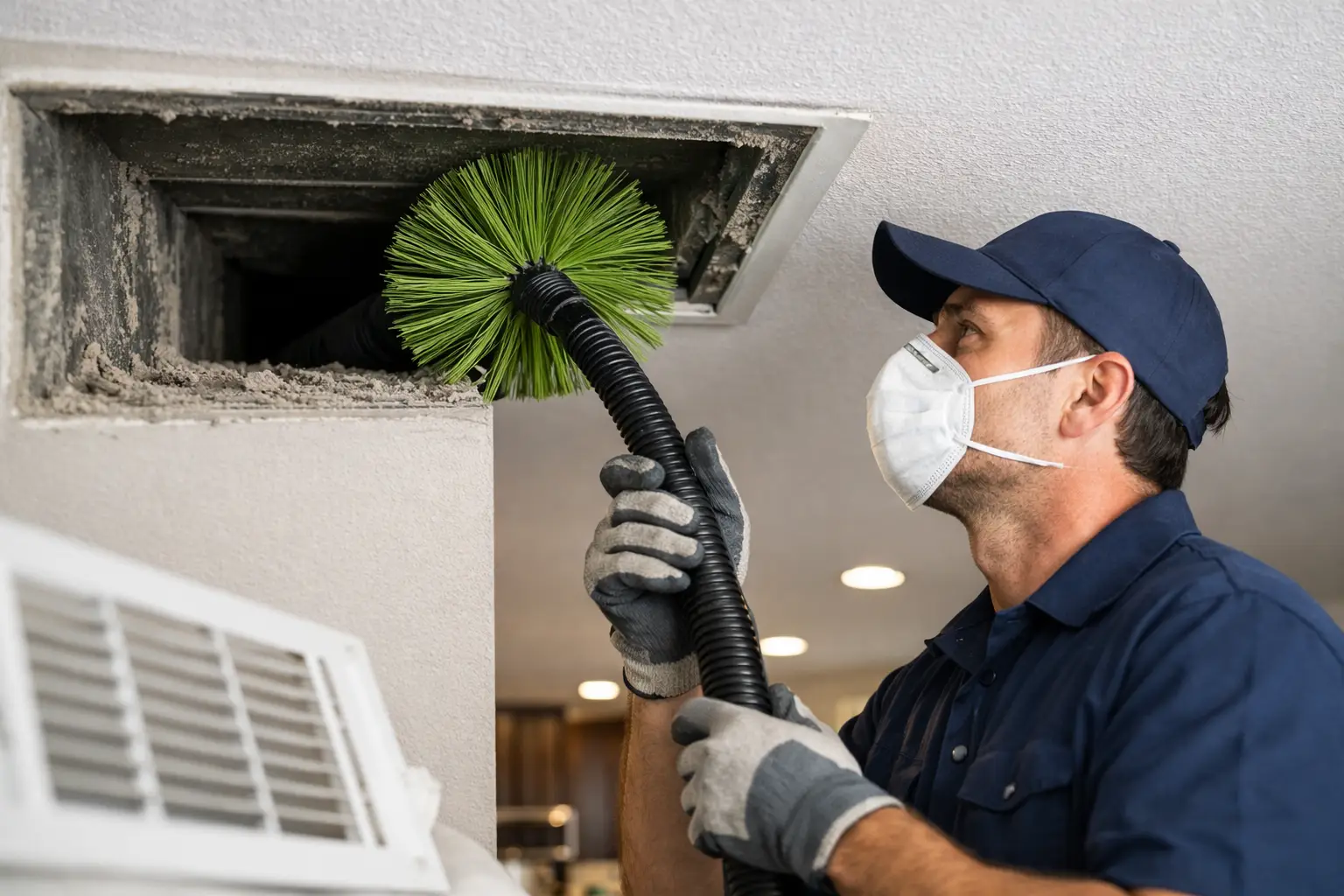
A thorough service should include inspection of the vent route, mechanical removal of lint and debris, checks for disconnections or damaged sections, and verification that airflow reaches the exterior. At The Ductors, clear communication and before-and-after findings help homeowners understand what was removed and whether the system needs additional correction.
A dryer vent is easy to forget because most of it sits behind walls or appliances. Treat slow dry times as your home asking for attention. Addressing the restriction early can help protect your family, keep laundry moving, and give your dryer the airflow it needs to do its job safely.