A musty smell that starts when your AC turns on is more than a comfort problem. In Florida homes, it can point to moisture sitting where it should not, dust and debris feeding odor-causing growth, or an HVAC component that needs attention. Knowing how to remove duct odors starts with finding the source instead of covering it up with candles, sprays, or stronger air fresheners.
A clean-smelling home should not be a guessing game. If the odor returns every time the system runs, treat it as a signal to inspect the equipment and air pathways that move through your home every day.
What Type of Duct Odor Are You Smelling?
The character of the smell can help narrow down the problem. A damp, earthy, or mildew-like odor is common in Tampa Bay and Central Florida because air conditioners remove large amounts of humidity. When drainage, insulation, coils, or ductwork stay wet, odors can develop quickly.
A dusty or stale odor may be caused by built-up particles in return vents, ducts, filters, or the blower area. If the smell resembles dirty socks, microbial buildup on the evaporator coil is a frequent culprit. This odor often becomes stronger when the cooling cycle starts because air passes directly over the coil.
Burning, electrical, or chemical-like odors require a different response. Turn the system off and contact a qualified HVAC professional promptly. Do not keep running equipment that smells hot, smoky, or like melting plastic. A dead-animal odor, sewage smell, or gas-like odor also calls for a professional inspection, since the source may not be inside the duct system at all.
How to Remove Duct Odors Without Just Masking Them
Odor sprays may make a room smell better for an hour, but they do not remove what is causing the problem. Effective odor removal means addressing moisture, contamination, airflow, and the condition of the HVAC system.
Start With the Air Filter and Return Vents
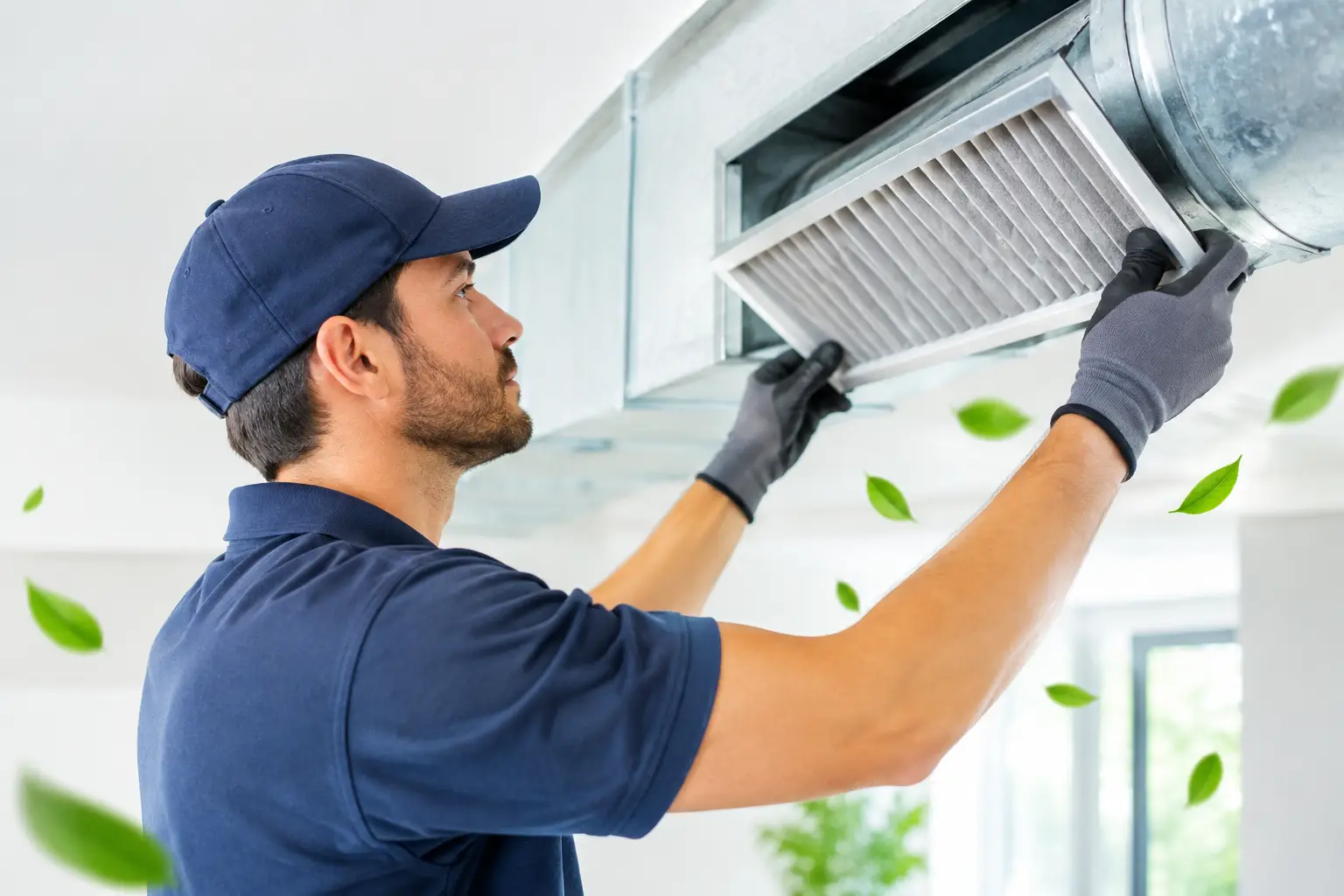
Check the filter first. A clogged filter holds dust, pet dander, and humidity-related debris while restricting airflow. That restriction can make the system work harder and leave odors lingering longer in the home. Replace a dirty disposable filter with the correct size and rating recommended for your system.
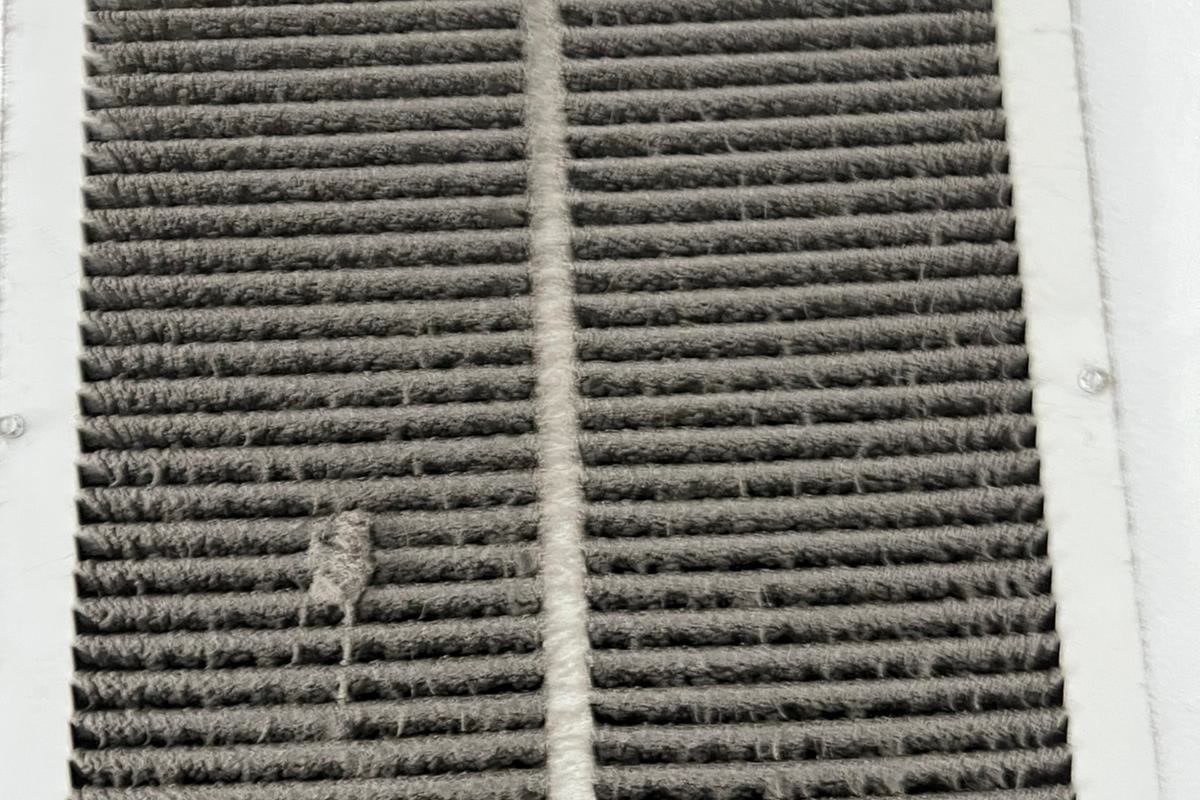
Then look at return grilles and nearby surfaces. Vacuum visible dust with a brush attachment and wipe the grille with a lightly damp microfiber cloth. Avoid spraying liquids through the vent opening. Household cleaners can enter the system, leave residue, or create a stronger chemical smell when the AC runs.
If a clean filter improves airflow but the odor remains, the source is likely farther inside the system.
Check for Standing Water and Drain Problems
Your AC creates condensation as it cools the air. That water should travel through the condensate drain line and out of the home. A clogged drain line, backed-up pan, or poorly maintained drain system can create a damp smell that spreads through the vents.
Look for water around the indoor air handler, stains near the ceiling below an attic unit, or a drain pan that is holding water. These signs deserve quick attention. Moisture can lead to odors, water damage, and conditions that support mold growth.
Homeowners can keep the area around the air handler clean and make sure the drain outlet is not blocked outdoors. But if you see standing water, recurring clogs, or visible growth, have the system inspected. The fix may involve clearing the drain, correcting drainage issues, cleaning the coil, or addressing a larger humidity problem.
Have the Evaporator Coil Evaluated
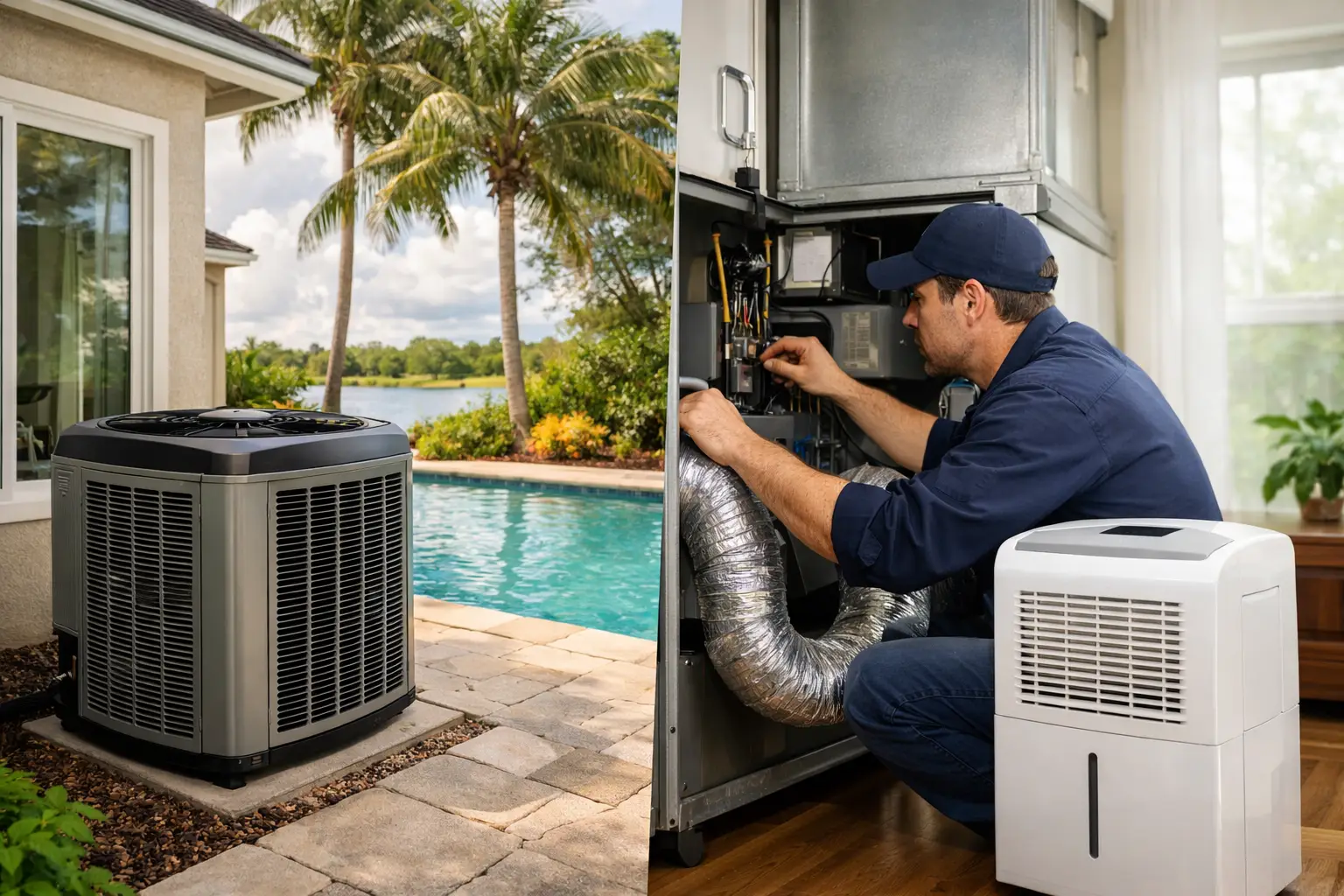
The evaporator coil is one of the most common hidden sources of AC odors. It is damp by design, and over time it can collect dust, biofilm, and fine debris. When conditioned air moves across that buildup, the odor travels into every room served by the system.
Coil cleaning is not the same as changing a filter. The coil is delicate, difficult to access, and connected to important parts of the HVAC system. Professional cleaning removes buildup while protecting the fins and helping restore proper airflow. For homes with persistent musty or dirty-sock odors, this step can make a noticeable difference in both air freshness and system performance.
Clean Contaminated Ductwork Properly
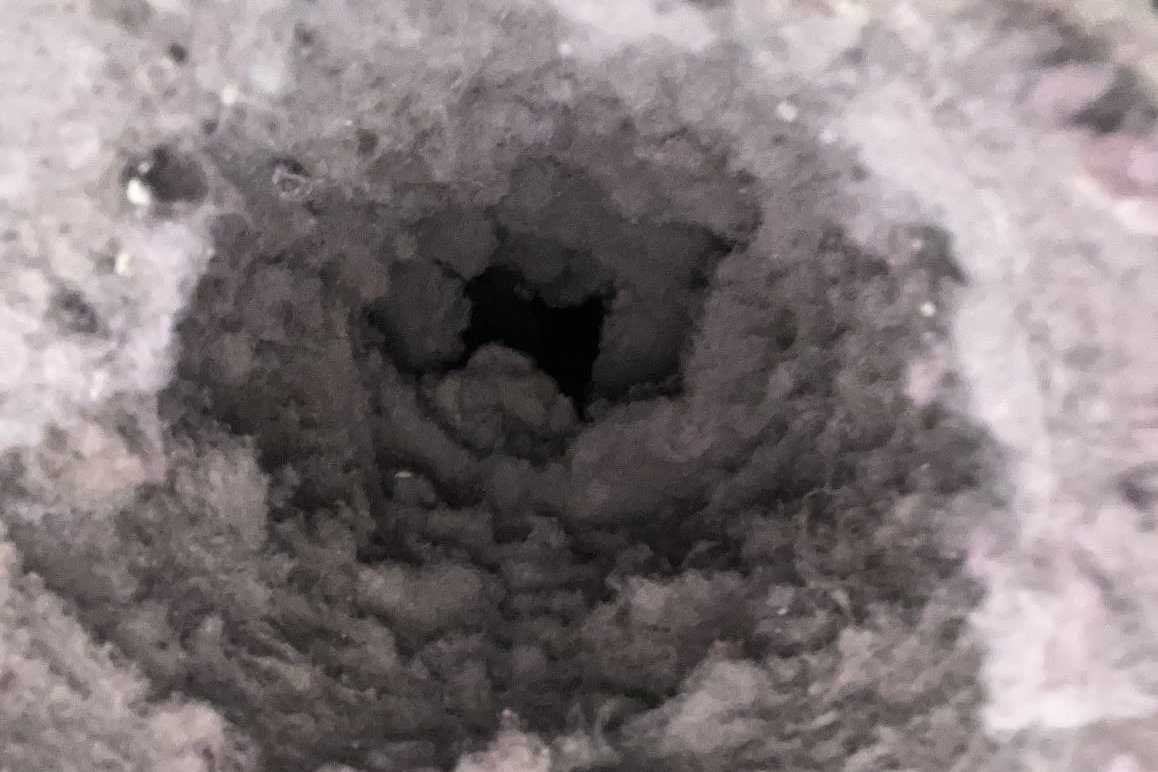
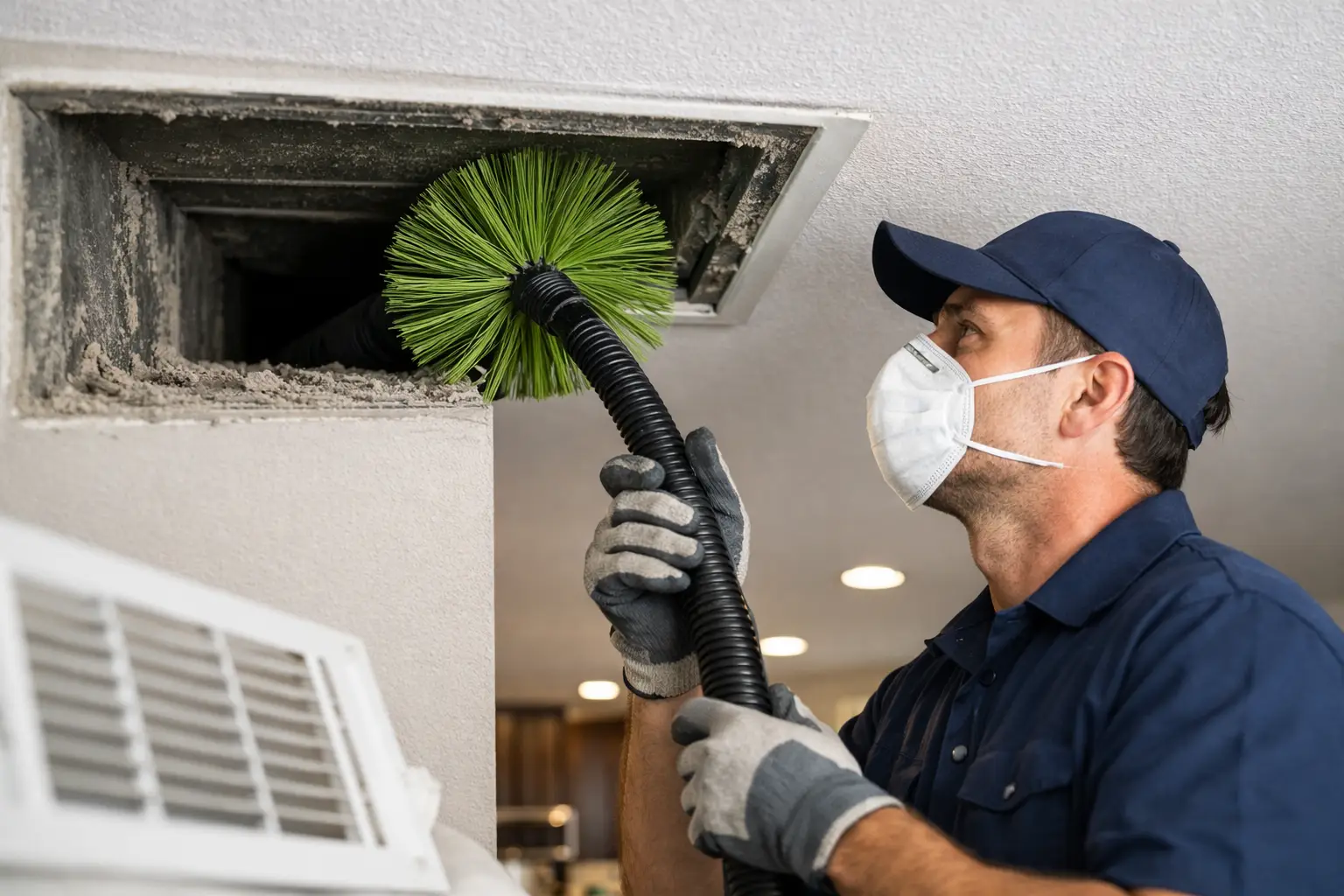
Duct cleaning can help when dust, construction debris, pet hair, pest material, or moisture-related contamination has accumulated inside the duct system. It is especially worth considering after a renovation, a water event, a pest issue, or years of heavy AC use without a thorough inspection.
A proper service should involve more than placing a vacuum hose near a vent. Technicians should inspect accessible components, use professional equipment to mechanically remove debris, and explain what they find. Photo documentation before and after the work gives homeowners a clear view of the condition inside the system.
Sanitization may be appropriate after contaminants have been removed and the moisture source is under control. It is not a substitute for cleaning or repairs. If damp insulation, a leaking duct, or a dirty coil remains in place, odors can return no matter how much fragrance is added to the system.
When Musty Duct Odors Could Mean Mold
Not every musty smell means mold, but it should not be ignored in a humid climate. Mold needs moisture, and Florida homes have plenty of opportunities for it when AC systems run hard, ductwork passes through hot attics, or humidity stays elevated indoors.
Visible growth around vents, water stains, repeated condensation, worsening allergy symptoms, or an odor that returns soon after cleaning are good reasons to schedule an inspection. A trained technician can look for moisture conditions, insulation damage, duct leaks, coil buildup, and contamination that is not visible from the living space.
The right response depends on the findings. Sometimes the solution is a drain repair and coil cleaning. In other cases, damaged duct insulation, mold remediation, targeted sanitization, or duct replacement may be needed. Honest inspection matters because treating the wrong problem wastes money and leaves your family breathing the same unpleasant air.
Prevent Duct Odors From Coming Back
Once the source has been corrected, prevention is mostly about moisture control and routine maintenance. Keep filters on schedule, especially during months of constant cooling. A household with pets, allergies, or high dust levels may need more frequent changes than the filter package suggests.
Pay attention to indoor humidity. If rooms feel clammy even when the thermostat is set low, the AC may not be removing moisture effectively, the system may be oversized or undersized, or a dehumidification solution may be needed. Keeping humidity under control helps protect ducts, furnishings, and comfort.
It also helps to keep supply and return vents open and unblocked. Closing too many vents can disrupt airflow and create uneven temperatures. Make sure bathrooms and kitchens have proper exhaust ventilation, and address roof leaks, plumbing leaks, or crawlspace moisture quickly before they affect nearby ductwork.
For homes with recurring odor or moisture concerns, optional UV light installation can be discussed as part of a broader HVAC maintenance plan. UV lights are not a cure for dirty ducts or drainage failures, but they may help support cleaner conditions around certain HVAC components when professionally selected and installed.
What Professional Odor Removal Should Look Like
A trustworthy service begins with questions and inspection, not a one-size-fits-all promise. Technicians should ask when the smell occurs, whether it is stronger in certain rooms, whether there have been leaks or renovations, and how long it has been since the system was maintained.
From there, the process should be clear: identify likely odor sources, clean the affected components with the right equipment, remove debris or contamination, and verify the result. The Ductors helps homeowners understand what is inside their HVAC system with straightforward explanations, respectful service, and visible evidence of completed work.
If your AC odor is new, getting stronger, or returning after basic filter changes, schedule an inspection before the next stretch of heavy cooling. Fresh air is not just about a better-smelling home. It is about giving your family a cleaner, more comfortable place to breathe.