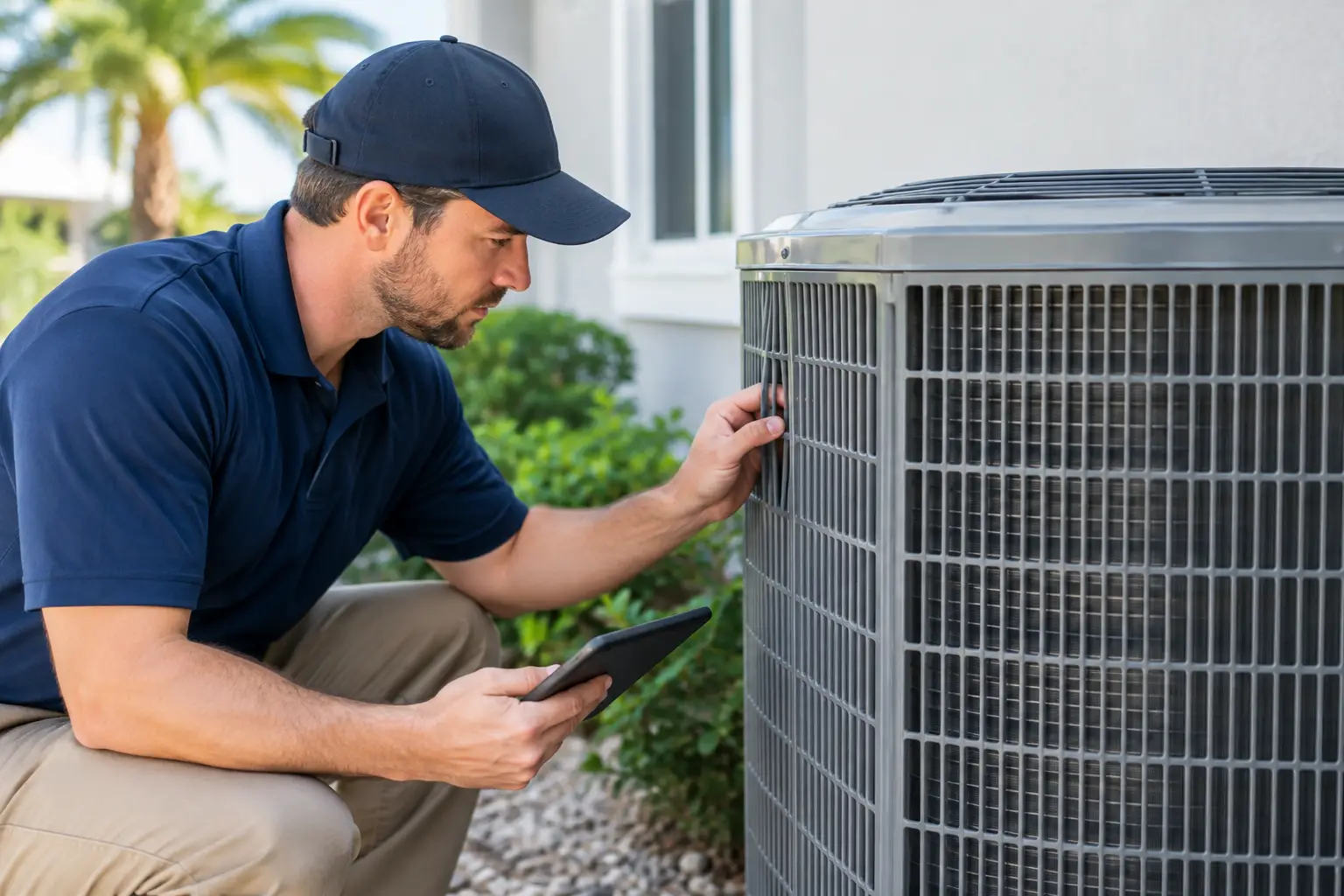
A bedroom that stays warm while the rest of the house feels cold is more than an everyday annoyance in Florida. It can mean your AC is working harder, your energy bill is climbing, and moisture is lingering where it should not. This HVAC airflow troubleshooting guide helps you recognize the common warning signs, make a few safe checks, and know when it is time for a professional inspection.
Start With the Airflow Symptoms You Can Feel
Airflow problems do not always look like a broken air conditioner. Many homeowners first notice comfort changes: one room feels stuffy, vents barely push air, or the system seems to run all afternoon without bringing temperatures down. Those clues matter, especially through a Tampa Bay summer when your system has little time to recover between cycles.
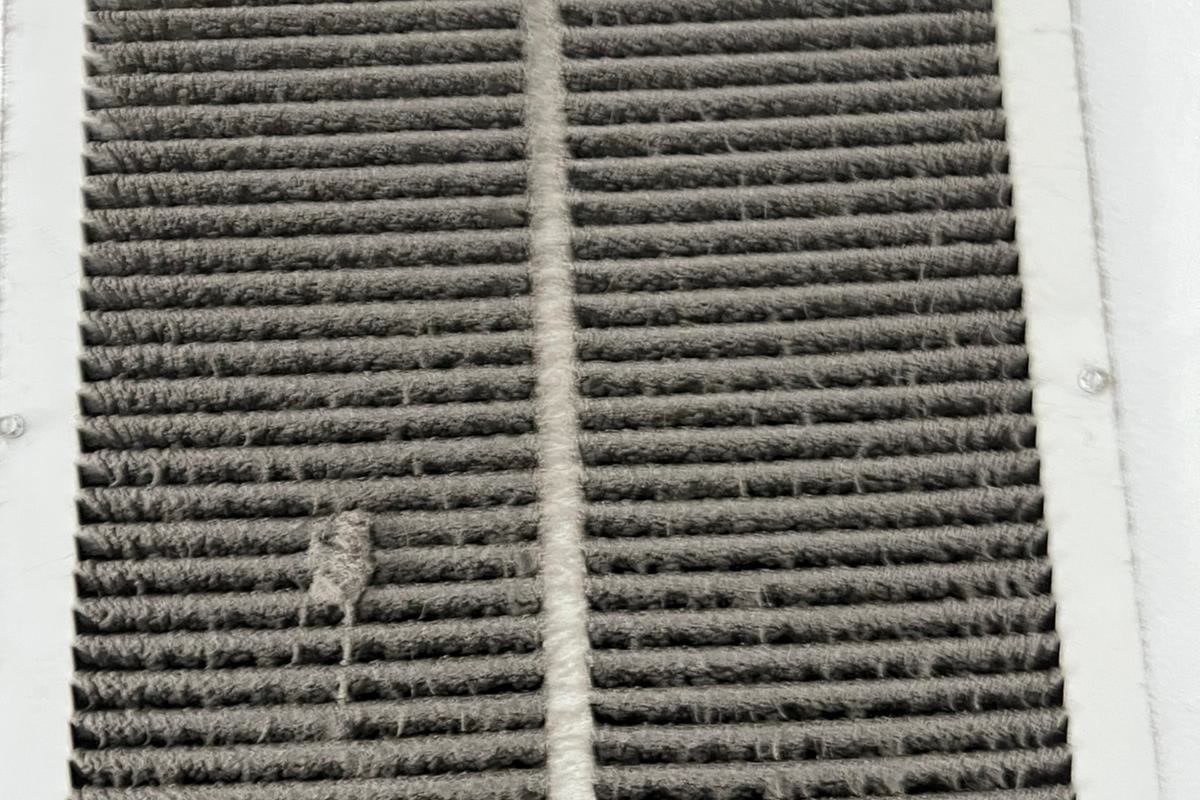
Watch for a pattern rather than one unusual day. A weak supply vent in a single room points to a different issue than low airflow throughout the home. A musty smell, visible dust around registers, or worsening allergy symptoms can add another layer to the problem. They may indicate a buildup of dust and debris, excess moisture, or biological growth somewhere in the system.
Four signs deserve prompt attention:
- Air comes from some vents but is weak or absent from others.
- The AC runs longer, yet rooms remain uneven in temperature.
- Return grilles collect dust quickly or make a whistling sound.
- You notice musty odors, recurring humidity, or a sudden rise in utility costs.
None of these signs automatically means you need a new AC unit. A restricted filter, dirty coil, closed damper, duct leak, or blower issue can all affect airflow. The right fix depends on where the restriction begins.
HVAC Airflow Troubleshooting Guide: Safe Checks at Home
Before assuming the ductwork is the problem, start with the simple items that homeowners can inspect without taking equipment apart. Turn the thermostat fan setting to “on” for a few minutes so you can compare airflow from room to room. Then return it to “auto” once you are finished.
Check the air filter first
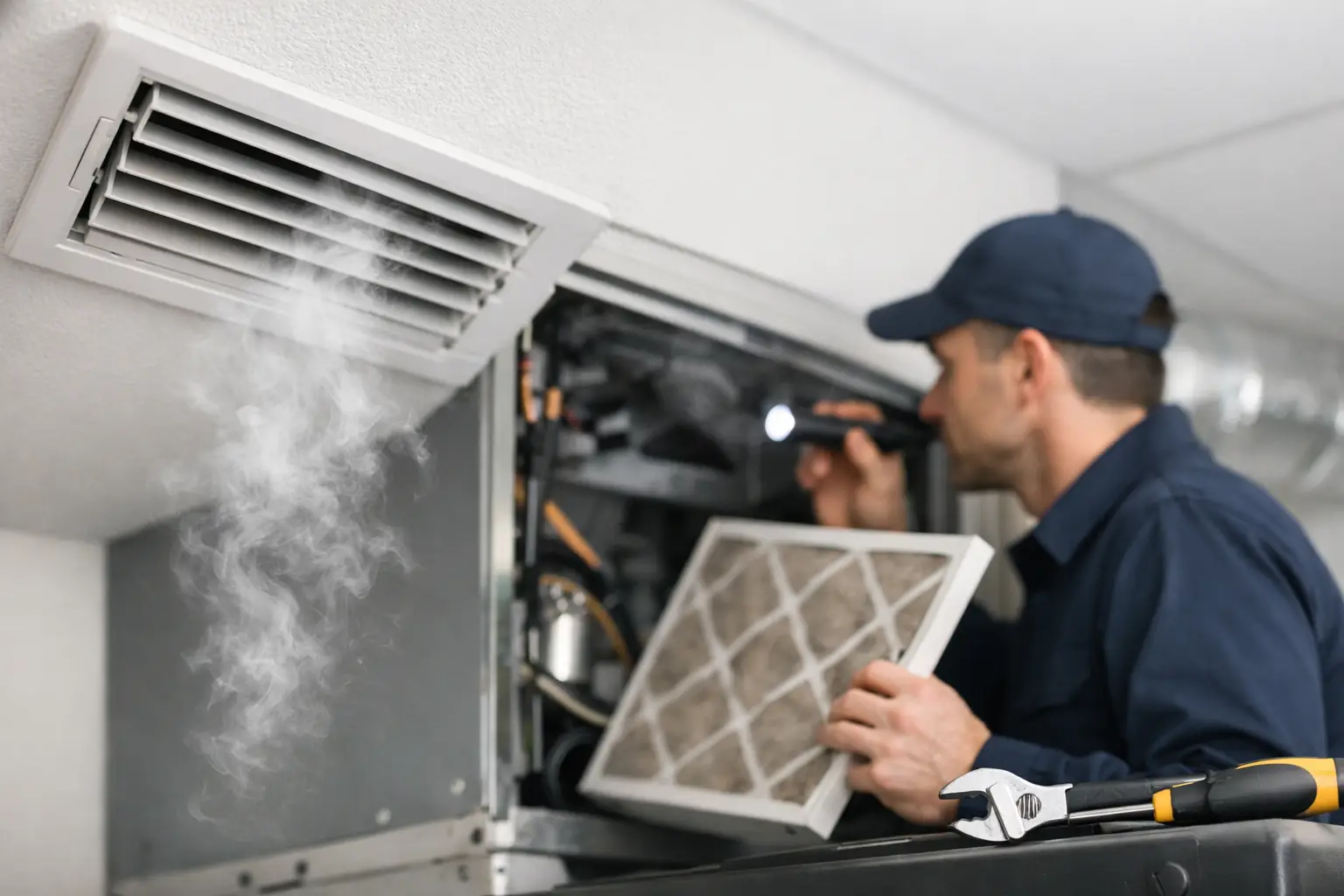
A loaded filter is one of the most common causes of weak airflow. When dust, pet hair, and household debris coat the filter, the blower has to pull air through a smaller opening. That can reduce comfort, increase strain on the system, and allow the evaporator coil to get dirty faster.
Slide the filter out and hold it toward a light. If little or no light passes through, replace it with the correct size and type for your system. Avoid choosing the most restrictive filter just because it has a higher rating. Some systems cannot move enough air through very dense filters. Your HVAC professional can recommend a filter that balances particle capture with the airflow your equipment needs.
Make sure registers and returns are open and clear
Walk through the home and check every supply register and return grille. Furniture, rugs, curtains, and storage bins can block air from entering or leaving the system. In a child’s room or guest room, a register may also have been closed to save energy. In practice, closing too many vents can increase pressure in the duct system and make comfort worse elsewhere.
Keep return grilles especially clear. A return is the path that brings indoor air back to the AC to be cooled and dehumidified. If it is blocked or coated with dust, the whole system can struggle for air.
Look for visible duct damage in accessible areas
If you can safely see ductwork in a garage, closet, or attic access area, look for disconnected sections, crushed flexible ducts, loose insulation, or obvious gaps. Do not walk across attic ducts or pull on them. Florida attics are hot, tight spaces, and flexible ductwork can be damaged easily.
A disconnected duct can dump cooled air into an attic instead of the room you are trying to cool. That wastes energy and draws humid attic air into the home through gaps. If you see damage, take note of the location and arrange for a qualified technician to inspect it.
Separate a Duct Problem From an AC Problem
Airflow troubleshooting is about following the air path. Your system pulls indoor air through return grilles, passes it through a filter and evaporator coil, moves it with a blower, and sends it back through supply ducts. Restriction at any point can produce similar symptoms, but the solution is not the same.
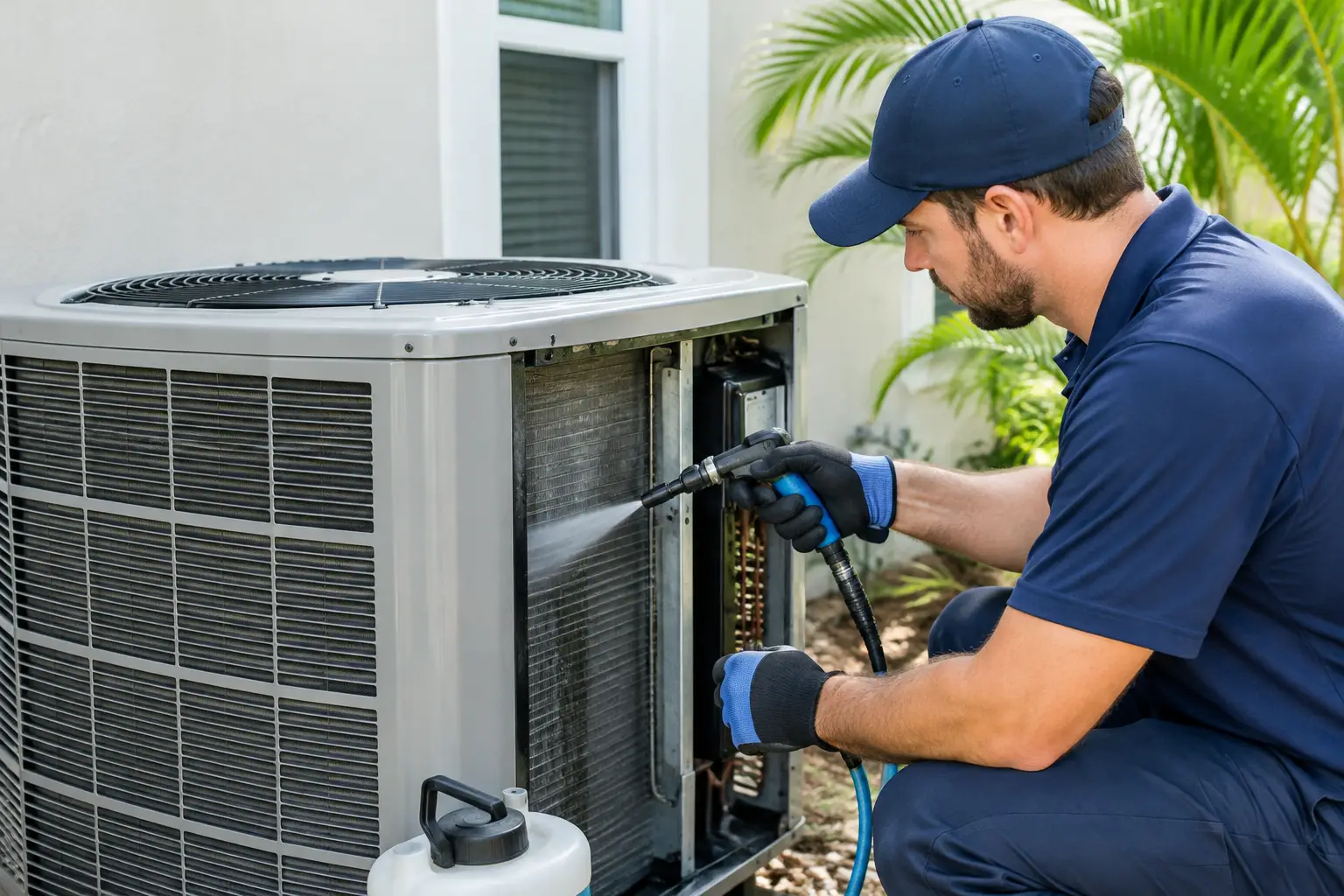
If every vent in the home feels weak, start with the filter, blower, coil, and return side. A dirty evaporator coil can become a serious bottleneck because it sits directly in the air stream. In humid Central Florida, that coil stays wet while the AC runs. Dust can stick to its surface, reduce heat transfer, and restrict the passage of air. Coil cleaning may restore both airflow and cooling performance when buildup is present.
If only one or two rooms have poor airflow, the problem is more likely in a branch duct, balancing damper, register, or room design. Long duct runs, sharp bends, undersized ducts, and attic heat can all make a distant bedroom harder to cool. Older homes may need duct repair or system balancing, not just cleaning.
Duct cleaning can be a valuable part of the answer when inspection shows heavy dust, construction debris, pest-related contamination, or buildup that is affecting the system. It is not a cure-all for compressor failures, refrigerant problems, failing blower motors, or poorly designed ductwork. A trustworthy provider should explain what they find, show you the affected areas when possible, and recommend only the work the system actually needs.
Why Florida Homes Need a Closer Look
High humidity changes the airflow conversation. Air conditioning does two jobs: it cools the home and removes moisture. When airflow is restricted, the system may not dehumidify properly. The house can feel clammy even when the thermostat displays a reasonable temperature.
Coastal moisture, frequent rain, long cooling seasons, and dust accumulation create conditions that deserve routine attention. Condensation around cold surfaces can contribute to musty odors and mold concerns if moisture management is poor. A dirty duct system does not always cause mold, but moisture and organic debris can create conditions that call for a professional assessment and proper remediation.
Pay attention after renovations, pest activity, roof leaks, or water damage. Drywall dust and construction debris can move through the return system. A leak near ductwork can affect insulation and introduce moisture. These are situations where an inspection is more useful than guessing from a vent cover.
When to Call a Professional
Call for help promptly if airflow drops suddenly, the indoor coil freezes, water appears around the air handler, you smell burning, or the breaker trips. Turn the system off if you see ice or smell electrical burning. Continuing to run it can cause more damage.
For ongoing weak airflow, a professional inspection should include more than a quick look at the registers. The technician should evaluate filter condition, returns, accessible ducts, the blower area, coil condition, drain components, and visible signs of leakage or contamination. For duct cleaning or sanitization work, ask for clear explanations and before-and-after documentation so you understand what was found and what was completed.
The Ductors approaches airflow concerns with a practical, three-step process: inspect the system and identify likely restrictions, mechanically remove debris from affected ventilation components, then verify the condition of the work. When appropriate, coil cleaning, sanitization, or UV-light options may be discussed as part of a plan tailored to the home rather than added automatically.
Keep Air Moving Between Service Visits
Consistent maintenance prevents small restrictions from becoming comfort problems during the hottest weeks of the year. Replace filters on the schedule appropriate for your household, keeping in mind that pets, allergies, renovations, and heavy AC use may require more frequent changes. Keep vents and returns unobstructed, and do not use the attic as a storage area around ductwork.
It also helps to pay attention to changes rather than waiting for complete failure. If a room slowly becomes warmer, a new odor appears, or your AC begins running longer than usual, schedule an inspection before the system is under peak summer strain. Early attention can protect comfort, equipment life, and your monthly budget.
Your home should deliver cool, clean air to every room without making your family live around hot spots, dust, or musty odors. When the easy checks do not solve the problem, a clear inspection and visible evidence of the cause are the fastest path back to a healthier, more comfortable home.